How to Clean Your Brake Fluid Reservoir: A Step-by-Step Guide
Cleaning your brake fluid reservoir is crucial for ensuring your vehicle’s braking performance and overall safety. Neglecting this task can lead to contaminants affecting your brake fluid, reducing effectiveness, and even causing system failures. In this guide, you’ll learn the importance of a clean brake fluid reservoir, the tools required, and a detailed, step-by-step process for cleaning it effectively.
Understanding the Importance of a Clean Brake Fluid Reservoir
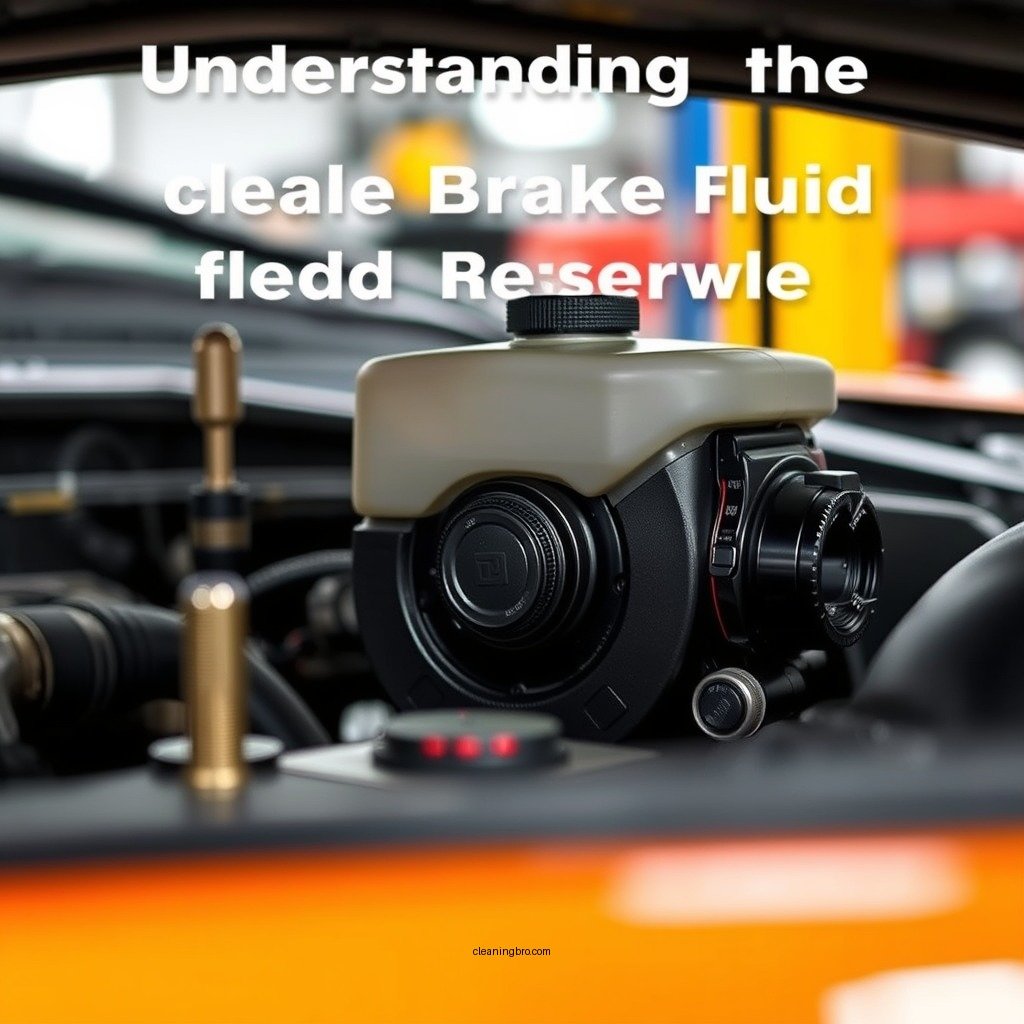
A clean brake fluid reservoir is vital for several reasons. Firstly, it prevents contaminants such as dirt, moisture, and metal shavings from interfering with the brake fluid, which can compromise braking performance. Contaminated brake fluid can lead to increased wear on brake components, including calipers and brake lines, which may result in costly repairs or complete brake failure.
Tools and Materials Needed
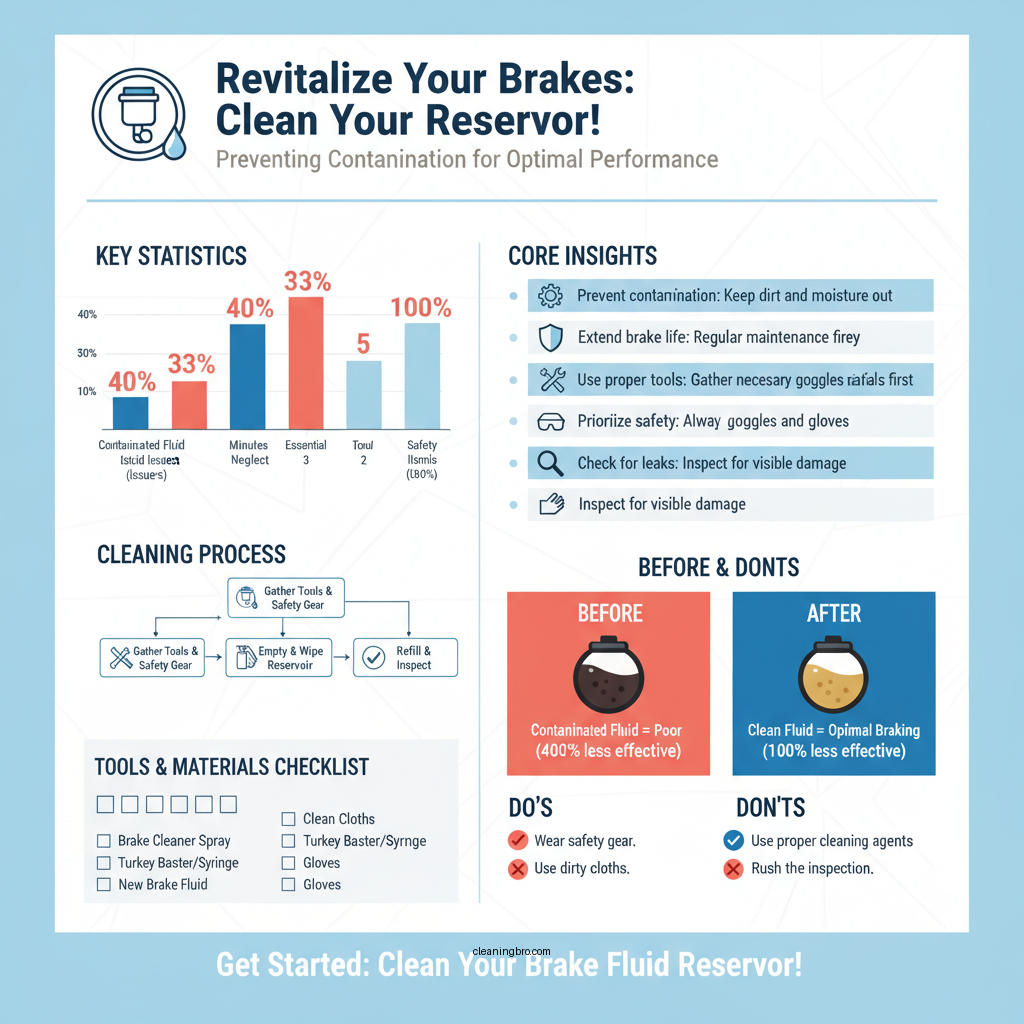
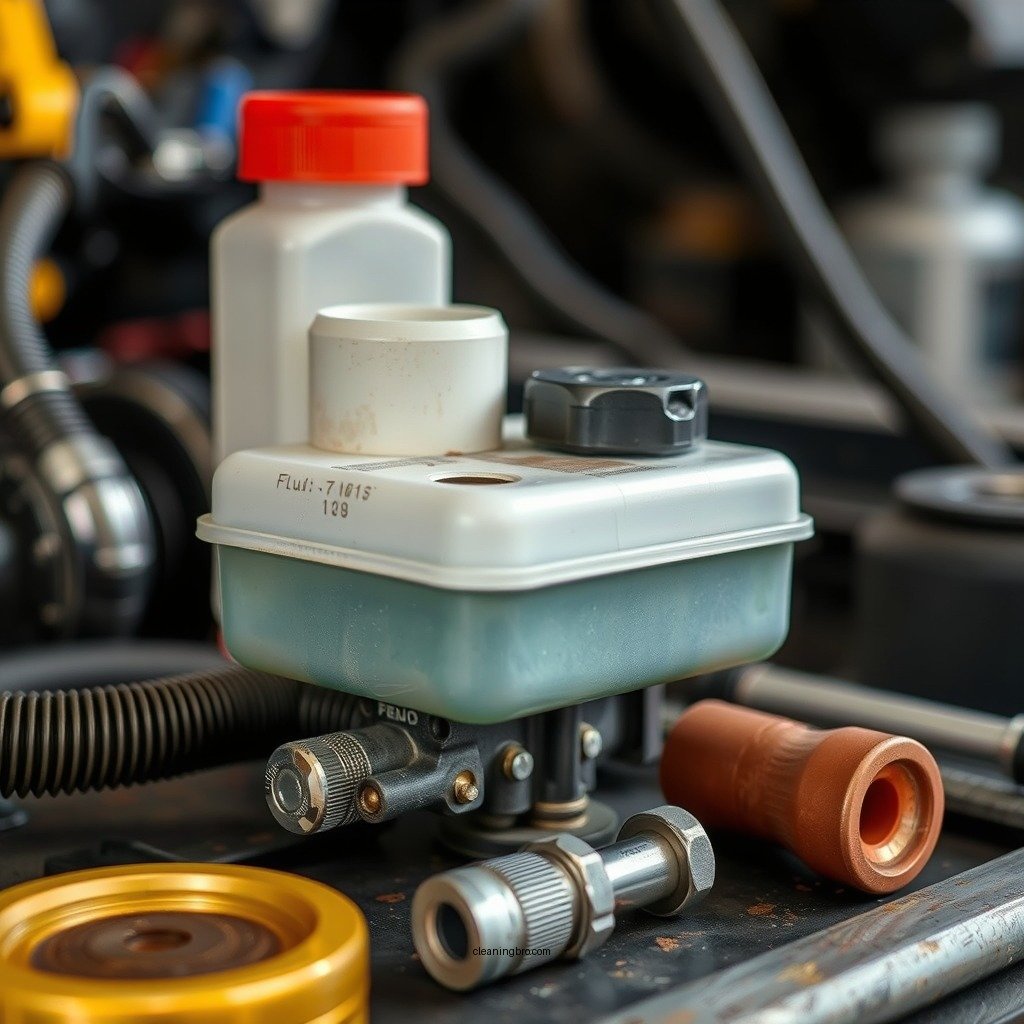
Before you begin the cleaning process, gather the necessary tools and materials. Here’s what you will need:
– Clean, lint-free cloths: These are essential for wiping down the interior of the reservoir without leaving lint or fibers behind.
– Brake cleaner or isopropyl alcohol: These solvents are effective for degreasing and cleaning the reservoir’s interior surfaces.
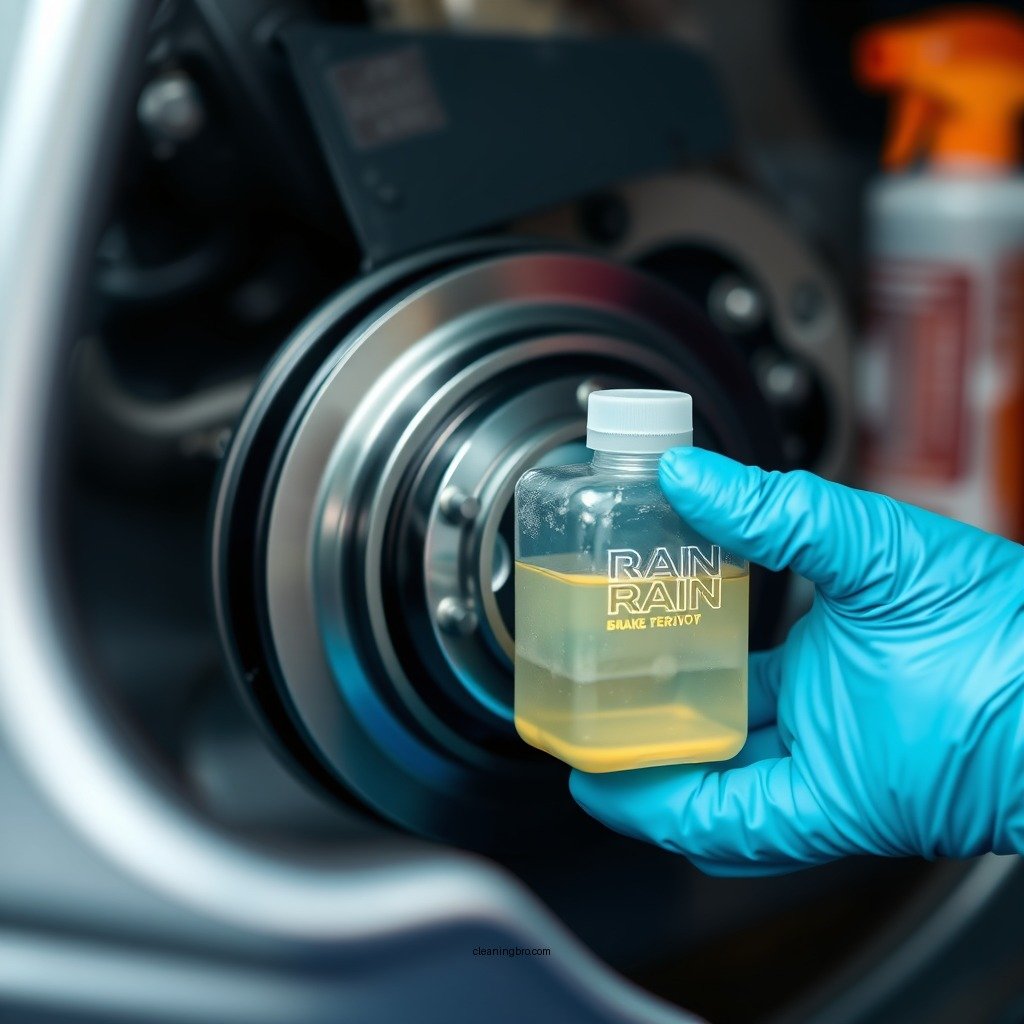
– Safety goggles and gloves: Protecting your eyes and skin is paramount, as brake cleaner and other solvents can be hazardous.
Having these tools on hand will help ensure a smooth and effective cleaning process.
Step-by-Step Process for Cleaning
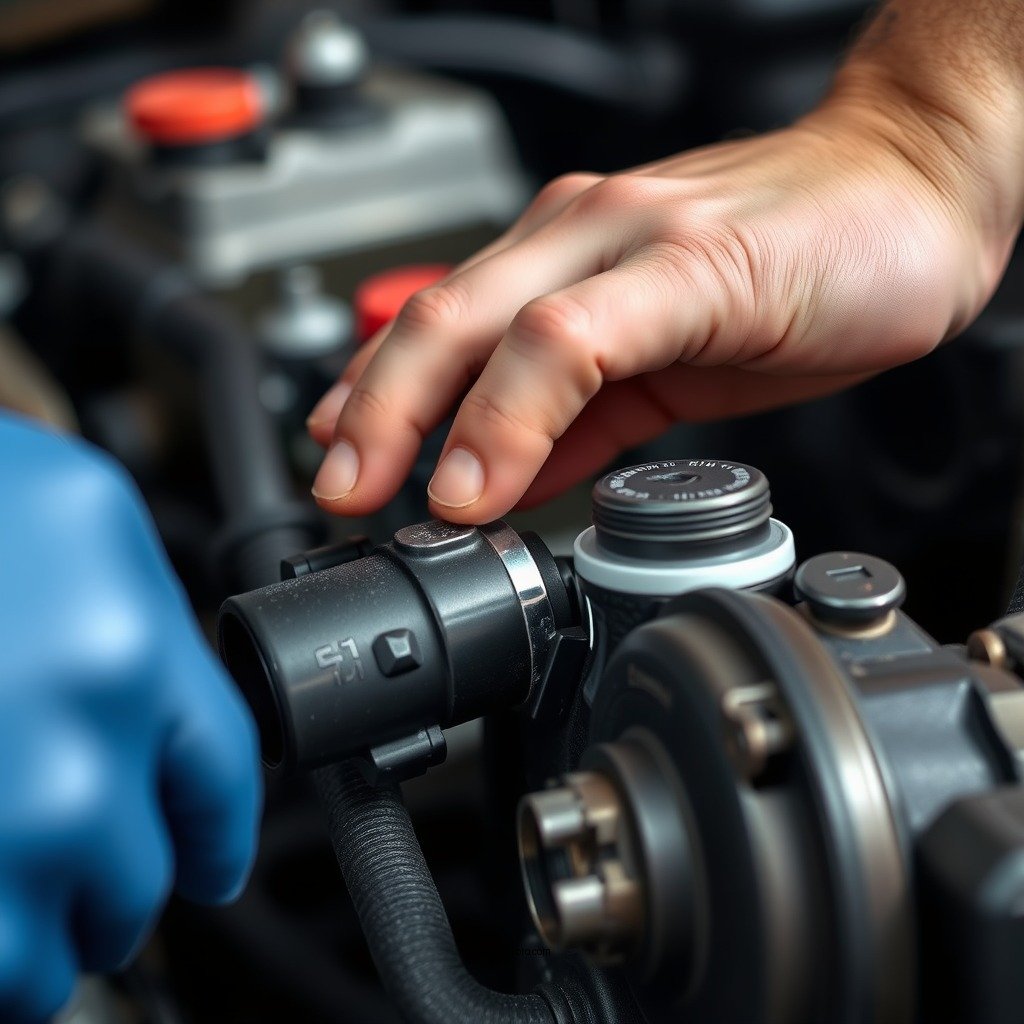
1. Safety First: Begin by wearing your safety goggles and gloves to protect yourself from any harmful chemicals.
2. Remove the Reservoir Cap: Carefully unscrew or pop the cap off the brake fluid reservoir. Inspect the cap and surrounding area for any visible leaks or damage.
3. Check for Leaks: Before proceeding, check the reservoir itself and the brake lines connected to it for any signs of leaks. If you notice any leaks, it may be necessary to address these issues before cleaning.
4. Wipe the Interior: Take a clean cloth and soak it in brake cleaner or isopropyl alcohol. Use the cloth to wipe the inside of the reservoir thoroughly, ensuring that you remove any residue, dirt, or contaminants. It may be helpful to use a flashlight to inspect the interior more closely.
5. Final Rinse: If necessary, you can use a small amount of clean brake fluid to rinse the interior of the reservoir before reassembling. This step ensures that any remaining cleaner does not mix with the new brake fluid.
6. Replace the Cap: After ensuring the reservoir is clean and dry, securely replace the cap to prevent any contaminants from entering.
At this point, you should have a clean brake fluid reservoir ready for inspection and maintenance.
Common Brake Fluid Contaminants
| # | Contaminant | Cause | Impact on Brake Fluid |
|---|---|---|---|
| 1 | Dirt | Environmental Exposure | Reduces fluid effectiveness |
| 2 | Moisture | Absorption from air | Corrosion and vapor lock |
| 3 | Metal Shavings | Worn brake components | Clogs and damage |
| 4 | Contaminated Fluid | Improper fluid maintenance | System failure risk |
| 5 | Air Bubbles | Fluid degradation | Soft brake pedal feel |
| 6 | Oil or Grease | Environmental contamination | Fluid breakdown |
| 7 | Brake Dust | Worn brake pads | Reduces performance |
Inspecting the Brake Fluid
After cleaning, it’s important to inspect the brake fluid to ensure it’s still effective. The color and consistency of brake fluid can reveal a lot about its condition.
– Color: Fresh brake fluid is usually clear or light amber. If the fluid appears dark, murky, or has a burnt smell, this indicates contamination.
– Consistency: The fluid should be smooth and free of any particles. If you notice any sediment or cloudiness, it’s a sign that the brake fluid has absorbed moisture or is contaminated.
If the brake fluid shows signs of being dirty or discolored, consider flushing the entire brake system. This involves removing the old fluid from the brake lines and replacing it with new fluid to ensure optimal performance.
Replacing the Brake Fluid
Once you have cleaned the reservoir and inspected the brake fluid, it’s time to refill the reservoir with fresh brake fluid.
1. Choosing the Right Fluid: Make sure you use the correct type of brake fluid specified for your vehicle. Consult your owner’s manual for recommendations on whether to use DOT 3, DOT 4, or DOT 5 fluid, as using the wrong type can lead to brake system failure.
2. Refilling: Carefully pour the new brake fluid into the reservoir until it reaches the recommended level. Avoid overfilling, as this can lead to leaks.
3. Bleeding the Brakes: If you’ve replaced a significant amount of fluid, it may be necessary to bleed the brakes to eliminate any air trapped in the system. This ensures that your brakes remain responsive and effective.
4. Final Inspection: After refilling, double-check that the cap is securely fastened and inspect the brake lines for any signs of leaks.
Common Mistakes to Avoid
When cleaning your brake fluid reservoir, there are several common mistakes to be aware of:
– Using Abrasive Materials: Avoid using steel wool or abrasive cloths that can scratch the reservoir’s surface. This can lead to future contamination and damage.
– Neglecting Safety Protocols: Always wear gloves and goggles when handling brake cleaner and other solvents. Failing to do so can result in injury.
– Forgetting to Secure the Cap: After cleaning and refilling, make sure to securely replace the reservoir cap. An improperly sealed cap can lead to contamination and fluid loss.
– Ignoring the Brake Fluid Condition: Regularly check the brake fluid’s color and consistency. Neglecting this can lead to severe braking issues in the future.
When to Seek Professional Help
While cleaning your brake fluid reservoir can be a straightforward task, there are times when seeking professional help is advisable:
– Uncertainty About the Process: If you’re unsure or uncomfortable with any part of the cleaning process, consulting a mechanic is a wise decision.
– Persistent Issues: If you notice ongoing issues with your brakes, such as a soft pedal feel or unusual noises, it may indicate deeper problems within the braking system that require professional inspection.
– Lack of Tools or Time: If you don’t have the necessary tools or time to perform a thorough job, it’s better to leave it to the experts.
Maintaining your brake fluid reservoir is crucial for your vehicle’s braking efficiency. By following these steps, you can ensure your braking system remains in top condition. Don’t hesitate to tackle this maintenance task; it’s a simple yet effective way to enhance your vehicle’s safety and performance. If you’re ever in doubt, reaching out to a professional for assistance can save you from costly repairs down the road.
Frequently Asked Questions
How do I safely clean my brake fluid reservoir?
To safely clean your brake fluid reservoir, start by ensuring the engine is off and the vehicle is parked on a level surface. Remove the reservoir cap gently to avoid contamination, then use a clean, lint-free cloth or paper towel to wipe the inside of the reservoir. Be cautious not to let any debris fall into the reservoir as you clean.
Why is it important to clean the brake fluid reservoir?
Cleaning the brake fluid reservoir is crucial because contaminants can compromise brake fluid quality, leading to decreased braking performance and potential brake failure. Regular maintenance helps ensure that the hydraulic brake system operates efficiently and extends the lifespan of brake components.
What tools do I need to clean the brake fluid reservoir?
To clean the brake fluid reservoir, you will need a flathead screwdriver (for prying off the cap if necessary), a clean lint-free cloth or paper towels, and possibly a small funnel for refilling brake fluid. It’s also essential to have a container for any spilled brake fluid, as it can damage your vehicle’s paint.
Which brake fluid should I use after cleaning the reservoir?
After cleaning the reservoir, it’s vital to use the brake fluid specified in your vehicle’s owner manual, commonly DOT 3, DOT 4, or DOT 5.1. Using the correct brake fluid type ensures optimal brake performance and compatibility with your vehicle’s braking system.
How often should I clean the brake fluid reservoir?
You should clean the brake fluid reservoir every 2 years or during regular brake maintenance, particularly if you notice any discoloration or debris in the fluid. Regular inspections can help you identify potential issues early and maintain the integrity of your braking system.
References
- Brake fluid
https://en.wikipedia.org/wiki/Brake_fluid - https://www.nhtsa.gov/equipment/brake-fluid
https://www.nhtsa.gov/equipment/brake-fluid - autobest.co.uk – autobest Resources and Information.
https://www.autobest.co.uk/blog/how-to-clean-brake-fluid-reservoir - https://www.carsguide.com.au/car-advice/how-to-flush-your-brake-fluid-81866
https://www.carsguide.com.au/car-advice/how-to-flush-your-brake-fluid-81866 - https://www.sciencedirect.com/topics/engineering/brake-fluid
https://www.sciencedirect.com/topics/engineering/brake-fluid - https://pubmed.ncbi.nlm.nih.gov/27869042/
https://pubmed.ncbi.nlm.nih.gov/27869042/ - Google Scholar Google Scholar
https://scholar.google.com/scholar?q=how+to+clean+brake+fluid+reservoir - Google Scholar Google Scholar
https://scholar.google.com/scholar?q=brake+fluid+cleaning+methods - how to clean brake fluid reservoir – Search results
https://en.wikipedia.org/wiki/Special:Search?search=how+to+clean+brake+fluid+reservoir - https://www.ncbi.nlm.nih.gov/search/research-articles/?term=how+to+clean+brake+fluid+reservoir
https://www.ncbi.nlm.nih.gov/search/research-articles/?term=how+to+clean+brake+fluid+reservoir