How to Clean Your Glucose Meter: A Step-by-Step Guide
Cleaning your glucose meter regularly is essential for maintaining accurate readings and ensuring overall hygiene. By following a simple step-by-step cleaning guide, you can keep your device in optimal condition, which is vital for effective diabetes management. This guide will walk you through the best practices for maintaining your glucose meter, ensuring that it provides reliable readings while minimizing potential health risks.
Importance of Cleaning Your Glucose Meter
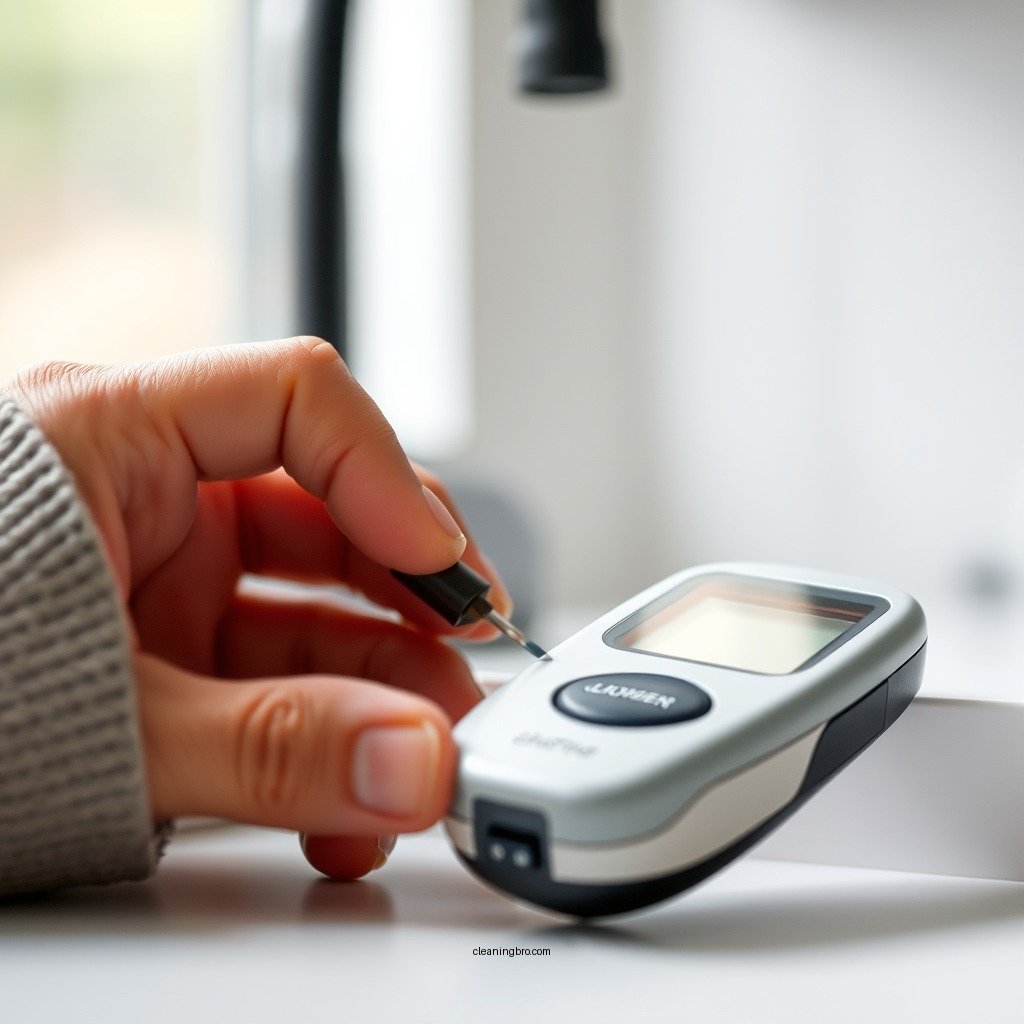
Regular cleaning of your glucose meter is not just a best practice; it is a necessity. Contamination from dust, skin oils, and other substances can lead to inaccurate readings that jeopardize your health management. Inaccuracies in glucose readings can affect your insulin dosage and overall diabetes control, potentially leading to serious health complications.
Moreover, a clean glucose meter contributes to better health management for diabetes patients. Maintaining the device helps ensure that users receive consistent and reliable data, allowing them to make informed decisions about their health. Proper hygiene practices reduce the risk of infections and complications associated with improper device use, making regular cleaning a critical component of diabetes care.
Recommended Cleaning Supplies
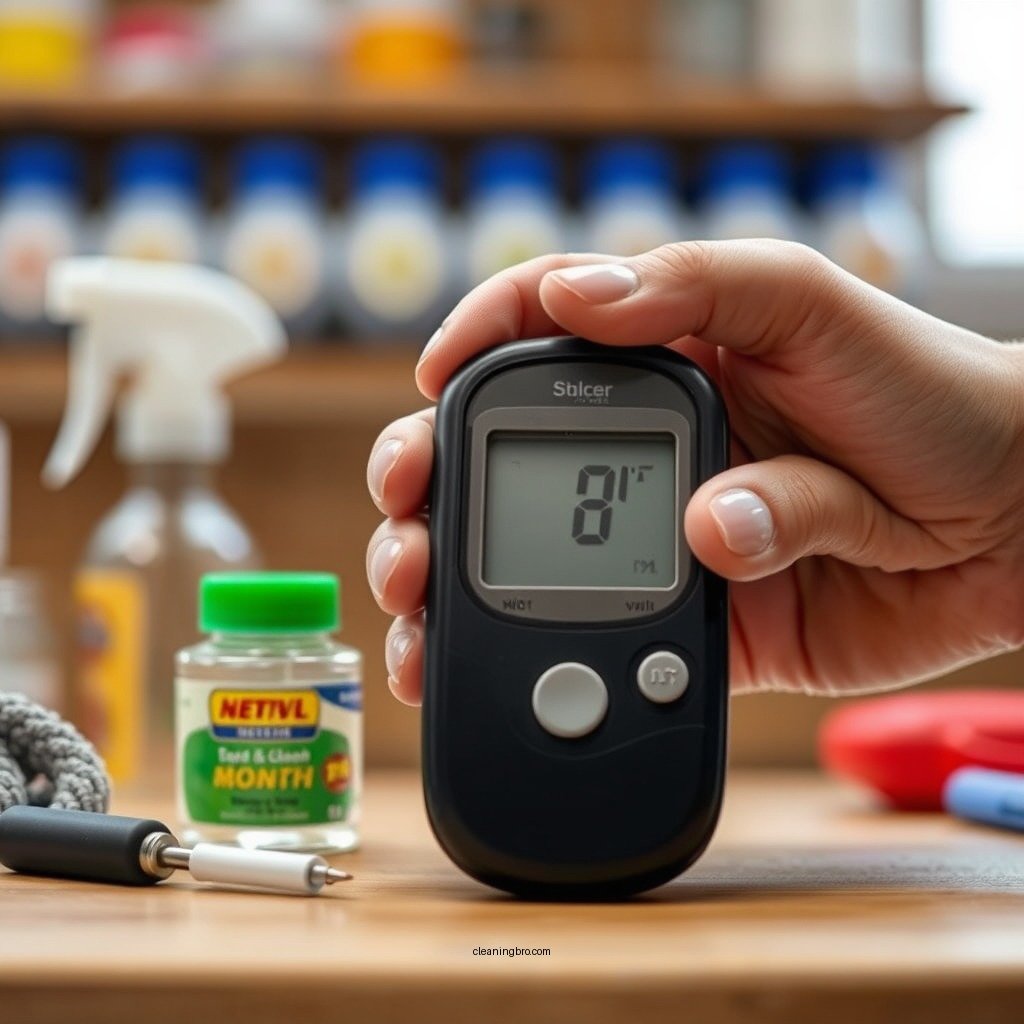
To effectively clean your glucose meter, you will need the following supplies:
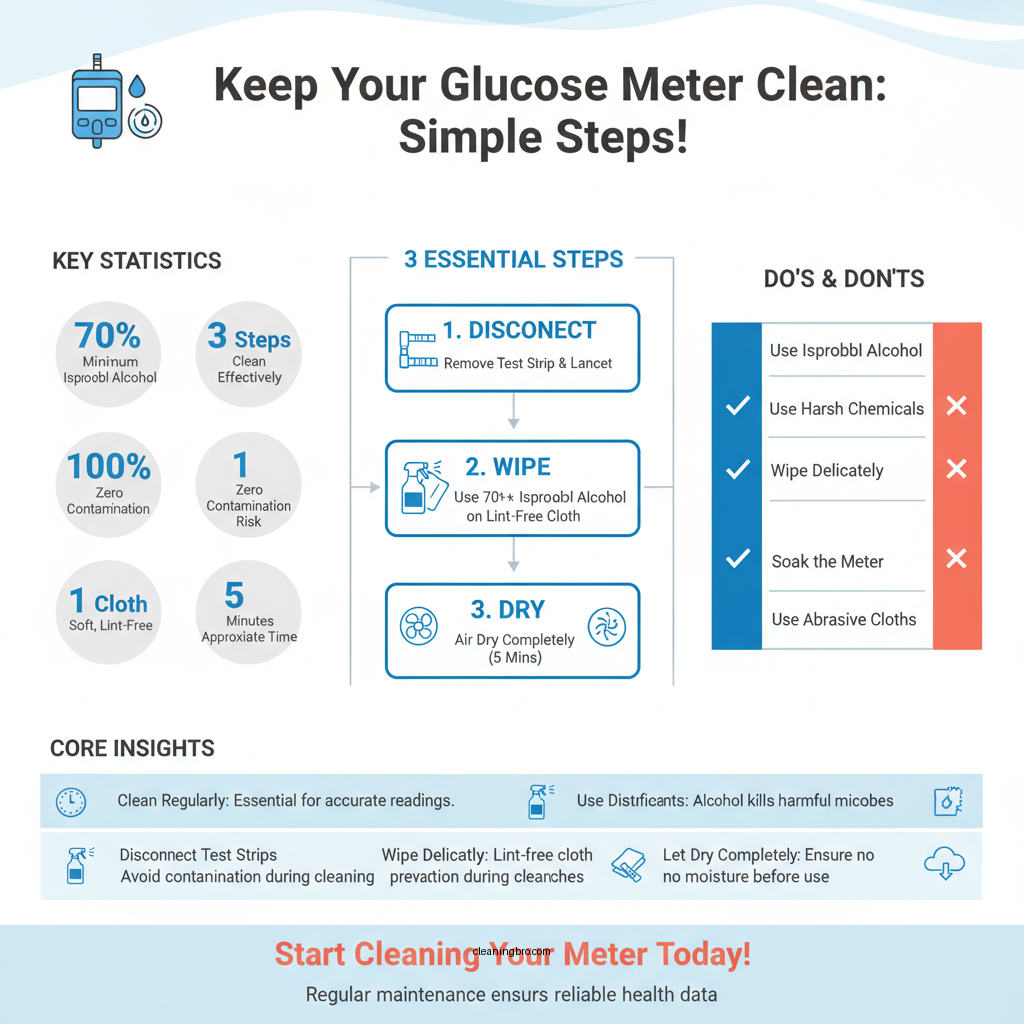
– Isopropyl alcohol (at least 70% concentration): This is a powerful disinfectant that effectively kills bacteria and viruses, making it ideal for cleaning medical devices.
– Soft, lint-free cloth or cotton swabs: These will help you clean delicate areas without scratching or damaging the surface of the meter.
– Mild soap and water (optional for external parts): For a more thorough cleaning, especially for external surfaces, mild soap mixed with water can be used.
By using these recommended supplies, you ensure that your cleaning process is both effective and safe for your glucose meter.
Step-by-Step Cleaning Process
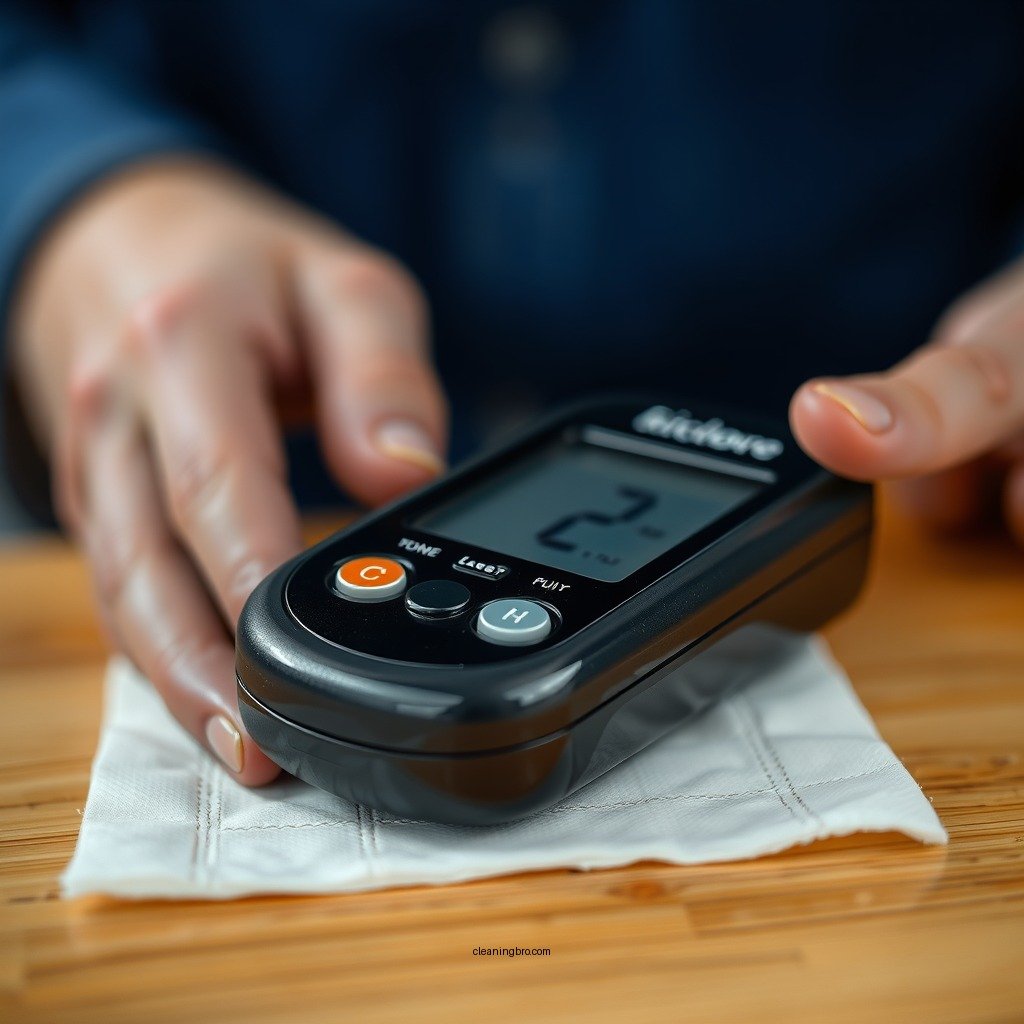
Cleaning your glucose meter involves a straightforward process. By following these steps, you can keep your device in top-notch condition:
1. Power off the glucose meter: Before you begin cleaning, ensure the device is turned off to prevent any accidental readings or damage.
2. Remove any test strips: Take out any test strips from the device to avoid contamination during the cleaning process.
3. Wipe the exterior: Use a lint-free cloth dampened with isopropyl alcohol to wipe the exterior thoroughly. Make sure to cover all surfaces, including buttons and the display.
4. Allow to dry: After wiping, let the meter air dry completely before using it again. This ensures that any remaining alcohol evaporates, leaving the device clean.
This cleaning process not only helps maintain the meter’s functionality but also extends its lifespan, allowing for more reliable health management over time.
Cleaning the Test Strip Port
The test strip port is a critical area of the glucose meter that requires special attention during cleaning:
1. Gently clean the port: Using a cotton swab dipped in isopropyl alcohol, gently clean the test strip port. This area can harbor contaminants that could affect your readings.
2. Avoid inserting anything into the port: Be careful not to insert any objects into the port, as this can lead to damage and affect the meter’s accuracy.
Cleaning the test strip port regularly helps ensure that the device reads accurately, which is essential for effective diabetes management.
Top 7 Glucose Meters by Popularity (2024)
| # | Brand & Model | Accuracy Rating | Price | Battery Life |
|---|---|---|---|---|
| 1 | Accu-Chek Guide | 98% | $25.99 | Up to 1,000 tests |
| 2 | Freestyle Libre 2 | 99% | $37.99 | Up to 14 days |
| 3 | OneTouch Verio Flex | 97% | $19.99 | Up to 1,000 tests |
| 4 | Contour Next One | 98% | $24.99 | Up to 1,000 tests |
| 5 | Nova Max Plus | 95% | $18.99 | Up to 1,500 tests |
| 6 | Glucomen Areo 2K | 96% | $22.99 | Up to 1,000 tests |
| 7 | Ascensia Contour Next | 98% | $20.99 | Up to 1,000 tests |
Maintaining Your Meter’s Accuracy
To maintain the accuracy of your glucose meter, consider the following tips:
1. Air dry completely: After cleaning, allow the meter to dry completely before using it again. This step prevents moisture from interfering with the device’s electronics.
2. Regular calibration: Periodically check your meter’s calibration as per the manufacturer’s instructions. Calibration ensures that the device provides precise readings over time, which is crucial for effective diabetes management.
3. Proper handling: Handle the device with care to avoid dropping or damaging it. Regularly inspect the device for any signs of wear or damage that could affect its functionality.
Implementing these practices will help ensure that your glucose meter remains a reliable tool for monitoring your blood sugar levels.
Frequency of Cleaning
The frequency of cleaning your glucose meter depends on how often it is used. Here are some guidelines:
– At least once a week: For those who use their glucose meter daily, a weekly cleaning is recommended to maintain hygiene and accuracy.
– After multiple uses: If you use your meter multiple times a day, consider cleaning it more frequently, ideally after each use.
– After exposure to contaminants: Always clean your meter after potential exposure to contaminants, such as spills or dirt. This practice minimizes the risk of inaccurate readings and maintains hygiene.
By establishing a regular cleaning routine, you can ensure that your glucose meter remains in excellent working condition.
Additional Care Tips
In addition to regular cleaning, consider the following tips for optimal glucose meter care:
– Protective case: Store your glucose meter in a protective case when not in use. This prevents dust accumulation and potential physical damage.
– Avoid extreme temperatures: Keep your device away from extreme temperatures, as heat and cold can adversely affect its performance and accuracy. Ideal storage conditions are between 50°F and 86°F (10°C to 30°C).
– Replace batteries as needed: Regularly check the battery life of your glucose meter and replace it as needed to prevent unexpected shutdowns during use.
Incorporating these care tips into your routine will help extend the life of your glucose meter and enhance its reliability.
Cleaning your glucose meter is a simple yet essential task that significantly impacts your health management. By following the outlined steps, you ensure that your device remains clean and effective, leading to more accurate readings and better diabetes control. Don’t forget to incorporate these cleaning habits into your routine to maintain optimal performance and hygiene.
Frequently Asked Questions
How often should I clean my glucose meter?
You should clean your glucose meter at least once a week to ensure accurate readings and maintain hygiene. If you notice any visible dirt or spills, it’s best to clean it immediately. Regular cleaning helps prevent contamination and ensures the longevity of your device.
What is the best way to clean the surface of my glucose meter?
The best way to clean your glucose meter’s surface is to use a soft, lint-free cloth dampened with a mild soap solution or isopropyl alcohol. Avoid using harsh chemicals or abrasive materials, as they can damage the meter. Make sure to turn off the device and ensure it is completely dry before using it again.
Why is it important to clean my glucose meter regularly?
Regularly cleaning your glucose meter is crucial because it prevents the buildup of dirt, bacteria, and residue from previous tests, which can lead to inaccurate blood sugar readings. Maintaining a clean device also helps in preventing infections, especially if you frequently use the lancing device alongside it.
Which cleaning products are safe for my glucose meter?
Safe cleaning products for your glucose meter include mild soap, isopropyl alcohol, and disinfectant wipes that are free of bleach and harsh chemicals. Always check the manufacturer’s instructions for any specific recommendations regarding cleaning products to ensure you don’t void the warranty or damage the device.
How do I properly clean the test strip port of my glucose meter?
To clean the test strip port of your glucose meter, gently wipe the area with a soft cloth slightly moistened with isopropyl alcohol or a disinfectant wipe. Avoid inserting anything into the port, as this could cause damage. Ensure it is completely dry before inserting a new test strip to maintain accuracy in your readings.
References
- Page Not Found – Site Help – Mayo Clinic
https://www.mayoclinic.org/diseases-conditions/type-2-diabetes/expert-answers/blood-glucose-meter-care/faq-20057883 - https://www.ncbi.nlm.nih.gov/pmc/articles/PMC5074066/
https://www.ncbi.nlm.nih.gov/pmc/articles/PMC5074066/ - https://www.cdc.gov/diabetes/managing/blood-glucose-monitoring.html
https://www.cdc.gov/diabetes/managing/blood-glucose-monitoring.html - Diabetes
https://www.who.int/news-room/fact-sheets/detail/diabetes - https://www.healthline.com/health/diabetes/blood-glucose-monitoring#cleaning-your-meter
https://www.healthline.com/health/diabetes/blood-glucose-monitoring#cleaning-your-meter - Methods – Employer schemes to encourage walking to work: feasibility study incorporating an explo…
https://www.ncbi.nlm.nih.gov/books/NBK279728/ - Google Scholar Google Scholar
https://scholar.google.com/scholar?q=how+to+clean+glucose+meter - Google Scholar Google Scholar
https://scholar.google.com/scholar?q=blood+glucose+meter+maintenance - Google Scholar Google Scholar
https://scholar.google.com/scholar?q=cleaning+diabetes+testing+equipment - https://en.wikipedia.org/wiki/Special:Search?search=how+to+clean+glucose+meter
https://en.wikipedia.org/wiki/Special:Search?search=how+to+clean+glucose+meter