How to Clean Your Oven with Ammonia: A Step-by-Step Guide
Gather Your Supplies
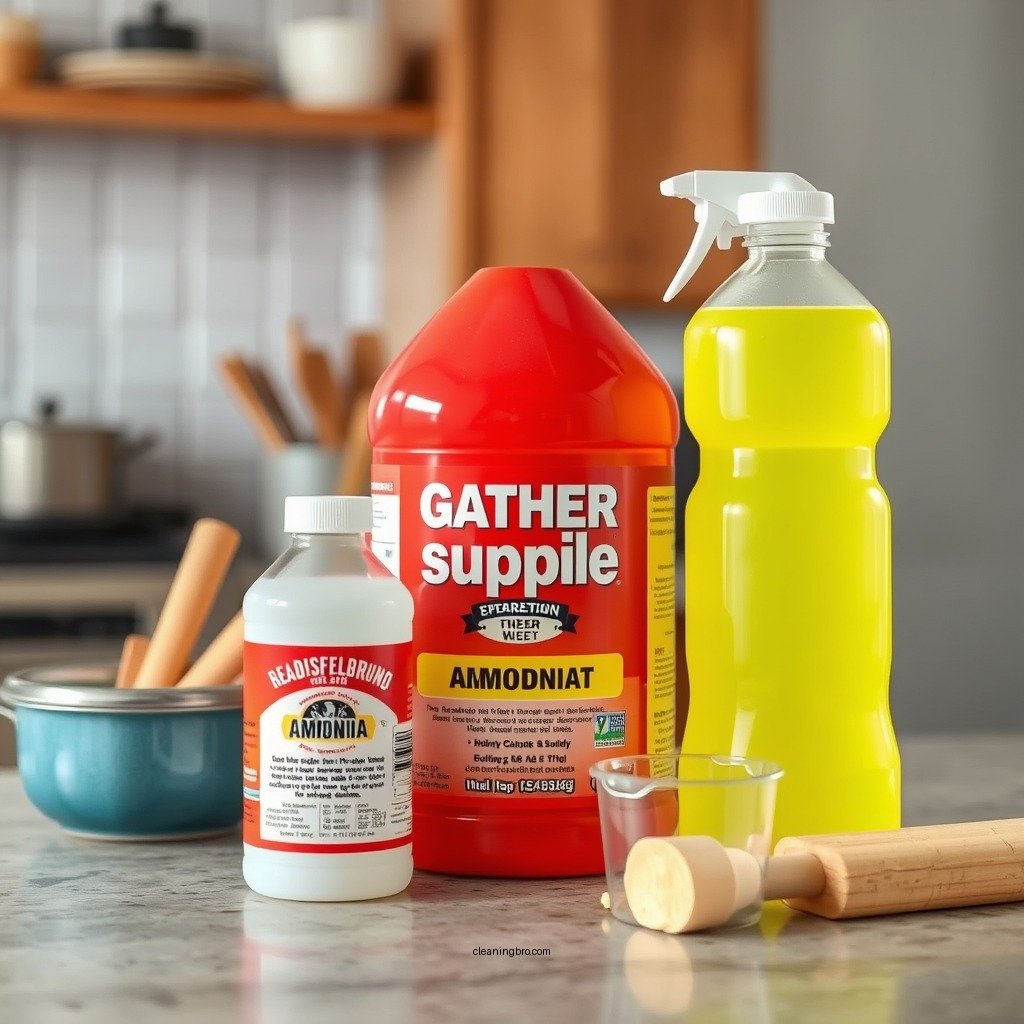
Before embarking on your oven cleaning journey, it’s essential to gather all necessary supplies. This preparation sets the stage for an effective cleaning process.
– Ammonia: Use regular household ammonia, which is readily available in most grocery stores. It is a powerful cleaner that breaks down tough grease and baked-on food residues.
– Water: You may need to mix ammonia with water to dilute it, especially for sensitive surfaces.
– Cleaning tools: Equip yourself with soft cloths, a sponge, or a scrubbing brush. Each tool serves a different purpose, from gentle wiping to more vigorous scrubbing.
Prepare the Oven
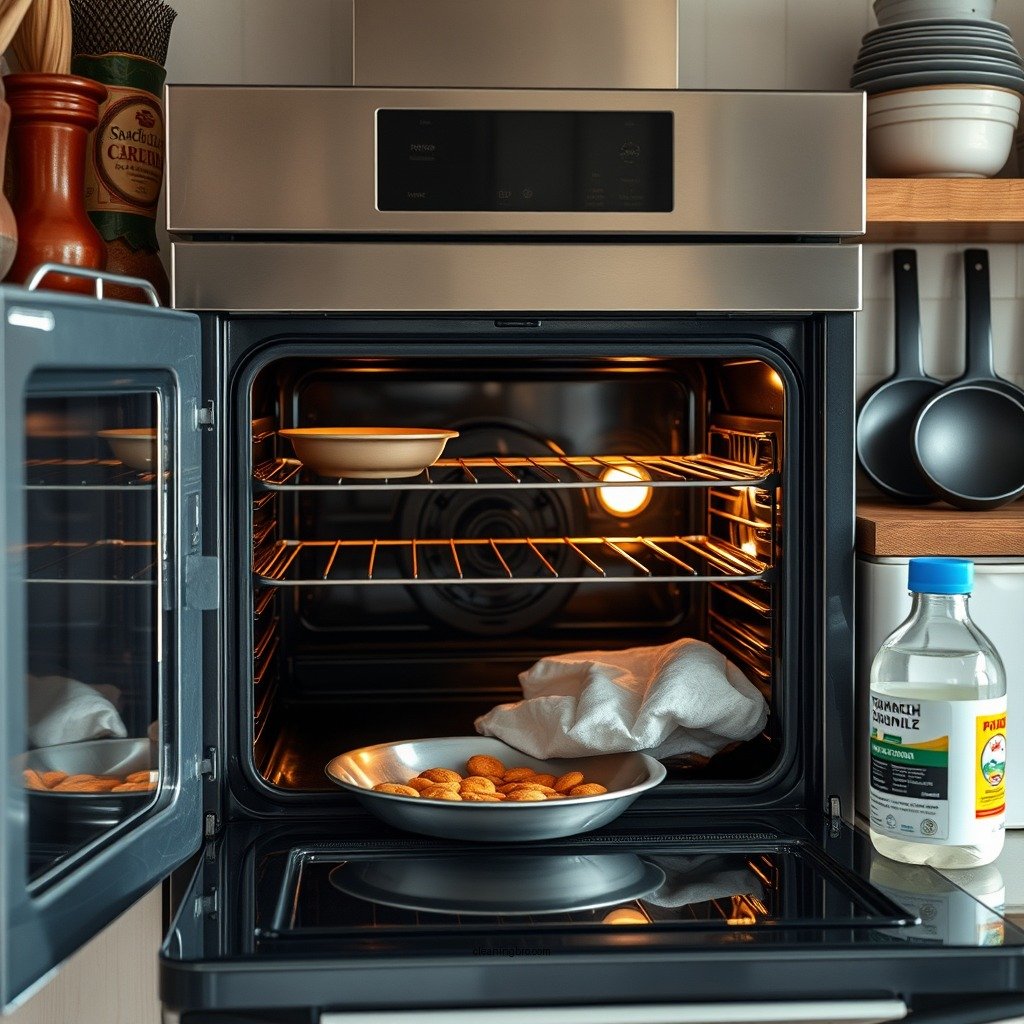
Proper preparation of your oven is crucial for achieving the best cleaning results.
– Remove oven racks: Start by taking out the oven racks. This allows you to clean them separately and gives you full access to the oven’s interior.
– Clear debris: Wipe away any loose food particles and crumbs from the bottom and sides of the oven. A clean surface helps the ammonia work more effectively.
Apply Ammonia
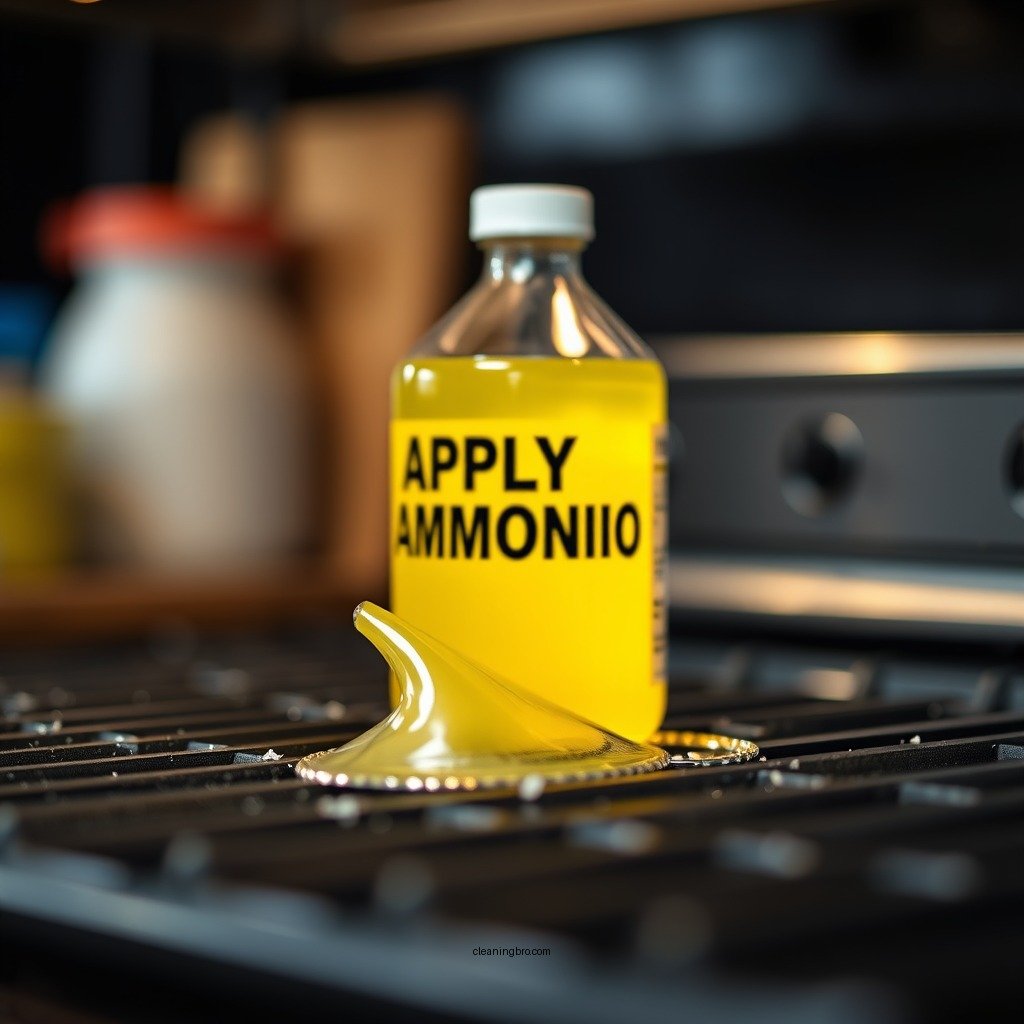
Once your oven is prepped, it’s time to apply the ammonia for cleaning.
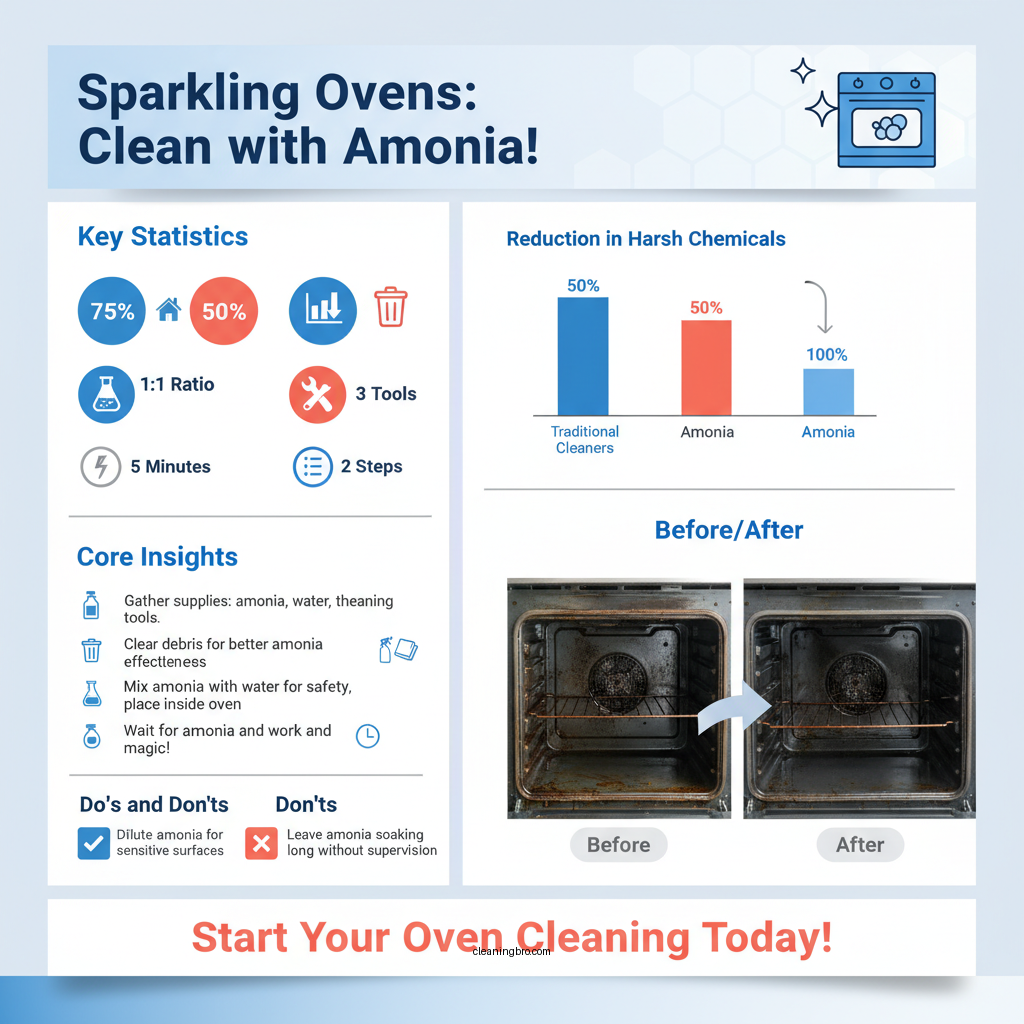
– Create a solution: Depending on the level of grime, you can either use ammonia straight or dilute it with water. A typical ratio is one part ammonia to one part water.
– Soak a cloth: Dip a cloth in the ammonia solution and place it inside the oven. Ensure that the cloth is sufficiently wet but not dripping, to avoid excessive pooling of ammonia.
Top 7 Household Cleaning Agents for Grease Removal (2023)
| # | Cleaning Agent | Effectiveness | Safety | Cost |
|---|---|---|---|---|
| 1 | Ammonia | ★★★★☆ | ✔ Safe with precautions | $3 |
| 2 | Baking Soda | ★★★★★ | ✔ Non-toxic | $1 |
| 3 | Vinegar | ★★★★☆ | ✔ Safe | $2 |
| 4 | Dish Soap | ★★★☆☆ | ✔ Safe | $4 |
| 5 | Lemon Juice | ★★★☆☆ | ✔ Non-toxic | $2 |
| 6 | Oven Cleaner Spray | ★★★★☆ | ✖ Chemical | $5 |
| 7 | Hydrogen Peroxide | ★★★★☆ | ✔ Safe | $3 |
Let It Sit
After applying ammonia, patience is key to achieving the best results.
– Time required: Allow the ammonia to sit for at least 12 hours, but preferably overnight. This extended exposure time allows the ammonia to effectively break down the grime and grease.
– Seal the oven: Close the oven door to trap the ammonia fumes inside. This step is crucial as it enhances the cleaning efficiency, as the fumes penetrate the dirt, loosening it for easy removal.
Clean the Oven
Once the waiting period is over, it’s time to clean the oven.
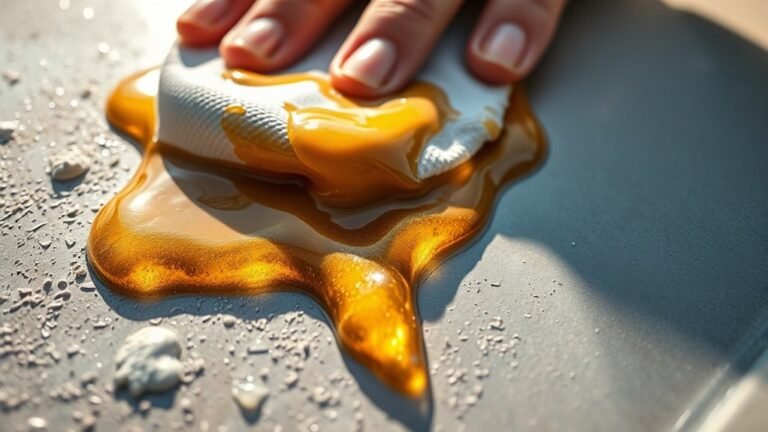
– Wipe down surfaces: Use a damp cloth to wipe away the ammonia and loosened grime. Ensure that you remove all residues to prevent any lingering ammonia smell.
– Scrub tough spots: For particularly stubborn areas, use a sponge or scrubbing brush. The combination of ammonia’s cleaning power and physical scrubbing will help eliminate any remaining debris.
Oven Cleaning Methods: Ammonia vs Baking Soda vs Commercial Cleaners
| Feature | ⭐ Ammonia | Baking Soda | Commercial Cleaners |
|---|---|---|---|
| Price | $3 | $1 | $5 |
| Effectiveness | ✅ High | ✅ Moderate | ✅ High |
| Time | 12+ hours | 2-4 hours | 30 minutes |
| Safety | ✔ Precautions needed | ✔ Non-toxic | ✖ Chemicals |
| Residue | ✔ Rinses clean | ✔ Rinses clean | ✔ Some residue |
| Ease of Use | Easy | Easy | Moderate |
| Odor | Strong | Mild | Varies |
| Environmental Impact | Moderate | Low | High |
| Availability | Widely available | Widely available | Common |
| 🏆 Best For | Heavy-duty cleaning | Gentle cleaning | Quick fixes |
Rinse and Final Touches
After thoroughly cleaning the oven, it’s essential to ensure that all cleaning agents are removed.
– Remove residue: Rinse your cloth frequently and ensure all ammonia is removed from the surfaces. This step is vital to avoid any lingering odors or chemical residues that could affect food safety.
– Replace oven racks: Once everything is clean and dry, carefully place the oven racks back into their original positions. This final touch completes the cleaning process and prepares your oven for its next use.
Using ammonia to clean your oven can save you time and effort while ensuring a thorough clean. By following these steps, you can achieve a sparkling oven without the need for harsh chemicals. Ready to give it a try? Gather your supplies and get started on your oven cleaning today!
Frequently Asked Questions
What is the best way to clean an oven with ammonia?
The best way to clean an oven with ammonia involves a simple process. First, pour half a cup of ammonia into a bowl and place it in the oven overnight. This will help to loosen tough grease and grime, making it easier to wipe clean the next day.
How long should I let ammonia sit in the oven for effective cleaning?
For effective cleaning, it’s recommended to let ammonia sit in the oven for at least 12 hours, preferably overnight. The longer the ammonia is allowed to work, the more it will break down baked-on food and grease, making your cleaning process much easier.
Why is ammonia effective for cleaning ovens?
Ammonia is effective for cleaning ovens because it is a powerful alkaline cleaner that can break down tough grease and carbon buildup. When combined with the heat from the oven, ammonia vaporizes and penetrates grime, allowing for easier removal with a cloth or sponge.
Which safety precautions should I take when using ammonia to clean my oven?
When using ammonia to clean your oven, it’s important to take safety precautions. Always work in a well-ventilated area to avoid inhaling fumes, wear gloves to protect your skin, and never mix ammonia with bleach, as this creates toxic fumes.
Can I use ammonia on self-cleaning ovens?
It is not recommended to use ammonia on self-cleaning ovens, as the high temperatures during the self-cleaning cycle can react negatively with ammonia. Instead, for self-cleaning ovens, it’s best to use the manufacturer’s cleaning instructions or a gentle cleaner specifically designed for that purpose.
References
- https://www.ncbi.nlm.nih.gov/pmc/articles/PMC6508701/
https://www.ncbi.nlm.nih.gov/pmc/articles/PMC6508701/ - https://pubmed.ncbi.nlm.nih.gov/29058024/
https://pubmed.ncbi.nlm.nih.gov/29058024/ - https://www.sciencedirect.com/topics/earth-and-planetary-sciences/ammonia
https://www.sciencedirect.com/topics/earth-and-planetary-sciences/ammonia - Ammonia | Definition, Preparation, Physical Properties, Chemical Reactivity, Derivatives & Uses |…
https://www.britannica.com/science/ammonia - https://www.abc.net.au/life/how-to-clean-your-oven-with-ammonia/12345834
https://www.abc.net.au/life/how-to-clean-your-oven-with-ammonia/12345834 - https://www.cdc.gov/niosh/topics/ammonia/default.html
https://www.cdc.gov/niosh/topics/ammonia/default.html - https://www.who.int/news-room/fact-sheets/detail/ammonia
https://www.who.int/news-room/fact-sheets/detail/ammonia - Google Scholar Google Scholar
https://scholar.google.com/scholar?q=how+to+clean+oven+with+ammonia - Google Scholar Google Scholar
https://scholar.google.com/scholar?q=oven+cleaning+ammonia+health+effects - Google Scholar Google Scholar
https://scholar.google.com/scholar?q=ammonia+cleaning+methods+oven