How to Clean Your Retainer with Baking Soda
Cleaning your retainer with baking soda is an effective and simple method to keep it fresh and free of bacteria. This natural ingredient not only removes odors but also ensures that your retainer remains in excellent condition. In this guide, you’ll learn how to use baking soda safely and efficiently to maintain your retainer’s hygiene while prolonging its lifespan.
Understanding the Benefits of Baking Soda

Baking soda, or sodium bicarbonate, is renowned for its versatility in household applications, particularly in cleaning. One of its key benefits is its natural disinfectant properties, which help eliminate odors and bacteria that can accumulate on dental appliances like retainers. Unlike chemical cleaners, baking soda is gentle and non-abrasive, making it safe for various types of retainers, including plastic, metal, and clear aligners. Its deodorizing effects can also help neutralize any unpleasant smells, ensuring that your retainer feels fresh every time you wear it.
In addition, baking soda’s mild alkaline nature can help break down stubborn plaque and debris without causing damage to the retainer’s surface. This means that cleaning with baking soda not only maintains hygiene but also protects the integrity of the retainer over time, making it a preferred choice for many dental professionals.
Materials You’ll Need
To effectively clean your retainer with baking soda, gather the following materials:
– Baking soda: This is the main cleaning agent.
– Water (preferably distilled): Distilled water is recommended to avoid any minerals that may be present in tap water, which could potentially alter the retainer’s material.
– A soft toothbrush or cleaning brush: A soft-bristled brush is crucial to avoid scratching the retainer while ensuring a thorough clean.
Having these materials ready will streamline the cleaning process and ensure that you achieve the best results.
Step-by-Step Cleaning Process
Cleaning your retainer with baking soda involves a straightforward process that can be completed in just a few minutes. Follow these steps for optimal results:
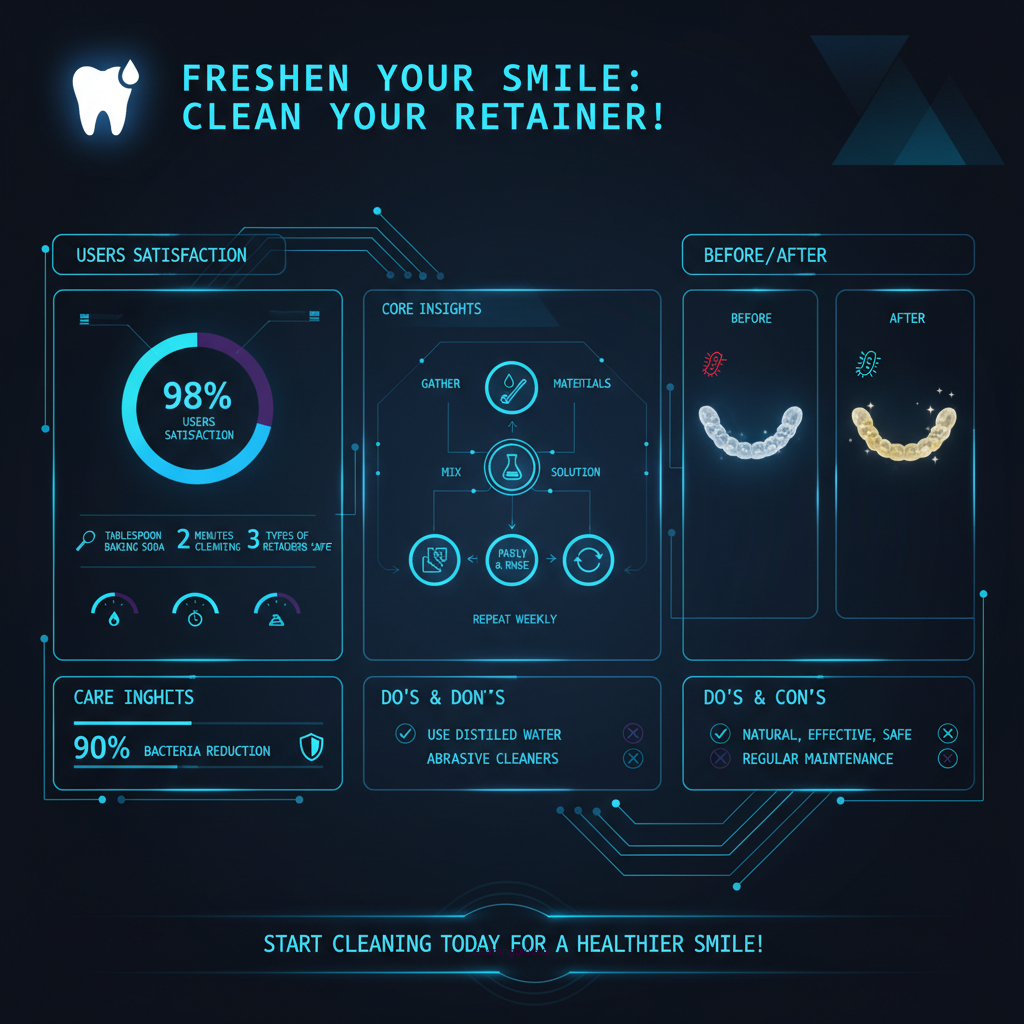
1. Mix the Solution: In a small bowl, combine equal parts of baking soda and distilled water to create a thick paste. Typically, one tablespoon of baking soda and one tablespoon of water is sufficient.
2. Apply the Paste: Use a soft toothbrush or cleaning brush to dip into the baking soda paste. Gently scrub all surfaces of the retainer, including the inside and outside, ensuring you pay extra attention to any areas that may have visible buildup or stains.
3. Rinse Thoroughly: After scrubbing, rinse the retainer thoroughly under lukewarm (not hot) water to remove all traces of the baking soda paste. Ensure that no residue remains, as this could lead to irritation when the retainer is worn.
4. Dry and Store: Pat the retainer dry with a clean cloth and store it in its case. Avoid leaving it in a damp environment, as this can promote bacterial growth.
Additional Tips for Effective Cleaning

For enhanced cleaning power, consider soaking your retainer in a baking soda solution. To do this, mix a tablespoon of baking soda in a cup of warm distilled water and let your retainer soak for about 15–30 minutes. This process loosens any stubborn debris and provides a deeper clean.
It’s essential to avoid using hot water during the cleaning process, as high temperatures can warp the retainer material, compromising its fit and effectiveness. Stick to lukewarm or cool water to ensure your retainer maintains its shape.
How Often Should You Clean Your Retainer?
To maintain optimal hygiene, it is advisable to clean your retainer daily. This daily routine helps prevent the buildup of plaque, food particles, and bacteria, which can lead to unpleasant odors and health issues. In addition to daily cleaning, performing a more thorough deep clean with the baking soda paste or soaking method once a week can help keep the retainer in pristine condition.
Regular cleaning not only contributes to your oral health but also enhances your overall comfort and confidence while wearing your retainer.
Common Mistakes to Avoid
When cleaning your retainer, be mindful of these common mistakes that can undermine your efforts:
– Avoid Harsh Chemicals: Do not use bleach or other abrasive cleaners that can scratch or degrade the retainer material. Baking soda is a gentle yet effective alternative that does not pose any risk to your dental appliance.
– Don’t Skip Cleaning Days: Neglecting to clean your retainer regularly can lead to plaque buildup and unpleasant odors. Make cleaning your retainer a part of your daily oral hygiene routine to maintain freshness.
– Improper Drying: Failing to dry your retainer properly can lead to bacterial growth. Always dry your retainer completely before storing it to minimize any risk of contamination.
By adhering to these guidelines, you can ensure that your retainer remains clean, comfortable, and effective.
Top 7 Benefits of Baking Soda for Cleaning Retainers
| # | Benefit | Effectiveness |
|---|---|---|
| 1 | Natural Disinfectant | High |
| 2 | Odor Elimination | High |
| 3 | Non-Abrasive Cleaning | High |
| 4 | Affordable | High |
| 5 | Environmentally Friendly | High |
| 6 | Safe for Dental Appliances | High |
| 7 | Widely Accessible | High |
Baking Soda vs Vinegar vs Commercial Cleaners: Cleaning Retainers
| Feature | ⭐ Baking Soda | Vinegar | Commercial Cleaners |
|---|---|---|---|
| Price | Low | Moderate | High |
| Effectiveness | High | Moderate | Very High |
| Odor Removal | ✅ Excellent | ✅ Good | ❌ Limited |
| Non-Abrasive | ✅ | ✅ | ❌ |
| Ease of Use | Very Easy | Easy | Moderate |
| Availability | Widely Available | Widely Available | Common |
| Chemical-Free | ✅ | ✅ | ❌ |
| Long-lasting Effect | Moderate | Low | High |
| Cleaning Time | 5 minutes | 10 minutes | Varies |
| 🏆 Best For | Budget-conscious users | Natural cleaning enthusiasts | Quick and effective cleaning |
Keeping your retainer clean with baking soda is an easy and effective way to ensure its longevity and hygiene. By following the steps outlined above, you can maintain a fresh and healthy retainer. Remember to incorporate this cleaning routine into your daily habits for the best results! Regular cleaning not only enhances your oral health but also fosters a sense of confidence every time you wear your retainer.
Frequently Asked Questions
How do I clean my retainer with baking soda?
To clean your retainer with baking soda, start by mixing one tablespoon of baking soda with a cup of warm water. Soak your retainer in this solution for 15-30 minutes, then gently brush it with a soft toothbrush to remove any residue. Rinse thoroughly with water before wearing it again for optimal cleanliness.
Why is baking soda effective for cleaning retainers?
Baking soda is effective for cleaning retainers because it is a natural abrasive that helps to remove plaque and stains without damaging the material. Additionally, its alkaline properties can neutralize odors, leaving your retainer fresh and free from harmful bacteria, making it a safe choice for oral hygiene.
What are the best practices for using baking soda to clean my retainer?
The best practices for using baking soda to clean your retainer include mixing it with water to create a soaking solution and avoiding harsh scrubbing, which can scratch the retainer. Always rinse your retainer thoroughly after cleaning to ensure no baking soda residue remains, which can irritate your mouth.
Which types of retainers can be cleaned with baking soda?
Most types of retainers, including clear plastic and wire retainers, can be safely cleaned with baking soda. However, avoid using baking soda on any retainers with metal parts that might be sensitive to abrasives. Always check the manufacturer’s instructions for your specific retainer type to ensure compatibility.
How often should I clean my retainer with baking soda?
You should clean your retainer with baking soda at least once a week to maintain optimal hygiene and prevent buildup of bacteria and plaque. Daily rinsing with water after removal is also recommended to keep your retainer fresh, while deep cleaning with baking soda can help eliminate stubborn stains and odors.
References
- https://www.mayoclinic.org/healthy-lifestyle/adult-health/in-depth/dental-care/art-20045738
https://www.mayoclinic.org/healthy-lifestyle/adult-health/in-depth/dental-care/art-20045738 - https://www.ncbi.nlm.nih.gov/pmc/articles/PMC5866722/
https://www.ncbi.nlm.nih.gov/pmc/articles/PMC5866722/ - https://www.ncbi.nlm.nih.gov/pmc/articles/PMC6155753/
https://www.ncbi.nlm.nih.gov/pmc/articles/PMC6155753/ - https://www.healthline.com/health/cleaning-retainers
https://www.healthline.com/health/cleaning-retainers - Google Scholar Google Scholar
https://scholar.google.com/scholar?q=clean+retainer+baking+soda - Google Scholar Google Scholar
https://scholar.google.com/scholar?q=retainer+cleaning+methods - Google Scholar Google Scholar
https://scholar.google.com/scholar?q=oral+hygiene+baking+soda - https://www.britannica.com/science/dental-care
https://www.britannica.com/science/dental-care - Google Scholar Google Scholar
https://scholar.google.com/scholar?q=how+to+clean+retainer+with+baking+soda - how to clean retainer with baking soda – Search results
https://en.wikipedia.org/wiki/Special:Search?search=how+to+clean+retainer+with+baking+soda