How to Clean Your RO Water Tank: A Step-by-Step Guide
Cleaning your RO (Reverse Osmosis) water tank is crucial for ensuring the purity and safety of your drinking water. Regular maintenance helps eliminate contaminants, bacteria, and sediment that can accumulate over time. In this detailed guide, we will walk you through a systematic cleaning process, encompassing draining, scrubbing, and sanitizing your RO water tank to keep it in optimal condition.
Understanding the Importance of Cleaning an RO Water Tank
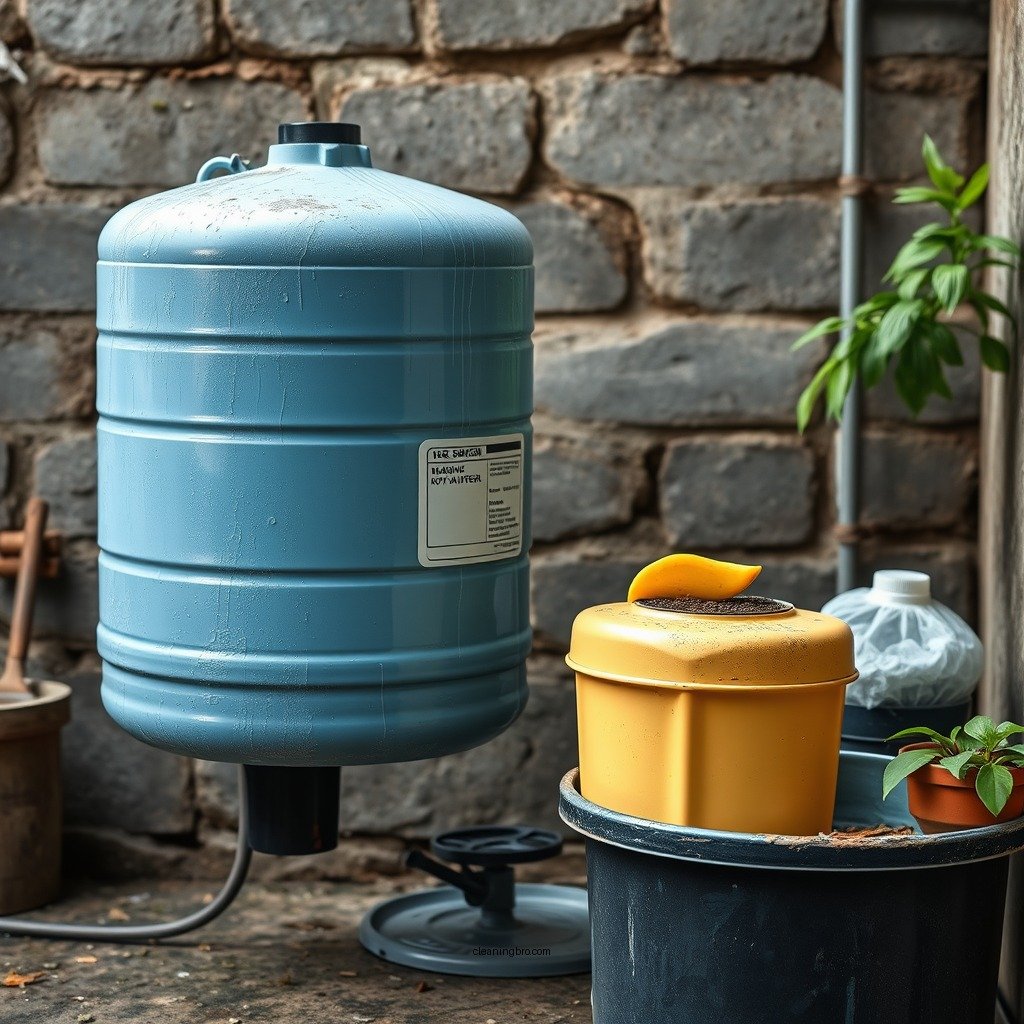
The significance of cleaning your RO water tank cannot be overstated. Over time, water tanks can become breeding grounds for bacteria, algae, and other harmful microorganisms. Regular cleaning not only prevents contamination but also ensures that the water you consume is safe and free from impurities. Additionally, sediment and mineral deposits can accumulate, potentially affecting the efficiency of your RO system and compromising water quality. By maintaining a clean tank, you ensure that your drinking water remains pure, safe, and healthy for you and your family.
Gathering Necessary Cleaning Supplies
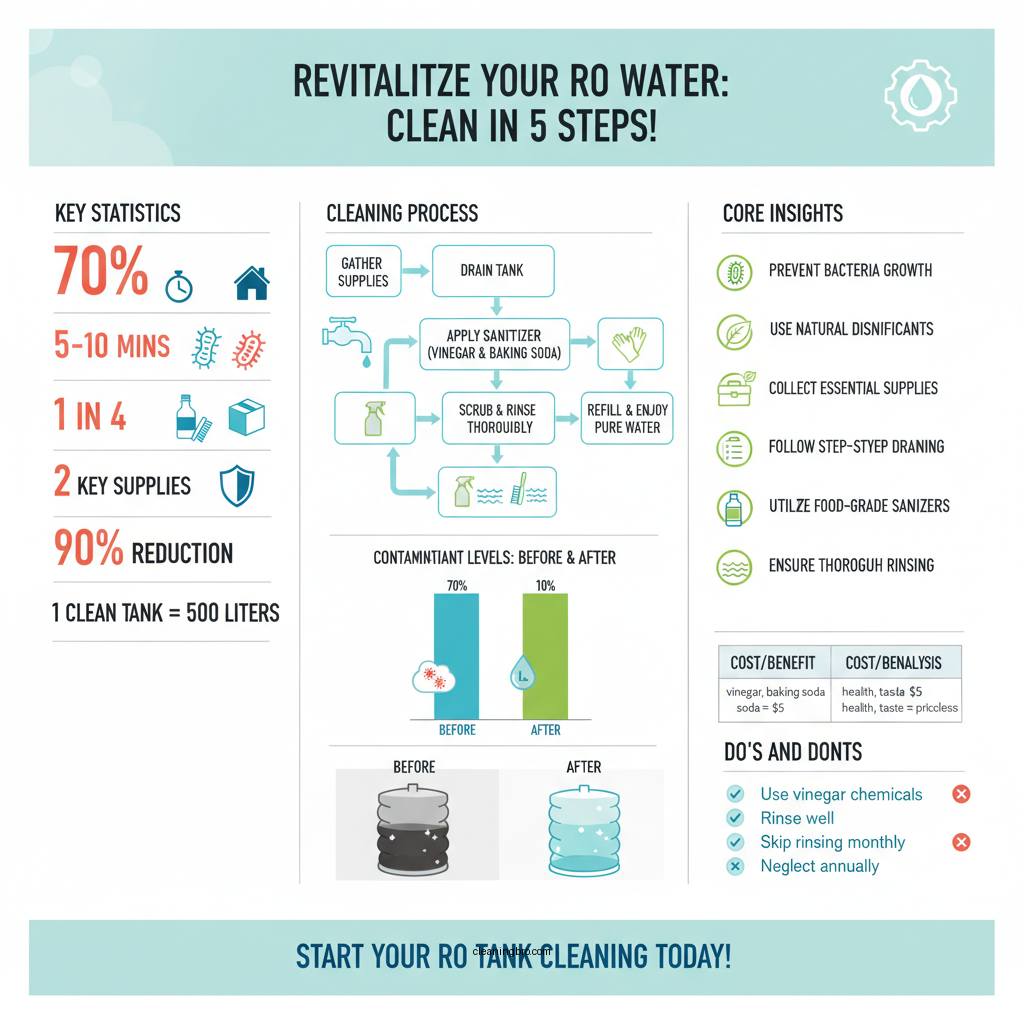
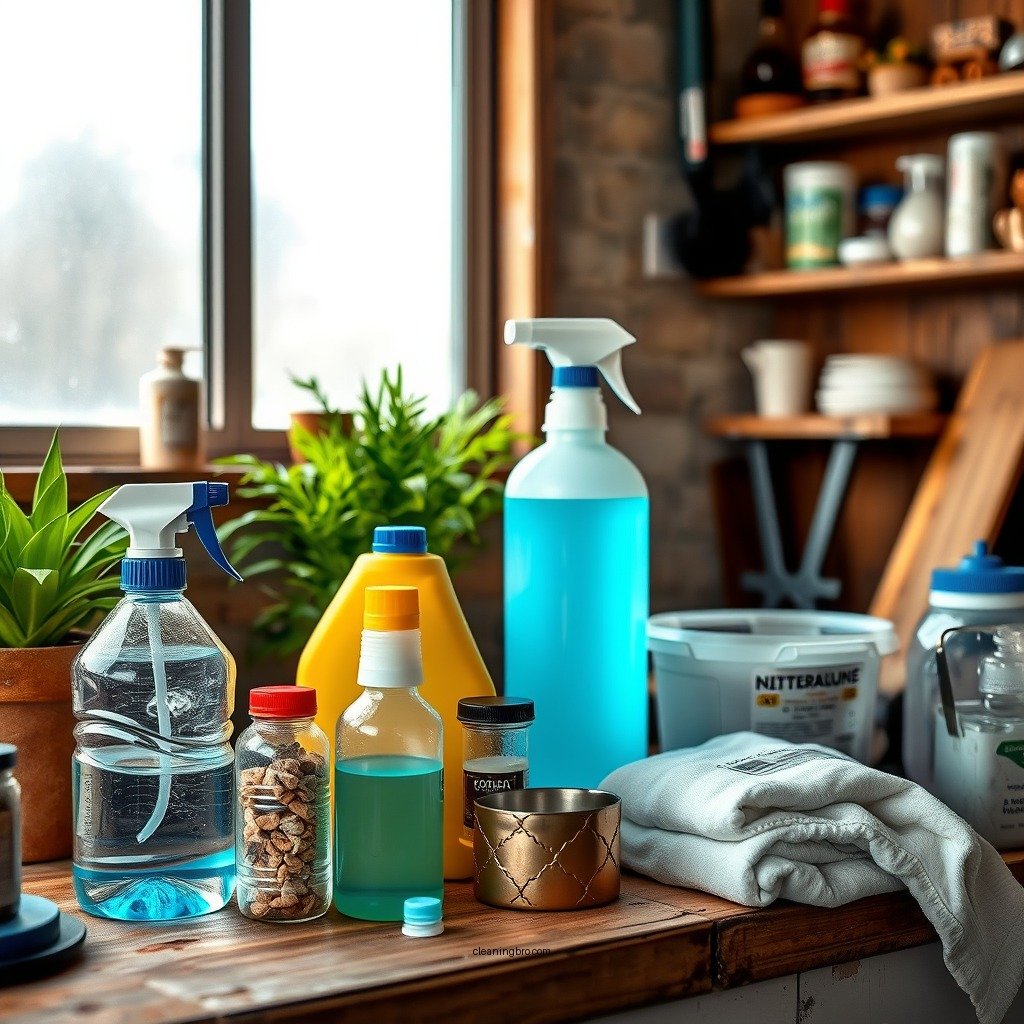
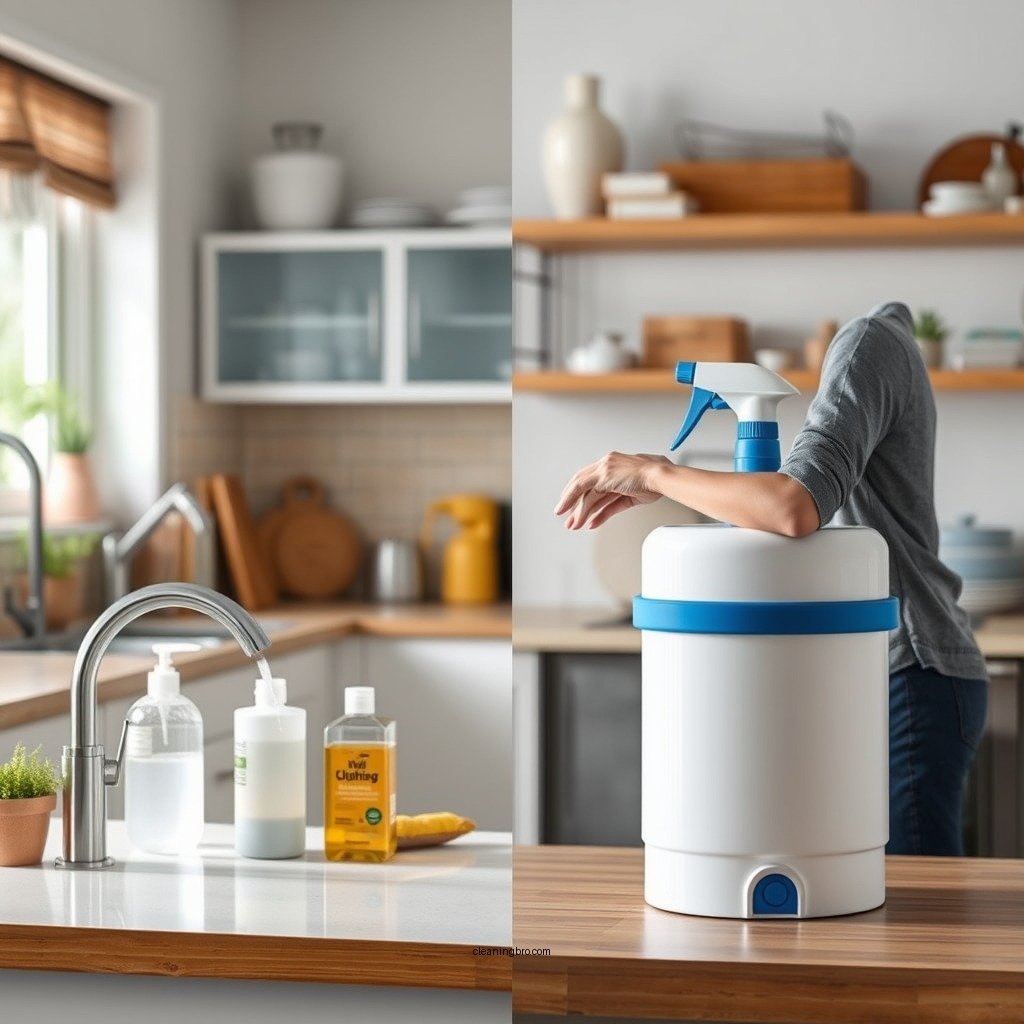
Before you begin the cleaning process, it is essential to gather all the necessary cleaning supplies. The following is a list of materials you will need:
– Vinegar: A natural disinfectant that helps remove mineral deposits.
– Baking soda: Effective for scrubbing and deodorizing.
– Scrub brushes: Preferably with long handles to reach into the tank’s corners.
– Rubber gloves: To protect your hands from cleaning agents and bacteria.
– Food-grade sanitizer: Ensure that any sanitizer used is safe for food contact to avoid harmful residues.
Using food-grade sanitizers is crucial as they help eliminate pathogens without leaving toxic residues. This ensures that your drinking water remains safe post-cleaning.
Step-by-Step Process for Draining the Tank
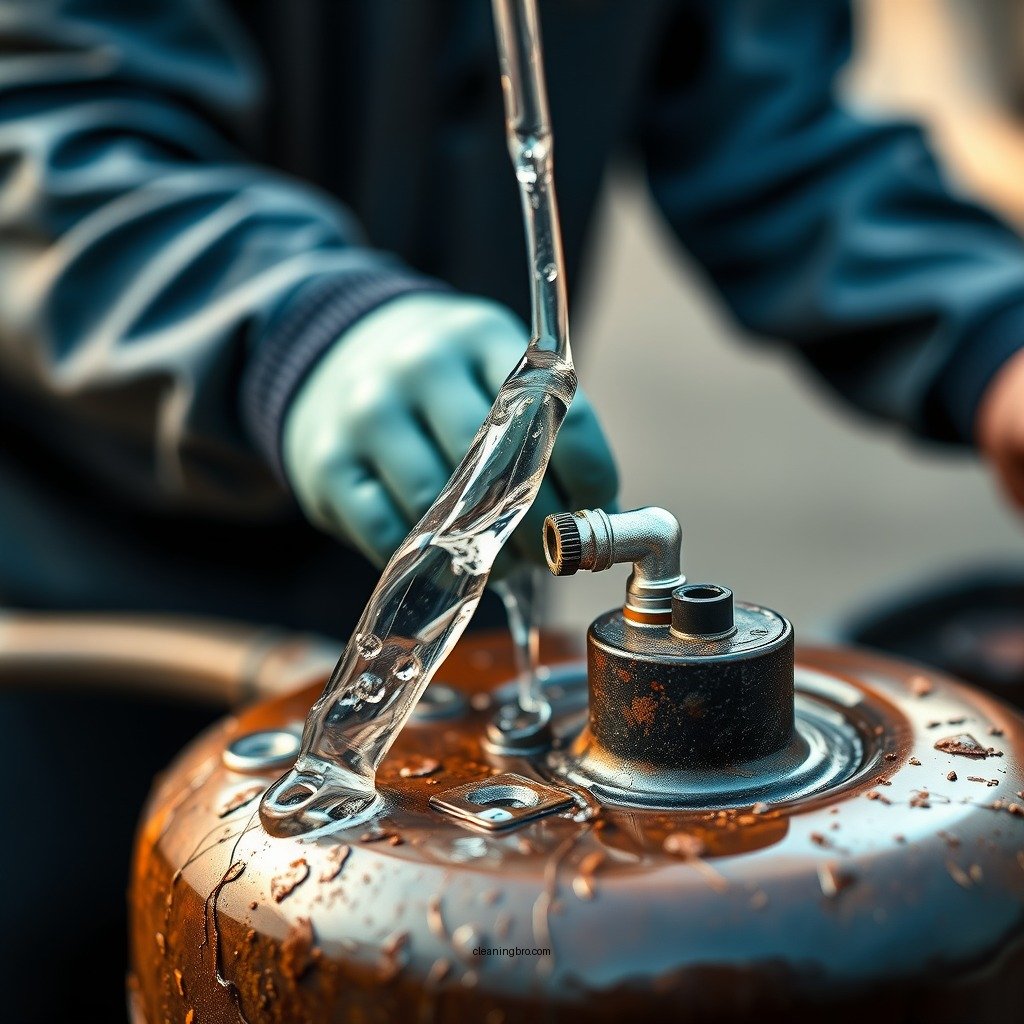
Draining your RO water tank is the first step in the cleaning process. Follow these instructions for a safe and effective drain:
1. Turn Off the RO System: Locate the power supply and switch off the RO system to prevent any accidental activation during cleaning.
2. Close the Water Supply: Shut off the incoming water supply to the tank to stop any refilling while you clean.
3. Open the Faucet: Open the RO faucet to release pressure and allow the water to drain completely.
4. Disconnect the Tank: Depending on your system, you may need to disconnect the tank from the system. Consult your manual for specific instructions.
5. Drain Completely: Ensure that all water is drained from the tank before proceeding to the next step. This may involve tilting the tank to remove any residual water.
Following these steps ensures that you start with a dry tank, making the cleaning process more effective.
Common Contaminants Found in RO Water Tanks
| # | Contaminants | Health Risks | Removal Method |
|---|---|---|---|
| 1 | Bacteria | Infection, illness | Sanitization |
| 2 | Algae | Toxicity, allergies | Physical removal |
| 3 | Sediment | Water quality issues | Brushing, rinsing |
| 4 | Mineral Deposits | Taste issues | Vinegar solution |
| 5 | Chemical Residues | Health risks | Thorough rinsing |
| 6 | Organic Matter | Health concerns | Physical removal |
| 7 | Biofilm | Digestive issues | Scrubbing, sanitizing |
Scrubbing the Interior of the Tank
With the tank drained, it’s time to scrub the interior thoroughly. Follow these steps for effective cleaning:
1. Prepare Your Cleaning Solution: Mix equal parts of vinegar and water to create a natural cleaning solution. For stubborn stains, you can add a few tablespoons of baking soda.
2. Use the Right Tools: A long-handled scrub brush is ideal for reaching the bottom and corners of the tank. Ensure that the brush is soft enough not to scratch the tank’s surface.
3. Scrub Thoroughly: Begin scrubbing the interior, paying special attention to corners and crevices where build-up may occur. Use circular motions to effectively dislodge any deposits.
4. Rinse: After scrubbing, rinse the tank thoroughly with clean water to remove any remaining cleaning solution and debris. It is important to ensure that no residues remain.
By scrubbing the tank thoroughly, you help prevent future contamination and ensure that any potential build-up is removed.
Sanitizing the Tank Properly
Sanitizing is a critical step to ensure the tank is free from harmful microorganisms. Here’s how to do it effectively:
1. Choose the Right Sanitizer: Use a food-grade sanitizer that is safe for water systems. Common options include hydrogen peroxide solutions or specific water treatment products.
2. Follow the Instructions: Dilute the sanitizer according to the manufacturer’s instructions for effective use.
3. Apply the Solution: Pour the sanitizer into the tank, ensuring it coats all surfaces. Let the solution sit for the recommended time to effectively kill bacteria and germs.
4. Rinse Again: After sanitizing, rinse the tank thoroughly with clean water multiple times until there is no smell or taste of the sanitizer left.
Proper sanitization is essential to ensure that your drinking water is safe and free from harmful pathogens.
Reassembling and Testing the System
After the tank has been cleaned and sanitized, it’s time to reassemble your RO system:
1. Reconnect the Tank: Carefully reconnect the tank to the RO system according to the manufacturer’s instructions.
2. Open Water Supply: Turn the water supply back on, allowing the tank to refill.
3. Check for Leaks: Inspect all connections and fittings for leaks to ensure everything is sealed properly.
4. Test Water Quality: Once the tank is full, test the water quality using a water testing kit. This will help ensure that the cleaning process has been successful and that the water is safe to drink.
Testing the water quality after cleaning not only provides peace of mind but also confirms that your cleaning efforts were effective.
Maintaining a Cleaning Schedule
To ensure the longevity of your RO system and the quality of your drinking water, it’s important to establish a regular cleaning schedule. Here are some recommendations:
– Frequency: Clean your RO water tank every 6 months or at least once a year, depending on your water quality and usage.
– Monitor Water Quality: Regularly test your water quality to identify any potential issues early on.
– Document Your Cleaning: Keep a log of when you clean and maintain the system, noting any issues that arise. This can help track patterns and inform future maintenance.
Regular maintenance is vital for long-term water quality and the efficiency of your RO system. By adhering to a schedule, you can prevent significant build-up and ensure safe drinking water year-round.
Keeping your RO water tank clean is vital for ensuring the health and safety of your drinking water. By following the steps outlined in this guide, you can maintain a clean and efficient water system. Don’t forget to set a cleaning schedule, and make sure to check your water quality regularly to enjoy fresh, safe drinking water.
Frequently Asked Questions
What are the steps to clean an RO water tank effectively?
To clean an RO water tank effectively, begin by draining the tank completely. Next, use a mixture of warm water and a few drops of mild detergent to scrub the interior surfaces. Rinse thoroughly with clean water to remove any soap residue, and allow the tank to dry before refilling it with purified water.
How often should I clean my RO water tank?
It is recommended to clean your RO water tank every six months to ensure optimal water quality and prevent contamination. Regular cleaning helps remove any sediment, algae, or bacteria that may develop over time, maintaining the efficiency of your RO system.
Why is it important to clean the RO water tank regularly?
Regular cleaning of the RO water tank is crucial to prevent the buildup of harmful contaminants, such as bacteria and mold, which can compromise water quality. Additionally, it helps maintain the efficiency of the reverse osmosis system, ensuring that you receive clean and safe drinking water.
What is the best cleaning solution for an RO water tank?
The best cleaning solution for an RO water tank is a mixture of vinegar and water, typically in a 1:1 ratio, as it effectively removes mineral deposits and disinfects surfaces. Alternatively, you can use a diluted bleach solution, but ensure to rinse thoroughly afterward to eliminate any chemical residues.
Which tools do I need to clean my RO water tank?
To clean your RO water tank, you will need a soft brush or sponge, a bucket for mixing your cleaning solution, and a hose for rinsing. Additionally, having gloves on hand will protect your hands while handling cleaning agents and scrubbing the tank surfaces.
References
- Drinking-water
https://www.who.int/news-room/fact-sheets/detail/drinking-water - https://www.cdc.gov/healthywater/drinking/home-water-treatment.html
https://www.cdc.gov/healthywater/drinking/home-water-treatment.html - https://www.epa.gov/safewater/cleaning-and-maintaining-your-water-storage-tank
https://www.epa.gov/safewater/cleaning-and-maintaining-your-water-storage-tank - https://www.mayoclinic.org/healthy-lifestyle/adult-health/in-depth/water-facts/art-20044437
https://www.mayoclinic.org/healthy-lifestyle/adult-health/in-depth/water-facts/art-20044437 - https://www.ncbi.nlm.nih.gov/pmc/articles/PMC6417275/
https://www.ncbi.nlm.nih.gov/pmc/articles/PMC6417275/ - https://www.sciencedirect.com/topics/agricultural-and-biological-sciences/water-tank
https://www.sciencedirect.com/topics/agricultural-and-biological-sciences/water-tank - Water | Definition, Chemical Formula, Structure, Molecule, & Facts | Britannica
https://www.britannica.com/science/water - Google Scholar Google Scholar
https://scholar.google.com/scholar?q=cleaning+RO+water+tank - Google Scholar Google Scholar
https://scholar.google.com/scholar?q=water+tank+maintenance - Google Scholar Google Scholar
https://scholar.google.com/scholar?q=RO+water+tank+cleaning+methods