How to Clean Your Tongue Without Gagging: Effective Techniques
Cleaning your tongue without gagging is entirely possible with the right techniques and tools. By utilizing gentle methods and focusing on comfort, you can maintain excellent oral hygiene without triggering the discomfort of a gag reflex. This article will guide you through effective strategies to effortlessly clean your tongue, ensuring a fresher breath and enhanced taste sensation.
Understanding the Importance of Tongue Cleaning

Cleaning your tongue is a critical component of maintaining overall oral hygiene. The surface of your tongue can harbor bacteria, food particles, and dead cells, which can contribute to bad breath and other oral health issues. According to dental health professionals, tongue cleaning removes these harmful substances, leading to a healthier mouth and better breath. Additionally, a clean tongue can improve your taste sensation, allowing you to enjoy food more fully. Regular tongue cleaning is a simple yet effective way to enhance your oral care routine.
Choosing the Right Tools
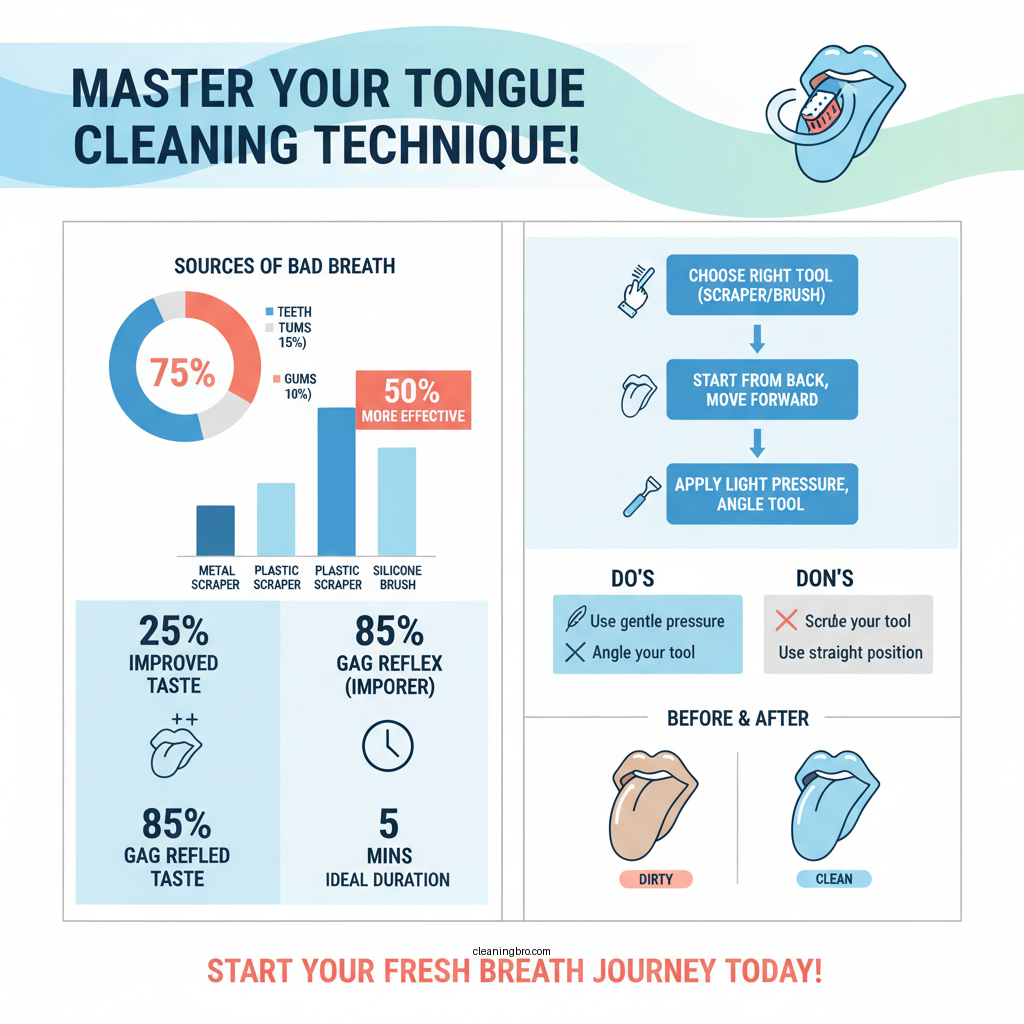

Choosing the right tools for tongue cleaning is essential for maximizing effectiveness while minimizing discomfort. There are several options available on the market, including tongue scrapers and brushes.
1. Tongue Scrapers: These are specifically designed for cleaning the tongue’s surface. They come in various materials—plastic, metal, and silicone. Metal scrapers are often considered the most effective due to their durability and ease of cleaning, while silicone options are gentler and may be preferable for those sensitive to gagging.
2. Tongue Brushes: These resemble standard toothbrushes but are designed with softer bristles and a wider head to cover more area of the tongue. They can be a good alternative for individuals who prefer a brushing motion over scraping.
When selecting a tool, consider comfort, ease of use, and your personal preferences. Experimenting with different options may help you find the one that works best for you.
Techniques for Gentle Tongue Cleaning
Employing the right techniques is vital to cleaning your tongue without triggering your gag reflex. Here are some effective methods:
– Start from the Back and Move Forward: Begin cleaning from the back of your tongue and gently move forward. This technique can help reduce the sensation that often leads to gagging.
– Use Light Pressure: Apply gentle pressure when scraping or brushing your tongue. This minimizes discomfort and allows for a more pleasant experience. Avoid aggressive scrubbing, which can irritate the tongue and throat.
– Angle Your Tool: Position your tongue scraper or brush at a slight angle rather than perpendicular to your tongue. This can help you cover more surface area while reducing the risk of triggering the gag reflex.
– Limit Cleaning Time: Keep the duration of your cleaning session short, around 10 to 15 seconds. This can help you avoid overwhelming sensations that might induce gagging.
Top 7 Tongue Cleaning Tools (2024)
| # | Tool | Material | Effectiveness | Price |
|---|---|---|---|---|
| 1 | Orabrush | Plastic | High | $4.99 |
| 2 | GUM Tongue Cleaner | Silicone | Medium | $5.50 |
| 3 | Dr. Tung’s | Stainless Steel | High | $10.99 |
| 4 | The Breath Company | Plastic | Medium | $6.50 |
| 5 | Listerine Tongue Scraper | Plastic | High | $3.99 |
| 6 | Colgate Tongue Cleaner | Plastic | Medium | $2.99 |
| 7 | Oclean Tongue Scraper | Silicone | High | $9.99 |
Breathing and Relaxation Tips
Managing your breathing and incorporating relaxation techniques can significantly enhance your tongue cleaning experience. Here are some strategies to help you:
– Deep Breathing Techniques: Before starting, take a moment to practice deep breathing. Inhale slowly through your nose, allowing your abdomen to expand, and then exhale gently through your mouth. This process can help calm your nerves and reduce the likelihood of gagging.
– Distractions: While cleaning your tongue, consider listening to music or a podcast. Engaging your mind in this way can help distract you from the sensations in your throat, making the process feel more comfortable.
– Practice Mindfulness: Being mindful of your surroundings and focusing on the act of cleaning your tongue can also help. Concentrate on the sensations in your mouth and the tools you are using, allowing yourself to become more comfortable with the process over time.
Incorporating Tongue Cleaning into Your Routine
To maximize the benefits of tongue cleaning, it’s essential to incorporate it into your daily oral hygiene routine:
– Set a Regular Schedule: Choose specific times to clean your tongue, such as after brushing your teeth in the morning or before bed. Consistency will help make it a habit and ensure you do not skip this critical step.
– Pair with Tooth Brushing: Integrate tongue cleaning with your tooth-brushing routine. After brushing, use your tongue cleaner to remove any remaining debris from your tongue. This comprehensive approach guarantees a cleaner mouth and fresher breath.
Common Mistakes to Avoid
Even with the best intentions, it’s easy to make common mistakes while cleaning your tongue. Avoid these pitfalls:
– Using Too Much Force: Applying too much pressure with your tongue cleaner can trigger the gag reflex. Instead, use a light touch and allow the tool to do the work.
– Neglecting Tongue Cleaning: Skipping tongue cleaning entirely can lead to poor oral hygiene. Remember, cleaning your tongue is as crucial as brushing your teeth and flossing.
– Ignoring Sensations: If you feel discomfort while cleaning your tongue, stop and assess your technique or switch tools. Listening to your body is vital for a positive experience.
Tongue Cleaner Comparison: Orabrush vs. GUM vs. Dr. Tung’s
| Feature | ⭐ Orabrush | GUM | Dr. Tung’s |
|---|---|---|---|
| Material | Plastic | Silicone | Stainless Steel |
| Effectiveness | ✅ High | ✅ Medium | ✅ High |
| Price | $4.99 | $5.50 | $10.99 |
| Gentleness | ✅ Gentle | ✅ Gentle | ✅ Very Gentle |
| Durability | Moderate | High | Very High |
| User Ratings | ★★★★☆ | ★★★☆☆ | ★★★★★ |
| Ease of Use | Easy | Moderate | Easy |
| Availability | Widely Available | Moderately Available | Widely Available |
| Sustainability | Moderate | High | High |
| 🏆 Best For | General Use | Sensitive Users | Durability Seekers |
Alternatives to Traditional Tongue Cleaning
If traditional tongue cleaning methods don’t suit you, there are several alternatives worth considering:
– Mouthwash or Oral Rinses: Using an antibacterial mouthwash can help reduce bacteria on the tongue. While it may not physically scrub the surface, it can be a valuable supplementary option in your oral hygiene routine.
– Natural Remedies: Baking soda is a gentle abrasive that can be used to clean your tongue. Mixing it with water to create a paste and applying it lightly on the tongue can help remove debris and odors without harsh chemicals.
– Hydrogen Peroxide Solution: Diluting hydrogen peroxide with water can provide an effective rinse that helps in killing bacteria. However, it should be used cautiously and not swallowed.
By exploring these alternatives, you may find a method that aligns better with your preferences and comfort levels.
Cleaning your tongue without gagging can be easily achieved with the right approach and techniques. By understanding the importance of this practice and employing gentle methods, you can enhance your oral hygiene effectively. Don’t forget to choose the right tools and incorporate tongue cleaning into your daily routine for the best results!
Frequently Asked Questions
How can I clean my tongue without gagging?
To clean your tongue without inducing the gag reflex, try using a tongue scraper that has a comfortable grip and a gentle edge. Start at the back of your tongue and gently work your way forward, applying light pressure. Additionally, breathing through your nose can help minimize the gag reflex during the process.
What are the best tools for cleaning my tongue effectively?
The best tools for cleaning your tongue include tongue scrapers made of plastic or stainless steel and soft-bristled toothbrushes designed for tongue cleaning. Choose a tool that feels comfortable and allows you to reach the back of your tongue without discomfort. Regular use of these tools can significantly improve oral hygiene and freshen your breath.
Why is it important to clean my tongue regularly?
Cleaning your tongue regularly is essential for maintaining oral health, as it helps remove bacteria, food particles, and dead cells that can cause bad breath and contribute to dental issues. A clean tongue can also enhance your taste perception and overall mouth freshness. Incorporating tongue cleaning into your daily routine can lead to improved overall oral hygiene.
Which techniques can help me avoid gagging while cleaning my tongue?
To avoid gagging while cleaning your tongue, try tilting your head forward slightly and sticking out your tongue as far as comfortable. Use a gentle motion when scraping or brushing, and consider using a tongue cleaner that has a curved design to reduce discomfort. Taking slow, deep breaths through your nose can also help you relax and minimize the gag reflex.
What are some natural alternatives for cleaning my tongue?
Natural alternatives for cleaning your tongue include using a mixture of baking soda and water to create a paste, which can be applied with a soft cloth or your finger. You can also use coconut oil as a natural tongue cleaner, as it has antibacterial properties. These methods can be effective in promoting oral health while avoiding the harshness of chemical products.
References
- https://www.mayoclinic.org/healthy-lifestyle/adult-health/expert-answers/tongue-cleaning/faq-20057838
https://www.mayoclinic.org/healthy-lifestyle/adult-health/expert-answers/tongue-cleaning/faq-20057838 - https://www.ncbi.nlm.nih.gov/pmc/articles/PMC6116555/
https://www.ncbi.nlm.nih.gov/pmc/articles/PMC6116555/ - https://www.ncbi.nlm.nih.gov/pmc/articles/PMC3197305/
https://www.ncbi.nlm.nih.gov/pmc/articles/PMC3197305/ - https://www.cdc.gov/oralhealth/conditions/tongue-health.html
https://www.cdc.gov/oralhealth/conditions/tongue-health.html - Oral health
https://www.who.int/news-room/questions-and-answers/item/oral-health - Tongue | Description & Facts | Britannica
https://www.britannica.com/science/tongue - Google Scholar Google Scholar
https://scholar.google.com/scholar?q=cleaning+your+tongue+without+gagging - Google Scholar Google Scholar
https://scholar.google.com/scholar?q=tongue+cleaning+techniques - Google Scholar Google Scholar
https://scholar.google.com/scholar?q=tongue+health+and+gagging - https://www.healthline.com/health/tongue-scraping#how-to-do-it
https://www.healthline.com/health/tongue-scraping#how-to-do-it