
How to Clear a Floor Drain: Step-by-Step Guide
Clearing a floor drain is a straightforward process that can save you from unpleasant odors and potential flooding. By using the right tools and techniques, you can effectively remove clogs and ensure proper drainage. In this guide, you’ll learn essential steps to clear your floor drain efficiently.
Understanding Floor Drains

Floor drains are essential plumbing fixtures designed to remove excess water and prevent flooding in various spaces. They are commonly found in areas prone to water accumulation, such as basements, garages, laundry rooms, and commercial kitchens. The design of these drains allows water to flow away from the floor, minimizing the risk of damage and creating a safer environment. However, over time, debris, hair, grease, and other substances can accumulate, leading to clogs and drainage issues.
Recognizing the importance of regular maintenance and effective clearing techniques is vital to ensure floor drains function optimally. Neglecting these drains can lead to unpleasant odors, increased humidity, and even structural damage due to water buildup. Understanding the anatomy of your floor drain and the common issues associated with it will empower you to tackle clogs effectively.
Tools You’ll Need
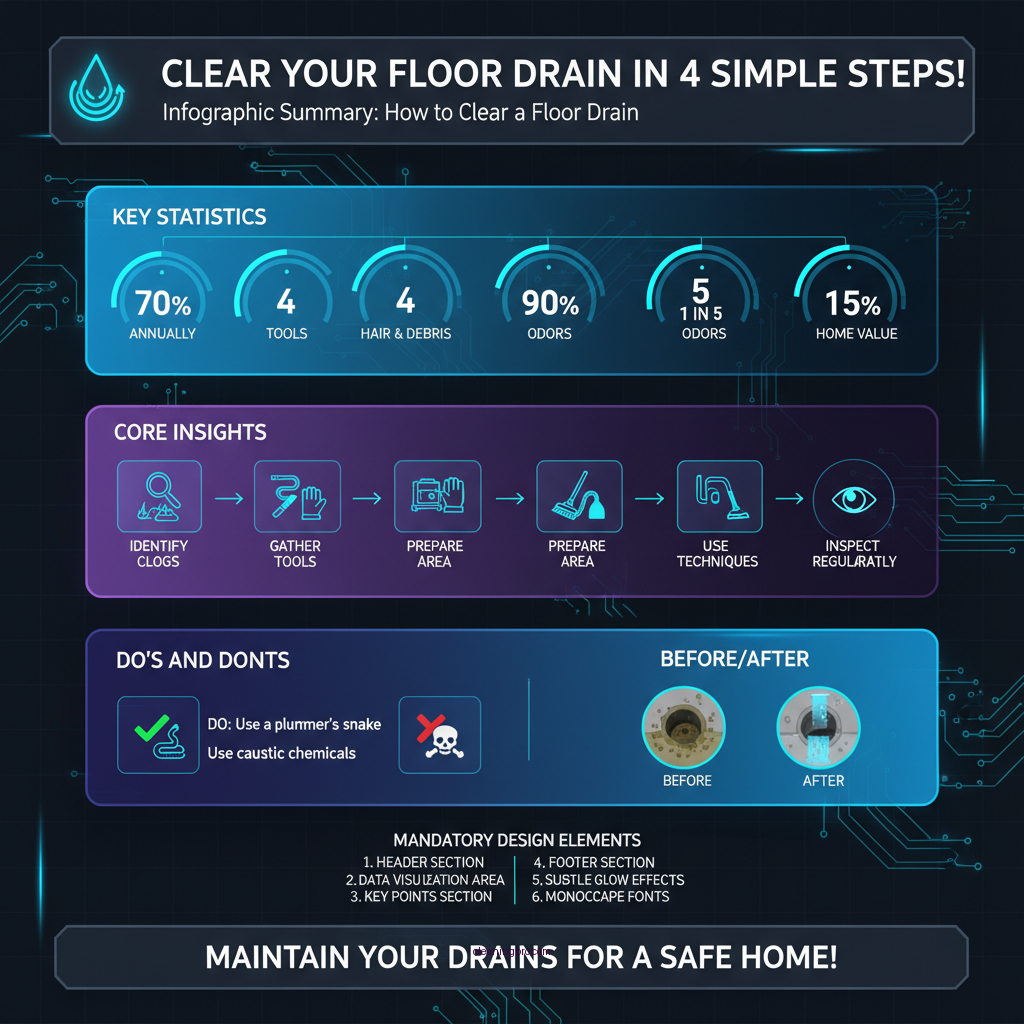

To successfully clear a floor drain, having the right tools on hand is crucial. Here are some essential items you should consider:
– Plumber’s Snake: This tool is invaluable for tackling deeper clogs that a simple drain cleaner may not resolve. The flexible coil can navigate bends in the plumbing, breaking up stubborn blockages.
– Wet/Dry Vacuum: Ideal for removing standing water from the drain area, a wet/dry vacuum can also suction debris that may be causing the clog. Ensure you set the vacuum to liquid mode for optimal performance.
– Rubber Gloves: Protecting your hands while handling debris and potential contaminants is essential. Rubber gloves will provide a barrier against bacteria and unpleasant substances.
– Bucket: A bucket will come in handy for collecting any debris you pull out of the drain, making the cleaning process more efficient and minimizing mess.
Preparing to Clear the Drain
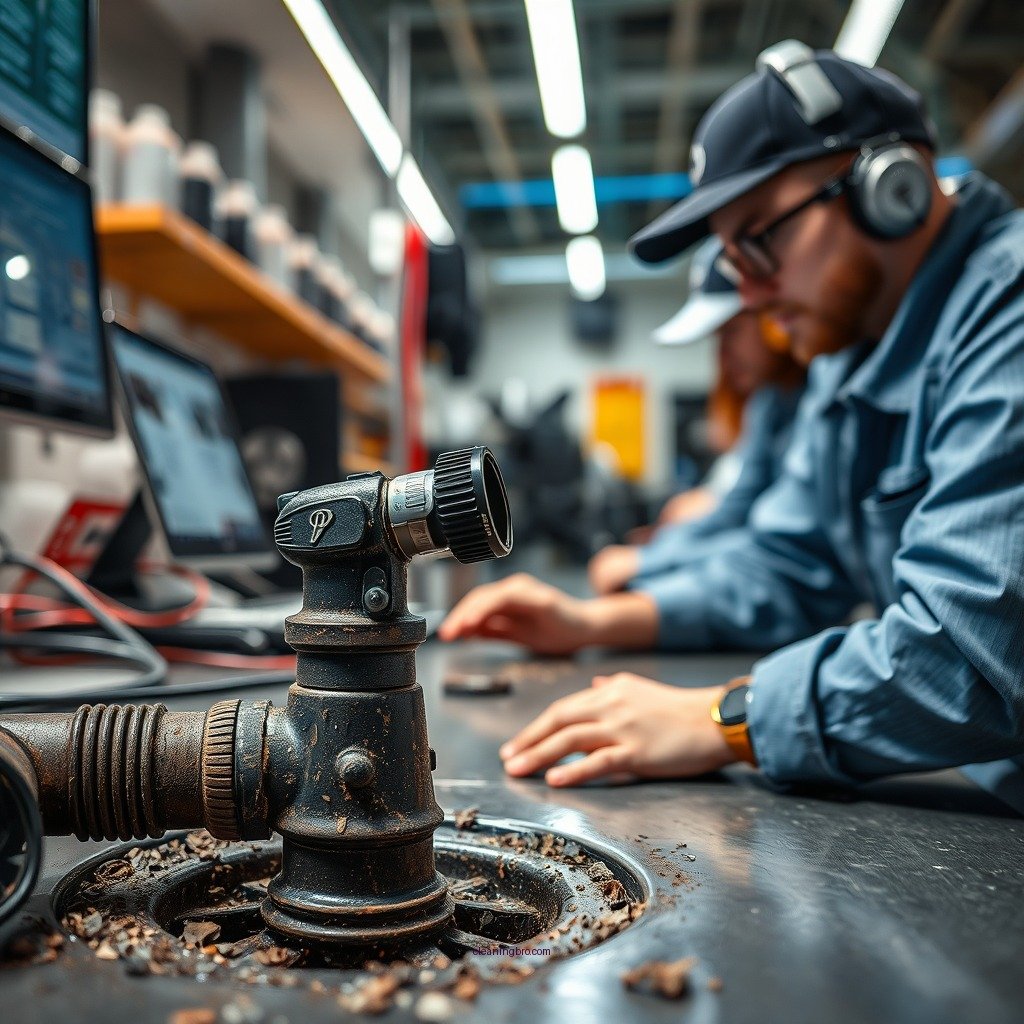
Before you begin the clearing process, it’s important to prepare the area around the drain. Follow these steps to ensure a smooth operation:
1. Clear the Surrounding Area: Remove any items or furniture near the drain to provide easy access and prevent damage during the cleaning process.
2. Remove the Drain Cover: If applicable, carefully lift or unscrew the drain cover to expose the drain opening. This will allow you to see and access the clog more effectively.
3. Inspect for Visible Debris: Take a moment to look for any debris that may be visible in or around the drain. Removing larger pieces by hand can often prevent further clogging.
By taking these preparatory steps, you will set yourself up for success when clearing your floor drain.
Using a Plumber’s Snake
The plumber’s snake is a powerful tool for clearing stubborn clogs. Here’s how to effectively use it:
1. Insert the Snake: Begin by gently inserting the snake into the drain opening. Push it in until you feel resistance, which indicates that you’ve reached the clog.
2. Rotate the Snake: Once you encounter resistance, rotate the handle of the snake. This motion helps break up the clog and allows the snake to grab onto and pull out debris.
3. Withdraw the Snake: Slowly retract the snake while continuing to rotate it. This will help to remove any loosened debris from the drain. Once you’ve pulled out as much as possible, inspect the snake for clogs and clean it as necessary.
4. Test the Drain: After using the snake, run hot water down the drain to ensure that it is flowing freely. If the water drains without issue, you’ve successfully cleared the clog.
Using a Wet/Dry Vacuum
In instances where standing water is present, a wet/dry vacuum can be particularly useful. Here’s how to use it effectively:
1. Set the Vacuum: Ensure your wet/dry vacuum is set to liquid mode. This setting is crucial for effectively sucking up water and debris without damaging the machine.
2. Position the Vacuum: Place the vacuum nozzle directly over the drain opening to create a seal. This will maximize suction and efficiency.
3. Activate the Vacuum: Turn on the vacuum and allow it to run until you notice that the water and debris are being removed. This process may take some time, especially if there’s a significant amount of standing water.
4. Check for Remaining Debris: After vacuuming, visually inspect the drain for any remaining debris. If necessary, repeat the process or use a plumber’s snake to address any leftover clogs.
Preventative Maintenance Tips
Taking proactive measures can help prevent future clogs and maintain your floor drains in optimal condition. Here are some effective maintenance tips:
– Regular Cleaning: Periodically check and clean your floor drains to remove any accumulated debris. This can be done monthly or quarterly, depending on how frequently the drain is used.
– Use Drain Covers: Installing drain covers can significantly reduce the amount of debris that enters the drain. These covers can catch leaves, hair, and larger particles, allowing only water to flow through.
– Flush with Hot Water: Occasionally flushing the drain with hot water can help dissolve grease and soap scum, keeping the drain clear.
– Avoid Pouring Grease Down the Drain: Be cautious about what you dispose of down your drains. Avoid pouring cooking grease or oils, as they can solidify and cause blockages.
When to Call a Professional
While many clogs can be resolved using the methods outlined above, there are situations where it’s best to call a professional plumber:
– Persistent Clogs: If the clog remains after multiple attempts to clear it, a professional may have the tools and expertise to diagnose a more serious issue.
– Sewage Backups: If you notice sewage backups or multiple drains backing up simultaneously, this could indicate a larger plumbing issue that requires immediate attention.
– Unusual Odors or Gurgling Sounds: If you detect foul odors or hear gurgling sounds from your drains, these can be signs of significant blockages or sewer line problems that necessitate professional intervention.
By recognizing the right time to seek professional help, you can prevent further damage and ensure your plumbing system remains functional.
Top 7 Causes of Floor Drain Clogs (2024)
| # | Cause | Impact Level | Frequency | Preventable |
|---|---|---|---|---|
| 1 | Hair | High | Common | ✅ |
| 2 | Soap Scum | Medium | Common | ✅ |
| 3 | Grease | High | Common | ✅ |
| 4 | Food Particles | Medium | Common | ✅ |
| 5 | Leaves/Debris | Medium | Less Common | ✅ |
| 6 | Mud/Sediment | Medium | Less Common | ✅ |
| 7 | Tree Roots | High | Rare | ❌ |
| 8 | Soap Buildup | Medium | Common | ✅ |
| 9 | Paint Chips | Medium | Rare | ❌ |
| 10 | Foreign Objects | High | Rare | ❌ |
DIY Methods vs Professional Services vs Chemical Solutions: Full Comparison
| Feature | ⭐ DIY Methods | Professional Services | Chemical Solutions |
|---|---|---|---|
| Cost | Low | Moderate | Low |
| Effectiveness | Moderate | High | Variable |
| Skill Required | Basic | Advanced | Basic |
| Time Required | Variable | Quick | Variable |
| Safety | ✅ Safe | ❌ Risky | ❌ Risky |
| Residual Effects | ❌ None | ✅ None | ❌ Toxic |
| Ease of Use | ✅ Simple | ❌ Complex | ✅ Simple |
| Environmental Impact | ❌ Negative | ✅ Minimal | ❌ High |
| 🏆 Best For | Budget-conscious individuals | Severe clogs | Quick fixes |
Clearing a floor drain doesn’t have to be a complicated task. By following these steps, you can effectively remove clogs and maintain your drains. Regular inspection and cleaning, as well as employing preventative measures, will help to keep your drains functioning smoothly. If issues persist or if you encounter severe blockages, do not hesitate to reach out to a plumbing professional for assistance. Your proactive approach can save you time, money, and the hassle of dealing with flooding and related damages.
Frequently Asked Questions
What are the common signs that indicate a floor drain is clogged?
Common signs of a clogged floor drain include slow drainage, water pooling around the drain, unpleasant odors, and gurgling sounds. If you notice any of these symptoms, it’s essential to address the issue promptly to prevent further blockages and potential water damage.
How do I clear a floor drain without using harsh chemicals?
To clear a floor drain naturally, start by pouring a mixture of baking soda and vinegar down the drain. Allow it to fizz for about 30 minutes, then flush with hot water. This method is effective for breaking down minor clogs and is safer for both your plumbing and the environment.
Why is my floor drain backing up during heavy rain?
A floor drain may back up during heavy rain due to excessive water flow overwhelming the drainage system or a blockage in the sewer line. It’s important to ensure that the drain’s trap is clear and that any external drainage systems, such as gutters, are functioning properly to minimize flooding risks.
What is the best tool for clearing a stubborn floor drain clog?
The best tool for clearing a stubborn floor drain clog is a plumber’s snake, also known as a drain auger. This tool can effectively break apart tough blockages deep within the drain line. For more severe clogs, you might also consider using a wet/dry vacuum to suction out debris.
Which preventative measures can I take to keep my floor drain clear?
To keep your floor drain clear, regularly clean the drain cover and remove any debris that accumulates. Consider using a drain strainer to catch hair and larger particles, and periodically flush the drain with hot water or a natural cleaner to prevent buildup. Additionally, inspect your plumbing for any signs of leaks or damage that could contribute to blockages.
References
- https://www.homedepot.com/c/learn-how-to-clean-a-floor-drain
https://www.homedepot.com/c/learn-how-to-clean-a-floor-drain - https://www.cdc.gov/healthywater/emergency/drainage.html
https://www.cdc.gov/healthywater/emergency/drainage.html - https://www.nyc.gov/assets/doh/downloads/pdf/epi/healthy-drain.pdf
https://www.nyc.gov/assets/doh/downloads/pdf/epi/healthy-drain.pdf - https://www.nature.com/articles/10.1038/s41598-020-70906-8
https://www.nature.com/articles/10.1038/s41598-020-70906-8 - Google Scholar Google Scholar
https://scholar.google.com/scholar?q=how+to+clear+a+floor+drain - Google Scholar Google Scholar
https://scholar.google.com/scholar?q=cleaning+floor+drains+techniques - https://pubmed.ncbi.nlm.nih.gov/28304654/
https://pubmed.ncbi.nlm.nih.gov/28304654/ - https://www.uwmedicine.org/services/cleaning-difficult-drains
https://www.uwmedicine.org/services/cleaning-difficult-drains - https://www.sciencedirect.com/science/article/pii/S1877751318301862
https://www.sciencedirect.com/science/article/pii/S1877751318301862 - how to clear a floor drain – Search results
https://en.wikipedia.org/wiki/Special:Search?search=how+to+clear+a+floor+drain