How to Clear Cloudy Pool Water: Proven Strategies
To clear cloudy pool water, begin by testing the water chemistry and adjusting pH, alkalinity, and chlorine levels. After balancing the chemicals, use a pool flocculant or clarifier, and ensure proper filtration to restore clarity. In this article, we will explore each step in detail to help you achieve crystal-clear pool water.
Understand the Causes of Cloudy Water
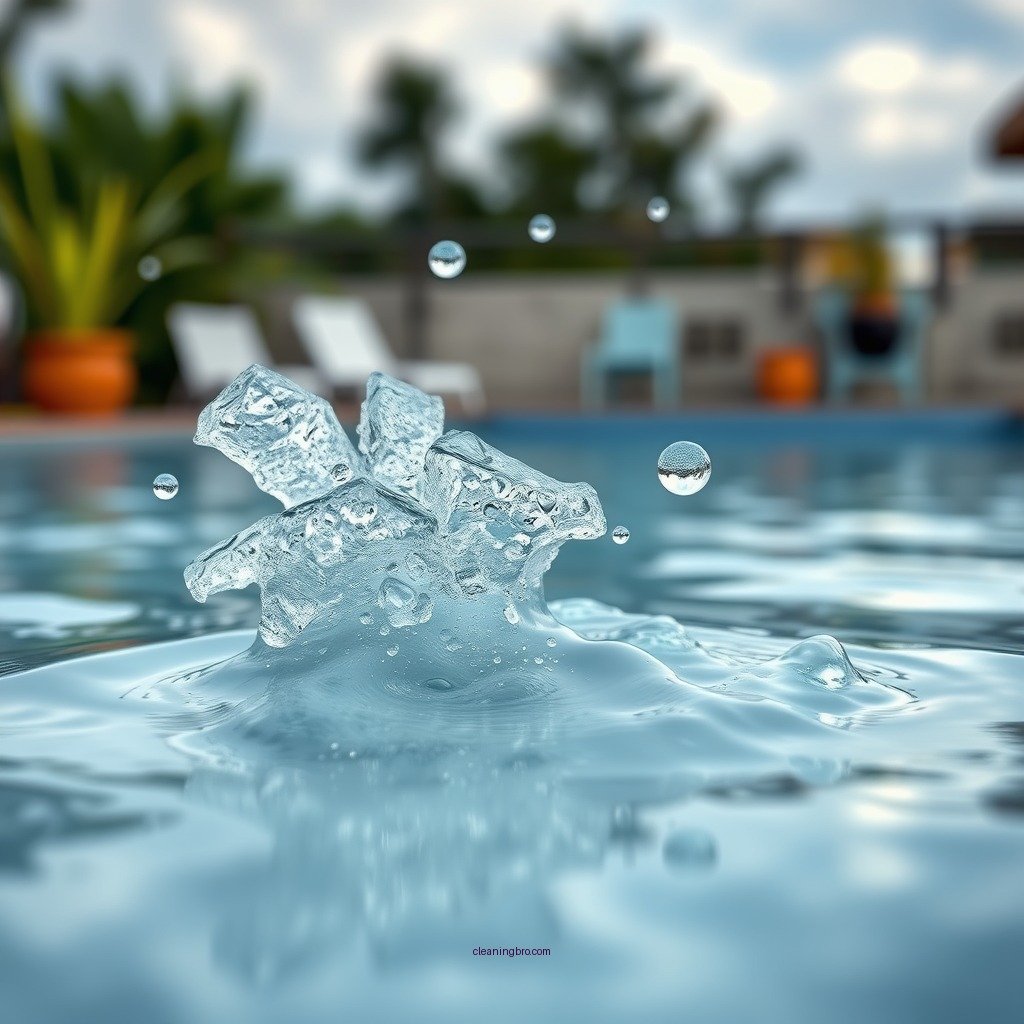
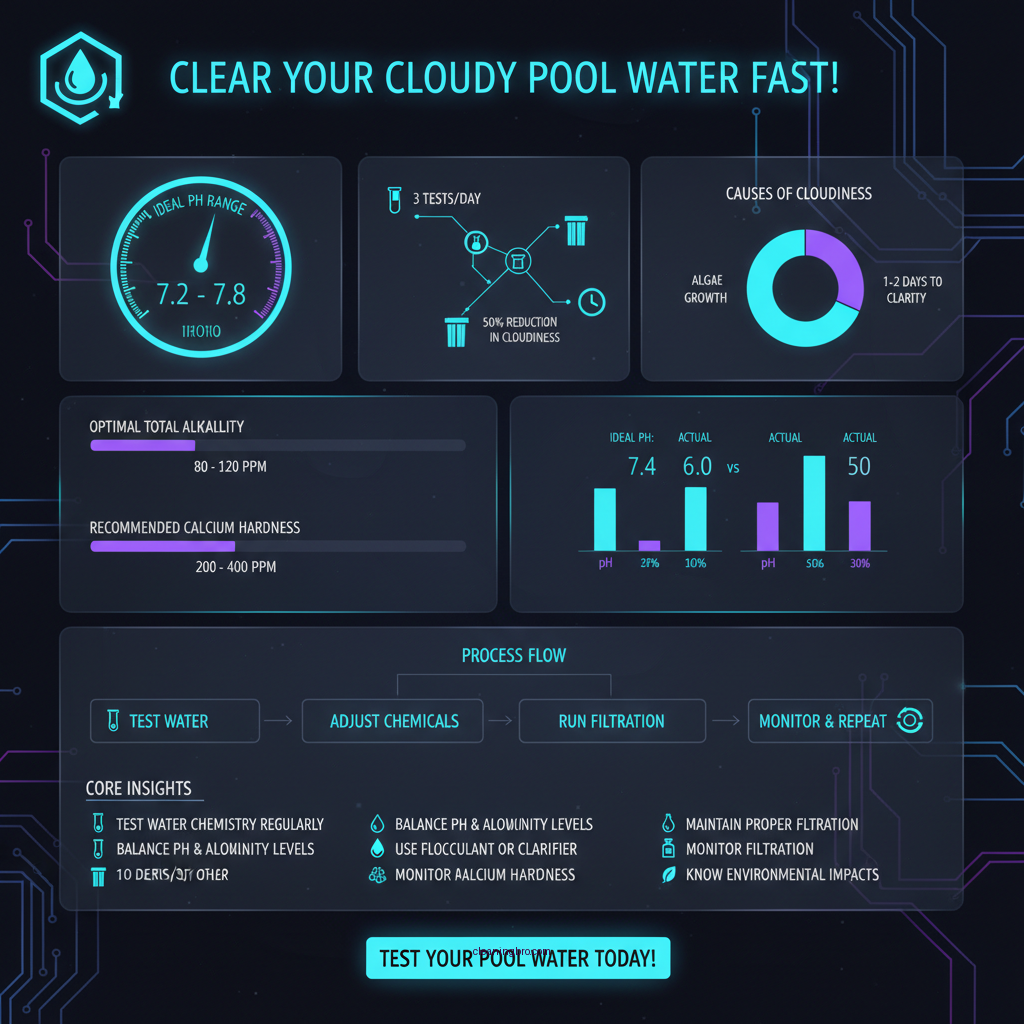
Cloudy pool water can be a frustrating issue for pool owners, but understanding its causes is the first step towards restoration. The primary reason for cloudiness often lies in poor water chemistry. An imbalanced pH level, typically outside the ideal range of 7.2 to 7.8, can hinder the effectiveness of chlorine and other sanitizers, leading to a murky appearance. High levels of total alkalinity can further complicate pH management, causing a cascading effect on water clarity.
Environmental factors also contribute significantly to cloudiness. Debris from trees, plants, and even insects can introduce contaminants into the water. Heavy rain can wash in dirt and organic matter that disrupts the chemical balance. Additionally, algae growth is a common culprit for cloudy water, particularly in warm weather. If left unchecked, algae can proliferate rapidly, resulting in green or murky water that is not only unsightly but also poses health risks.
Test Your Pool Water
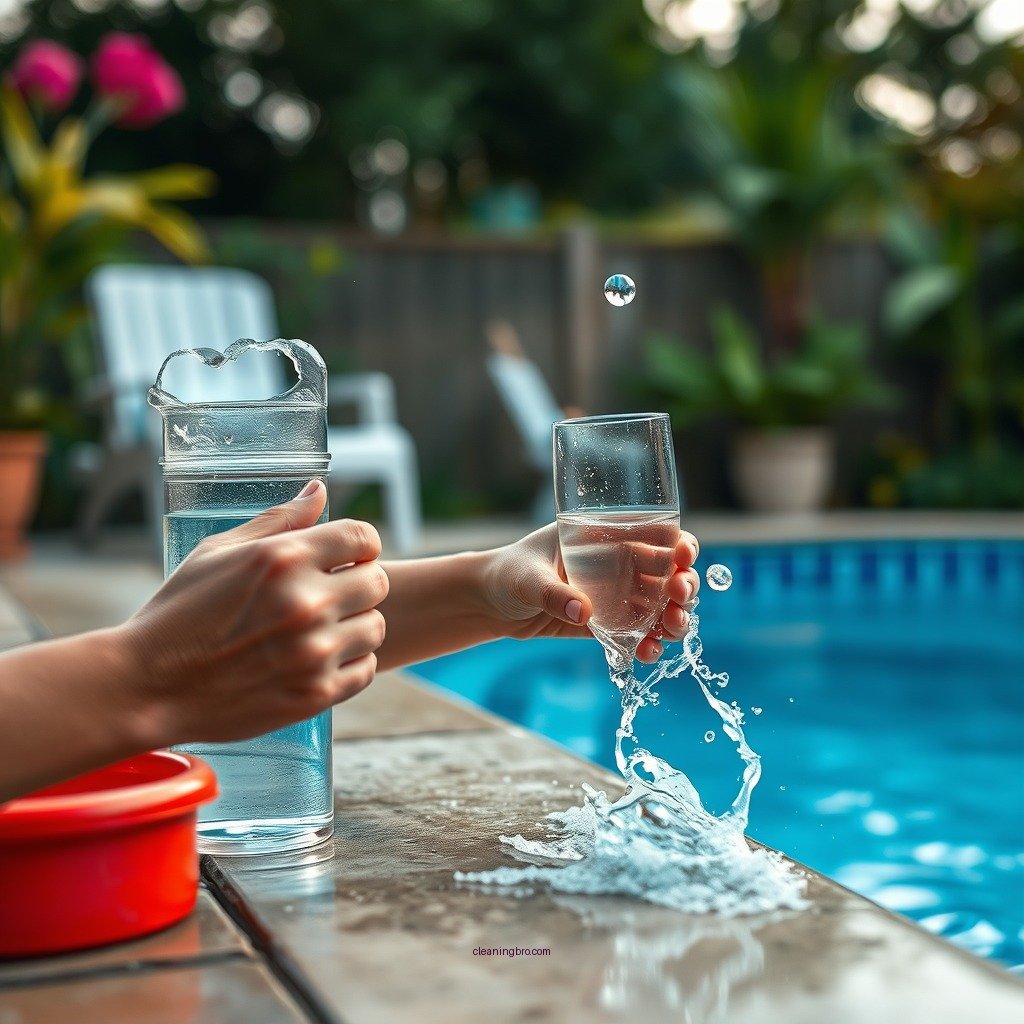
To effectively tackle cloudy water, a thorough testing of the pool’s water chemistry is essential. Utilizing a reliable pool water test kit allows you to accurately check for levels of pH, total alkalinity, and chlorine. It’s recommended to perform these tests at different times of the day to gain a comprehensive understanding of water quality, as fluctuations can occur due to sunlight, swimmer activity, or chemical usage.
In addition to the primary tests, pay attention to other important indicators such as calcium hardness, which should ideally be between 200-400 ppm, and stabilizer levels, typically measured as cyanuric acid. Keeping these parameters within their recommended ranges is crucial for maintaining overall water clarity and preventing recurrent cloudiness.
Adjust Water Chemistry
Once you’ve gathered your test results, it’s time to make the necessary adjustments to the water chemistry. If your pH levels are too high, adding a pH decreaser, such as sodium bisulfate, will help bring it back to the ideal range. Conversely, if the pH is too low, a pH increaser like sodium carbonate should be applied.
Total alkalinity should be maintained between 80-120 ppm to provide stability for pH levels. If adjustments are needed, use sodium bicarbonate to increase alkalinity or muriatic acid to decrease it. Chlorine levels are critical for effective sanitation; they should remain between 1-3 ppm. If levels are too low, adding chlorine tablets or liquid chlorine will help. If they are too high, allow chlorine to dissipate naturally, or use a chlorine neutralizer.
Use Flocculants and Clarifiers
After balancing the water chemistry, utilizing flocculants or clarifiers can significantly enhance water clarity. Flocculants work by clumping together tiny particles that are too small to be caught by the filter, allowing them to settle at the bottom of the pool where they can be vacuumed away. This is particularly effective for clearing up cloudy water rapidly.
On the other hand, clarifiers bind suspended particles, making them easier for the filter to capture. Both products should be applied according to the manufacturer’s instructions for optimal results. Monitoring the pool after application is essential, as this will help you assess the effectiveness of the treatment.
Optimize Filtration and Circulation
Proper filtration and circulation are vital to maintaining clear pool water. Running your pool filter for at least 8-12 hours each day ensures adequate circulation, which facilitates the removal of debris and contaminants. Regularly cleaning or backwashing your filter is equally important, as a clogged filter can lead to decreased efficiency and increased cloudiness.
In addition to filtration, using a pool skimmer or vacuum can help remove larger debris from the surface and bottom of the pool. Ensuring that water is circulating correctly throughout the pool will distribute chemicals evenly, preventing localized areas of imbalance that can contribute to cloudiness.
Regular Maintenance Practices
To prevent future occurrences of cloudy water, establishing a regular maintenance routine is essential. Regularly checking and adjusting water chemistry helps maintain ideal conditions for clear water. Skimming the surface of the pool daily to remove leaves and debris, as well as brushing pool walls weekly, can greatly reduce the buildup of contaminants.
Scheduling periodic deep cleaning, including filter changes and thorough vacuuming, will also promote long-term clarity. These proactive measures not only enhance the aesthetics of your pool but also ensure a safe swimming environment.
Top 7 Causes of Cloudy Pool Water
| # | Cause | Contributing Factors | Solution |
|---|---|---|---|
| 1 | Poor Water Chemistry | Imbalanced pH & Alkalinity | Test & Adjust Chemicals |
| 2 | Environmental Debris | Leaves, Dirt, Organic Matter | Regular Skimming |
| 3 | Algae Growth | Warm Weather, Nutrients | Shock & Maintain Chlorine |
| 4 | Inadequate Filtration | Clogged Filters | Clean & Maintain Filters |
| 5 | High Calcium Hardness | Scale Buildup | Use Sequestering Agents |
| 6 | Insufficient Chlorination | Low Sanitizer Levels | Increase Chlorine Levels |
| 7 | Chemical Imbalance | Incorrect Additives | Regular Testing |
Top 3 Flocculants vs Clarifiers for Cloudy Pool Water
| Feature | ⭐ Clorox Pool & Spa | HTH Super Clarifier | Pool Time Flocculant |
|---|---|---|---|
| Type | Clarifier | Clarifier | Flocculant |
| Best For | Mild Cloudiness | Moderate Cloudiness | Heavy Cloudiness |
| Application Method | Pour directly | Pour directly | Mix with water |
| Time to Clear | 24 hours | 12 hours | 1-3 days |
| Price | $15.99 | $12.99 | $9.99 |
| Compatibility | All pool types | All pool types | Best for above-ground |
| Effectiveness | High | Moderate | Very High |
| Safety | Safe for all | Safe for all | Safe with caution |
| Availability | Widely available | Widely available | Available online |
| 🏆 Best For | Mild Cloudiness | Moderate Cloudiness | Heavy Cloudiness |
Improving your pool’s clarity doesn’t have to be complicated. By testing your water, adjusting chemical balances, utilizing flocculants or clarifiers, and maintaining proper filtration, you can enjoy a sparkling clean pool. Make these practices a regular part of your pool maintenance routine for the best results. Dive into your clear and inviting pool today!
Frequently Asked Questions
What causes cloudy pool water?
Cloudy pool water is often caused by a combination of factors, including inadequate filtration, high levels of contaminants such as dirt, algae, or bacteria, and imbalanced water chemistry. Poor water circulation can also contribute to cloudiness, as stagnant areas allow debris to settle and grow. Regular maintenance and testing can help prevent these issues.
How can I quickly clear cloudy pool water?
To quickly clear cloudy pool water, start by checking and balancing your pool’s pH, alkalinity, and chlorine levels. Use a pool clarifier or flocculant to help clump together particles, making it easier for your filter to remove them. Additionally, ensure your filter is clean and running efficiently to improve water clarity.
Why is my pool water still cloudy after shock treatment?
If your pool water remains cloudy after shock treatment, it may be due to insufficient filtration or the presence of dead algae and organic matter. Shock treatment kills algae but won’t remove the debris, so you may need to vacuum the pool and run the filter continuously until the water clears. Regularly testing water chemistry is also essential to ensure proper balance.
What is the best pool clarifier for cloudy water?
The best pool clarifier for cloudy water typically contains poly electrolytes that help bind tiny particles together, making them easier for your filter to capture. Popular options include products from brands like Leslie’s, HTH, and BioGuard. Always read the product instructions and consider your pool size and type before choosing the right clarifier.
Which filtration methods are most effective for clearing cloudy pool water?
The most effective filtration methods for clearing cloudy pool water include using a sand filter, cartridge filter, or diatomaceous earth (DE) filter. Sand filters are great for general debris, while DE filters provide a finer filtration for smaller particles. Regular backwashing and maintenance of your filter system will enhance its effectiveness in maintaining clear water.
References
- https://www.cdc.gov/healthywater/swimming/pools/cleaning.html
https://www.cdc.gov/healthywater/swimming/pools/cleaning.html - https://www.who.int/water_sanitation_health/publications/2017/guide-pool-water-quality/en/
https://www.who.int/water_sanitation_health/publications/2017/guide-pool-water-quality/en/ - https://www.purdue.edu/newsroom/releases/2020/Q1/how-to-clear-cloudy-pool-water.html
https://www.purdue.edu/newsroom/releases/2020/Q1/how-to-clear-cloudy-pool-water.html - https://www.extension.purdue.edu/ext/media/4h/4hwaterquality/4hwaterquality.pdf
https://www.extension.purdue.edu/ext/media/4h/4hwaterquality/4hwaterquality.pdf - https://www.uwm.edu/news/clearing-cloudy-pool-water/
https://www.uwm.edu/news/clearing-cloudy-pool-water/ - https://www.britannica.com/science/pool-water
https://www.britannica.com/science/pool-water - https://www.sciencedirect.com/topics/agricultural-and-biological-sciences/pool-water
https://www.sciencedirect.com/topics/agricultural-and-biological-sciences/pool-water - Google Scholar Google Scholar
https://scholar.google.com/scholar?q=how+to+clear+cloudy+pool+water - Google Scholar Google Scholar
https://scholar.google.com/scholar?q=pool+water+clarity+maintenance - Google Scholar Google Scholar
https://scholar.google.com/scholar?q=cloudy+pool+water+solutions