How to Clear Cloudy Water in a Pool: Effective Solutions
To clear cloudy water in your pool, start by testing the water’s pH and chemical levels, and then balance them accordingly. This quick fix will help restore clarity, but additional steps may be necessary. In this article, you will learn the effective methods for clearing up your pool water, ensuring it stays clean and inviting for swimming.
Maintaining a pristine swimming pool is essential for both aesthetic appeal and the health of its users. Cloudy water can result from a variety of issues, including improper chemical balance, debris accumulation, or inadequate filtration. By understanding and implementing a structured approach to pool maintenance, you can ensure your pool remains a sparkling oasis. Below are comprehensive steps to clear cloudy water, complete with actionable insights.
Test the Water Chemistry
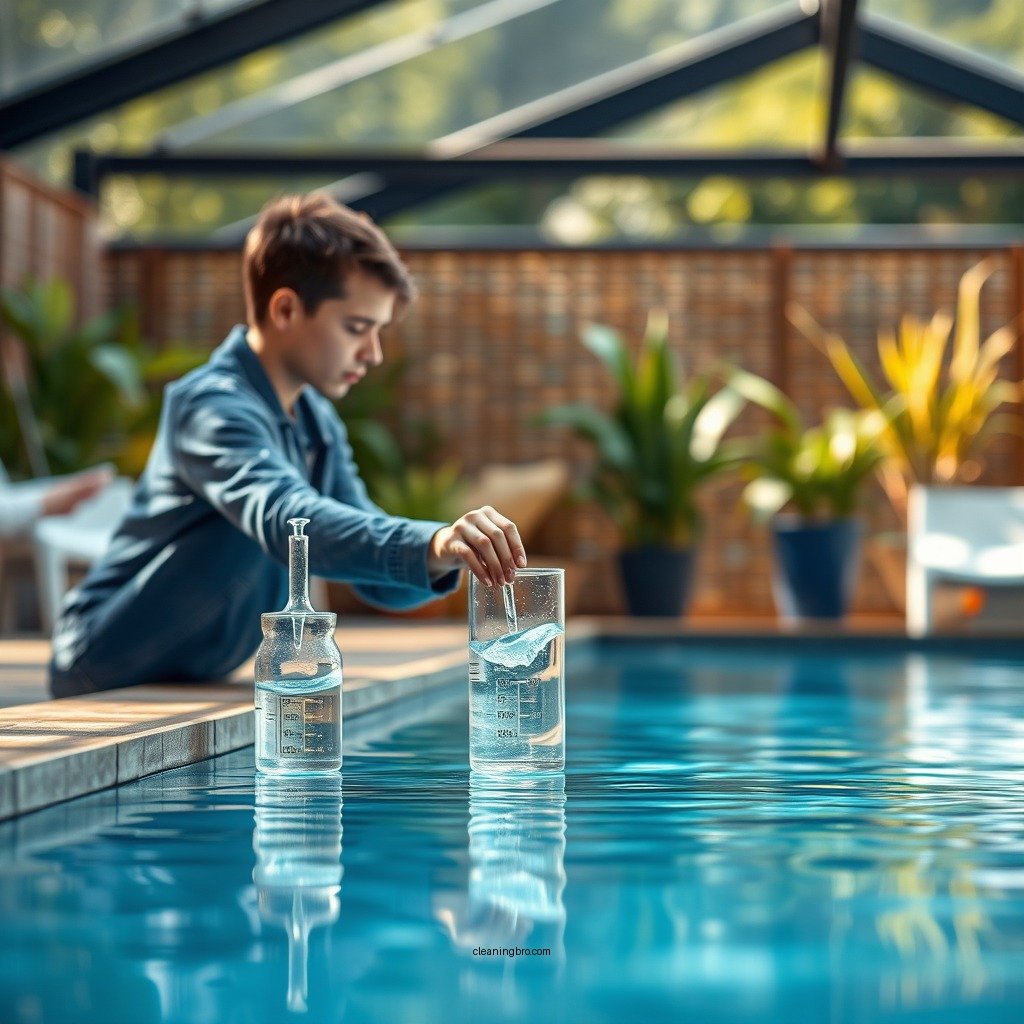
The first step in rectifying cloudy pool water is to assess the chemical composition of your pool. Utilizing a reliable pool testing kit, you can accurately determine the levels of pH, chlorine, and alkalinity.
– pH Levels: The ideal pH range for pool water is between 7.2 and 7.6. A pH level outside this range can lead to poor sanitation, skin irritation, and decreased effectiveness of chlorine.
– Chlorine Levels: Chlorine is crucial for killing bacteria and algae. Aim for a chlorine level between 1 to 3 parts per million (ppm) for optimal sanitation.
– Alkalinity: Maintaining alkalinity between 80 to 120 ppm helps stabilize pH levels, preventing fluctuations that can contribute to cloudiness.
Regular testing, ideally at least once a week, will help you stay ahead of any potential issues. If your tests reveal imbalances, adjust the chemical levels accordingly by adding pH increasers or decreasers, chlorine, or alkalinity adjusters.
Shock the Pool
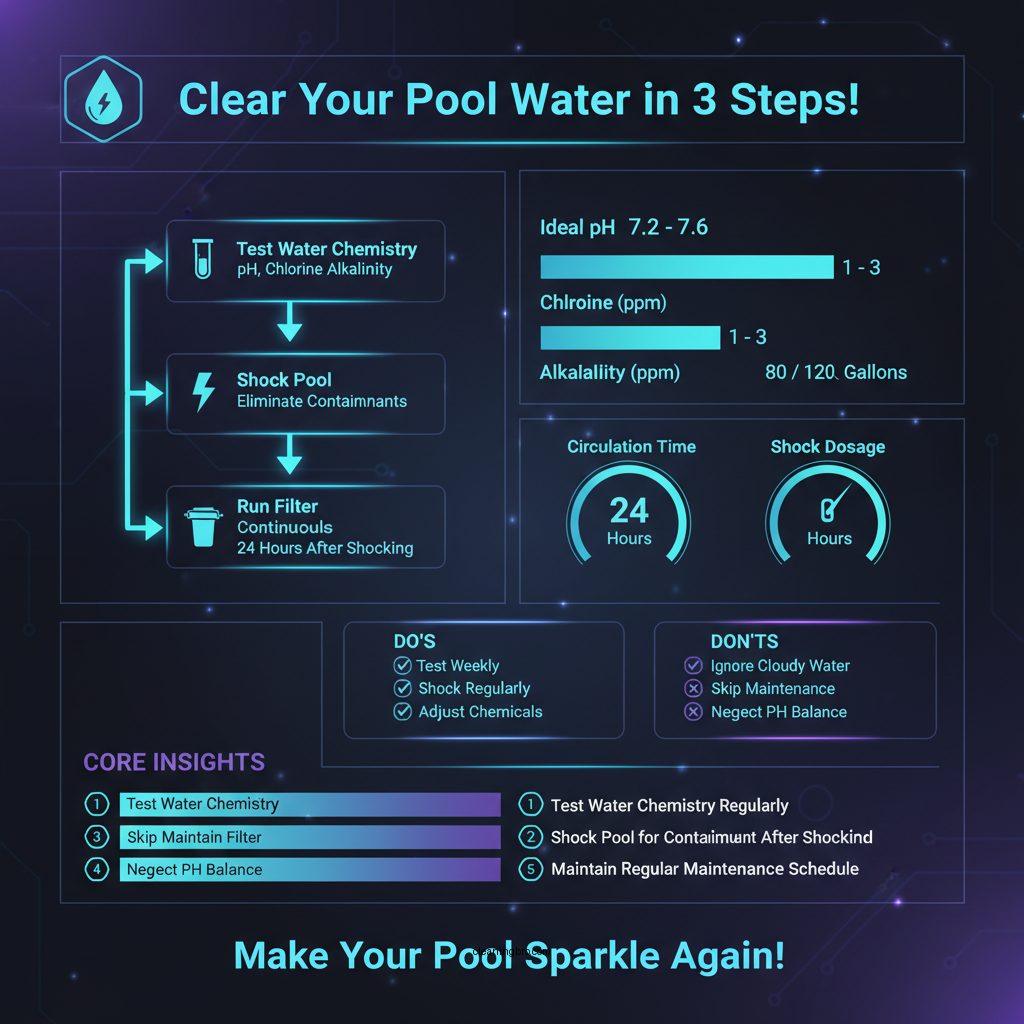
Once your water chemistry has been assessed and adjusted, the next step is to shock the pool. Shocking involves adding a high dose of chlorine or a non-chlorine shock treatment to eliminate contaminants, algae, and bacteria that may be contributing to cloudiness.
– Chlorine Shock Treatment: Follow the package instructions to determine the correct dosage based on your pool size. Typically, you will want to use about 1 pound of shock per 10,000 gallons of water.
– Timing: Perform this step in the evening or at night, as sunlight can degrade chlorine’s effectiveness. Allow the pool to circulate for at least 24 hours after shocking.
This process helps to break down organic materials and restore clarity to your pool water, making it safe and inviting for swimming.
Run the Filter Consistently
After shocking your pool, it is essential to run the filtration system continuously for at least 24 hours. This step is crucial for helping to clear out the debris and impurities that have been disturbed during the shock treatment.
– Filter Maintenance: Regularly clean or replace the filter media (cartridges, sand, or diatomaceous earth) to ensure efficient water circulation. A dirty filter can recirculate contaminants back into the pool, negating your efforts.
– Pump Operation: Consider running the pump for 8 to 12 hours a day during peak swimming season to maintain optimal water clarity.
Consistent filtration is key to maintaining clear water and a healthy swimming environment.
Top Pool Chemical Brands for Clarity (2023)
| # | Brand | Product Type | Average Rating | Effectiveness |
|---|---|---|---|---|
| 1 | Clorox | Chlorine Shock | ★★★★☆ | High |
| 2 | Pool Essentials | Clarifier | ★★★★☆ | Medium |
| 3 | In The Swim | Flocculant | ★★★★★ | Very High |
| 4 | HTH | Chlorine Tabs | ★★★★☆ | High |
| 5 | BioGuard | Stabilizer | ★★★★☆ | Medium |
| 6 | Aquachek | Test Strips | ★★★★★ | High |
| 7 | Zodiac | Pool Cleaner | ★★★★☆ | Medium |
Vacuum and Clean the Pool
To achieve clear water, it is also essential to physically remove debris from the pool. This step helps eliminate particles that could contribute to cloudiness.
– Manual Vacuuming: Use a manual vacuum to clean the pool floor and walls, paying close attention to areas where debris tends to settle. This method allows for targeted cleaning and can significantly reduce cloudiness.
– Skimmer Net: Regularly use a skimmer net to remove floating debris such as leaves and insects. This simple action can prevent organic material from decomposing in the water, which can lead to cloudiness.
Establishing a routine for pool cleaning can vastly improve water quality and clarity.
Use Clarifiers and Flocculants
If cloudiness persists despite your best efforts, consider utilizing pool clarifiers or flocculants.
– Pool Clarifiers: These products work by causing tiny particles to clump together, making them easier for the filter to capture. Adding a clarifier can help clear up cloudy water within a few hours.
– Flocculants: In contrast, flocculants cause impurities to settle at the bottom of the pool, where they can be vacuumed away. This method is particularly effective for removing fine particles that are not easily filtered.
Both clarifiers and flocculants can be effective solutions, but the choice depends on the specific nature of your cloudiness and your cleaning preferences.
Pool Clarifiers vs Flocculants vs Shock Treatments: Full Comparison
| Feature | ⭐ Pool Clarifiers | Flocculants | Shock Treatments |
|---|---|---|---|
| Purpose | Clumps small particles | Settles impurities | Eliminates contaminants |
| Time to Effect | Hours | Overnight | Immediate |
| Effectiveness | ✅ Good for minor cloudiness | ✅ Excellent for heavy cloudiness | ✅ Best for severe contamination |
| Use Frequency | Weekly | As needed | Monthly |
| Cost | Moderate | Moderate | Variable |
| Safety | Generally safe | Generally safe | Handle with care |
| Impact on Water | Minimal | Moderate | High |
| Recommended Use | For regular maintenance | For clearing heavy cloudiness | For severe algae or contamination |
| 🏆 Best For | Regular maintenance | Heavy cloudiness | Severe contamination |
Maintain Regular Pool Care
The final step toward ensuring clear pool water is to establish a routine maintenance schedule. Regular care not only keeps the water clear but also prolongs the lifespan of your pool equipment.
– Weekly Cleaning Routine: Implement a weekly routine that includes testing water chemistry, brushing walls and tiles, skimming debris, and vacuuming. This proactive approach helps prevent cloudiness from developing in the first place.
– Sanitizer Levels: Regularly check and adjust sanitizer levels, such as chlorine or bromine, to prevent the growth of algae and bacteria that clouds water. Aim to maintain chlorine levels between 1-3 ppm and always test after heavy rainfall or heavy pool use.
By adhering to a consistent maintenance schedule, you can significantly reduce the risk of cloudy water and enjoy a cleaner, healthier swimming pool.
In summary, maintaining clear water in your pool requires consistent attention to water chemistry, filtration, and cleaning practices. By following the outlined steps, including testing water chemistry, shocking the pool, running the filter, vacuuming, and using clarifiers or flocculants, you can enjoy a sparkling pool that is always ready for swimming. Take action today by testing your water and implementing these solutions for a clearer pool experience!
Frequently Asked Questions
What causes cloudy water in a pool?
Cloudy water in a pool can be caused by several factors, including poor filtration, imbalanced water chemistry, or the presence of contaminants such as dirt, algae, and debris. High levels of phosphates or inadequate sanitization can also contribute to cloudiness. Regularly testing your pool water and maintaining proper chemical balance is essential to prevent this issue.
How can I clear cloudy water in my pool quickly?
To clear cloudy water quickly, start by checking and adjusting the pH and chlorine levels to ensure they are within the ideal range. Run your pool filter continuously for 24 hours, and consider using a flocculant or clarifier to help clump particles together for easier removal. Vacuuming the pool after treatment can also significantly improve water clarity.
Why is my pool water still cloudy after shocking it?
If your pool water remains cloudy after shocking, it may indicate that the shock treatment did not fully eliminate contaminants or that the water chemistry is still unbalanced. Additionally, a clogged filter or insufficient circulation could prevent proper filtration of the water. Regular maintenance and addressing any underlying issues are crucial for achieving clear water.
What is the best pool clarifier for clearing cloudy water?
The best pool clarifier for clearing cloudy water typically contains natural polymers that help bind small particles together, making them easier for your filter to remove. Look for reputable brands with good reviews, such as Aqua Chem or HTH, and ensure the product is compatible with your pool type (chlorine or saltwater). Always follow the manufacturer’s instructions for optimal results.
Which filters are most effective for preventing cloudy water in a pool?
Sand filters, cartridge filters, and diatomaceous earth (DE) filters each have their strengths in preventing cloudy water in a pool. Sand filters are great for larger debris, while cartridge filters require less maintenance and can capture finer particles. DE filters provide the best filtration and clarity but require more upkeep; choosing the right filter depends on your pool’s specific needs and usage.
References
- https://www.cdc.gov/healthywater/swimming/pools/index.html
https://www.cdc.gov/healthywater/swimming/pools/index.html - https://www.epa.gov/ground-water-and-drinking-water/pool-water-quality
https://www.epa.gov/ground-water-and-drinking-water/pool-water-quality - https://www.who.int/news-room/q-a-detail/pool-water-quality
https://www.who.int/news-room/q-a-detail/pool-water-quality - https://www.nytimes.com/2020/10/08/style/how-to-clean-a-pool.html
https://www.nytimes.com/2020/10/08/style/how-to-clean-a-pool.html - https://www.sciencedirect.com/topics/earth-and-planetary-sciences/pool-water-quality
https://www.sciencedirect.com/topics/earth-and-planetary-sciences/pool-water-quality - https://www.britannica.com/science/pool-water
https://www.britannica.com/science/pool-water - https://www.poolandspa.com/pool-water-clarity-issues
https://www.poolandspa.com/pool-water-clarity-issues - Google Scholar Google Scholar
https://scholar.google.com/scholar?q=cloudy+water+in+pool - Google Scholar Google Scholar
https://scholar.google.com/scholar?q=how+to+clear+cloudy+pool+water - Google Scholar Google Scholar
https://scholar.google.com/scholar?q=pool+water+clarity+solutions