How to Effectively Clean a Cold Plunge
To clean a cold plunge effectively, start by draining the water and scrubbing the surfaces with a gentle cleaning solution. This process helps remove bacteria and buildup, ensuring a safe and enjoyable experience. Maintaining a clean cold plunge is vital for hygiene and longevity, promoting a refreshing and safe experience every time you use it. In this article, you’ll learn step-by-step instructions, the best cleaning solutions to use, and maintenance tips to keep your cold plunge in top condition.
Gather Your Cleaning Supplies
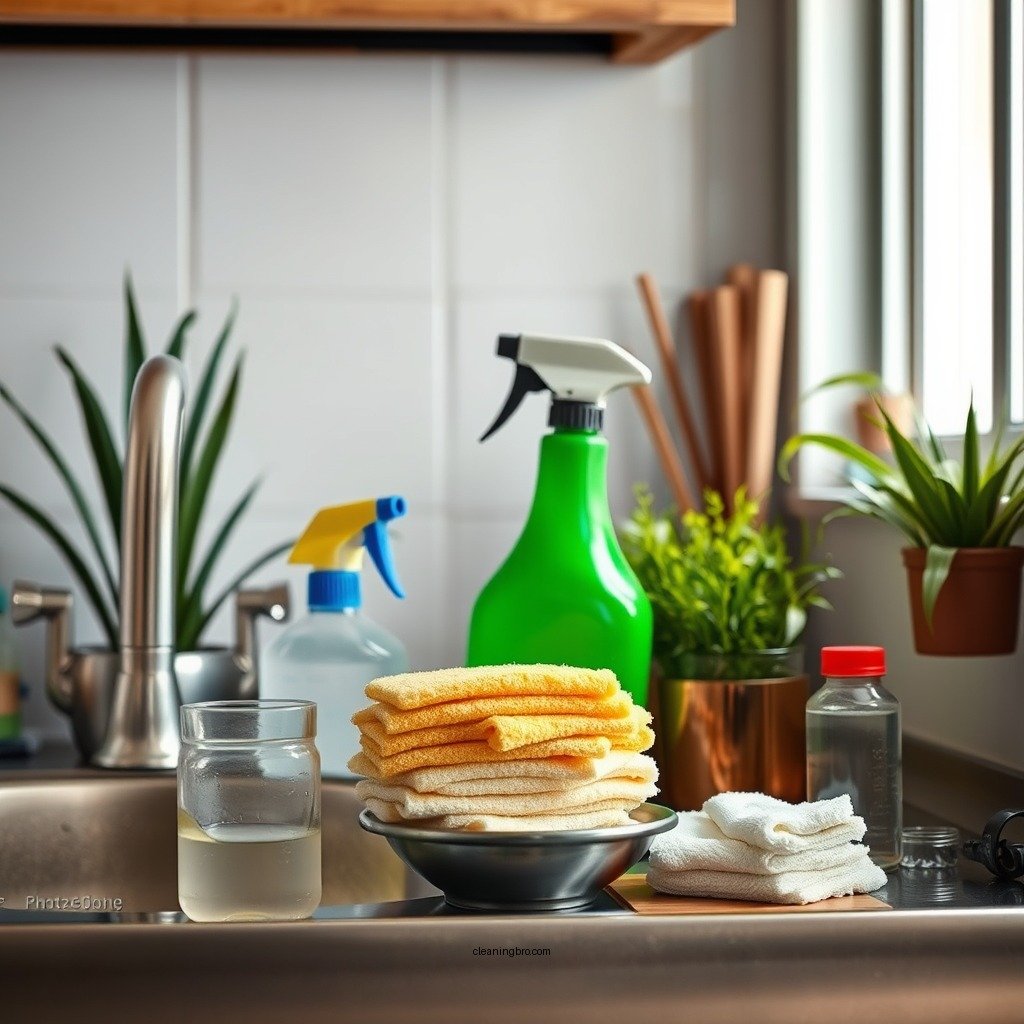
Before you begin the cleaning process, it’s essential to gather all necessary cleaning supplies to ensure a thorough and effective job. Start by choosing a non-toxic cleaner that is suitable for aquatic environments. This type of cleaner will help eliminate germs and contaminants without harming the water quality. Some recommended options include vinegar, hydrogen peroxide, or specialized pool cleaners that are safe for use in plunge pools.
Next, prepare a soft brush or sponge to scrub the surfaces of the cold plunge. Using abrasive materials can scratch the surfaces, leading to potential damage and buildup of algae or grime in the future. A soft-bristled brush is ideal for reaching corners and crevices, making sure every inch is cleaned without compromising the integrity of the plunge.
Finally, consider wearing gloves during the cleaning process to protect your skin from any harsh chemicals or irritants present in cleaning solutions.
Drain the Cold Plunge
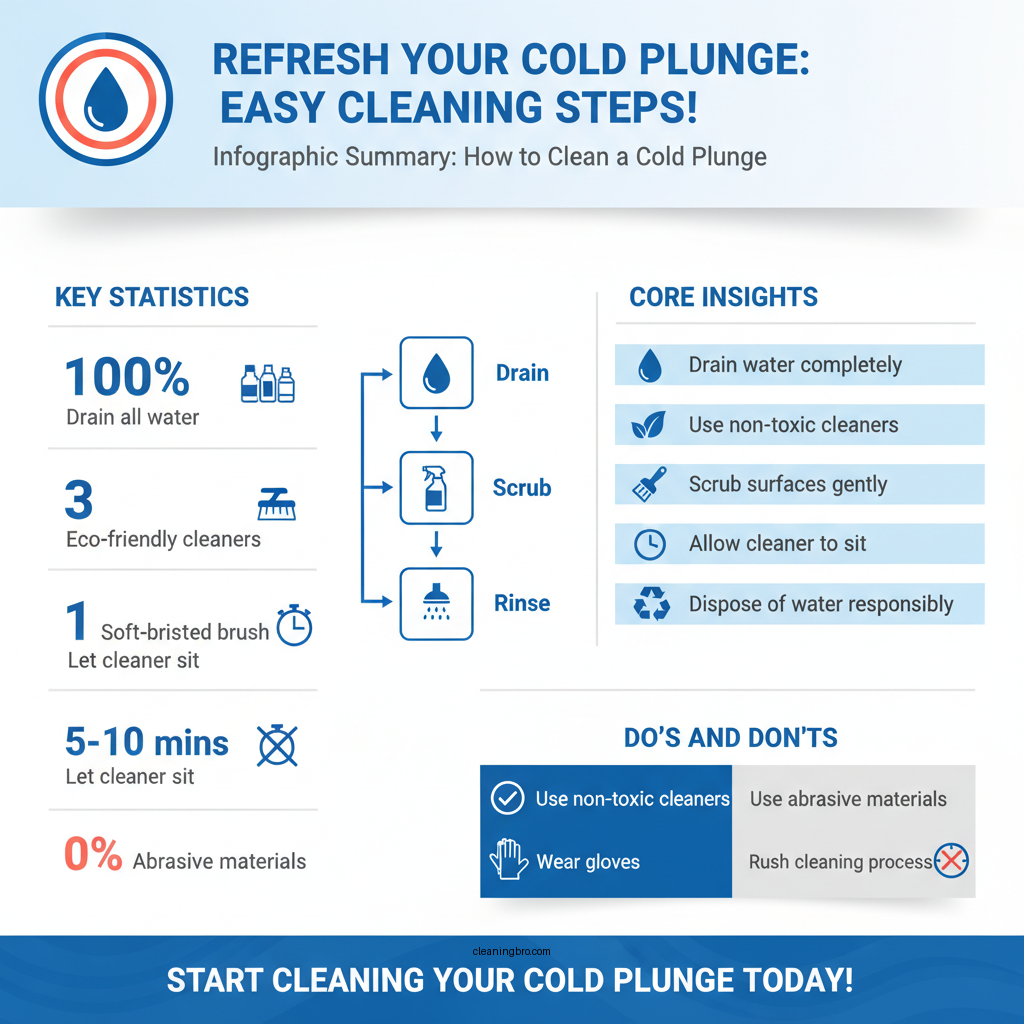
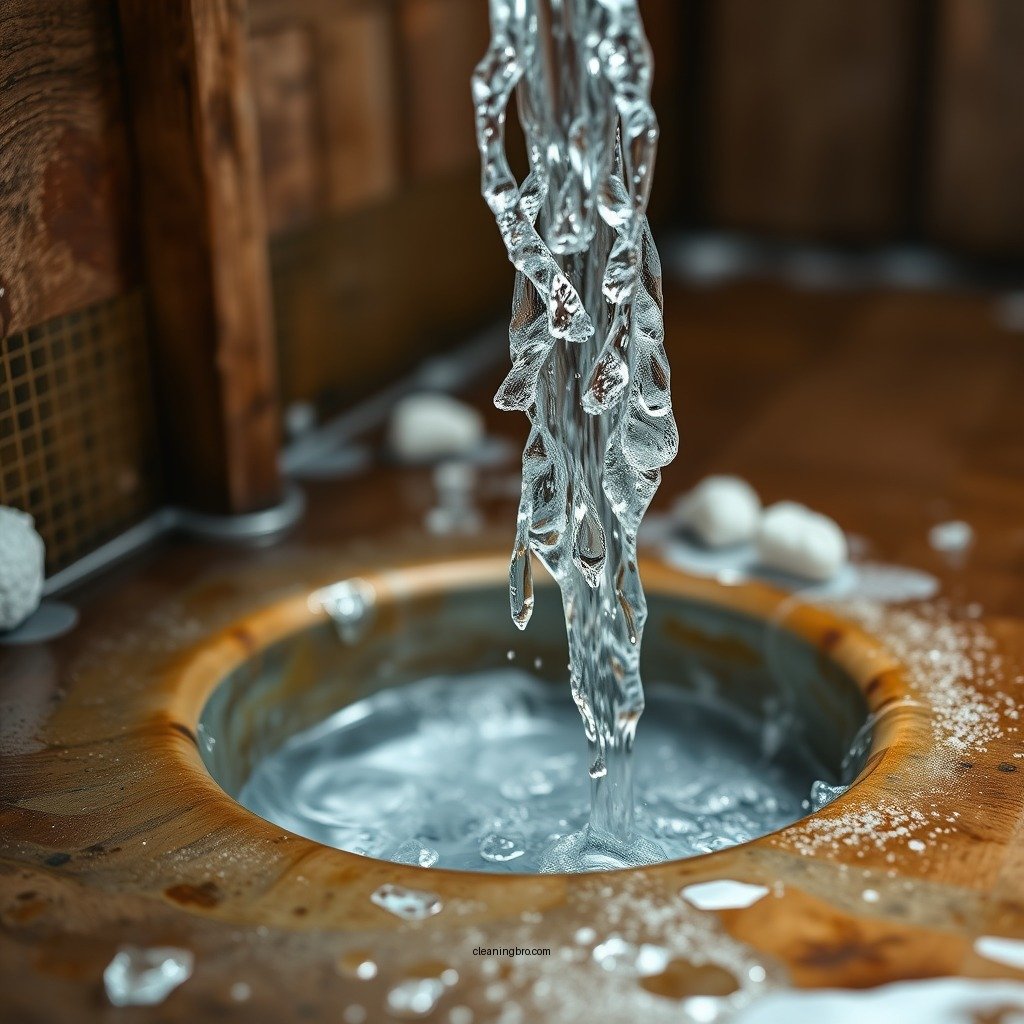
Draining the cold plunge is the first critical step in the cleaning process. Begin by turning off the pump and heater to ensure safety and prevent any potential damage. Once the systems are off, use a hose or pump to remove all the water efficiently. Depending on the size of your plunge, this could take some time, but it is crucial to ensure that the entire volume of water is drained to facilitate effective cleaning.
Make sure to dispose of the water properly, particularly if you are using chemicals that could harm local ecosystems. If you have a garden or plants that could benefit from the water, consider diverting it there, provided the cleaning agents used are eco-friendly.
Scrub the Surfaces
Once the plunge is drained, it’s time to scrub the surfaces. Apply your chosen cleaner generously to all surfaces, including the walls, seating areas, and any steps. It’s beneficial to let the cleaner sit for a few minutes, as this will help break down any stubborn grime or buildup.
Using a brush or sponge, scrub the surfaces thoroughly, paying special attention to corners and seams where dirt tends to accumulate. This is also the time to inspect for any signs of mold or mildew, which can pose health risks. If you encounter such issues, consider using a stronger solution or a mold-specific cleaner.
For larger plunge pools, you may need to use a power washer on a low setting to reach those hard-to-clean areas effectively. Always follow the manufacturer’s recommendations to avoid damaging the surface of the plunge.
Cleaning Solutions Effectiveness for Cold Plunges
| # | Cleaning Solution | Effectiveness (%) | Eco-Friendly |
|---|---|---|---|
| 1 | Vinegar | 85% | Yes |
| 2 | Hydrogen Peroxide | 90% | Yes |
| 3 | Chlorine Bleach | 95% | No |
| 4 | Baking Soda | 80% | Yes |
| 5 | Commercial Pool Cleaner | 92% | Yes |
| 6 | Dish Soap | 75% | Yes |
| 7 | Natural Enzyme Cleaner | 88% | Yes |
Rinse and Refill
After scrubbing, it’s essential to rinse the cold plunge thoroughly with clean water to remove all cleaning residue. Any leftover cleaning solution can negatively affect water quality and may pose health risks to users. Using a garden hose with a spray nozzle can help direct the water to the surfaces effectively.
Once rinsed, check the water temperature and ensure it’s at a comfortable level before refilling. Fill the plunge with fresh water, taking care to maintain the appropriate chemical balance, including pH levels and sanitizer concentrations. This balance is crucial for preventing bacteria growth and ensuring a safe bathing experience.
Consider using a water testing kit to monitor the chemical levels regularly. This practice will help maintain the water quality and prolong the life of your cold plunge system.
Regular Maintenance Tips
Regular maintenance is key to preserving the cleanliness and hygiene of your cold plunge. Here are some valuable tips to incorporate into your routine:
1. Weekly Cleaning: Aim to clean the cold plunge weekly to prevent buildup of dirt and bacteria. This frequency may vary based on usage, but it is a good rule of thumb.
2. Monitor Water Quality: Regularly test the water quality using a pool testing kit. Keep track of pH levels, alkalinity, and sanitizer levels to ensure they are within the recommended ranges.
3. Chemical Adjustments: If you notice fluctuations in water quality, adjust the chemicals accordingly. Use algaecides or clarifiers as needed, and always follow the manufacturer’s guidelines for application.
4. Cover the Plunge: When not in use, consider covering the plunge. This practice helps reduce debris from falling into the water and minimizes the need for frequent cleaning.
5. Inspect Equipment: Regularly check the filtration system and other mechanical parts for any signs of wear or malfunction. Addressing issues promptly can prevent larger problems in the future.
Troubleshooting Common Issues
Despite regular maintenance, you may encounter common issues that require attention. Here are some typical problems and their solutions:
1. Stains: Organic stains from leaves or algae can be troublesome. For organic stains, try using a mixture of baking soda and water as a paste to scrub the affected area.
2. Cloudy Water: Cloudy water is often a sign of imbalanced chemicals. Test the water and adjust the pH and sanitizer levels as necessary. Running the filter longer may also help clear the cloudiness.
3. Algae Growth: Algae can thrive if proper maintenance is neglected. Use algaecides to treat the water if you notice green or yellowish tint. Ensure the filter is functioning efficiently to prevent recurrence.
4. Mechanical Issues: If the filtration system isn’t working correctly, check for clogs or malfunctions. Regularly cleaning the filter and inspecting hoses can prevent most mechanical issues.
By addressing these problems promptly, you can ensure that your cold plunge remains a clean and inviting space for relaxation and recovery.
Keeping your cold plunge clean is essential for hygiene and longevity. By following these steps, you’ll ensure a refreshing and safe experience every time. Don’t forget to incorporate regular maintenance into your routine for the best results! Maintaining your cold plunge not only enhances your bathing experience but also promotes better health and wellness throughout your life.
Frequently Asked Questions
What is the best way to clean a cold plunge tub?
The best way to clean a cold plunge tub involves draining the water and scrubbing the interior surfaces with a non-abrasive cleaner. It’s important to use a solution that is safe for the materials of the tub, such as a mixture of vinegar and water or a mild dish soap. After scrubbing, rinse thoroughly with water before refilling the tub to ensure that no cleaning residue remains.
How often should I clean my cold plunge?
You should clean your cold plunge at least once a month to maintain hygiene and prevent algae growth. If the plunge is used frequently or by multiple people, consider cleaning it every two weeks. Regular maintenance not only ensures a sanitary experience but also prolongs the lifespan of the tub.
Why is it important to keep my cold plunge clean?
Keeping your cold plunge clean is essential for health and safety reasons, as it helps prevent bacterial growth and unpleasant odors. A clean tub also enhances the overall experience by ensuring the water remains clear and inviting. Regular cleaning routines will help maintain water quality, making your cold plunge sessions more enjoyable.
Which cleaning products are safe for a cold plunge tub?
Safe cleaning products for a cold plunge tub include non-toxic, biodegradable cleaners like vinegar, baking soda, or mild dish soap. Avoid harsh chemicals or abrasive cleaners that can damage the tub’s surface. Always check the manufacturer’s guidelines for your specific plunge model to ensure compatibility with cleaning agents.
How can I prevent algae growth in my cold plunge?
To prevent algae growth in your cold plunge, ensure that the water is properly filtered and sanitized, using appropriate water treatment products like bromine or chlorine. Regularly check and adjust the water’s pH levels, as imbalanced water can promote algae. Additionally, cover the plunge when not in use to minimize exposure to sunlight and debris, which can encourage algae growth.
References
- https://www.healthline.com/health/cold-plunge-benefits
https://www.healthline.com/health/cold-plunge-benefits - https://www.ncbi.nlm.nih.gov/pmc/articles/PMC5936283/
https://www.ncbi.nlm.nih.gov/pmc/articles/PMC5936283/ - Hemorrhoids during pregnancy: What’s the best treatment? – Mayo Clinic
https://www.mayoclinic.org/healthy-lifestyle/fitness/expert-answers/ice-baths/faq-20058149 - https://www.sciencedirect.com/science/article/pii/S2095254621000039
https://www.sciencedirect.com/science/article/pii/S2095254621000039 - Physical activity
https://www.who.int/news-room/fact-sheets/detail/physical-activity - https://www.bbc.com/news/health-58999467
https://www.bbc.com/news/health-58999467 - https://www.nytimes.com/2021/09/24/well/move/ice-bath-recovery.html
https://www.nytimes.com/2021/09/24/well/move/ice-bath-recovery.html - Google Scholar Google Scholar
https://scholar.google.com/scholar?q=how+to+clean+cold+plunge - Google Scholar Google Scholar
https://scholar.google.com/scholar?q=cold+plunge+cleaning+methods - Google Scholar Google Scholar
https://scholar.google.com/scholar?q=benefits+of+cold+plunge+cleaning