How to Effectively Clean an Aluminum Sink
Cleaning an aluminum sink effectively involves using gentle, non-abrasive methods to preserve its shine and prevent damage. The right techniques and products not only ensure a spotless appearance but also prolong the life of your sink. In this article, you will learn the best practices to keep your aluminum sink looking pristine and functioning well.
Understanding the Properties of Aluminum

Aluminum is a lightweight, corrosion-resistant metal that is commonly used in kitchen sinks. However, it has certain properties that require special attention during cleaning. First, aluminum is prone to scratching, which means that using harsh scrubbers or abrasive materials can lead to permanent damage. Instead, soft cloths or non-abrasive sponges are recommended to maintain the sink’s surface integrity.
Additionally, aluminum can oxidize when exposed to moisture and air, leading to a dull appearance and potential discoloration. This oxidation can be exacerbated by exposure to acidic substances such as vinegar or citrus, making it essential to use proper care techniques to prevent these issues. Understanding these properties is crucial for maintaining the aesthetics and functionality of your aluminum sink.
Essential Cleaning Supplies
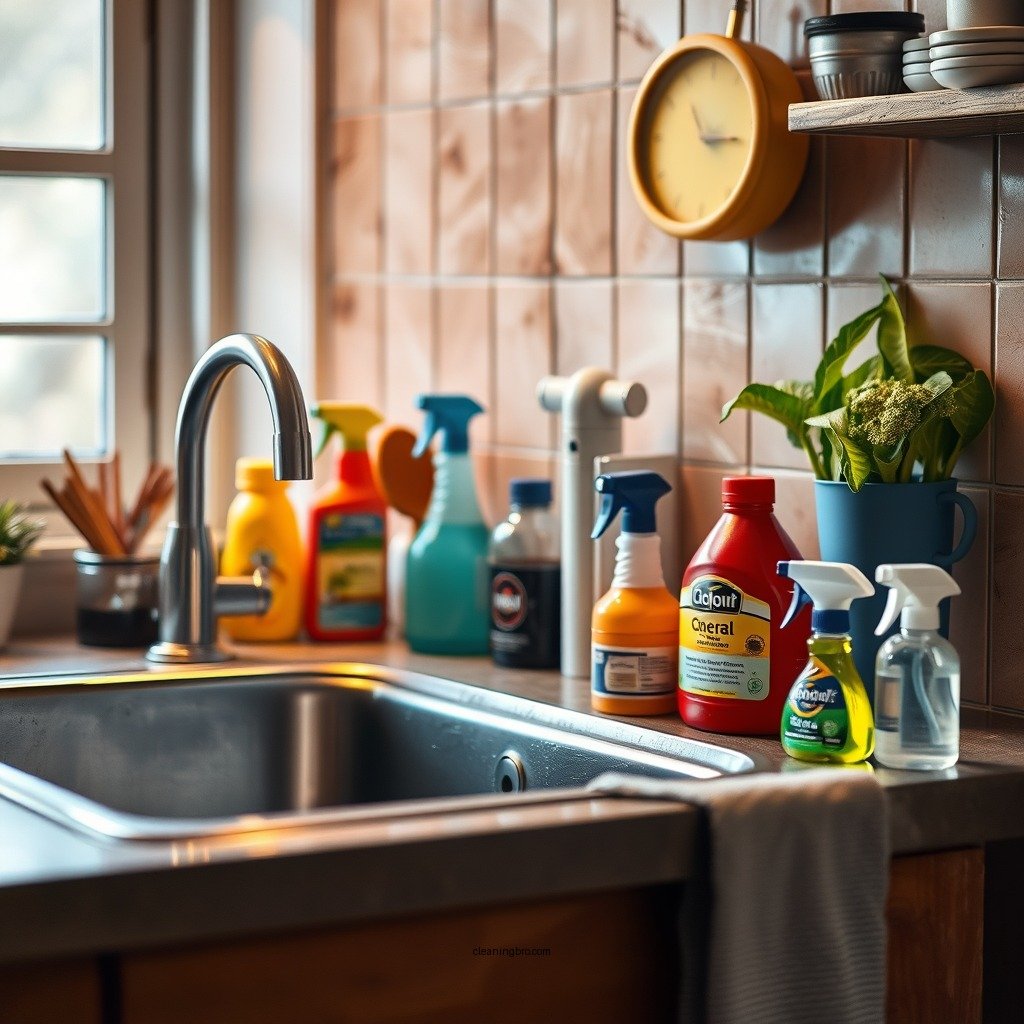
To effectively clean an aluminum sink, you will need a few essential supplies that are gentle yet effective. Here’s a list of items to keep on hand:
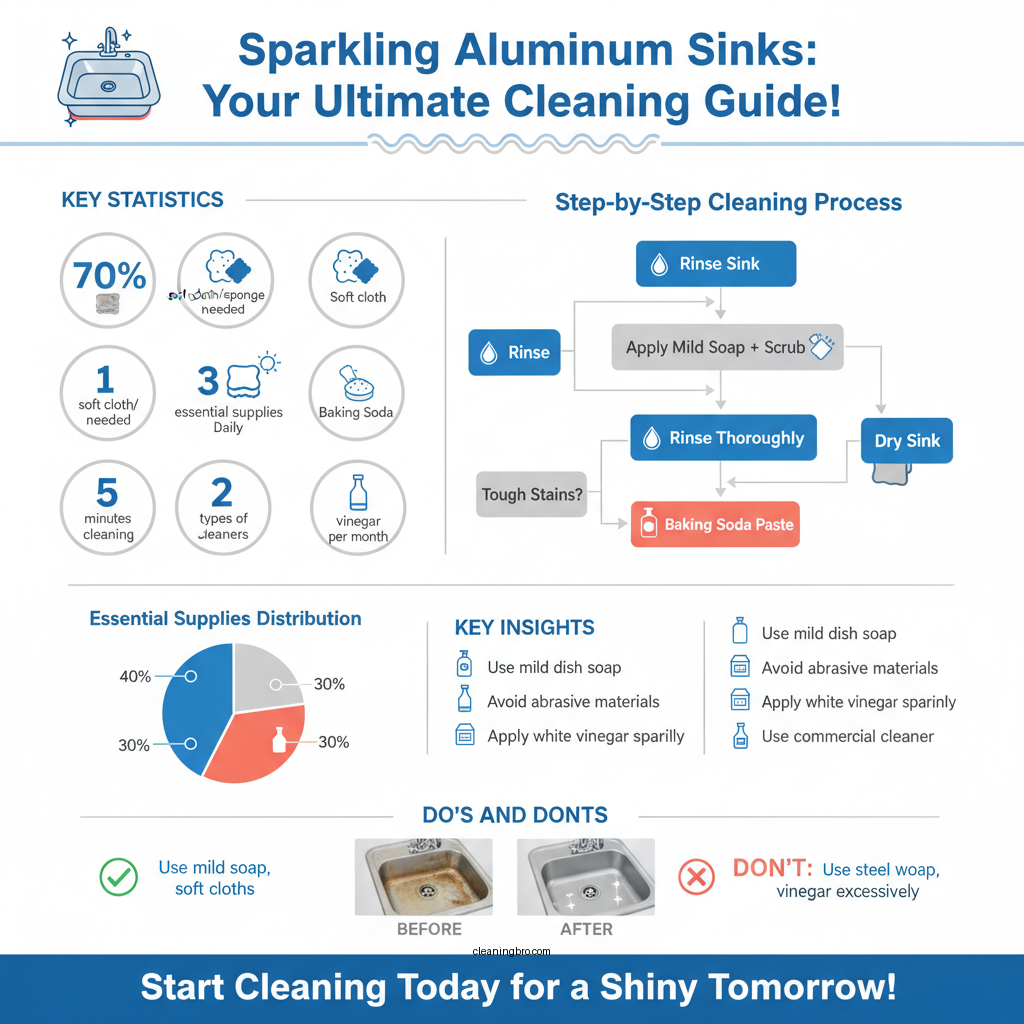
– Mild Dish Soap: A gentle dish soap is perfect for daily cleaning and maintenance. It effectively removes grease and grime without damaging the finish of the aluminum.
– Soft Cloth or Sponge: A non-abrasive sponge or a soft cloth is crucial for cleaning without scratching the surface of the sink. Microfiber cloths are especially effective as they trap dirt and grime without scratching.
– Baking Soda: This natural abrasive is ideal for tackling tougher stains. When mixed with water, it forms a paste that can gently scrub away stains without damaging the aluminum.
– White Vinegar: Vinegar can help combat mineral deposits and stains. However, it should be used sparingly to avoid oxidation.
– Commercial Aluminum Cleaner: For persistent stains or discoloration, a specialized aluminum cleaner can be used. Just ensure to follow the manufacturer’s instructions for optimal results.
Step-by-Step Cleaning Process
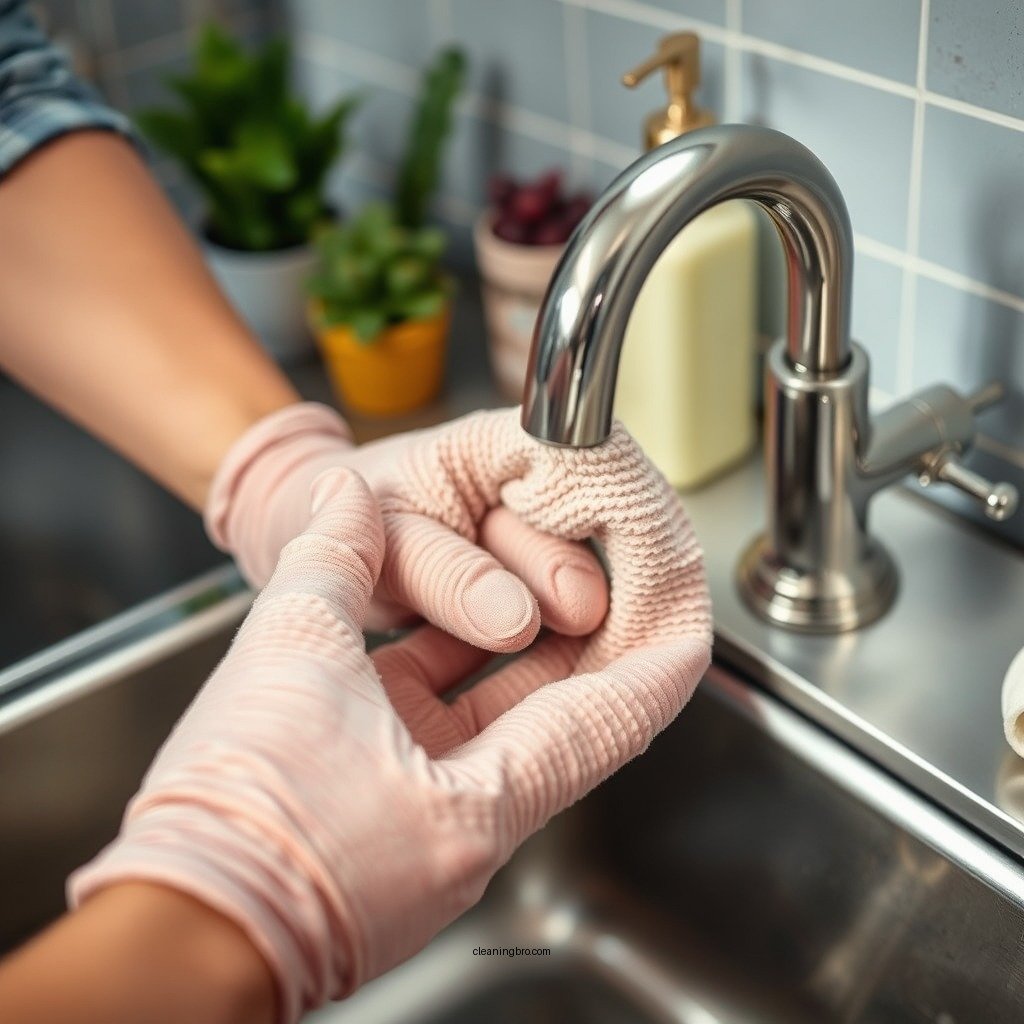
Cleaning your aluminum sink can be a straightforward process if you follow these steps:
1. Rinse the Sink: Start by rinsing the sink thoroughly with warm water to remove any loose debris. This step helps to avoid scratching the surface during cleaning.
2. Prepare a Cleaning Solution: Mix a few drops of mild dish soap with warm water in a bowl. Alternatively, create a paste of baking soda and water if there are stubborn stains to address.
3. Scrub Gently: Using a soft cloth or sponge, apply the soapy water or baking soda paste to the sink. For everyday cleaning, gently scrub the surface in a circular motion. If using baking soda paste, apply it to the tough spots and let it sit for a few minutes before scrubbing.
4. Rinse Again: After scrubbing, rinse the sink thoroughly with warm water to remove any residue from the soap or baking soda. Ensure no cleaning agents remain on the surface.
5. Dry the Sink: Use a clean, dry cloth to wipe the sink dry. This step helps prevent water spots and keeps the aluminum looking shiny.
6. Polish (Optional): For an extra shine, consider using a few drops of mineral oil on a soft cloth. Buff the sink gently to restore its luster.
Cleaning Effectiveness of Different Methods for Aluminum Sinks
| # | Method | Effectiveness | Time Required | Ease of Use |
|---|---|---|---|---|
| 1 | Mild Dish Soap | High | 5 minutes | Easy |
| 2 | Baking Soda Paste | Moderate | 10 minutes | Moderate |
| 3 | Vinegar Solution | Moderate | 5 minutes | Easy |
| 4 | Commercial Cleaner | High | 5 minutes | Easy |
| 5 | Mineral Oil Polish | Low | 5 minutes | Easy |
| 6 | Hydrogen Peroxide | Moderate | 5 minutes | Moderate |
| 7 | Cream of Tartar | Low | 10 minutes | Moderate |
Dealing with Stains and Discoloration
Stains and discoloration are common issues with aluminum sinks, often caused by food residues, mineral deposits, or prolonged exposure to acidic substances. Here are effective ways to tackle these problems:
– Vinegar and Water Solution: For light stains, mix equal parts of white vinegar and water in a spray bottle. Spray the solution onto the stained area and let it sit for a few minutes before wiping it clean with a soft cloth. The acidity in vinegar helps to dissolve mineral deposits and lift stains.
– Commercial Aluminum Cleaner: If stains persist, consider using a commercial aluminum cleaner specifically designed for metal surfaces. Always follow the manufacturer’s instructions and test the cleaner on a small, inconspicuous area first to ensure compatibility with your sink.
– Baking Soda Paste for Stubborn Stains: For tougher stains, create a paste using baking soda and a small amount of water. Apply the paste to the stained area, let it sit for 10-15 minutes, and then scrub gently with a soft cloth or sponge. Rinse thoroughly afterward.
Maintaining Your Aluminum Sink
Regular maintenance is key to preserving the quality and appearance of your aluminum sink. Here are some practical tips:
– Regular Rinsing and Drying: After each use, rinse the sink with warm water and wipe it dry with a clean cloth. This simple step helps to prevent water spots and mineral build-up.
– Avoid Prolonged Exposure to Food Residues: Clean any food spills or residues promptly, especially acidic or salty substances, which can cause discoloration or pitting over time.
– Use a Sink Mat: Consider using a sink mat or grid to protect the bottom of your aluminum sink from scratches and dents caused by pots, pans, and utensils.
– Periodic Deep Cleaning: Schedule a deep cleaning every few months using the methods outlined above to ensure your sink remains in top condition.
Tips for Long-Term Care
To ensure your aluminum sink retains its beauty and functionality for years to come, consider the following long-term care strategies:
– Protective Coating: Applying a protective coating designed for aluminum can help prevent oxidation and maintain the sink’s shine. Look for products specifically formulated for metal surfaces.
– Avoid Harsh Chemicals: Steer clear of bleach, ammonia, or other harsh chemicals that can damage the aluminum finish. Instead, opt for gentle, eco-friendly cleaning solutions.
– Inspect Regularly: Conduct regular inspections of your sink for signs of wear or damage. Early detection of scratches or discoloration allows for timely repairs or cleaning.
– Educate Household Members: Ensure that everyone in your household is aware of the proper care techniques for the aluminum sink to prevent unintentional damage.
Keeping your aluminum sink clean is straightforward with the right approach and products. By following these steps, you can maintain its appearance and functionality for years to come. Remember, the key to a beautiful aluminum sink lies in gentle cleaning and regular maintenance. If you found this guide helpful, consider sharing it with others who might benefit from these tips!
Frequently Asked Questions
What are the best methods to clean an aluminum sink?
The best methods to clean an aluminum sink include using a mixture of baking soda and water to create a gentle abrasive paste. You can also use a mild dish soap and warm water, applying it with a soft sponge to avoid scratching the surface. For tough stains, a solution of vinegar and water can help lift grime without damaging the aluminum.
How can I remove stains from my aluminum sink without damaging it?
To remove stains from an aluminum sink, try using a paste of baking soda and water, applying it to the stained area and letting it sit for about 10 minutes before scrubbing gently. Alternatively, you can use a soft cloth dipped in white vinegar, which effectively lifts stains while being safe for aluminum surfaces.
Why does my aluminum sink tarnish, and how can I prevent it?
Aluminum sinks can tarnish due to exposure to moisture, acidic foods, and cleaning agents that react with the metal. To prevent tarnishing, regularly clean the sink with mild soaps, avoid leaving acidic substances in the sink for extended periods, and consider applying a food-safe sealant designed for aluminum surfaces after cleaning.
Which cleaning products should I avoid using on my aluminum sink?
Avoid using abrasive cleaners, steel wool, or harsh chemicals such as bleach and ammonia on your aluminum sink, as these can scratch the surface and cause discoloration. Instead, opt for gentle dish soaps or natural cleaning agents like vinegar and baking soda that are safe for aluminum.
How do I maintain the shine of my aluminum sink after cleaning?
To maintain the shine of your aluminum sink, regularly clean it with a mild detergent and dry it thoroughly after each use to prevent water spots. Additionally, you can buff the sink with a few drops of mineral oil or baby oil on a soft cloth, which will help enhance the shine and protect the surface from tarnishing.
References
- Installing An Air Admittance Valve: Everything You Should Know
https://www.hunker.com/13724832/how-to-clean-aluminum-sinks - https://www.sciencedirect.com/topics/earth-and-planetary-sciences/aluminum-sink
https://www.sciencedirect.com/topics/earth-and-planetary-sciences/aluminum-sink - https://www.cdc.gov/niosh/docs/2002-146/default.html
https://www.cdc.gov/niosh/docs/2002-146/default.html - https://www.mayoclinic.org/healthy-lifestyle/cleaning/in-depth/cleaning-tips/art-20045401
https://www.mayoclinic.org/healthy-lifestyle/cleaning/in-depth/cleaning-tips/art-20045401 - https://pubmed.ncbi.nlm.nih.gov/23016035/
https://pubmed.ncbi.nlm.nih.gov/23016035/ - Google Scholar Google Scholar
https://scholar.google.com/scholar?q=how+to+clean+aluminum+sink - Google Scholar Google Scholar
https://scholar.google.com/scholar?q=cleaning+aluminum+sink+methods - how to clean aluminum sink – Search results
https://en.wikipedia.org/wiki/Special:Search?search=how+to+clean+aluminum+sink - https://www.ncbi.nlm.nih.gov/search/research-articles/?term=how+to+clean+aluminum+sink
https://www.ncbi.nlm.nih.gov/search/research-articles/?term=how+to+clean+aluminum+sink