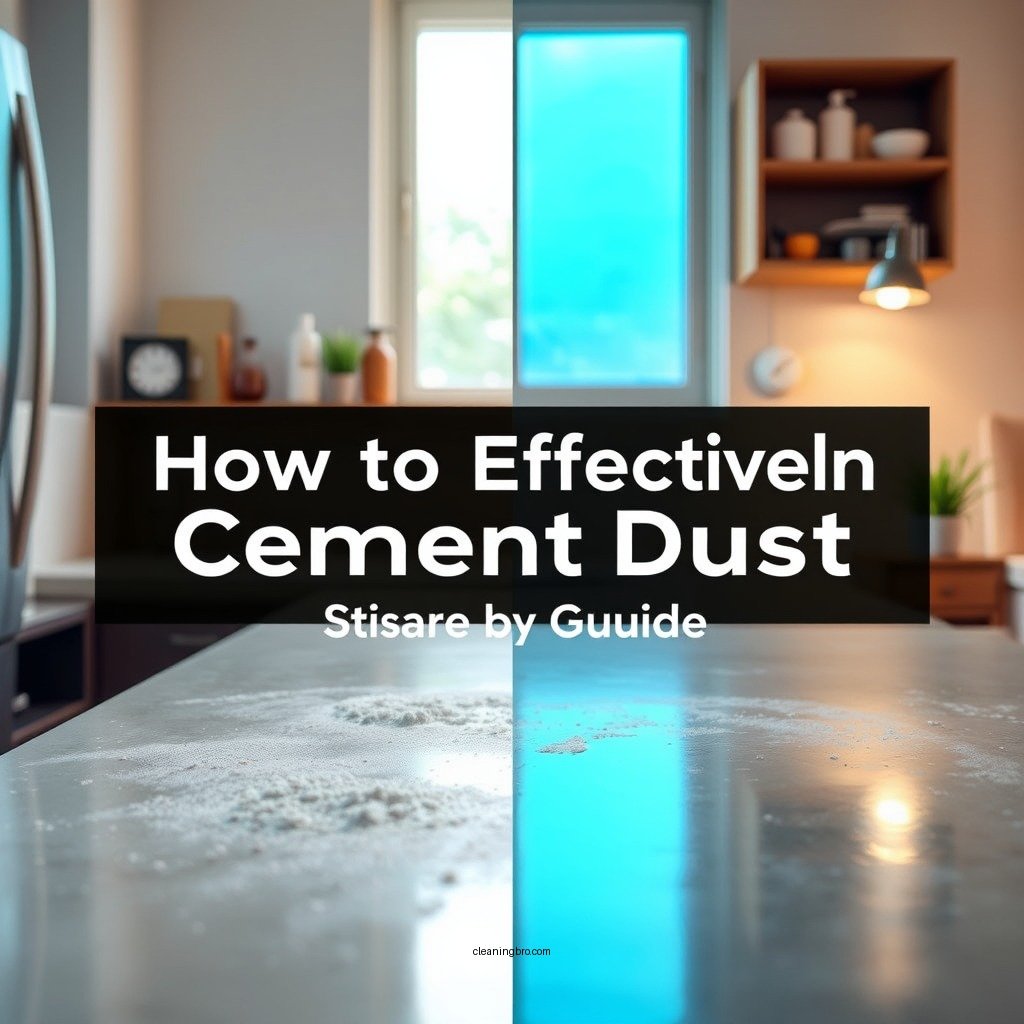
How to Effectively Clean Cement Dust: A Step-by-Step Guide
Cleaning cement dust can be accomplished efficiently with the right techniques and tools. To effectively remove cement dust from surfaces, it’s important to use proper cleaning methods and materials. This article will guide you through the best practices for tackling cement dust, ensuring a clean and dust-free environment.
Understanding Cement Dust
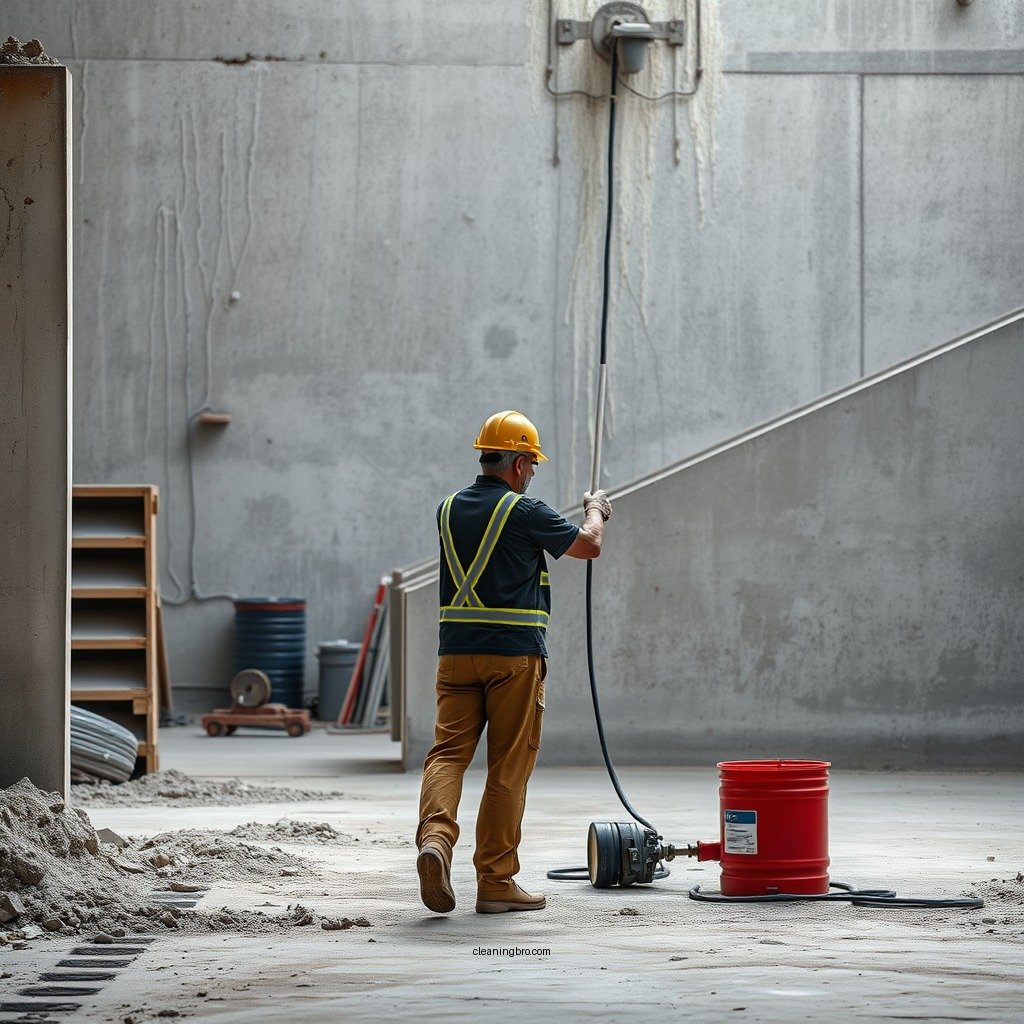
Cement dust is a fine particulate matter produced during the mixing, pouring, or grinding of cement. It can originate from construction sites, renovation projects, or even from improperly stored cement bags that can release dust into the air. The dust contains not only cement particles but also potentially harmful silica, making effective cleaning essential for both cleanliness and safety.
Common surfaces affected by cement dust include floors, walls, furniture, and outdoor areas like patios and driveways. It can be particularly stubborn on porous surfaces, where it can penetrate and adhere, complicating the cleaning process. Understanding these characteristics is crucial for determining the best cleaning methods to employ.
Essential Tools and Materials
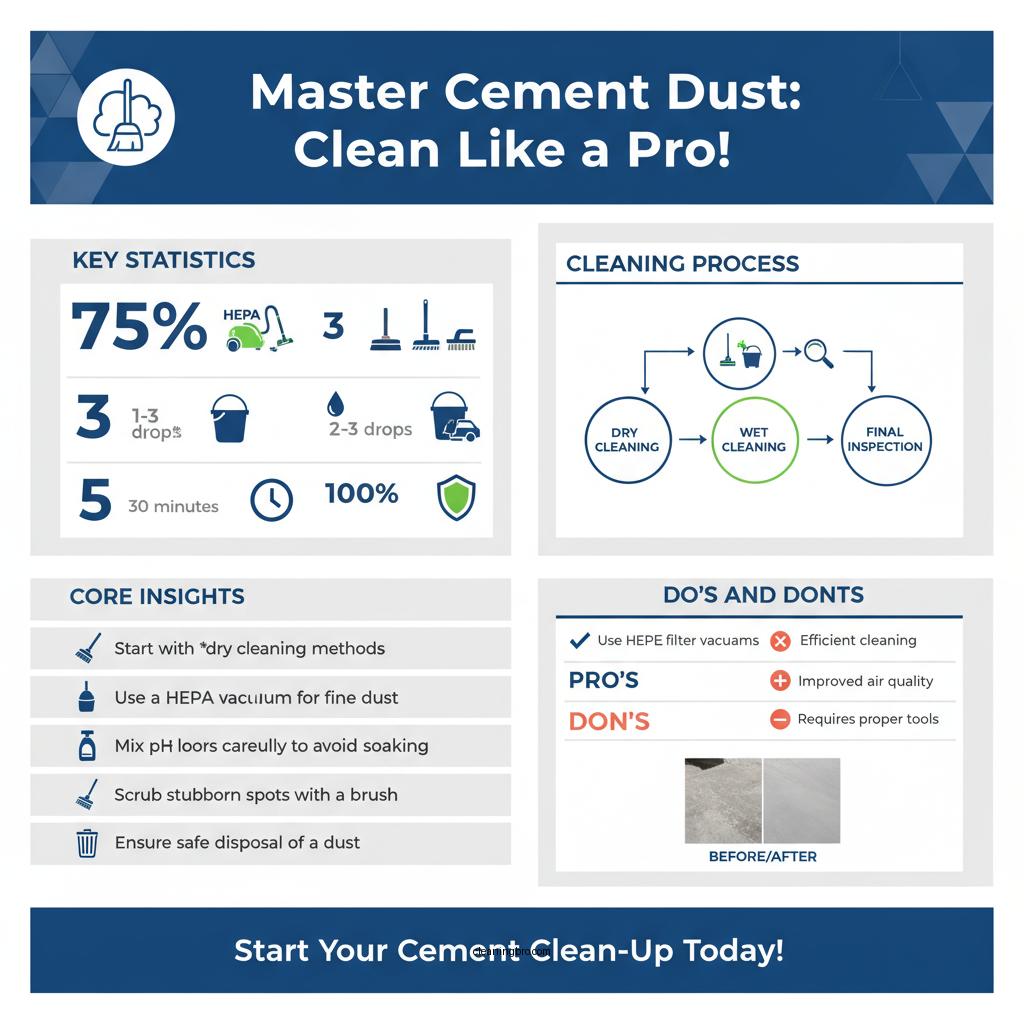
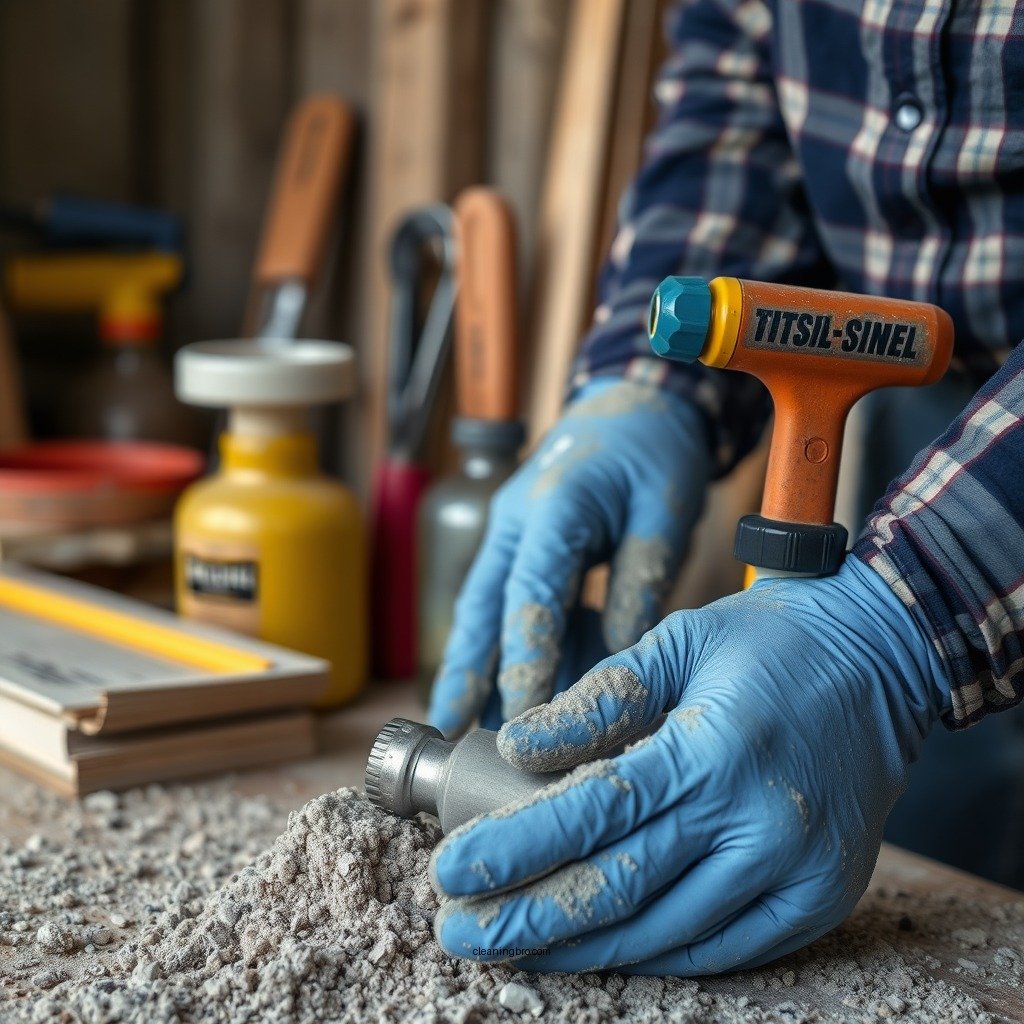
Cleaning cement dust requires specific tools and materials to ensure efficiency and effectiveness. Here’s a comprehensive list of what you’ll need:
– Dry Cleaning Tools:
– Vacuum cleaner with a HEPA filter: Ideal for capturing fine dust particles.
– Broom and dustpan: For sweeping up larger debris.
– Microfiber cloths: Effective for trapping dust without scratching surfaces.
– Wet Cleaning Tools:
– Mop: For damp cleaning of floors.
– Scrub brush: Particularly useful for stubborn stains or textured surfaces.
– Bucket: For mixing cleaning solutions.
– Cleaning Agents:
– Vinegar: A natural, mild acid that can help dissolve cement dust and neutralize odors.
– pH-neutral cleaners: Specifically designed for cleaning cement and masonry surfaces without causing damage.
– Commercial cement dust removers: Available at hardware stores for more challenging clean-ups.
Step-by-Step Cleaning Process
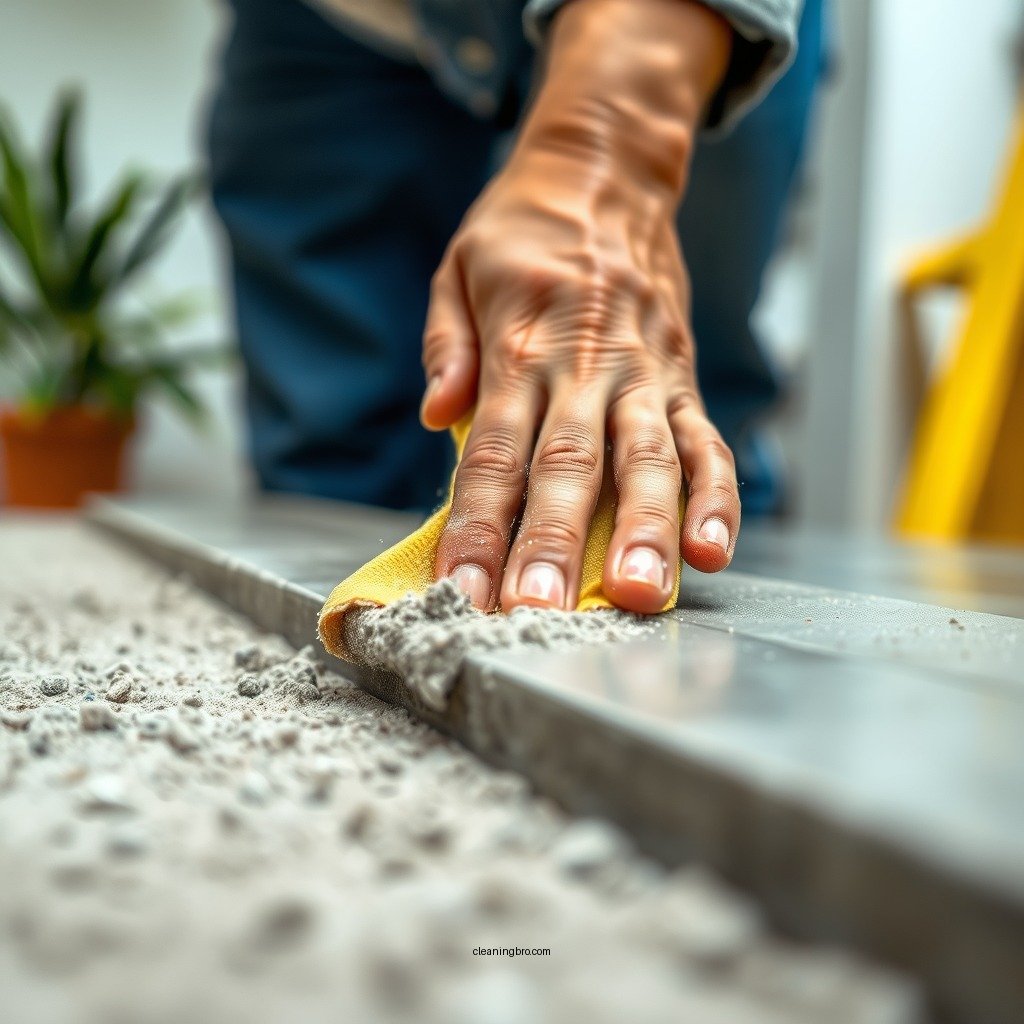
Initial Dry Cleaning Methods
1. Sweep the Area: Begin by using a broom to remove loose dust and debris. Make sure to sweep from the edges toward the center of the area to gather dust effectively.
2. Vacuum Thoroughly: Use a vacuum cleaner with a HEPA filter to ensure that even the finest particles are trapped. Vacuum all surfaces, including corners and crevices where dust tends to accumulate.
Wet Cleaning Techniques
1. Prepare a Cleaning Solution: Mix a solution of water and a few drops of pH-neutral cleaner or vinegar in a bucket.
2. Mop the Floors: Using a damp mop, clean the floor surfaces thoroughly. Be cautious with porous materials, ensuring not to soak them excessively.
3. Scrub Stubborn Areas: For stubborn patches of cement dust, use a scrub brush dipped in the cleaning solution. Apply some elbow grease, as this might require extra effort.
4. Rinse and Dry: After scrubbing, use clean water to mop over the area again, removing any cleaning residue. Allow the floor to dry completely to prevent slipping.
Top 7 Common Cleaning Products for Cement Dust (2024)
| # | Product Name | Type | Effectiveness | Price |
|---|---|---|---|---|
| 1 | Zep Heavy-Duty Concrete Cleaner | Liquid | Excellent | $12.99 |
| 2 | Simple Green All-Purpose Cleaner | Liquid | Good | $6.49 |
| 3 | Rust-Oleum Concrete Cleaner | Liquid | Very Good | $10.99 |
| 4 | Dumond Smart Strip | Gel | Excellent | $22.99 |
| 5 | Krud Kutter Concrete Cleaner | Liquid | Very Good | $9.99 |
| 6 | OxiClean MaxForce | Liquid | Good | $8.99 |
| 7 | Masonry Cleaner by EcoFast | Liquid | Very Good | $14.99 |
Safety Precautions
When cleaning cement dust, safety should be your top priority. Cement dust can be harmful if inhaled or if it comes into contact with your skin. Here are essential safety precautions to take:
– Protective Gear: Always wear a dust mask or respirator to safeguard your lungs from inhaling fine particles. Additionally, use nitrile or rubber gloves to protect your skin from irritation.
– Ventilation: Ensure that the area is well-ventilated. Open windows and doors, and use fans to circulate air while cleaning.
– Eye Protection: Consider wearing safety goggles to prevent dust particles from getting into your eyes, especially during the scrubbing phase.
Preventing respiratory issues and skin irritation is crucial for maintaining your overall health while dealing with cement dust.
Maintaining a Dust-Free Environment
To keep your environment free of cement dust, regular cleaning should be part of your maintenance routine. Here are some strategies:
– Regular Cleaning Schedule: Set a weekly cleaning schedule to vacuum and wipe down surfaces. This helps prevent the buildup of dust and makes deep cleaning less daunting.
– Seal Surfaces: Consider applying a sealant to porous surfaces such as concrete and masonry. This not only helps to reduce dust adherence but also protects against moisture and staining.
– Minimize Dust Production: During construction or renovation, use tarps and coverings to prevent dust from spreading. Additionally, regularly wetting the area can help keep dust down.
Additional Tips for Specific Surfaces
Different surfaces require tailored cleaning approaches for optimal results:
– Cement Floors: For cement floors, use a heavy-duty concrete cleaner and a mop. Be sure to scrub any stains with a brush for the best results.
– Walls: Cement dust can cling to walls. Use a damp microfiber cloth to wipe down walls, and consider using a sponge for textured surfaces.
– Outdoor Areas: For patios or driveways, a pressure washer can be highly effective. Just be cautious with the settings to avoid damaging the surface.
Troubleshooting Common Issues
Despite your best efforts, you may encounter challenges while cleaning cement dust:
– Stubborn Cement Dust Stains: For particularly stubborn stains, apply a stronger cleaning agent and let it sit for a few minutes before scrubbing. Repeat as necessary.
– Residual Dust After Cleaning: If dust remains after cleaning, consider a secondary vacuuming to ensure all particles are removed. You may also want to invest in a dust mop for a final pass.
By following this comprehensive guide, you can effectively clean cement dust and maintain a tidy environment. Cleaning cement dust doesn’t have to be a daunting task. By following these steps and using the right tools, you can ensure that your space remains clean and free of cement residue. Start with the recommended cleaning methods and remember to prioritize safety. For best results, consider implementing a regular cleaning routine to keep dust at bay.
Frequently Asked Questions
What are the best methods to clean cement dust from floors?
The best methods to clean cement dust from floors include using a vacuum cleaner equipped with a HEPA filter to trap fine particles, followed by mopping with a damp microfiber cloth or mop to capture any remaining dust. For tough stains, a mixture of water and mild detergent can be applied to the area, scrubbed gently, and then rinsed with clean water to ensure no residue is left behind.
How do I remove cement dust from furniture and surfaces?
To remove cement dust from furniture and surfaces, start by using a dry microfiber cloth to wipe away loose dust. For stubborn residues, lightly dampen the cloth with water or a gentle cleaning solution, and wipe the surfaces again, ensuring to avoid saturating the materials, which could cause damage.
Why is it important to clean cement dust promptly?
Cleaning cement dust promptly is important because it can be abrasive and may damage surfaces over time if left untreated. Additionally, inhaling cement dust can pose health risks, including respiratory issues, making it crucial to maintain a clean environment for both safety and aesthetic reasons.
Which tools are recommended for cleaning cement dust effectively?
Recommended tools for effectively cleaning cement dust include a high-efficiency particulate air (HEPA) vacuum for initial dust removal, microfiber cloths for surfaces, and a mop with a gentle detergent for floors. Using a dust mask and safety goggles during cleanup can also protect against inhaling harmful particles.
What should I avoid when cleaning cement dust to prevent damage?
When cleaning cement dust, avoid using abrasive scrubbers or harsh chemicals that can scratch or damage surfaces. Additionally, do not use excessive water, as it can lead to more dust settling and potentially damage porous materials like wood or drywall.
References
- https://www.cdc.gov/niosh/docs/2017-140/pdfs/2017-140.pdf
https://www.cdc.gov/niosh/docs/2017-140/pdfs/2017-140.pdf - https://www.epa.gov/air-research/particulate-matter-research
https://www.epa.gov/air-research/particulate-matter-research - Detail
https://www.who.int/news-room/fact-sheets/detail/air-pollution - https://www.ncbi.nlm.nih.gov/pmc/articles/PMC6788140/
https://www.ncbi.nlm.nih.gov/pmc/articles/PMC6788140/ - https://www.ncbi.nlm.nih.gov/pmc/articles/PMC5510609/
https://www.ncbi.nlm.nih.gov/pmc/articles/PMC5510609/ - https://scholar.google.com/scholar?q=how+to+clean+cement+dust Google Scholar
https://scholar.google.com/scholar?q=how+to+clean+cement+dust - Google Scholar Google Scholar
https://scholar.google.com/scholar?q=cement+dust+cleaning+methods - Google Scholar Google Scholar
https://scholar.google.com/scholar?q=cement+dust+health+effects+prevention - how to clean cement dust – Search results
https://en.wikipedia.org/wiki/Special:Search?search=how+to+clean+cement+dust - https://www.ncbi.nlm.nih.gov/search/research-articles/?term=how+to+clean+cement+dust
https://www.ncbi.nlm.nih.gov/search/research-articles/?term=how+to+clean+cement+dust