How to Effectively Clean Off Silicone Lubricant
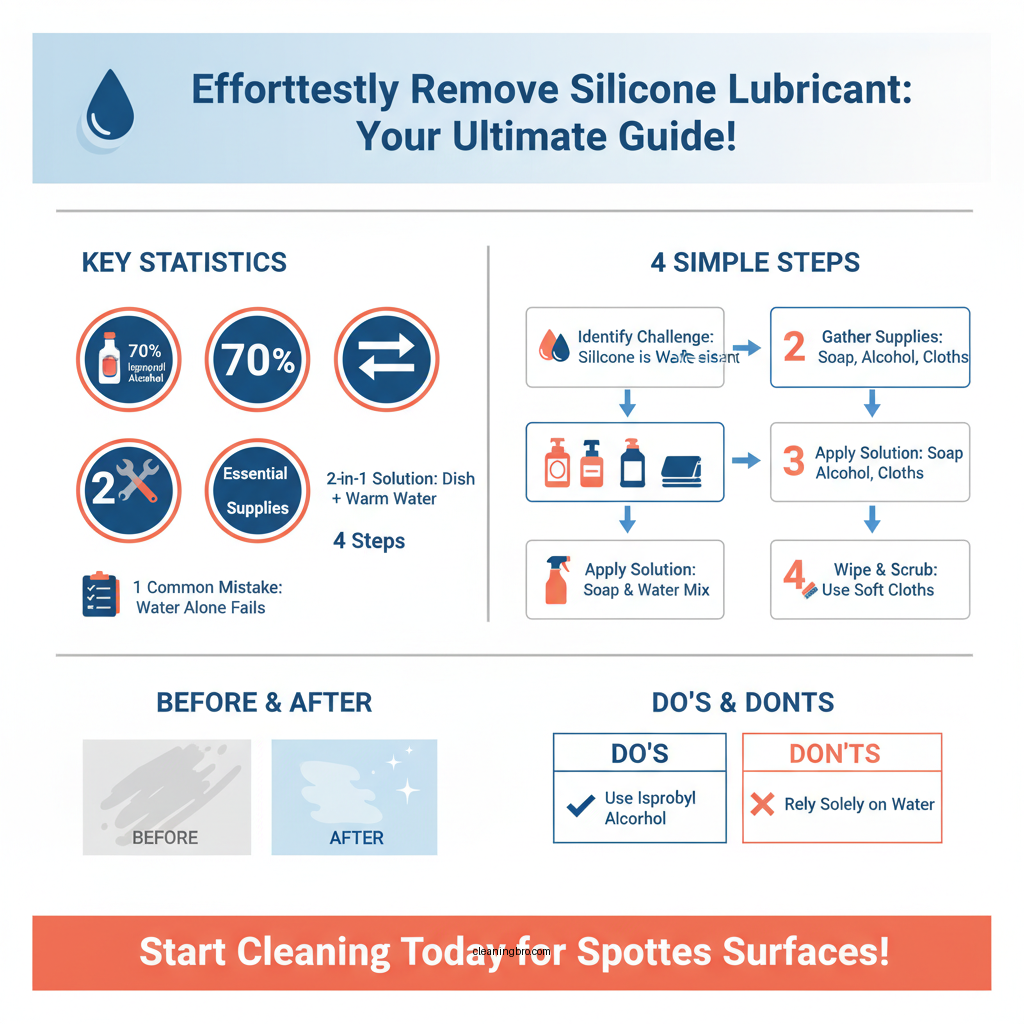
Cleaning off silicone lubricant can be challenging, but with the right techniques and materials, it can be done effectively. This guide will provide you with step-by-step instructions to remove silicone lubricant from various surfaces, ensuring you get your items clean without damage. By following the methods outlined in this article, you can tackle any residue left by silicone lubricants efficiently and restore your surfaces to their original condition.
Understanding Silicone Lubricant
Silicone lubricant is a versatile and widely used product known for its water-resistant properties and long-lasting effects. It is commonly employed in various applications, including automotive maintenance, household tasks, and personal care products, such as those in the sexual wellness industry. While its effectiveness in reducing friction and providing lubrication is well recognized, its chemical composition makes it particularly challenging to remove once applied. Traditional cleaning methods often fall short, leading to frustration when trying to clean surfaces or fabrics stained with silicone lubricant.
Silicone lubricants are typically made from silicone polymers, which do not mix well with water or other common cleaning agents. This characteristic is what makes them so effective at their intended uses but also contributes to the difficulty in cleaning them off. Understanding the nature of silicone lubricant is crucial for choosing the appropriate cleaning techniques and materials to ensure effective removal without causing damage.
Essential Cleaning Supplies
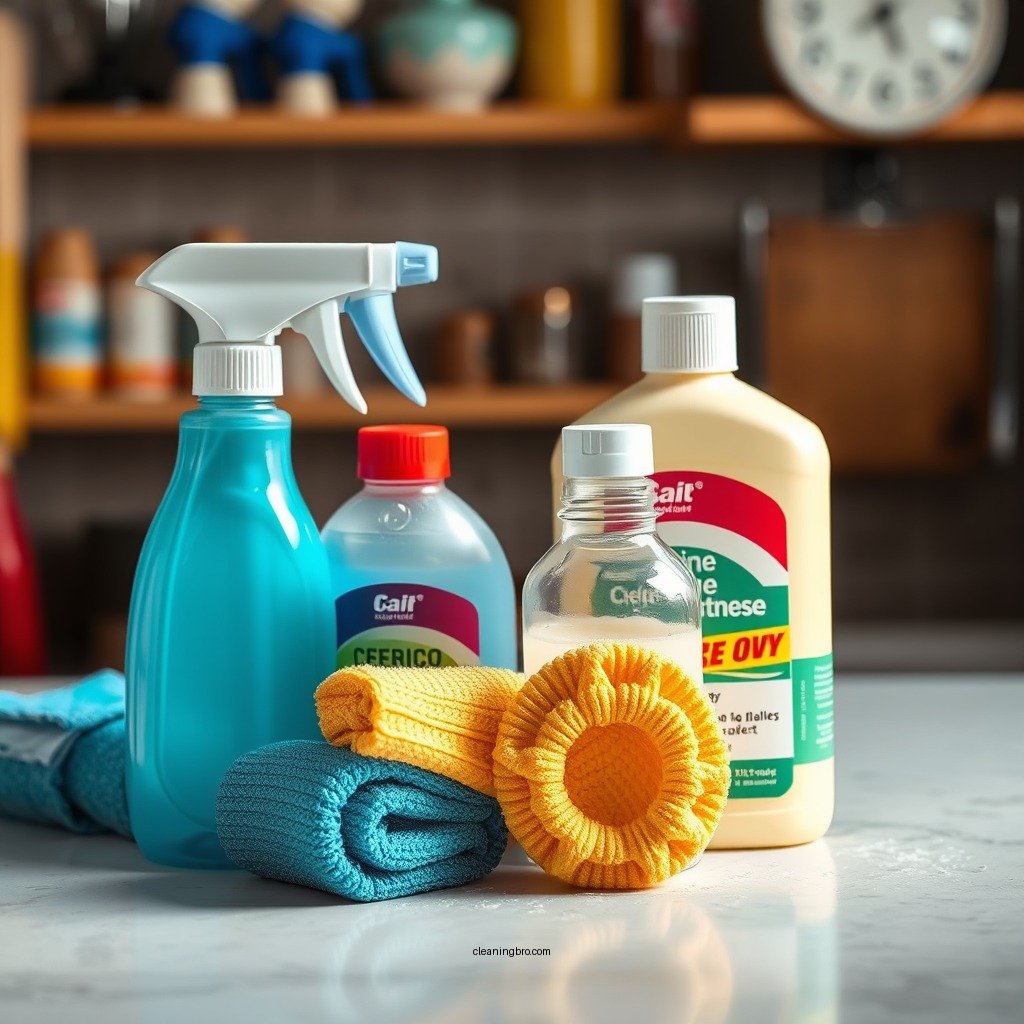
To effectively clean silicone lubricant, you will need specific cleaning supplies that can break down silicone residues. Here is a list of essential items to gather before starting the cleaning process:
– Mild Dish Soap: A solution of mild dish soap mixed with warm water is often effective at breaking down silicone residues. Look for a product that is biodegradable and free from harsh chemicals to protect surfaces.
– Rubbing Alcohol or Isopropyl Alcohol: This solvent helps dissolve silicone lubricants effectively. A concentration of at least 70% isopropyl alcohol is recommended for optimal results.
– Soft Cloths or Paper Towels: These are necessary for applying the cleaners and wiping surfaces. Ensure that the cloths are clean and free from lint to avoid leaving additional residues.
– Baking Soda: This gentle abrasive can be used in combination with liquid cleaners for tougher stains, particularly on durable surfaces.
– Commercial Silicone Removers: While these may not be necessary for all cleaning tasks, they can be effective for particularly stubborn residues. Ensure they are safe for the specific type of surface you are cleaning.
Step-by-Step Cleaning Process for Surfaces
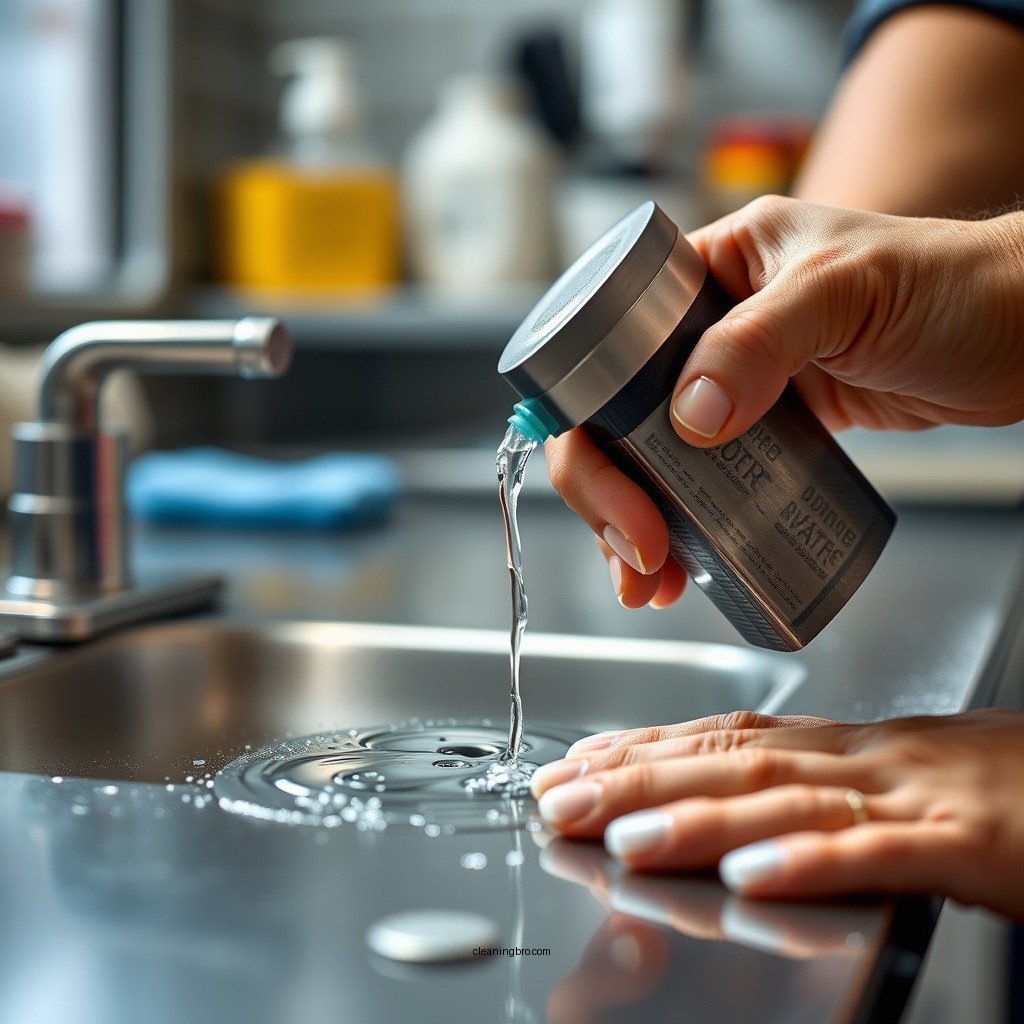
For Hard Surfaces
1. Preparation: Start by gathering your supplies. Mix a small amount of mild dish soap with warm water in a bowl.
2. Application: Dip a soft cloth into the soapy water and wring it out to avoid excess liquid.
3. Scrubbing: Gently scrub the area with the cloth, applying more soapy water as needed. For tougher stains, consider using a soft-bristled brush.
4. Rinsing: Once you’ve scrubbed the surface, rinse thoroughly with clean water to remove any soap residue.
5. Drying: Wipe down the area with a dry cloth to prevent water spots or further residue buildup.
For Fabrics
1. Testing: Before applying any cleaner, test it on a small inconspicuous area of the fabric to ensure it doesn’t cause discoloration.
2. Dabbing: Using a clean cloth soaked in rubbing alcohol, gently dab at the silicone stain. Avoid rubbing, as this could spread the lubricant further.
3. Washing: After treating the stain, launder the fabric according to the care instructions. Use the hottest water safe for the fabric type.
4. Drying: Allow the fabric to air dry. Avoid using a dryer until you are sure the stain is completely removed, as heat can set the stain.
Cleaning Silicone Lubricant from Skin
Removing silicone lubricant from skin can be straightforward if you use the right method:
1. Oil Application: Begin by applying baby oil or mineral oil to the area. These oils are effective at breaking down silicone.
2. Wiping: Use a soft cloth or paper towel to wipe away the lubricant gently.
3. Washing: Follow up by washing the area with soap and warm water to ensure all residues are removed.
4. Moisturizing: After cleansing, consider applying a moisturizer to keep the skin hydrated, especially if you have sensitive skin.
Tips for Avoiding Silicone Lubricant Stains
Preventing silicone lubricant stains is often easier than cleaning them up. Here are some tips to help avoid stains:
– Check Compatibility: Always verify that silicone lubricants are compatible with the materials of the surfaces or products you are using them on. This can prevent unwanted staining.
– Use Sparingly: Apply only the amount necessary for lubrication. Using excess product can lead to unwanted residues that are difficult to clean.
– Immediate Cleanup: Keep a cloth handy to wipe any excess lubricant immediately after application. This can significantly reduce the likelihood of stains setting in.
– Educate Yourself: Familiarize yourself with the types of surfaces and fabrics that are more prone to staining from silicone lubricants to take extra precautions.
Frequently Asked Questions
– Can silicone lubricant damage surfaces? Yes, silicone lubricant can damage certain surfaces, particularly porous materials like fabric or unfinished wood, where it can become embedded and challenging to remove.
– Is there a best method for every surface? Different surfaces may require different cleaning methods. Always test a small area before applying any cleaning solution extensively.
– What if the stain persists after cleaning? If stubborn stains remain, consider using a commercial silicone remover or a baking soda paste as a gentle abrasive.
Alternative Solutions for Stubborn Stains
If you encounter particularly stubborn silicone lubricant stains, consider these alternative solutions:
– Commercial Silicone Removers: These products are specifically designed to break down silicone residues. Always read the instructions carefully and ensure compatibility with your surfaces.
– Baking Soda Paste: Combine baking soda with a small amount of water to create a paste. Apply it to the stain and gently scrub with a cloth or sponge. Rinse thoroughly afterward.
– Vinegar Solution: Mix equal parts of vinegar and water, and apply it to the stained area. Vinegar can help dissolve silicone residues due to its acidic properties, although this method is best suited for non-porous surfaces.
– Professional Cleaning Services: For specialized or expensive items, consider consulting a professional cleaning service that has experience dealing with silicone residues.
Top 7 Cleaning Methods for Silicone Lubricant (2023)
| # | Method | Effectiveness | Time Required | Surface Safety |
|---|---|---|---|---|
| 1 | Dish Soap & Water | Moderate | 10-15 mins | Safe |
| 2 | Rubbing Alcohol | High | 5-10 mins | Moderate |
| 3 | Baking Soda Paste | Moderate | 15-20 mins | Safe |
| 4 | Vinegar Solution | Moderate | 10-15 mins | Safe |
| 5 | Commercial Removers | High | 5-10 mins | Variable |
| 6 | Baby Oil | High | 5-10 mins | Safe |
| 7 | Steam Cleaning | Very High | 20-30 mins | Safe |
Top 3 Cleaning Solutions for Silicone Lubricant Removal
| Feature | ⭐ Rubbing Alcohol | Dish Soap & Water | Commercial Remover |
|---|---|---|---|
| Price | $5-$10 | $2-$5 | $10-$30 |
| Effectiveness | High | Moderate | Very High |
| Surface Compatibility | Moderate | High | Variable |
| Time Required | 5-10 mins | 10-15 mins | 5-10 mins |
| Ease of Use | Easy | Very Easy | Moderate |
| Availability | Widely Available | Widely Available | Available Online |
| Odor | Minimal | None | Varies |
| Residue | None | Minimal | Varies |
| Best For | General Use | Everyday Cleaning | Heavy Residue |
| 🏆 Best For | General Users | Household Cleaning | Stubborn Residues |
Cleaning off silicone lubricant doesn’t have to be overwhelming. By following the steps outlined above, you can effectively tackle any residue left behind. Make sure to gather your supplies and take a methodical approach for the best results. With the right tools and techniques, you can maintain the cleanliness of your surfaces and fabrics. If you found this guide helpful, feel free to share it with others who might need it!
Frequently Asked Questions
What is the best way to clean silicone lubricant from surfaces?
The best way to clean silicone lubricant from surfaces is to use a degreaser or a silicone remover specifically formulated for this purpose. Apply the product generously, allow it to sit for a few minutes, and then scrub gently with a microfiber cloth. Rinse the area with warm water and dry thoroughly to ensure no residue remains.
How do I remove silicone lubricant from fabric?
To remove silicone lubricant from fabric, start by blotting the area with a clean cloth to absorb excess lubricant. Apply a mixture of dish soap and warm water to the stain, gently working it into the fabric with a soft brush. Rinse the area with cold water and launder as usual, checking to ensure the stain is completely gone before drying.
Why is it difficult to clean off silicone lubricant?
Silicone lubricant is difficult to clean off because it is highly resistant to water and most conventional cleaning agents. Its unique properties create a slippery film that can adhere to surfaces, making it necessary to use specialized cleaners or degreasers to effectively break it down. Understanding this can help you choose the right products for effective removal.
Which household items can help clean silicone lubricant?
Household items such as baking soda, vinegar, and dish soap can help clean silicone lubricant. Create a paste with baking soda and water, apply it to the affected area, and scrub gently. Vinegar can also be used; spray it on the surface, let it sit, and then wipe it off with a cloth to help break down the lubricant.
What precautions should I take when cleaning silicone lubricant?
When cleaning silicone lubricant, ensure you wear gloves and work in a well-ventilated area, as some cleaning agents can be harsh or irritating. Test any cleaner on a small, inconspicuous area first to avoid damage. Additionally, avoid mixing cleaning products, as this can create harmful fumes or ineffective solutions.
References
- https://www.ncbi.nlm.nih.gov/pmc/articles/PMC4383875/
https://www.ncbi.nlm.nih.gov/pmc/articles/PMC4383875/ - https://www.sciencedirect.com/topics/engineering/silicone-lubricants
https://www.sciencedirect.com/topics/engineering/silicone-lubricants - Silicone | Definition, Composition, Properties, Uses, & Facts | Britannica
https://www.britannica.com/science/silicone - https://pubmed.ncbi.nlm.nih.gov/19780406/
https://pubmed.ncbi.nlm.nih.gov/19780406/ - https://www.cdc.gov/niosh/docs/2005-105/default.html
https://www.cdc.gov/niosh/docs/2005-105/default.html - https://www.nytimes.com/2018/06/11/style/silicone-lubricant-cleaning.html
https://www.nytimes.com/2018/06/11/style/silicone-lubricant-cleaning.html - https://www.who.int/news-room/fact-sheets/detail/silicone
https://www.who.int/news-room/fact-sheets/detail/silicone - Google Scholar Google Scholar
https://scholar.google.com/scholar?q=cleaning+silicone+lubricant - Google Scholar Google Scholar
https://scholar.google.com/scholar?q=removing+silicone+lubricant+method - Google Scholar Google Scholar
https://scholar.google.com/scholar?q=how+to+clean+off+silicone+lubricant