How to Effectively Clean Plastic Windows
Cleaning plastic windows can be easily accomplished using the right methods and materials. To achieve a streak-free shine, all you need is a gentle cleaning solution, a soft cloth, and some basic techniques. In this guide, you will learn practical steps to keep your plastic windows looking clear and new. Whether you’re looking to remove dirt, grime, or stubborn stains, understanding the best practices for cleaning plastic windows will ensure they remain a beautiful feature of your home.
Choosing the Right Cleaning Solution
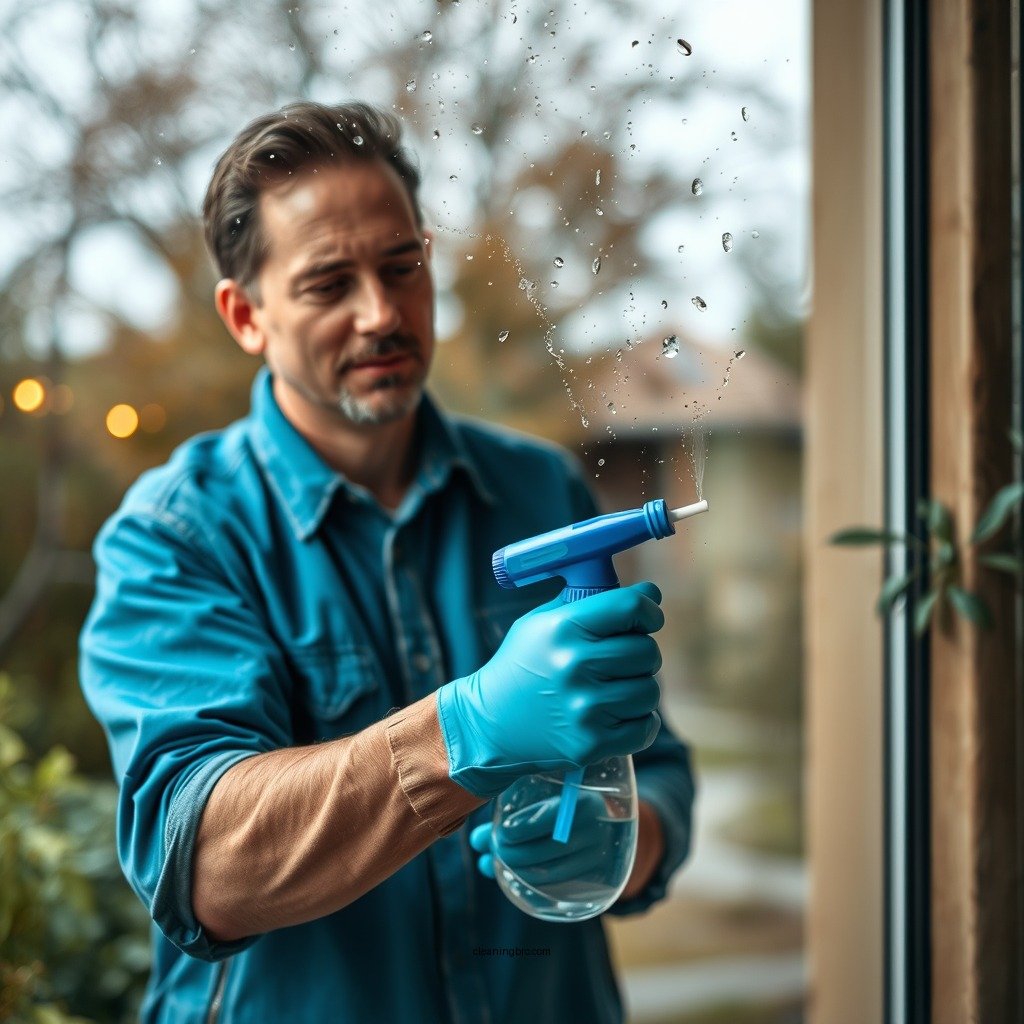
Selecting an appropriate cleaning solution is crucial to avoid damaging your plastic windows. Mild detergents, such as dish soap mixed with warm water, are effective for routine cleaning. Alternatively, a vinegar-water mixture (typically, one part vinegar to three parts water) can effectively cut through grime and leave a streak-free finish.
It is essential to avoid harsh chemicals and abrasive cleaners, such as bleach or ammonia, as these can cause discoloration or damage the plastic over time. Always read the labels of commercial cleaning products to ensure they are safe for use on plastic surfaces.
Gathering Necessary Tools
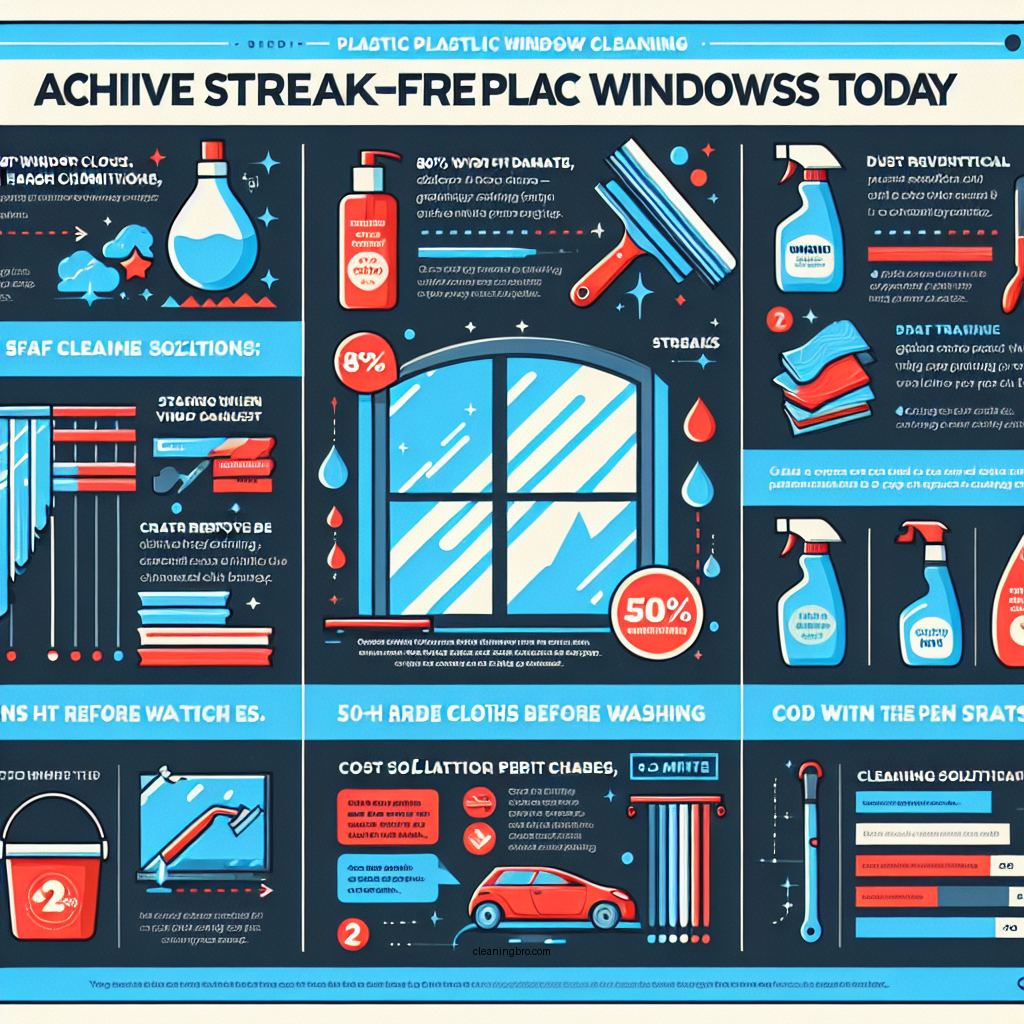

The right tools can make the cleaning process significantly easier and more effective. Here are the essential tools you will need:
1. Soft Cloths or Microfiber Towels: These materials are ideal for cleaning plastic windows as they are gentle and prevent scratches. Avoid using paper towels or rough cloths that may leave scratches on the surface.
2. Squeegee: A squeegee is particularly useful for achieving a streak-free finish after cleaning. It helps to remove excess water and cleaning solution without leaving marks.
3. Bucket: A bucket can be used for mixing your cleaning solution, ensuring that you have enough to work with while cleaning multiple windows.
4. Soft-Bristled Brush: For cleaning hard-to-reach corners or stubborn dirt, a soft-bristled brush can be very effective without risking damage to the plastic.
Preparing the Windows for Cleaning
Before you begin cleaning, it’s important to prepare the windows properly. Start by removing any dust and debris with a dry cloth or a soft brush. This initial step is crucial as it prevents dirt from being ground into the plastic during the cleaning process.
Ensure that the windows are cool to the touch before applying any cleaning solution. Cleaning plastic windows in direct sunlight can cause the solution to dry too quickly, leading to streaks and residue. Ideally, choose a cloudy day or perform the cleaning in the early morning or late afternoon when the sun is less intense.
Most Common Plastic Window Cleaning Solutions (2024)
| # | Cleaning Solution | Effectiveness | Eco-Friendly | Cost |
|---|---|---|---|---|
| 1 | Dish Soap & Water | High | Yes | $1 |
| 2 | Vinegar & Water | High | Yes | $0.50 |
| 3 | Commercial Plastic Cleaner | Medium | Varies | $5 |
| 4 | Baking Soda Paste | Medium | Yes | $0.75 |
| 5 | Lemon Juice | Medium | Yes | $0.50 |
| 6 | Isopropyl Alcohol | High | No | $3 |
| 7 | Baby Shampoo | Medium | Yes | $2 |
Step-by-Step Cleaning Process
Now that you have your cleaning solution and tools ready, follow these steps to clean your plastic windows effectively:
1. Apply the Cleaning Solution: Spray or apply the chosen cleaning solution directly onto the plastic surface. Ensure that you cover the entire area, especially any spots that appear dirty.
2. Wipe with a Soft Cloth: Using a soft cloth, wipe the window in circular motions. This technique helps to lift dirt without scratching the surface. Pay special attention to corners where dirt tends to accumulate.
3. Use a Squeegee: After wiping, use a squeegee to remove excess cleaning solution. Start at the top of the window and pull the squeegee down in a straight line, wiping the blade with a clean cloth after each pass to avoid streaks.
4. Final Touches: Inspect the window for any remaining streaks or spots, and repeat the wiping process on those areas if necessary.
5. Dry the Frame: Don’t forget to clean and dry the window frame to complete the job.
Dealing with Stubborn Stains
For tougher stains, such as tar, sap, or hard water deposits, a more abrasive approach may be necessary. One effective method is to create a baking soda paste by mixing baking soda with water until it reaches a thick, spreadable consistency. Apply this paste to the stained area and gently scrub using a soft cloth or sponge.
After scrubbing, rinse the area thoroughly with clean water to remove any residue from the baking soda. It’s essential to ensure that no paste remains, as it can lead to a cloudy appearance if left on the plastic. For particularly stubborn stains, you may need to repeat the process or consider using a commercial plastic cleaner specifically designed for tough spots.
Maintenance Tips for Plastic Windows
To keep your plastic windows in excellent condition, incorporate these maintenance tips into your cleaning routine:
1. Regular Cleaning: Clean windows every few months to prevent the buildup of dirt and grime. This practice not only preserves the clarity of the plastic but also makes the cleaning process easier.
2. Avoid Abrasives: Always opt for non-abrasive tools and cleaners. Even seemingly harmless items like scouring pads can cause micro-scratches that accumulate dirt over time.
3. Protect from UV Rays: Apply a UV protectant to your plastic windows. This additional step will help prevent yellowing and prolong the life of the material.
4. Inspect Regularly: Periodically check for any signs of damage, such as cracks or discoloration, which may indicate a need for more extensive repairs or replacements.
Common Mistakes to Avoid
While cleaning plastic windows may seem straightforward, there are several common pitfalls to avoid:
1. Using Harsh Chemicals: As mentioned earlier, avoid any cleaning solutions that contain harsh chemicals. They can deteriorate the plastic and dull its appearance.
2. Cleaning in Direct Sunlight: This can lead to the cleaning solution drying too quickly, resulting in streaks. Always choose a shaded or cooler time of day for cleaning.
3. Neglecting the Frames: Many people focus only on the glass surface and forget to clean the frames. Dust and dirt can accumulate here, potentially affecting the overall aesthetic of the window.
4. Overlooking the Squeegee Technique: Failing to wipe the squeegee between strokes can leave streaks. Always keep your squeegee clean for the best results.
Keeping your plastic windows clean doesn’t have to be a chore. By using the right techniques and materials, you can maintain their clarity and appearance effectively. Start implementing these tips today for sparkling clean windows that enhance the look of your home! Regular maintenance will not only keep your windows looking beautiful but also extend their lifespan, ensuring that they continue to serve you well for years to come.
Frequently Asked Questions
What is the best way to clean plastic windows without scratching them?
The best way to clean plastic windows is to use a soft cloth or sponge along with a gentle cleaning solution, such as a mix of warm water and mild dish soap. Avoid using abrasive materials or harsh chemicals, as these can scratch or damage the plastic surface. Rinse thoroughly with clean water to remove any soap residue and ensure a streak-free finish.
How often should I clean my plastic windows to maintain their clarity?
To maintain the clarity and appearance of your plastic windows, it’s recommended to clean them every 2-3 months, or more frequently if they are exposed to heavy dirt or grime. Regular cleaning helps prevent buildup of dirt and UV damage, ensuring your windows remain clear and functional over time.
Why do my plastic windows appear cloudy, and how can I fix this?
Cloudiness on plastic windows is often caused by UV damage, dirt accumulation, or improper cleaning methods. To fix this, start by cleaning them with a mild soap solution to remove dirt. If the cloudiness persists, consider using a plastic polish specifically designed for window materials to restore clarity and protect against future damage.
Which cleaning products are safe to use on plastic windows?
Safe cleaning products for plastic windows include mild dish soap, vinegar diluted with water, and commercial plastic cleaners. Avoid ammonia-based products and abrasive cleaners, as these can cause discoloration and scratches. Always test a small, inconspicuous area first to ensure compatibility with your window material.
How can I remove stubborn stains from plastic windows?
To remove stubborn stains from plastic windows, create a paste using baking soda and water, and gently rub it onto the stained area with a soft cloth. Let it sit for a few minutes before rinsing with clean water. For more persistent stains, a specialized plastic cleaner may be needed, but always follow the manufacturer’s instructions for best results.
References
- https://www.hgtv.com/how-to/how-to-clean-plastic-windows
https://www.hgtv.com/how-to/how-to-clean-plastic-windows - https://www.sciencedirect.com/topics/engineering/plastic-windows
https://www.sciencedirect.com/topics/engineering/plastic-windows - Window | Description & Facts | Britannica
https://www.britannica.com/topic/window - https://www.nature.com/articles/s41598-018-24364-2
https://www.nature.com/articles/s41598-018-24364-2 - https://www.cdc.gov/healthyhomes/healthycleaning/cleaning.html
https://www.cdc.gov/healthyhomes/healthycleaning/cleaning.html - Google Scholar Google Scholar
https://scholar.google.com/scholar?q=how+to+clean+plastic+windows - Google Scholar Google Scholar
https://scholar.google.com/scholar?q=cleaning+techniques+for+plastic+windows - Google Scholar Google Scholar
https://scholar.google.com/scholar?q=window+cleaning+methods+plastic+materials - https://www.nytimes.com/2020/05/22/realestate/cleaning-windows-quarantine.html
https://www.nytimes.com/2020/05/22/realestate/cleaning-windows-quarantine.html - how to clean plastic windows – Search results
https://en.wikipedia.org/wiki/Special:Search?search=how+to+clean+plastic+windows