How to Effectively Clean Pollen from Your Pool
Cleaning pollen from your pool is essential for maintaining clear water and ensuring a pleasant swimming experience. To effectively remove pollen, you’ll need a combination of physical removal methods and water treatment techniques. By implementing the right strategies and tools, you can keep your pool looking pristine and enjoyable during pollen-heavy seasons. In this article, we’ll guide you through the best practices for keeping your pool free of pollen debris.
Understanding Pollen and Its Impact on Pools
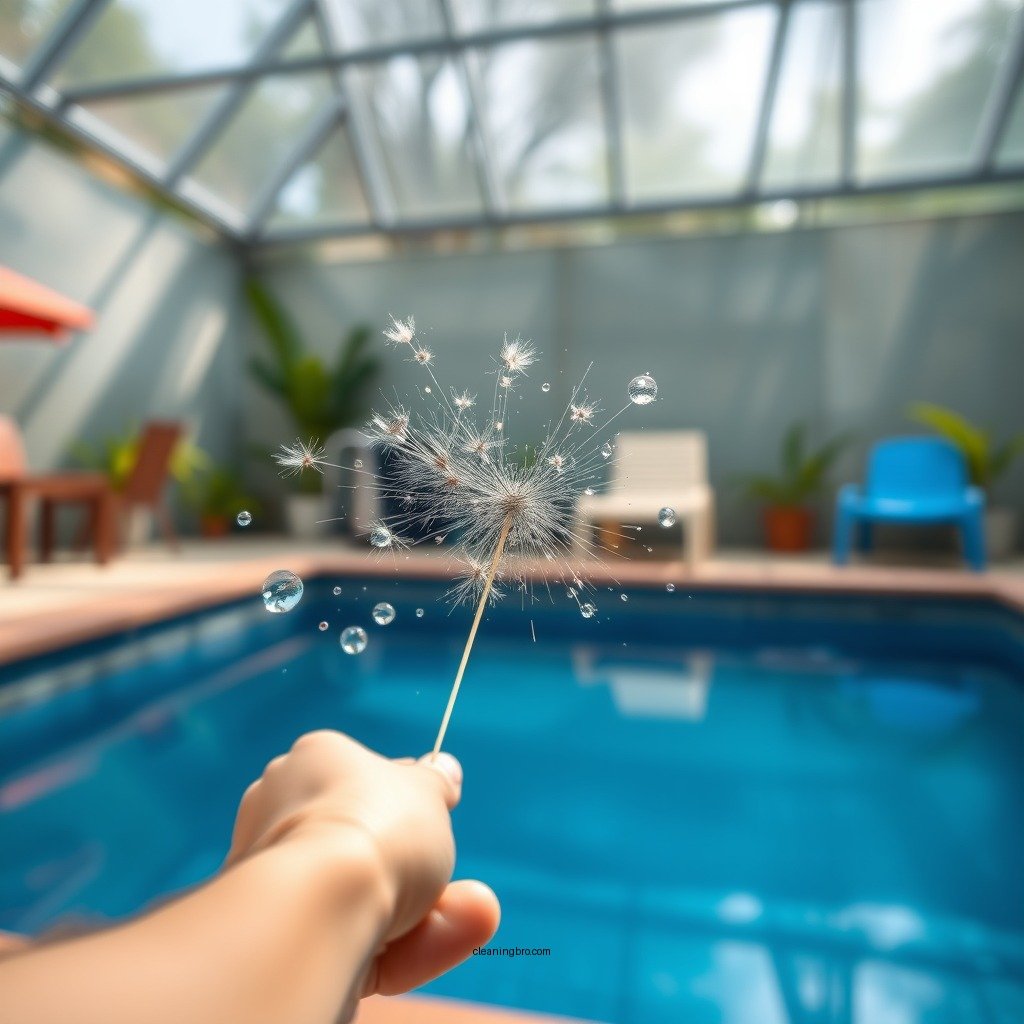
Pollen can quickly accumulate on the surface of the water, making it look dirty and uninviting. In addition to aesthetic concerns, high pollen counts can adversely affect water chemistry, leading to algae growth and other water quality issues. Pollen comprises tiny particles released by trees, plants, and flowers, which can introduce organic matter into your pool. This organic matter can cause imbalances in your pool’s pH and chlorine levels, potentially leading to cloudy water and an uncomfortable swimming environment. By proactively addressing pollen accumulation, you can prevent these issues and maintain a safe and enjoyable swimming space.
Essential Tools for Pollen Removal
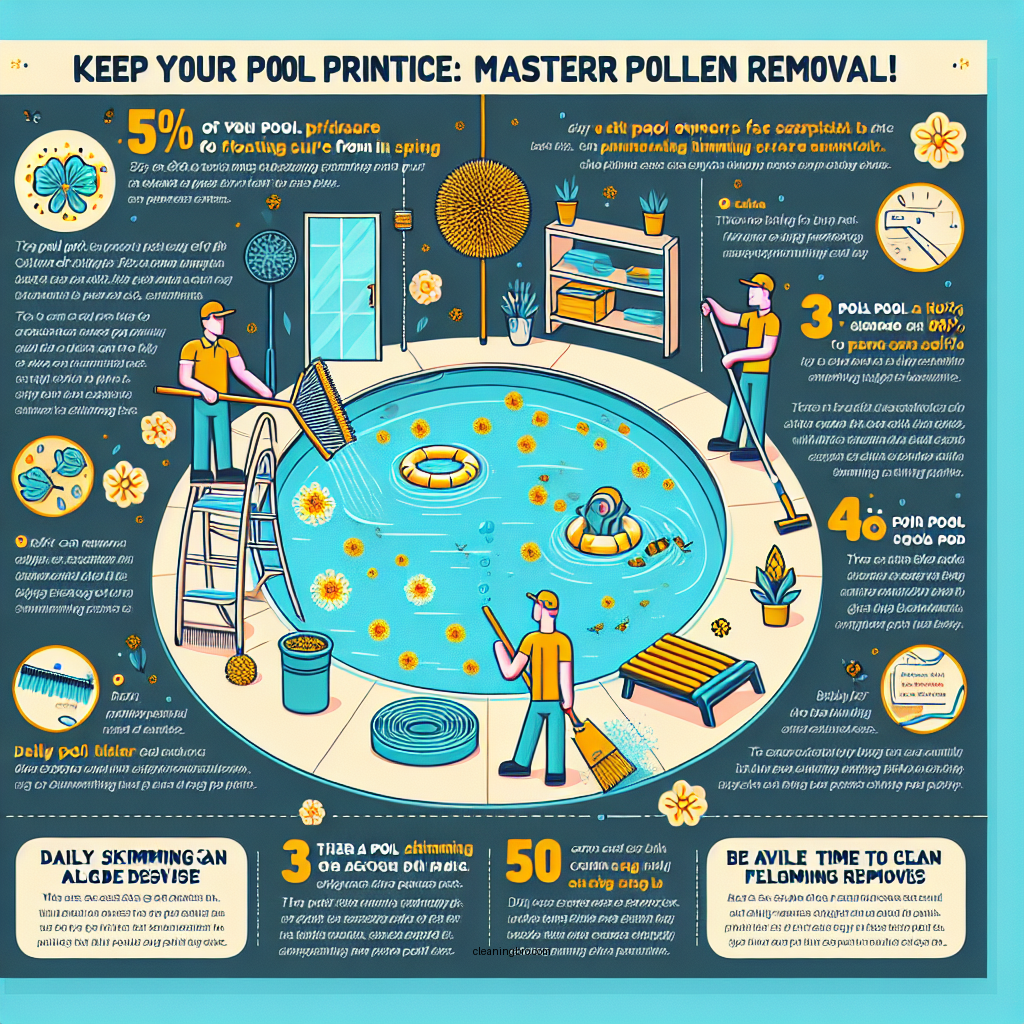
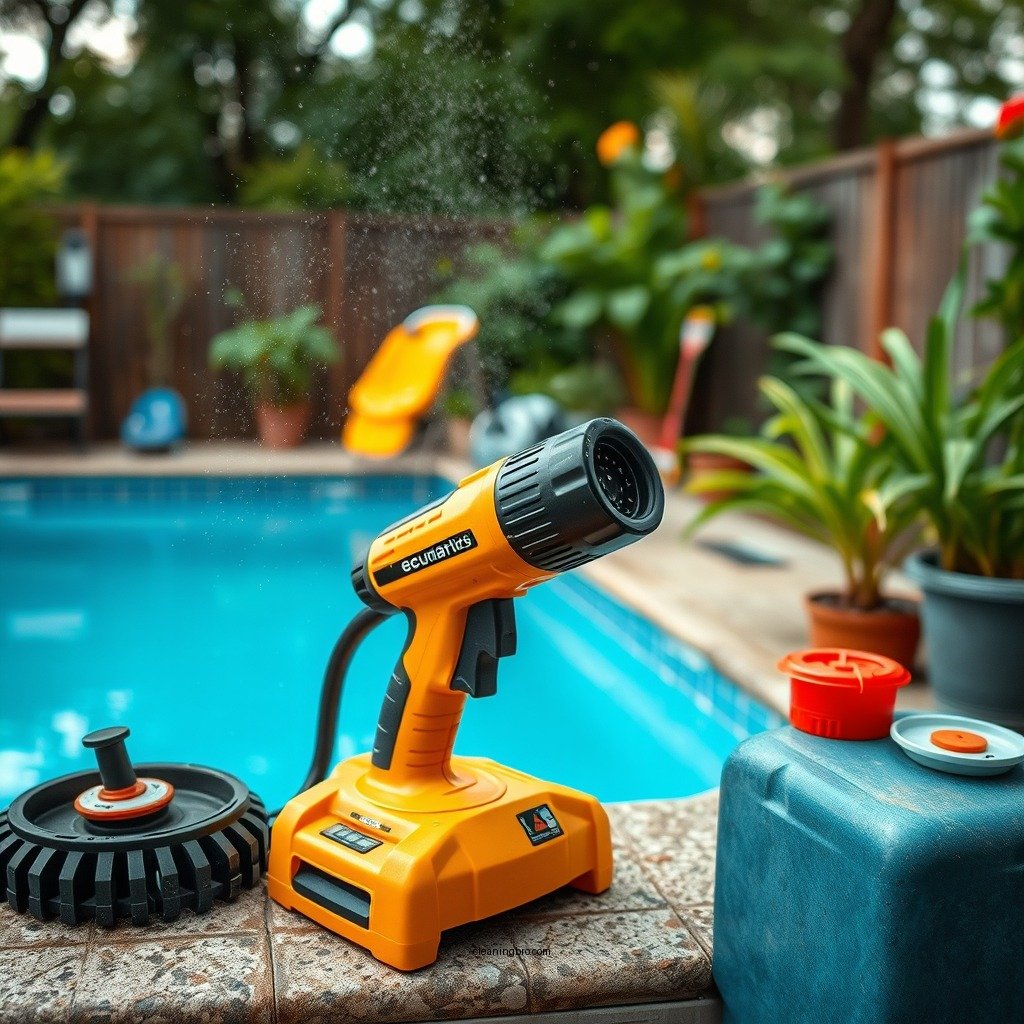
To effectively clean pollen from your pool, it is essential to have the right tools at your disposal. The following are crucial for efficient pollen removal:
– Pool Skimmer: A pool skimmer is vital for removing large debris floating on the surface. This tool allows you to quickly and easily capture pollen before it sinks or decomposes in the water.
– Leaf Rake: A leaf rake can help gather pollen that has settled on the bottom of the pool. This tool is particularly useful during periods of heavy pollen accumulation when larger amounts of debris settle.
– Pool Vacuum: A manual or automatic pool vacuum can assist in removing pollen and other organic materials from the pool floor, ensuring thorough cleaning.
– Fine Mesh Skimmer Net: Using a fine mesh skimmer net can enhance your ability to capture small pollen particles, which are often missed by standard skimmers.
– Pool Brush: A pool brush can help scrub the walls and floor of your pool, dislodging any pollen that has adhered to surfaces.
Equipping yourself with these tools will facilitate a more effective and efficient cleaning process, ensuring your pool remains inviting and clear.
Best Practices for Skimming Pollen
To maximize the effectiveness of your pollen removal efforts, consider the following best practices for skimming:
– Regularly Skim Your Pool: Make it a habit to skim your pool daily, especially during peak pollen seasons, typically in spring when trees and flowers are in bloom. This proactive approach will prevent pollen from accumulating and becoming more difficult to remove.
– Use a Fine Mesh Skimmer Net: Opt for a fine mesh skimmer net when skimming, as it is specifically designed to capture smaller debris, including pollen particles. This will enhance your cleaning efforts and help maintain clearer water.
– Skim During Off-Peak Hours: Consider skimming your pool during early morning or late evening hours when pollen counts are typically lower. This can be an effective strategy to minimize the amount of pollen that enters your pool.
– Combine Skimming with Water Circulation: While skimming, ensure your pool’s circulation system is running effectively. This will help disperse any pollen particles that may have settled, making them easier to capture.
By following these best practices, you can significantly reduce the amount of pollen in your pool, ensuring a cleaner and more enjoyable swimming environment.
Top 7 Pool Cleaning Tools for Pollen Removal (2024)
| # | Tool | Function | Price Range |
|---|---|---|---|
| 1 | Pool Skimmer | Surface Cleaning | $15 – $50 |
| 2 | Leaf Rake | Bottom Cleaning | $20 – $60 |
| 3 | Pool Vacuum | Deep Cleaning | $100 – $500 |
| 4 | Fine Mesh Skimmer Net | Fine Debris Capture | $10 – $30 |
| 5 | Pool Brush | Surface Scrubbing | $15 – $45 |
| 6 | Automatic Pool Cleaner | Automated Cleaning | $200 – $700 |
| 7 | Telescopic Pole | Tool Extension | $20 – $40 |
Water Treatment Solutions
In addition to physical removal methods, implementing effective water treatment solutions can help combat pollen issues in your pool. Consider the following options:
– Pool Clarifiers: Using a pool clarifier can help clear up any pollen particles suspended in the water. Clarifiers work by aggregating small particles into larger clumps that can be easily filtered out or skimmed away.
– Adjusting pH and Chlorine Levels: Maintaining balanced pH and chlorine levels is crucial for effective water treatment. Ideally, pH should be between 7.2 and 7.6, and chlorine levels should be maintained at 1-3 parts per million (ppm). Proper chemical balance helps improve water clarity and reduces the likelihood of algae growth.
– Shock Treatment: Periodically shocking your pool can help eliminate organic debris, including pollen. Shocking raises the chlorine level in the water, killing off algae and bacteria that may thrive due to excess organic matter.
– Regular Water Testing: Utilize a water testing kit to monitor your pool’s chemistry regularly. This will allow you to make necessary adjustments promptly, keeping your pool water clean and clear.
By incorporating these water treatment solutions into your maintenance routine, you can significantly improve the quality of your pool water and effectively combat pollen-related issues.
Pool Clarifiers vs pH Balancers vs Shock Treatments
| Feature | ⭐ Pool Clarifiers | pH Balancers | Shock Treatments |
|---|---|---|---|
| Primary Function | Aggregate small particles | Maintain balanced pH | Eliminate organic debris |
| Usage Frequency | Weekly | As needed | Monthly |
| Effectiveness | ✅ High | ✅ Moderate | ✅ High |
| Ideal For | Clarity enhancement | pH stability | Organic matter removal |
| Application Method | Liquid | Granular/Liquid | Granular/Liquid |
| Cost Effectiveness | ✅ Economical | ❌ Moderate | ✅ Economical |
| Compatibility | All pools | All pools | All pools |
| User Experience | Easy | Moderate | Easy |
| Environmental Impact | Low | Low | Moderate |
| 🏆 Best For | Clarity improvement | pH stability | Organic removal |
Regular Maintenance Tips
Regular maintenance is key to a clean and inviting pool. Here are some essential tips for maintaining your pool and preventing pollen accumulation:– Clean Your Pool Filter Regularly: A clean pool filter is essential for ensuring effective capture of pollen and other contaminants. Depending on your pool type and usage, check and clean your filter at least once a month.
– Schedule Routine Maintenance Checks: Consider scheduling routine maintenance checks with a professional pool service to ensure that your pool equipment is functioning optimally. This includes checking pumps, filters, and chemical levels.
– Monitor Surrounding Areas: Keep an eye on the landscaping around your pool. Regularly trimming trees and shrubs can help reduce the amount of pollen that drifts into your pool.
– Use a Pool Cover: When the pool is not in use, covering it can significantly reduce the amount of pollen that enters the water. Consider using a mesh cover that allows for water evaporation while keeping large debris out.
By adopting these regular maintenance tips, you can keep your pool in optimal condition and reduce the likelihood of pollen accumulation.
Seasonal Strategies for Pollen Control
Different seasons bring varying pollen levels, and you can adopt specific strategies based on these changes:
– Close Your Pool During Peak Pollen Seasons: If you live in an area with high pollen seasons, consider closing your pool during these times to minimize accumulation. This is especially relevant in spring when many trees and plants pollinate.
– Use a Mesh Cover: A mesh cover can be an effective tool for reducing pollen and other debris from entering your pool while allowing water evaporation. This can help maintain water levels without introducing additional contaminants.
– Plan Cleaning Around Pollen Forecasts: Stay informed about pollen forecasts in your area. Adjust your cleaning schedule to coincide with low pollen days, making your efforts more effective.
By implementing these seasonal strategies, you can proactively manage pollen levels in your pool and maintain a clean swimming environment.
Regular cleaning and maintenance will help keep your pool sparkling clear. Start implementing these tips today to enjoy a pollen-free swimming experience. If you need assistance, consider hiring a pool maintenance service to help you tackle the pollen problem efficiently.Frequently Asked Questions
What are the best methods to remove pollen from my pool?
The best methods to remove pollen from your pool include using a pool skimmer to manually scoop out pollen, running your pool’s filtration system, and using a vacuum specifically designed for pools. Additionally, employing a leaf net can help catch larger clumps of pollen before they settle. Regular maintenance, such as brushing the walls and floor, will also aid in keeping pollen at bay.
How often should I clean pollen from my pool during peak allergy season?
During peak allergy season, it’s recommended to clean pollen from your pool at least once a day, especially after windy days or heavy pollen forecasts. Consistent cleaning will help maintain water clarity and prevent pollen buildup, which can lead to algae growth and other water quality issues. Adjust your cleaning frequency based on local pollen counts and environmental conditions.
Why is it important to clean pollen from my pool regularly?
Cleaning pollen from your pool regularly is crucial because pollen can cloud the water and create an environment conducive to algae growth. Additionally, accumulated pollen can irritate swimmers’ allergies and respiratory issues, making the pool less enjoyable. Maintaining a clean pool not only enhances aesthetics but also ensures a safe swimming environment.
Which tools are essential for effectively cleaning pollen from a pool?
Essential tools for effectively cleaning pollen from a pool include a pool skimmer, a vacuum, a brush, and a leaf net. A skimmer helps remove floating pollen, while a vacuum can tackle debris settled on the pool floor. A brush is useful for scrubbing walls and steps, and a leaf net can quickly capture larger pollen clusters before they disperse.
How can I prevent pollen from entering my pool in the first place?
To prevent pollen from entering your pool, consider using a pool cover during high pollen seasons and installing windbreaks around your pool area. Additionally, keeping surrounding landscaping trimmed and well-maintained can minimize pollen production. Regularly cleaning your pool equipment and surrounding areas will help reduce the amount of pollen that makes its way into the water.
References
- https://www.poolandspa.com.au/blog/pool-cleaning-101-how-to-clean-pollen-from-a-pool
https://www.poolandspa.com.au/blog/pool-cleaning-101-how-to-clean-pollen-from-a-pool - Pool Supply World
https://www.poolsupplyworld.com/blog/cleaning-pollen-from-your-pool - https://www.poolcare.com.au/pool-cleaning-tips/how-to-remove-pollen-from-your-pool
https://www.poolcare.com.au/pool-cleaning-tips/how-to-remove-pollen-from-your-pool - https://www.sciencedirect.com/topics/agricultural-and-biological-sciences/pollen
https://www.sciencedirect.com/topics/agricultural-and-biological-sciences/pollen - https://www.epa.gov/pools/pool-cleaning-and-maintenance
https://www.epa.gov/pools/pool-cleaning-and-maintenance - https://www.cdc.gov/healthywater/drinking/pools/index.html
https://www.cdc.gov/healthywater/drinking/pools/index.html - https://www.ncbi.nlm.nih.gov/pmc/articles/PMC5248360/
https://www.ncbi.nlm.nih.gov/pmc/articles/PMC5248360/ - Google Scholar Google Scholar
https://scholar.google.com/scholar?q=how+to+clean+pollen+from+pool - Google Scholar Google Scholar
https://scholar.google.com/scholar?q=pool+cleaning+techniques+pollen - how to clean pollen from pool – Search results
https://en.wikipedia.org/wiki/Special:Search?search=how+to+clean+pollen+from+pool