How to Effectively Clean Rust from Chrome Surfaces
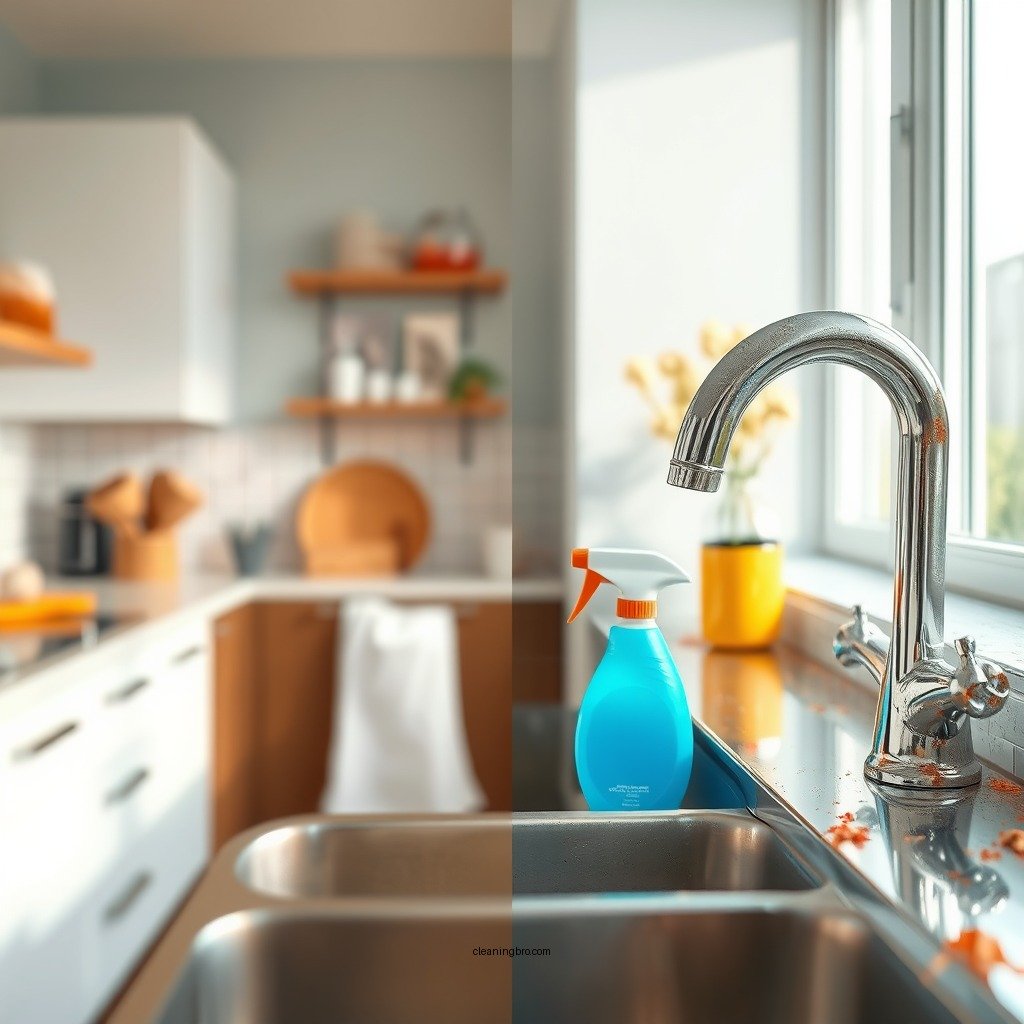
Cleaning rust from chrome surfaces is straightforward and can restore their shine. The most effective methods include using household items like vinegar, baking soda, or specific commercial cleaners designed for chrome. In this guide, you will learn various techniques to remove rust safely and effectively. By understanding the nature of chrome and rust, you will be equipped to tackle rust problems efficiently and maintain the aesthetic appeal of your chrome fixtures.
Understanding Chrome and Rust Formation

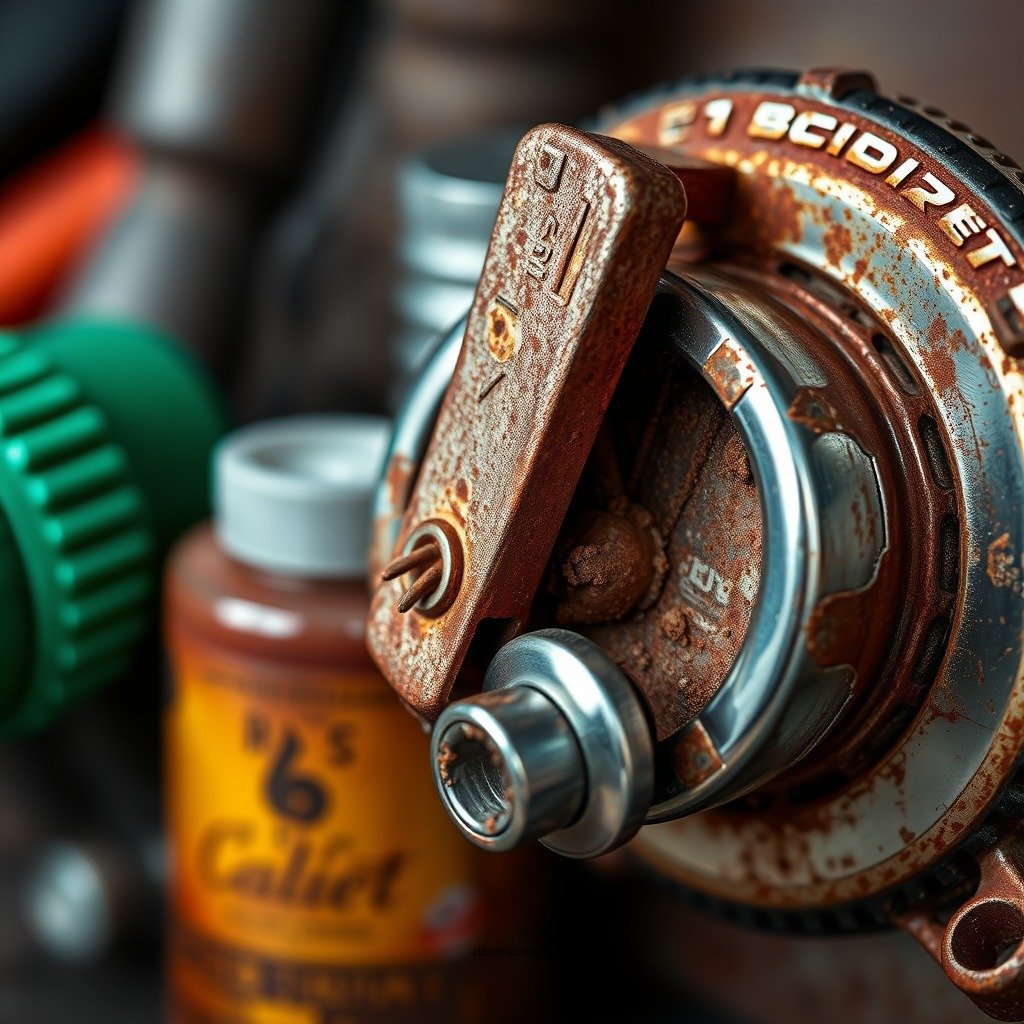
Chrome, short for chromium, is a metal that is often used as a plating material due to its durability and resistance to corrosion. However, this protective layer can corrode over time, especially when exposed to elements that promote oxidation, such as moisture and salt. Rust forms when iron and oxygen react in the presence of water, resulting in the reddish-brown flaky substance that can mar the appearance of chrome surfaces.
In humid environments, or areas where salt is prevalent, rust can develop more rapidly. Chrome surfaces, if not maintained properly, can be vulnerable to rust, especially at areas where the chrome plating is thin or damaged. Understanding these factors is crucial for effective prevention and maintenance.
Essential Tools and Materials Needed
To effectively clean rust from chrome surfaces, you will need a few essential tools and materials:
– Soft cloths or microfiber towels: These are vital for gently cleaning and polishing the chrome without scratching the surface.
– Non-abrasive scrubbers: Avoid using steel wool or harsh scrubbers as they can further damage the chrome finish.
– Common household items: Vinegar, baking soda, and lemon juice are excellent, eco-friendly options for rust removal. These substances are mildly acidic and can break down rust without harming the chrome underneath.
Additionally, a commercial chrome cleaner specifically designed for rust removal can be effective for more severe cases.
Step-by-Step Cleaning Process
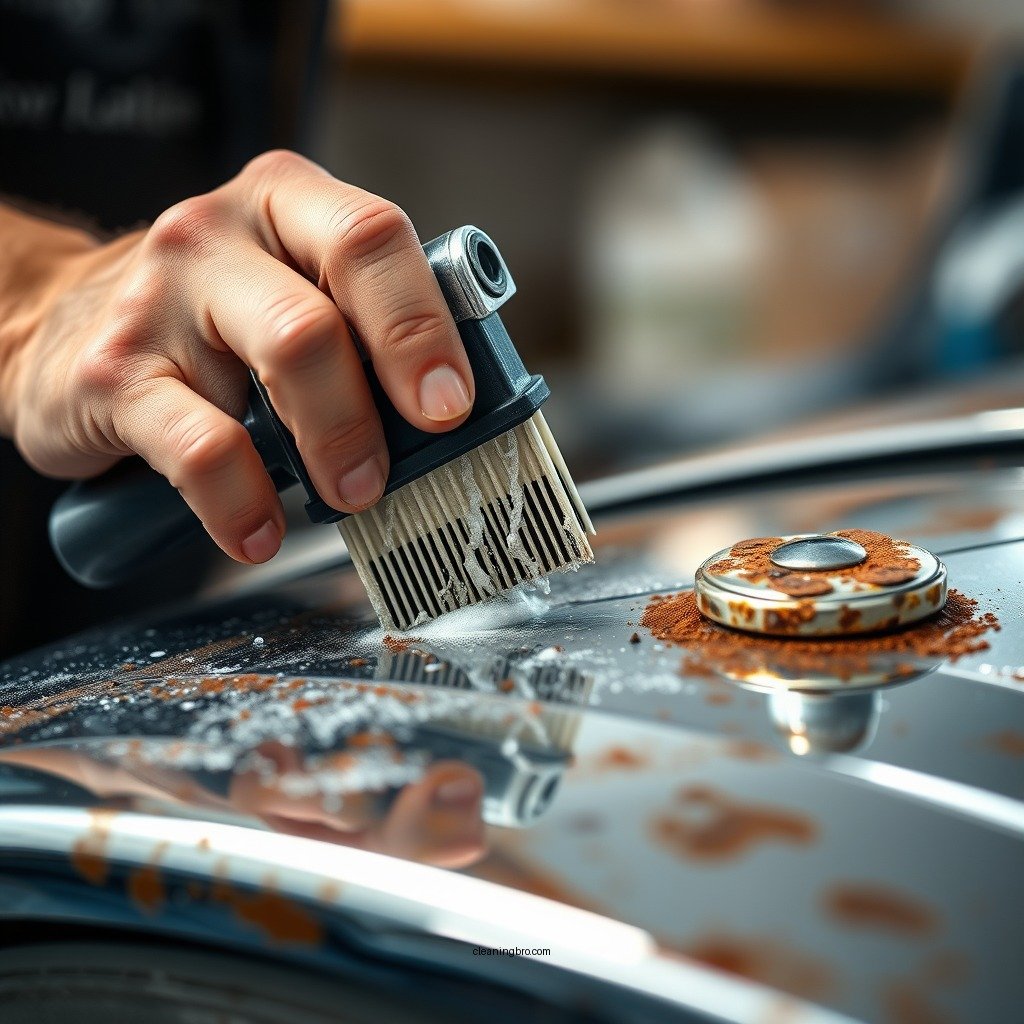
Follow this systematic approach to effectively clean rust from chrome surfaces:
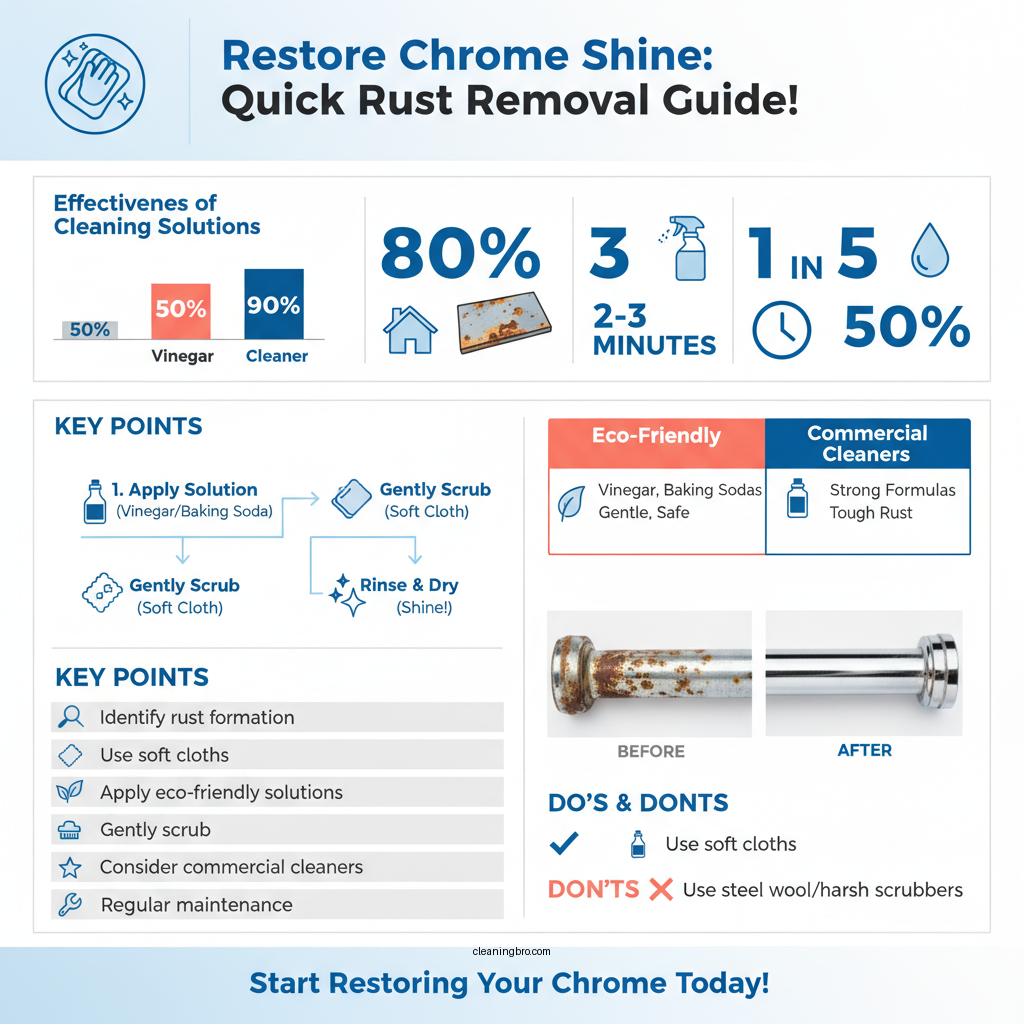
1. Prepare the Cleaning Solution: For a homemade solution, mix equal parts of vinegar or lemon juice with water, or create a paste using baking soda and water. The paste should be thick enough to adhere to the rusted areas.
2. Apply the Rust Remover: Generously apply your chosen cleaner to the rusted area. Ensure that the surface is fully covered to allow the solution to penetrate the rust.
3. Gently Scrub the Affected Area: Using a soft cloth or a non-abrasive scrubber, gently scrub the rusted area in circular motions. Avoid applying excessive pressure, as this can scratch or damage the chrome.
4. Rinse Thoroughly: After scrubbing, rinse the surface with clean water to remove any residue from the cleaning solution. It’s essential to ensure that no cleaner is left behind, as it can lead to further corrosion.
5. Dry Immediately: Use a dry cloth to wipe the surface dry. This step is critical to prevent moisture from accumulating, which could lead to new rust formation.
6. Polish (Optional): For added shine and protection, apply a chrome polish or a thin layer of wax after cleaning. This can help repel moisture and prevent future rust.
Preventive Measures for Chrome Maintenance
Preventing rust formation on chrome surfaces is far more effective than dealing with it after it appears. Here are some maintenance tips:
– Regular Cleaning: Clean chrome surfaces regularly with mild soap and water to remove any dirt or grime that can trap moisture. A quick wipe-down can significantly reduce the likelihood of rust forming.
– Avoid Harsh Chemicals: Steer clear of abrasive cleaners or chemicals that can damage the chrome finish. Instead, opt for gentle, non-abrasive products.
– Protective Coatings: Consider applying a thin layer of wax or chrome polish to create a barrier against moisture. This extra layer can help reduce the risks associated with corrosion.
– Store Properly: If possible, store chrome items in a dry environment. In areas prone to humidity, consider using silica gel packets or dehumidifiers to absorb excess moisture.
Additional Tips for Stubborn Rust
For tougher rust situations, more aggressive methods may be required:
– Commercial Cleaners: Invest in a commercial chrome cleaner specifically designed to tackle heavy rust. These products often contain stronger acids that can dissolve rust without harming the chrome surface.
– Test Before Use: Always test any new cleaner on a small, inconspicuous area first to ensure it doesn’t damage the chrome finish. This precaution can save you from larger issues down the line.
– Use Aluminum Foil: For light rust spots, crumple a piece of aluminum foil and dip it in vinegar or soda. Gently rub the rusted area; the foil will provide abrasion without scratching the chrome.
When to Seek Professional Help
If rust damage is extensive or the chrome is pitted, professional restoration may be necessary. High-quality chrome restoration can be expensive, but it may be worth it for valuable items or fixtures. Consulting a specialist is advisable if you are unsure about the best cleaning methods for your specific chrome items. They can provide tailored advice and cleaning services to restore your chrome to its original condition.
Cleaning rust from chrome surfaces not only enhances their appearance but also extends their lifespan. By following these methods and tips, you can effectively remove rust and maintain the beauty of your chrome items. Don’t hesitate to take action today—gather your cleaning supplies and start restoring your chrome surfaces!
Common Household Items for Rust Removal
| # | Item | Effectiveness | Ease of Use |
|---|---|---|---|
| 1 | Vinegar | High | Easy |
| 2 | Baking Soda | Medium | Moderate |
| 3 | Lemon Juice | High | Easy |
| 4 | Aluminum Foil | Medium | Easy |
| 5 | Commercial Chrome Cleaner | Very High | Moderate |
Top Chrome Cleaners: Comparison
| Feature | ⭐ Vinegar | Baking Soda | Commercial Cleaner |
|---|---|---|---|
| Effectiveness | High | Medium | Very High |
| Ease of Use | Easy | Moderate | Moderate |
| Cost | Low | Low | High |
| Environmental Impact | ✅ Eco-friendly | ✅ Eco-friendly | ❌ Not eco-friendly |
| Multi-Surface Use | ✅ Yes | ✅ Yes | ✅ Yes |
| Time to Effectiveness | 5-10 min | 10-15 min | Immediate |
| Odor | Mild | None | Strong |
| Residue | None | Some | Some |
| Compatibility | Any surface | Non-metal surfaces | Metal surfaces |
| Safety | Safe | Safe | Caution required |
| 🏆 Best For | Eco-conscious users | Routine cleaning | Heavy-duty rust removal |
Maintaining chrome surfaces requires consistent effort, but the results are well worth it. By implementing the cleaning techniques and preventive measures outlined in this guide, you will not only enhance the visual appeal of your chrome items but also prolong their usability. Regular maintenance and prompt action against rust will ensure that your chrome surfaces remain shiny and attractive for years to come.
Frequently Asked Questions
What are the best methods to clean rust from chrome surfaces?
The best methods to clean rust from chrome surfaces include using a mixture of baking soda and water, vinegar, or specialized chrome cleaners. Apply the chosen solution with a soft cloth or sponge, gently scrubbing the rusted areas. Rinse thoroughly with water and dry with a microfiber cloth to prevent further rusting.
How can I remove deep rust stains from chrome?
To remove deep rust stains from chrome, you can use fine-grade steel wool or a rust remover specifically designed for chrome. Lightly rub the affected area with the steel wool or cleaner, being cautious not to scratch the chrome surface. Afterward, wash with soap and water, then polish the area with a chrome polish for a shiny finish.
Why does rust form on chrome surfaces?
Rust forms on chrome surfaces primarily due to exposure to moisture and air, which can compromise the protective chromium layer. When this layer is damaged or worn away, the underlying metal can oxidize and develop rust. Regular maintenance and cleaning can help prevent rust formation on chrome items.
Which household items can I use to clean rust from chrome?
Household items such as white vinegar, baking soda, lemon juice, and ketchup can effectively clean rust from chrome. These items contain natural acids that help dissolve rust without damaging the chrome finish. Simply apply the substance, let it sit for a few minutes, scrub gently, and rinse with water.
What precautions should I take when cleaning rust from chrome?
When cleaning rust from chrome, it’s important to use non-abrasive materials to avoid scratching the surface. Always test any cleaning solution on a small, inconspicuous area first. Additionally, make sure to thoroughly dry the chrome after cleaning to reduce the risk of rust reappearing due to moisture.
References
- Chromium
https://en.wikipedia.org/wiki/Chromium - https://www.sciencedirect.com/topics/engineering/chromium
https://www.sciencedirect.com/topics/engineering/chromium - https://www.bbc.com/news/magazine-26514920
https://www.bbc.com/news/magazine-26514920 - https://www.hse.gov.uk/toolbox/harmful/rust.htm
https://www.hse.gov.uk/toolbox/harmful/rust.htm - https://pubmed.ncbi.nlm.nih.gov/24663578/
https://pubmed.ncbi.nlm.nih.gov/24663578/ - https://www.nytimes.com/2021/07/16/style/how-to-clean-rusted-chrome.html
https://www.nytimes.com/2021/07/16/style/how-to-clean-rusted-chrome.html - https://www.nature.com/articles/s41598-019-46643-4
https://www.nature.com/articles/s41598-019-46643-4 - Google Scholar Google Scholar
https://scholar.google.com/scholar?q=how+to+clean+rust+from+chrome - Google Scholar Google Scholar
https://scholar.google.com/scholar?q=rust+removal+chrome+cleaning - Google Scholar Google Scholar
https://scholar.google.com/scholar?q=methods+to+remove+rust+from+chrome