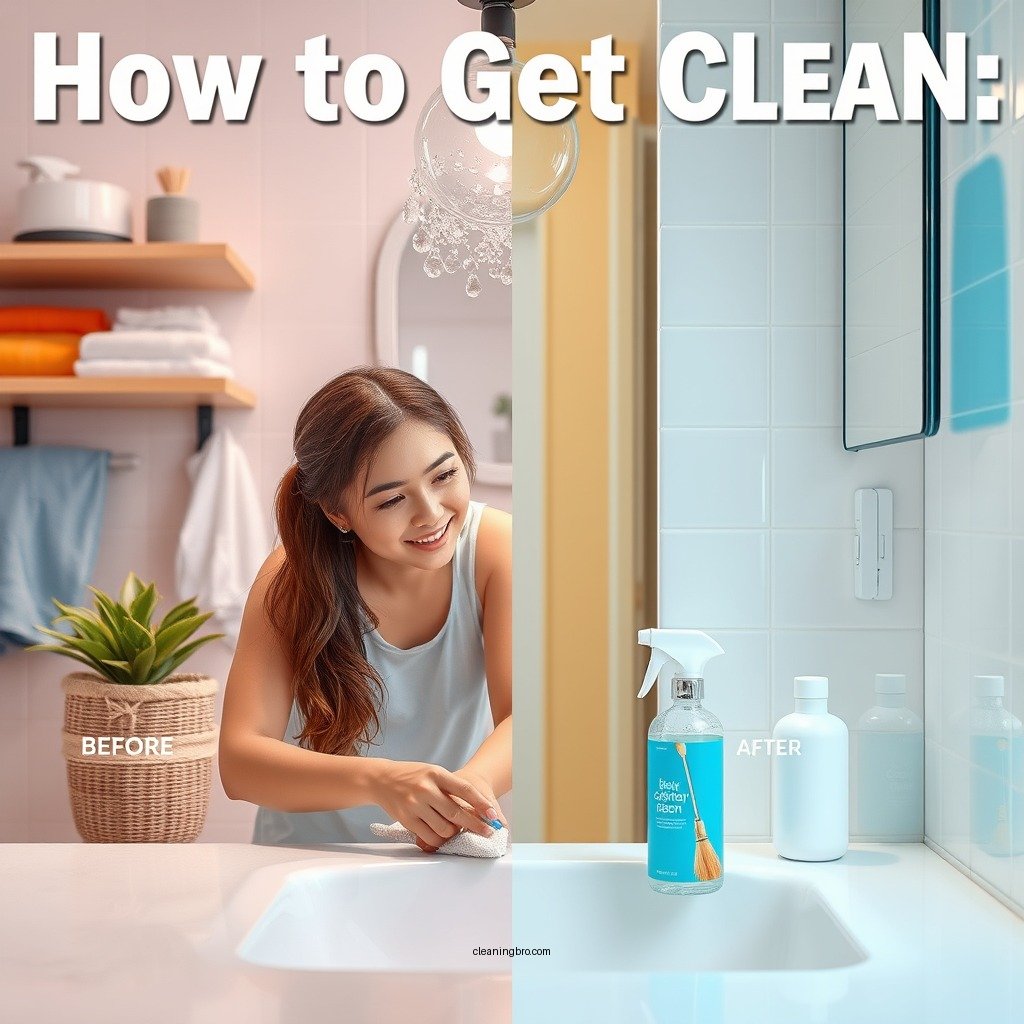
How to Get Clean: Essential Steps for Personal Hygiene
Maintaining cleanliness is essential for both physical health and mental well-being. To achieve optimal personal hygiene, it is vital to implement a structured routine that includes bathing, oral care, and keeping living spaces tidy. This article outlines practical steps and tips to enhance your personal hygiene effectively, ensuring you feel fresh, confident, and healthy every day.
Understanding Personal Hygiene

Personal hygiene is the practice of maintaining cleanliness to promote health and well-being. The importance of personal hygiene cannot be overstated; it helps prevent the spread of infections and diseases, reduces the risk of illnesses, and fosters a positive self-image. Regular hygiene practices, such as handwashing and bathing, serve as the first line of defense against pathogens.
Moreover, personal hygiene significantly impacts mental well-being. Cleanliness is often linked to self-esteem and confidence; when individuals feel clean and fresh, they are more likely to engage socially and perform better in daily activities. Maintaining good hygiene can lead to enhanced mood and reduced anxiety, contributing to an overall improved quality of life.
Daily Hygiene Practices
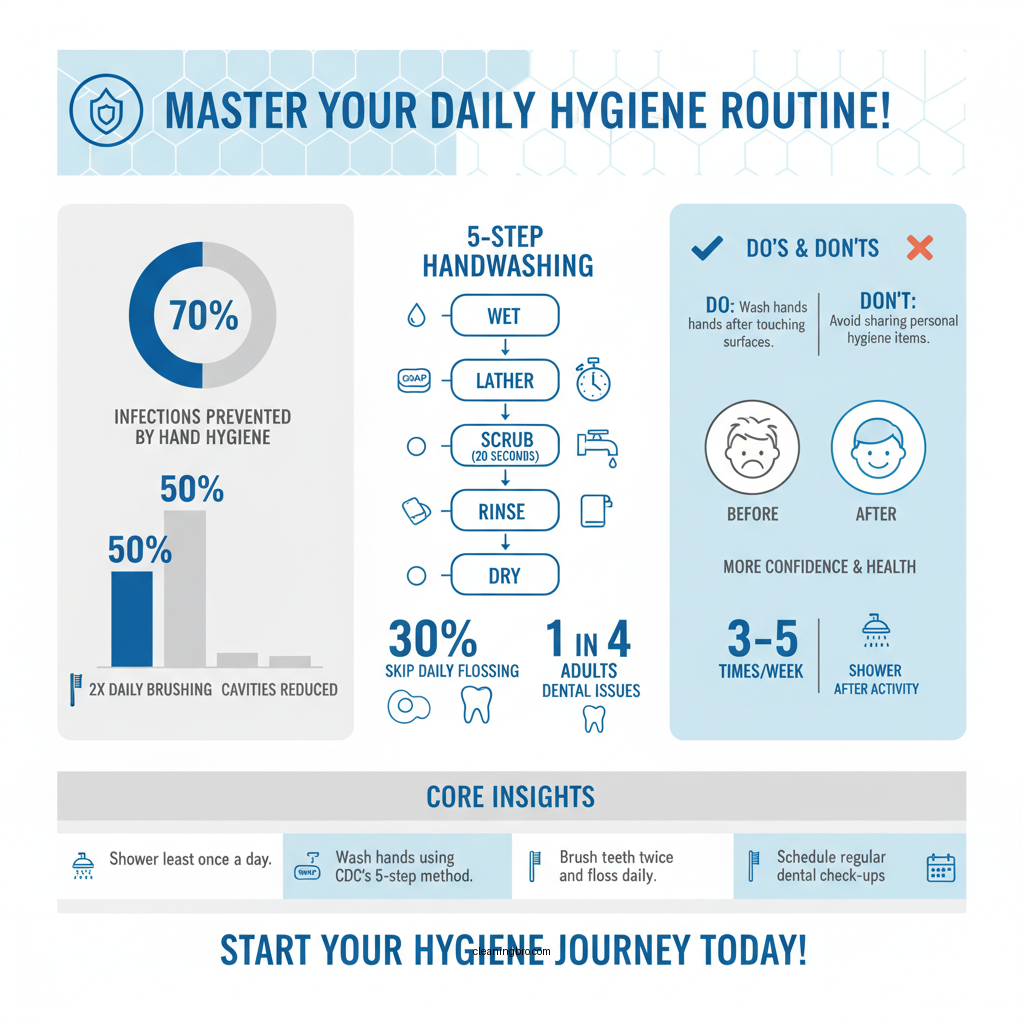
An essential part of personal hygiene is establishing daily practices that keep the body clean and healthy. Regular bathing and showering are fundamental to removing dirt, sweat, and bacteria from the skin. Ideally, individuals should shower at least once a day, particularly after physical activities or on hot days.
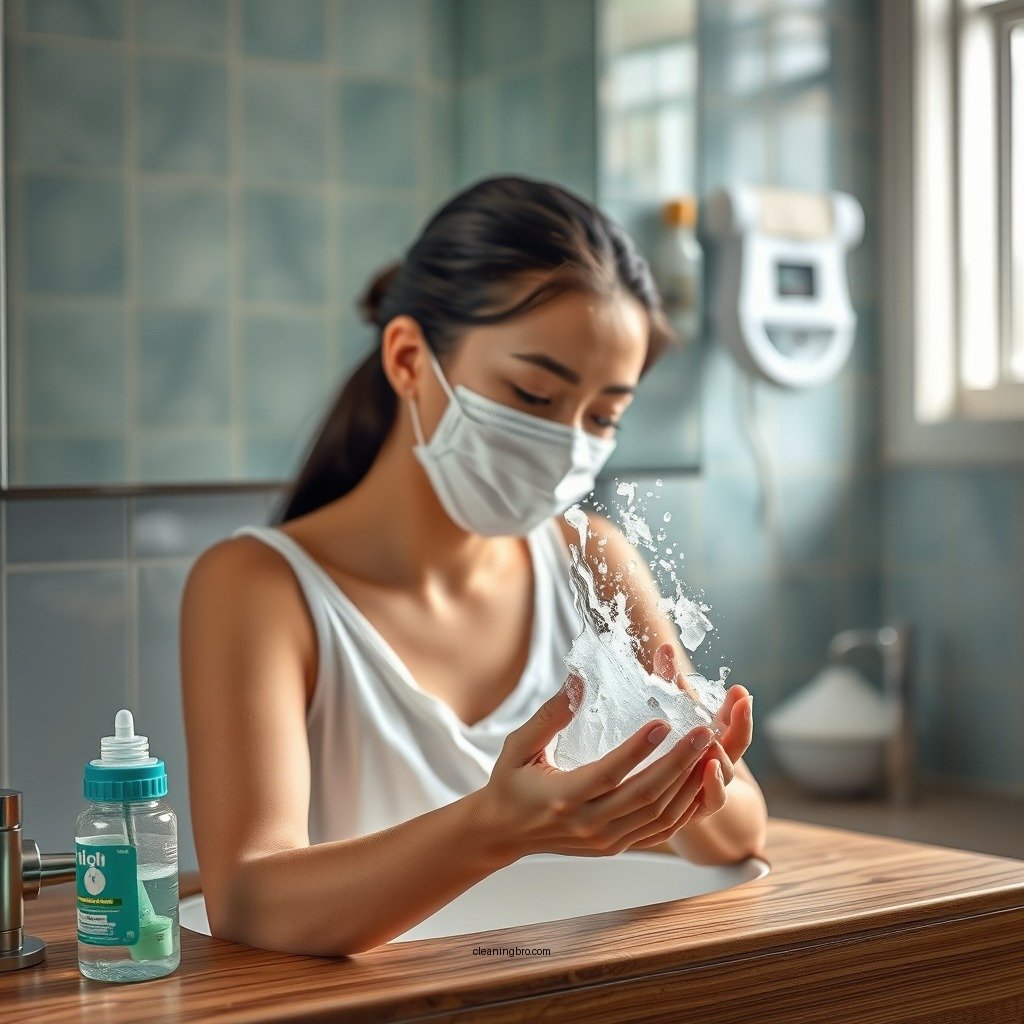
When it comes to effective handwashing, proper techniques are paramount. The Centers for Disease Control and Prevention (CDC) recommends the following steps:
1. Wet hands with clean, running water (warm or cold).
2. Apply soap and lather by rubbing hands together.
3. Scrub all surfaces of the hands, including the backs, between fingers, and under nails, for at least 20 seconds.
4. Rinse hands well under clean water.
5. Dry hands using a clean towel or air dry.
Implementing these practices not only promotes cleanliness but also significantly reduces the risk of illness.
Oral Hygiene Essentials
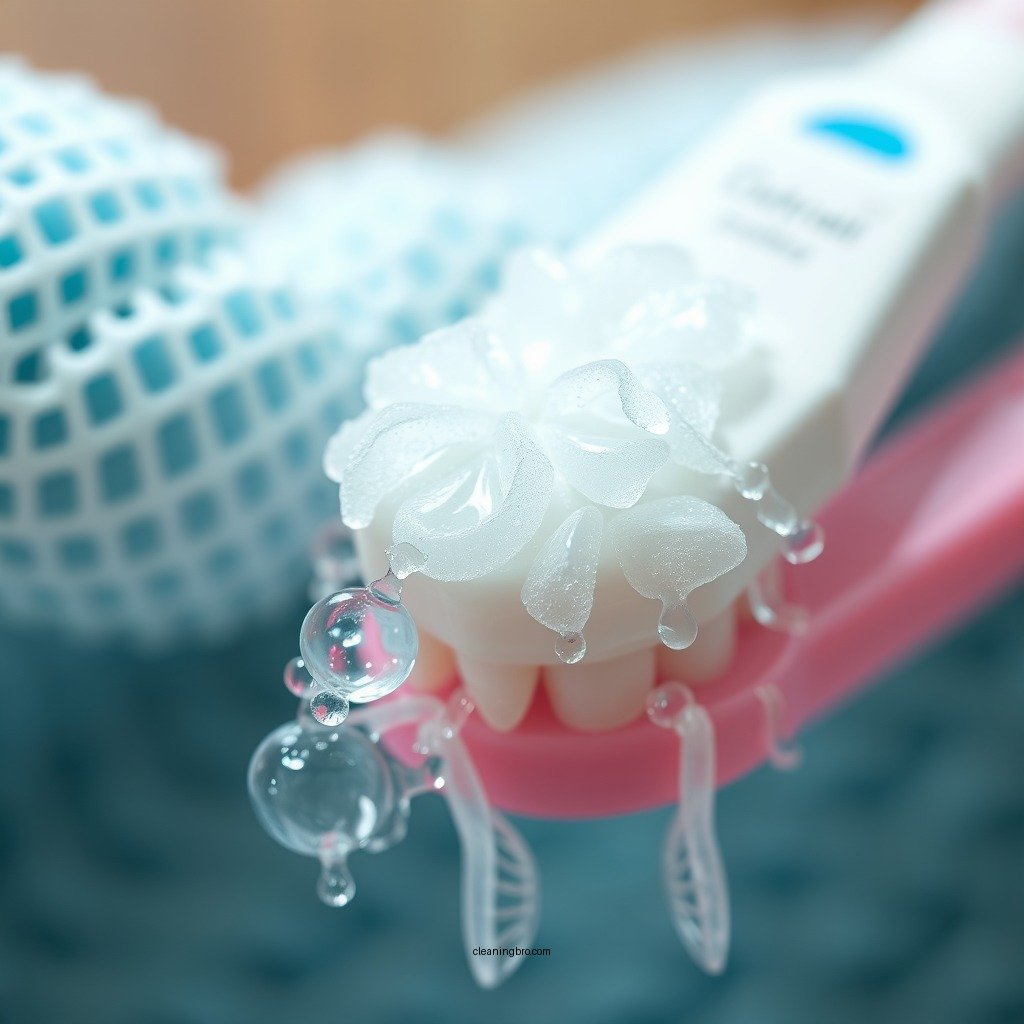
Oral hygiene is pivotal for overall health and should not be overlooked. Daily brushing and flossing are critical components of maintaining healthy teeth and gums. The American Dental Association (ADA) recommends brushing twice a day with fluoride toothpaste and flossing once a day to prevent cavities and gum disease.
When selecting dental care products, consider the following:
– Toothbrush: Choose a soft-bristled toothbrush that fits comfortably in your mouth. Electric toothbrushes can also be effective, providing a thorough clean.
– Toothpaste: Look for fluoride toothpaste, as it helps strengthen tooth enamel and prevent decay.
– Floss: Opt for dental floss or interdental brushes to clean between teeth effectively.
Regular dental check-ups should also be part of your oral hygiene routine, ideally every six months, to identify and address potential issues early.
Skin Care Routine
Developing a basic skincare regimen is essential for maintaining healthy skin. A typical skincare routine should include:
1. Cleansing: Use a gentle cleanser to remove impurities from the skin. This should be done twice daily, morning and evening.
2. Exfoliating: 2-3 times a week, use a gentle exfoliator to remove dead skin cells and promote cell turnover.
3. Moisturizing: Applying a moisturizer helps to hydrate the skin and maintain its natural barrier.
4. Sunscreen: Daily application of broad-spectrum sunscreen with an SPF of 30 or higher is crucial to protect against harmful UV rays.
Understanding the role of moisturizers and sunscreens cannot be understated. Moisturizers help to lock in hydration, while sunscreens prevent premature aging and skin cancer. Tailoring your skincare products to your skin type—oily, dry, or combination—can result in better outcomes.
Top Skincare Brands for Daily Use (2024)
| # | Brand | Product Line | Key Ingredients | Skin Type |
|---|---|---|---|---|
| 1 | CeraVe | Moisturizers | Ceramides, Hyaluronic Acid | All skin types |
| 2 | Neutrogena | Cleansers | Salicylic Acid, Glycerin | Oily, acne-prone |
| 3 | The Ordinary | Serums | Niacinamide, Retinol | Combination |
| 4 | La Roche-Posay | Sunscreen | Thermal Water, Antioxidants | Sensitive |
| 5 | Clinique | Moisturizers | Hyaluronic Acid, Aloe Vera | Dry |
| 6 | Aveeno | Body Wash | Oatmeal, Natural Oils | All skin types |
| 7 | Biore | Cleansers | Charcoal, Salicylic Acid | Oily, acne-prone |
Maintaining Clean Living Spaces
A clean living environment is crucial for maintaining personal hygiene and overall well-being. A cluttered and dirty space can harbor germs and exacerbate allergies or respiratory issues. Here are some strategies to keep your home clean and organized:
1. Establish a Cleaning Schedule: Designate specific days for tasks such as vacuuming, mopping, and dusting. A regular schedule helps in managing chores and preventing them from accumulating.
2. Declutter Regularly: Spend a few minutes each day putting items back in their place. Regular decluttering can make cleaning more manageable and your living space more inviting.
3. Use Natural Cleaning Products: Many commercial cleaning products can contain harsh chemicals. Opt for natural alternatives such as vinegar, baking soda, and essential oils for effective cleaning without harmful effects.
Regular cleaning and decluttering not only enhance aesthetics but also contribute significantly to mental clarity and peace of mind.
The Role of Diet and Hydration
Nutrition plays a vital role in maintaining personal hygiene and cleanliness. A balanced diet rich in fruits, vegetables, whole grains, and lean proteins can positively impact skin health, digestion, and overall body functions. Foods high in antioxidants, vitamins, and minerals help to detoxify the body and promote glowing skin.
Hydration is equally important. Drinking enough water throughout the day helps to flush toxins from the body, maintains skin elasticity, and supports bodily functions. The general recommendation is to consume at least eight 8-ounce glasses of water daily, but individual needs may vary based on activity level, climate, and overall health.
Building a Sustainable Hygiene Habit
Incorporating hygiene practices into your daily routine can be seamless with the right strategies. Here are some tips to make cleanliness a habit:
1. Set Reminders: Use your smartphone or calendar to set daily reminders for activities such as brushing your teeth, drinking water, or taking a shower.
2. Create a Checklist: A visual checklist can help keep track of your hygiene tasks. This may include grooming, skincare, and cleaning tasks that need to be accomplished daily or weekly.
3. Start Small: If you’re struggling to maintain hygiene, start with one new habit at a time. Gradually introduce more practices until they become part of your routine.
By building habits that prioritize personal hygiene, you can enhance your overall health and well-being.
Daily Hygiene Products: Soap vs. Body Wash vs. Shower Gel
| Feature | ⭐ Soap | Body Wash | Shower Gel |
|---|---|---|---|
| Moisturizing Properties | Moderate | High | Low |
| Scent Variety | Varied | Extensive | Moderate |
| Skin Type Suitability | All types | Dry, sensitive | Oily |
| Lather Quality | Rich | Creamy | Foamy |
| Price Range | $3-$10 | $5-$15 | $6-$20 |
| Sustainability | Varies | High | Moderate |
| Environmental Impact | Low | Moderate | High |
| Ease of Use | Easy | Easy | Moderate |
| Availability | Widely available | Widely available | Somewhat limited |
| 🏆 Best For | Sensitive skin | Daily use | Oily skin |
Staying clean involves more than just washing; it encompasses a holistic approach to personal care and hygiene. By following the outlined steps and tips, you can develop effective habits that promote a clean and healthy lifestyle. Start implementing these practices today for a fresher, healthier you!
Frequently Asked Questions
What are the best methods for getting clean after a long day outdoors?
To get clean after a long day outdoors, start by rinsing off dirt and sweat with a warm shower, using a gentle exfoliating body wash to remove impurities. Follow up with a hydrating moisturizer to replenish your skin’s moisture. Remember to wash your hair thoroughly, as dirt and oils can accumulate, and consider using a clarifying shampoo if you used styling products.
How can I clean my home effectively without using harsh chemicals?
To clean your home effectively without harsh chemicals, utilize natural cleaning solutions such as vinegar, baking soda, and lemon juice. These ingredients can disinfect surfaces, eliminate odors, and tackle tough stains. For an added boost, consider using essential oils for fragrance and additional antibacterial properties while ensuring a safe and eco-friendly cleaning environment.
Why is it important to maintain cleanliness in personal hygiene?
Maintaining cleanliness in personal hygiene is crucial as it helps prevent the spread of infections and diseases, while contributing to overall physical and mental well-being. Good hygiene practices, such as regular hand washing and dental care, can significantly reduce the risk of illness and boost self-esteem by promoting a sense of freshness and cleanliness.
Which products are best for achieving a deep clean on my skin?
The best products for achieving a deep clean on your skin include exfoliating scrubs, clay masks, and foaming cleansers that contain salicylic acid or glycolic acid. These products help unclog pores, remove dead skin cells, and improve skin texture. Regular use of these items, combined with a consistent skincare routine, will lead to healthier and clearer skin over time.
How often should I clean my living space to ensure it stays fresh and healthy?
To ensure your living space stays fresh and healthy, it’s recommended to clean high-touch areas such as kitchens and bathrooms at least once a week. Dust and vacuum common areas biweekly, and perform a deep clean of your entire home monthly. Regular cleaning not only helps maintain a pleasant environment but also reduces allergens and improves indoor air quality.
References
- About Handwashing | Clean Hands | CDC
https://www.cdc.gov/handwashing/index.html - https://www.who.int/news-room/fact-sheets/detail/hand-hygiene
https://www.who.int/news-room/fact-sheets/detail/hand-hygiene - https://www.niaid.nih.gov/research/topics/clean-hands
https://www.niaid.nih.gov/research/topics/clean-hands - https://www.ncbi.nlm.nih.gov/pmc/articles/PMC6463079/
https://www.ncbi.nlm.nih.gov/pmc/articles/PMC6463079/ - https://www.mayoclinic.org/healthy-lifestyle/adult-health/in-depth/handwashing/art-20046004
https://www.mayoclinic.org/healthy-lifestyle/adult-health/in-depth/handwashing/art-20046004 - https://www.health.harvard.edu/staying-healthy/the-importance-of-handwashing
https://www.health.harvard.edu/staying-healthy/the-importance-of-handwashing - Hygiene | Facts & Definition | Britannica
https://www.britannica.com/science/hygiene - Google Scholar Google Scholar
https://scholar.google.com/scholar?q=how+to+get+clean - Google Scholar Google Scholar
https://scholar.google.com/scholar?q=importance+of+cleanliness - Google Scholar Google Scholar
https://scholar.google.com/scholar?q=handwashing+health+benefits