How to Keep a Duck Pond Clean: Effective Strategies
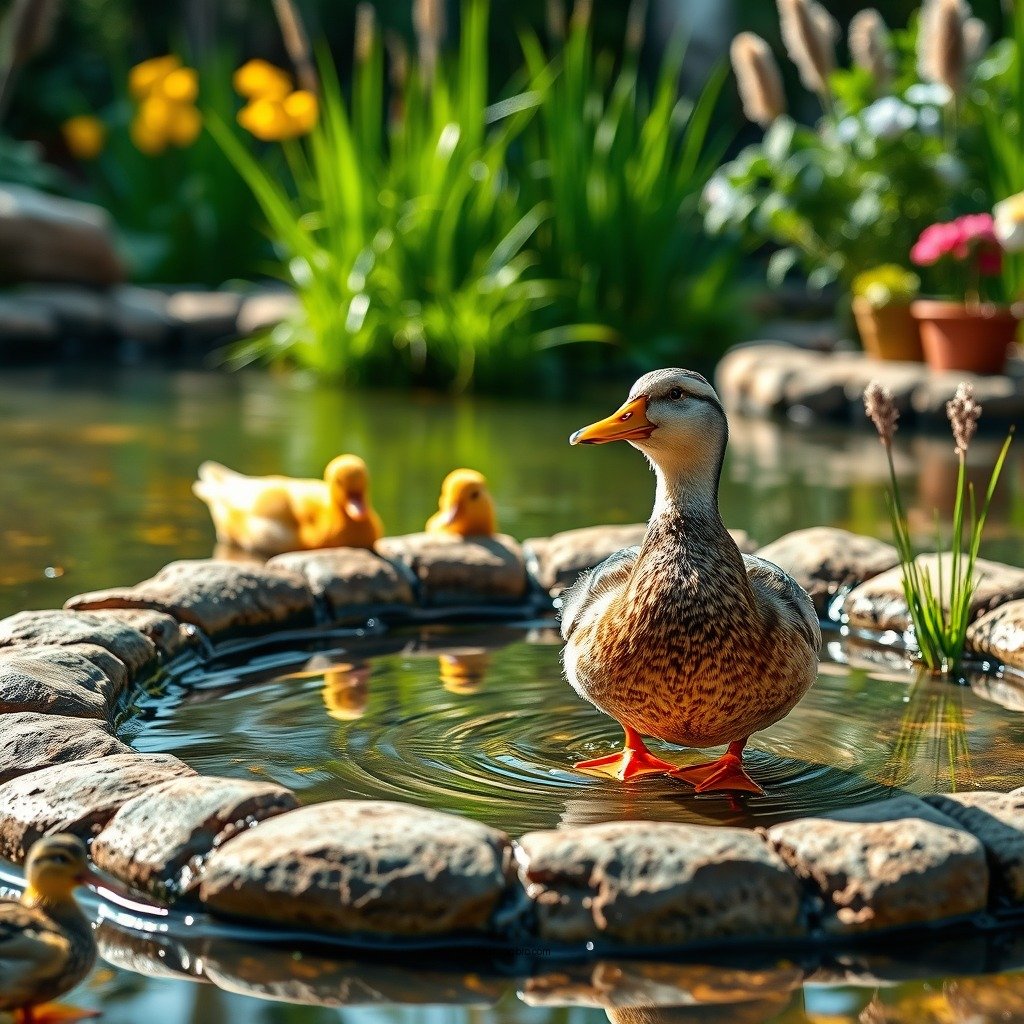
Keeping a duck pond clean involves regular maintenance and effective management practices to ensure a healthy environment for the ducks. By implementing filtration systems, managing vegetation, and maintaining water quality, you can create a thriving habitat. This article will guide you through essential steps to keep your duck pond pristine.
Regular Water Testing
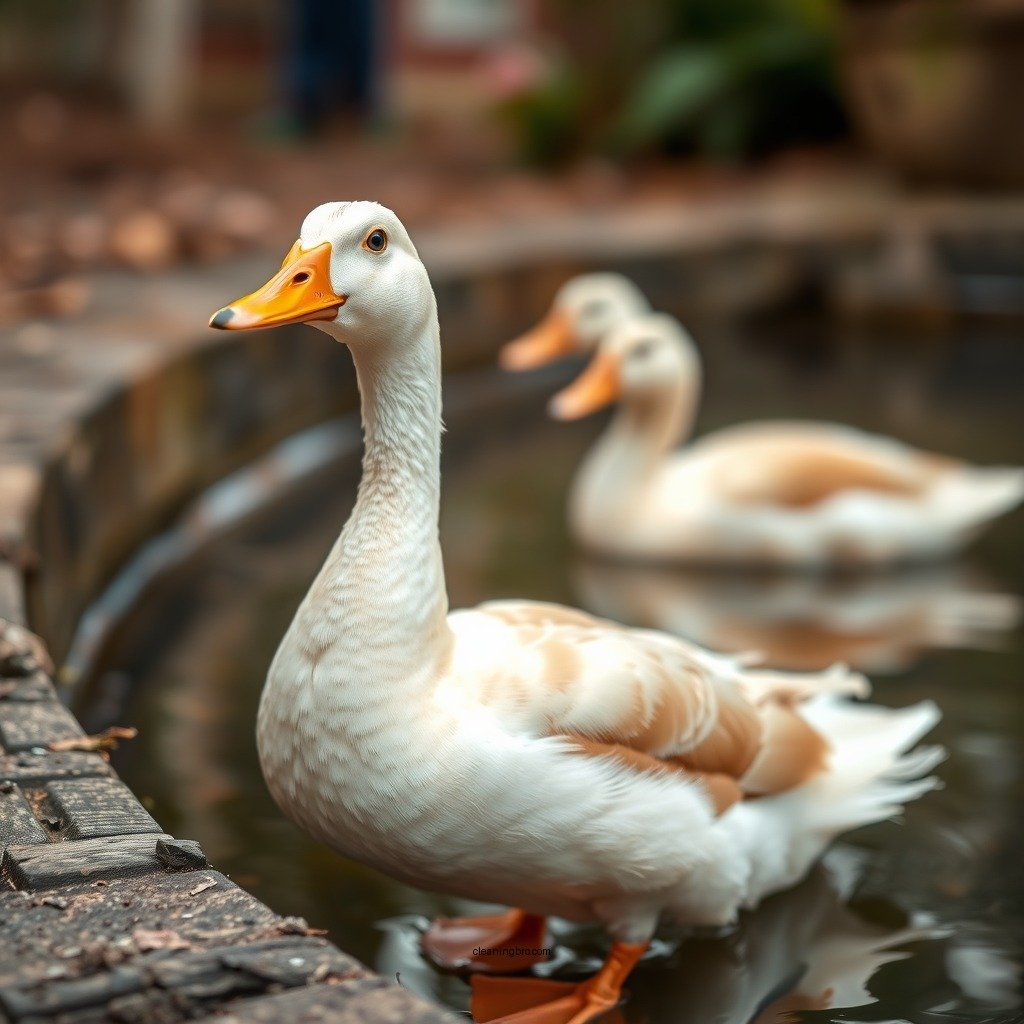
To maintain a clean and healthy duck pond, regular water testing is crucial. Conduct tests for key parameters, including pH, ammonia, nitrates, and dissolved oxygen levels. These factors significantly influence the pond’s ecosystem and the health of the ducks inhabiting it.
Utilizing water testing kits, which are readily available at garden centers or online, can make this process straightforward. For instance, a pH level between 6.5 and 7.5 is ideal for ducks. Elevated ammonia or nitrate levels can indicate overfeeding or insufficient filtration, which may lead to health issues for the ducks. Regular testing allows you to address potential problems before they escalate, ensuring a safe and clean environment for your avian residents.
Effective Filtration Systems
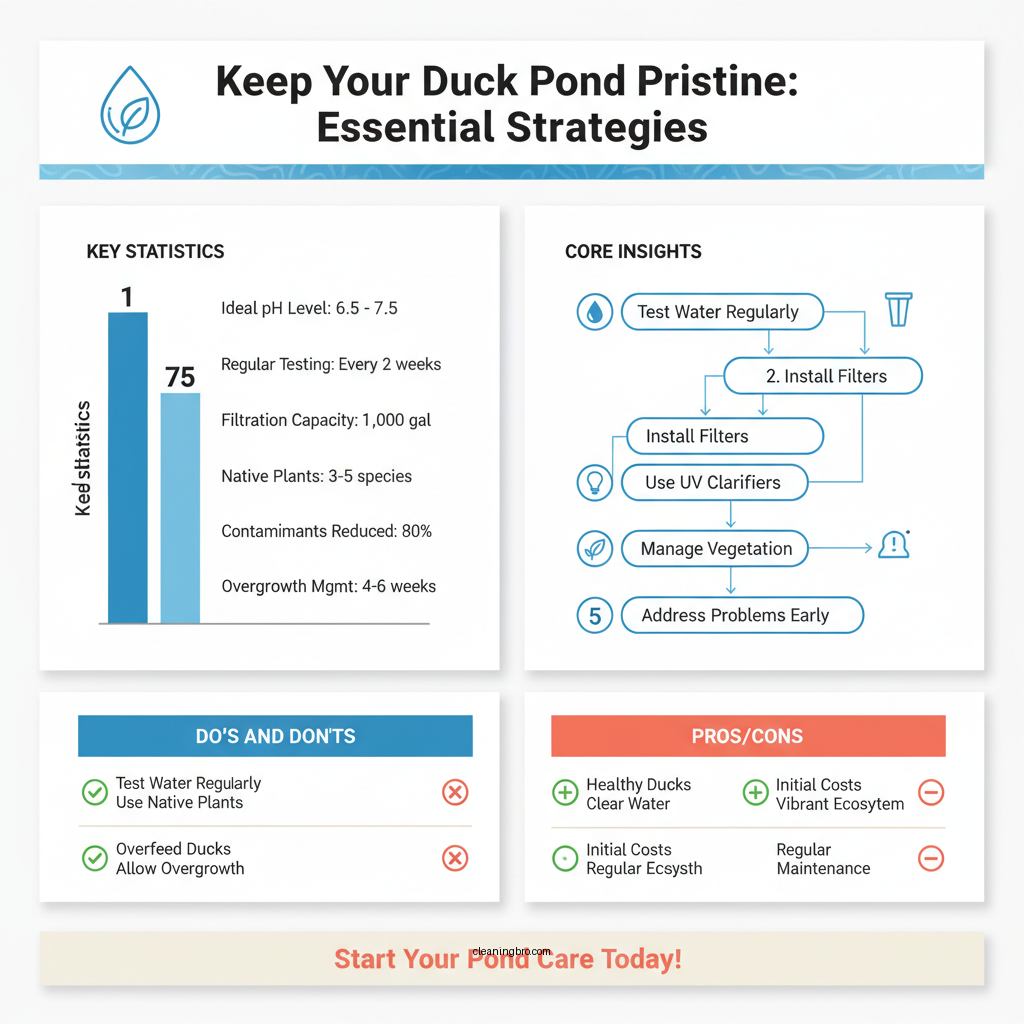
Installing an effective filtration system is one of the most effective strategies for maintaining a duck pond’s cleanliness. A pond filter can help remove debris, contaminants, and excess nutrients from the water, thereby preventing algae blooms and promoting a balanced ecosystem.
Consider options such as mechanical filters, which physically remove particles from the water, and biological filters, which use beneficial bacteria to break down harmful substances. Additionally, UV clarifiers can be an excellent choice for managing and reducing algae growth, ensuring that your pond remains clear and appealing. When selecting a filtration system, assess the size of your pond and the number of ducks to determine the appropriate capacity and type of filtration needed.
Vegetation Management
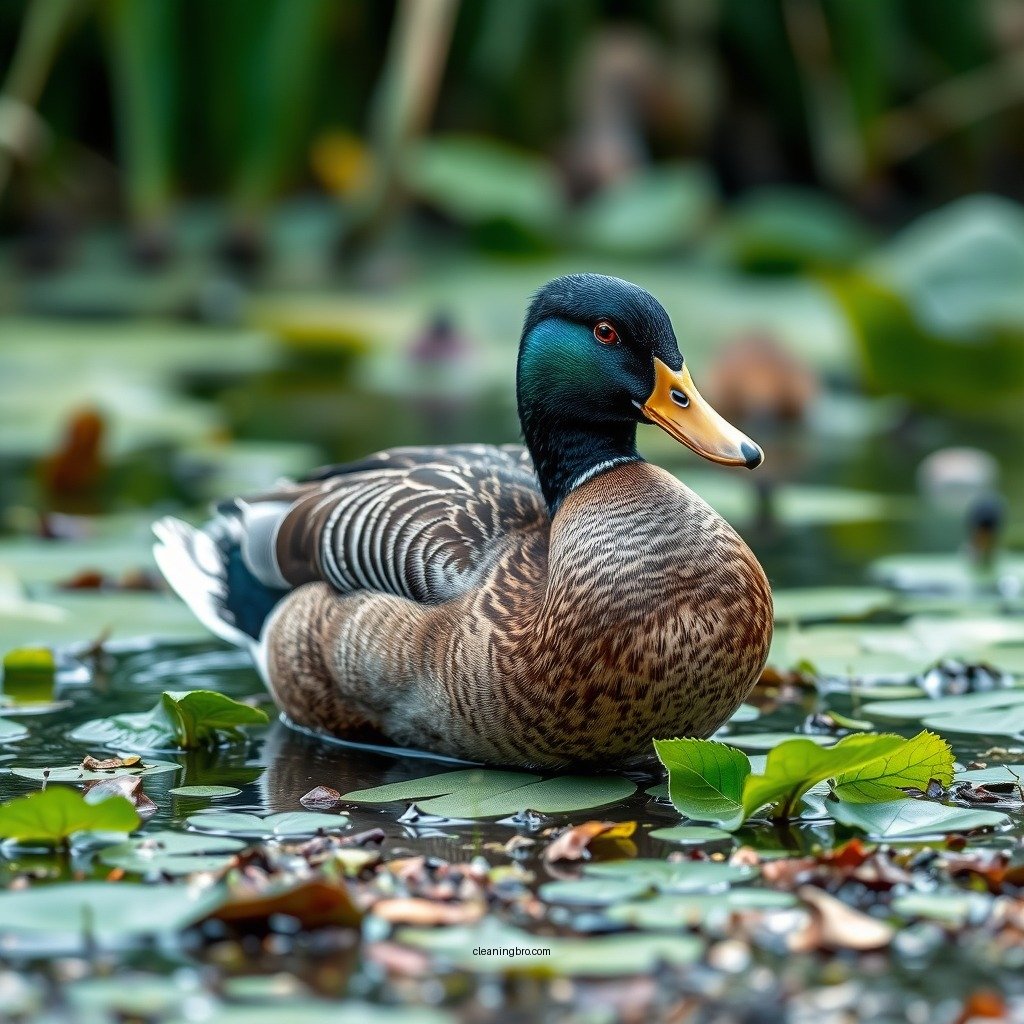
Proper vegetation management is essential for keeping a duck pond clean while enhancing its natural beauty. Planting native aquatic plants, such as water lilies or cattails, can promote natural filtration, provide shelter, and improve overall habitat quality for the ducks. These plants absorb excess nutrients and create a balanced ecosystem that supports both aquatic life and the ducks.
Regularly trimming overgrown vegetation is equally important. Overgrowth can lead to decay and nutrient buildup, which can deteriorate water quality. Establish a routine to monitor and manage plant growth, ensuring that the pond remains healthy and vibrant. This approach not only benefits the ducks but also contributes to the aesthetic appeal of your pond.
Top 7 Duck Pond Management Techniques (2024)
| # | Technique | Effectiveness (%) | Cost (USD) | Maintenance Frequency |
|---|---|---|---|---|
| 1 | Regular Water Testing | 90% | $30 | Monthly |
| 2 | Pond Filtration Systems | 85% | $250 | Biannually |
| 3 | Vegetation Management | 80% | $50 | Quarterly |
| 4 | Waste Management | 95% | $100 | Weekly |
| 5 | Algae Control Techniques | 75% | $40 | Monthly |
| 6 | Seasonal Maintenance | 90% | $150 | Seasonally |
| 7 | Educating Duck Owners | 70% | $20 | Annually |
Waste Management
Implementing a robust waste management routine is critical for maintaining a clean duck pond. Duck droppings can quickly accumulate and lead to poor water quality if not addressed promptly. Establish a routine for removing duck droppings from the pond, which may include daily or weekly checks depending on the size of your flock.
Using a skimmer or net can facilitate the collection of debris, leaves, and droppings, preventing them from sinking and decomposing in the water. Additionally, creating designated areas for feeding can help minimize waste spread throughout the pond, making it easier to manage. Efficient waste management not only enhances the cleanliness of the pond but also contributes significantly to the overall health of the ducks.
Algae Control Techniques
Algae blooms can be a significant issue in duck ponds, impacting water clarity and quality. To counteract this problem, introducing beneficial bacteria can help break down organic matter, reducing nutrient levels that promote algae growth. These bacteria can be added to the pond as needed and are often available at garden and pond supply stores.
Another natural method for algae prevention is using barley straw. When barley straw decomposes, it releases compounds that inhibit algae growth, making it a sustainable choice for pond management. Regularly monitoring algae levels and employing these techniques can help keep your duck pond clear and healthy.
Seasonal Maintenance
Seasonal maintenance is essential for ensuring your duck pond remains clean and functional throughout the year. Thoroughly cleaning the pond during seasonal changes, especially in spring and fall, allows you to remove any accumulated debris and prevent the buildup of harmful substances.
During these maintenance periods, inspect and maintain equipment such as pumps and filters to ensure optimal functionality. Addressing any mechanical issues before peak usage seasons, such as summer, will help maintain a healthy environment for the ducks and ensure your pond remains an enjoyable feature of your property.
Top Duck Pond Maintenance Options: A Comparison
| Feature | ⭐ Pond Filter Systems | Natural Vegetation | Manual Cleaning |
|---|---|---|---|
| Initial Cost | $250 | $50 | $0 |
| Maintenance Cost | $30/month | $10/month | $20/month |
| Effectiveness Against Algae | ✅ Excellent | ✅ Good | ❌ Limited |
| Impact on Duck Health | ✅ Safe | ✅ Very Safe | ✅ Safe |
| Installation Complexity | Moderate | Low | Very Low |
| Time Investment | Ongoing | Minimal | High |
| Environmental Impact | ✅ Low | ✅ Very Low | ❌ Moderate |
| Effect on Water Clarity | ✅ Crystal Clear | ✅ Clear | ❌ Cloudy |
| Flexibility | Moderate | High | Low |
| 🏆 Best For | Efficient filtration | Natural aesthetics | Budget cleaning |
Educating Duck Owners
Education plays a vital role in maintaining a clean duck pond. Sharing best practices with other duck pond owners in your community fosters a culture of awareness and responsibility. Consider organizing workshops or informational sessions to discuss topics such as waste management, water quality, and vegetation management.
Promoting awareness about the importance of clean water for duck health can lead to better practices among all pond owners, contributing to a healthier environment for the ducks. Creating a network of support and knowledge-sharing can help everyone involved in duck pond management improve their strategies and outcomes.
Maintaining a clean duck pond requires proactive measures and consistent care. By implementing these strategies, you can ensure a healthy and enjoyable environment for your ducks. Start today by evaluating your current maintenance practices and make necessary adjustments for a cleaner pond!
Frequently Asked Questions
What are the best methods to keep a duck pond clean?
To keep a duck pond clean, consider using a combination of natural and mechanical filtration systems. Adding aquatic plants can help absorb excess nutrients, while regularly cleaning out debris and using a pond vacuum can remove sludge and waste. Additionally, ensuring proper water circulation can promote a healthier environment for your ducks.
How often should I clean my duck pond?
It is recommended to clean your duck pond at least once a month, but the frequency may vary based on the pond size and the number of ducks. Regular maintenance, such as removing organic waste and checking water quality, will help keep the pond clean and healthy. During warmer months, you may need to increase cleaning frequency to manage algae growth effectively.
Why is it important to maintain a clean duck pond?
Maintaining a clean duck pond is crucial for the health of the ducks and the ecosystem. A dirty pond can lead to algae blooms, which can deplete oxygen levels and harm aquatic life. Clean water also reduces the risk of disease among ducks and ensures they have a safe, enjoyable environment for swimming and foraging.
Which plants are best for keeping a duck pond clean?
Some of the best plants for keeping a duck pond clean include water lilies, cattails, and duckweed. These plants help filter water by absorbing excess nutrients, providing shade to reduce algae growth, and offering habitats for beneficial microorganisms. Incorporating a variety of native aquatic plants can also enhance biodiversity in the pond.
How can I naturally reduce algae in my duck pond?
To naturally reduce algae in your duck pond, consider adding beneficial bacteria or enzymes that break down organic matter and compete with algae for nutrients. Introducing plants that absorb excess nutrients and shading the pond with floating plants can also help limit algae growth. Regularly removing debris and controlling sunlight exposure are also effective strategies to keep algae at bay.
References
- https://www.extension.purdue.edu/extmedia/ho/ho-241-w.pdf
https://www.extension.purdue.edu/extmedia/ho/ho-241-w.pdf - https://www.extension.umn.edu/garden/yard-garden/landscaping/creating-a-wildlife-pond/
https://www.extension.umn.edu/garden/yard-garden/landscaping/creating-a-wildlife-pond/ - https://www.nrcs.usda.gov/wps/portal/nrcs/detail/national/water/manage/?cid=nrcs143_014205
https://www.nrcs.usda.gov/wps/portal/nrcs/detail/national/water/manage/?cid=nrcs143_014205 - Google Scholar Google Scholar
https://scholar.google.com/scholar?q=how+to+keep+duck+pond+clean - Google Scholar Google Scholar
https://scholar.google.com/scholar?q=maintaining+water+quality+in+duck+ponds - Google Scholar Google Scholar
https://scholar.google.com/scholar?q=duck+pond+management - https://www.abc.net.au/education/life-on-a-pond/10536180
https://www.abc.net.au/education/life-on-a-pond/10536180 - how to keep duck pond clean – Search results
https://en.wikipedia.org/wiki/Special:Search?search=how+to+keep+duck+pond+clean - https://www.ncbi.nlm.nih.gov/search/research-articles/?term=how+to+keep+duck+pond+clean
https://www.ncbi.nlm.nih.gov/search/research-articles/?term=how+to+keep+duck+pond+clean