How to Keep a Pond Clean Without Fish
Keeping a pond clean without fish is achievable through regular maintenance, natural filtration, and the right aquatic plants. By implementing a few simple strategies, you can maintain clear water and a healthy ecosystem. This article will guide you through effective methods to ensure your pond remains clean and vibrant.
Regular Maintenance Practices
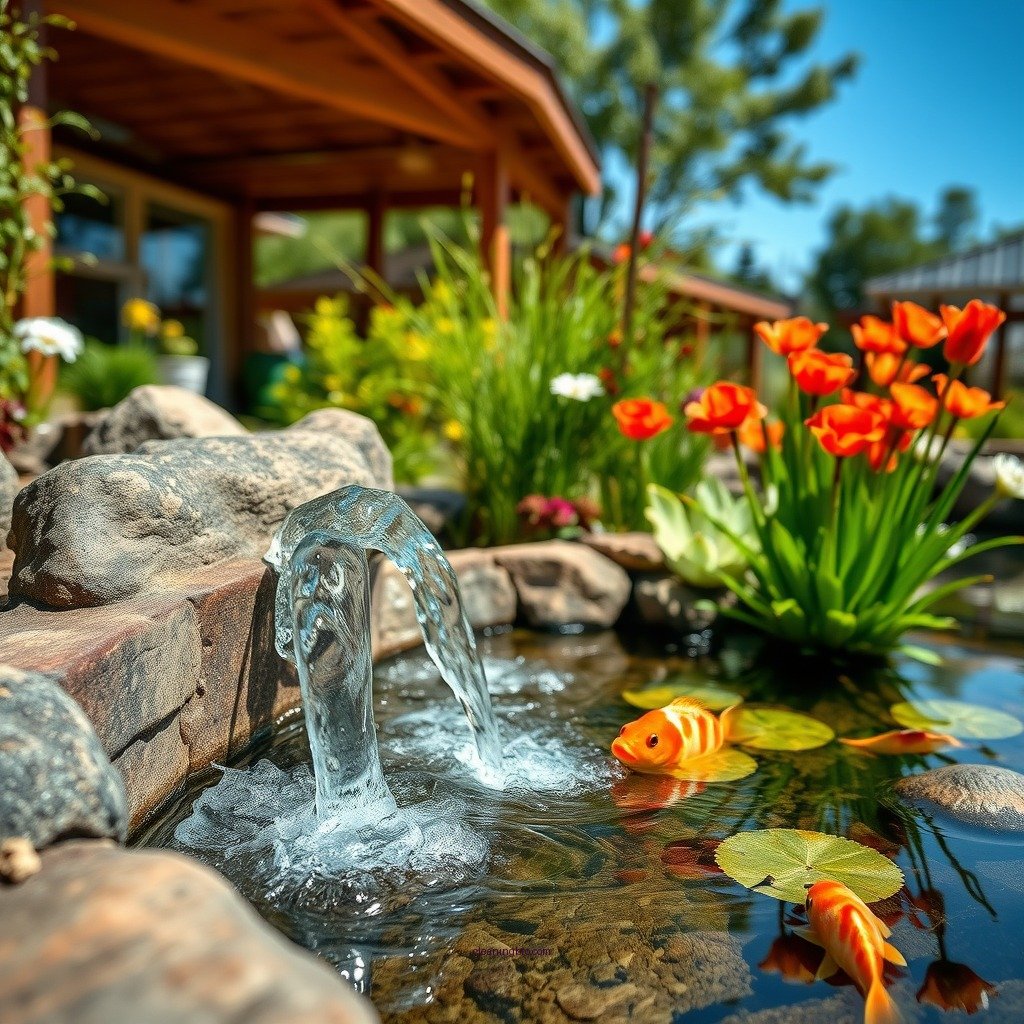
Regular maintenance is critical for ensuring the longevity and cleanliness of a pond. One of the most effective practices is performing routine debris removal. This involves skimming leaves, twigs, and other organic matter from the pond’s surface. Implementing a weekly or bi-weekly schedule for this task can drastically reduce the amount of organic buildup, which can lead to water quality issues and algae growth.
Additionally, cleaning out the pond filter is essential to maintain optimal functioning. Depending on the type of filtration system you have, this may involve rinsing or replacing filter media. A clean filter allows the system to efficiently remove particulates and impurities from the water, thus contributing to a clearer and healthier pond environment. Regular checks and maintenance of any pump or aeration systems are also crucial, as these devices help circulate the water and maintain oxygen levels.
Natural Filtration Methods
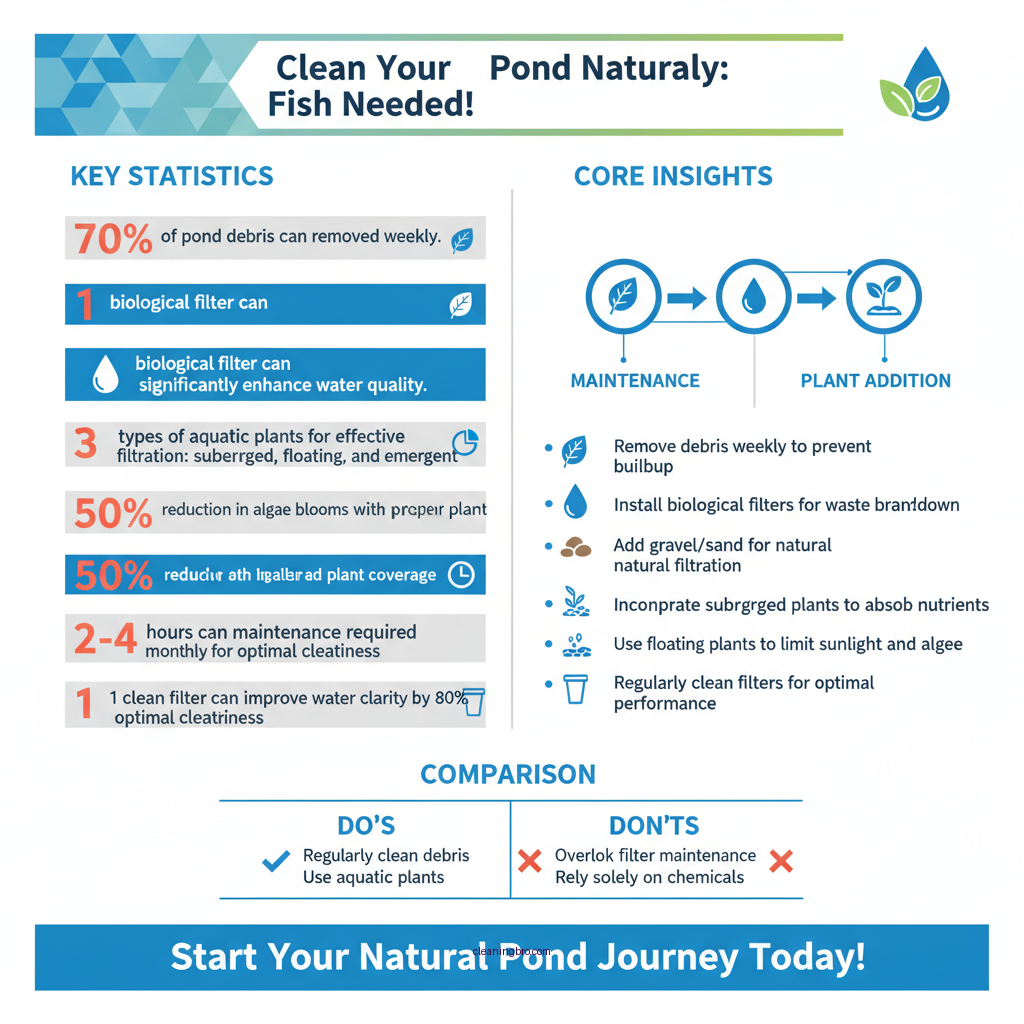
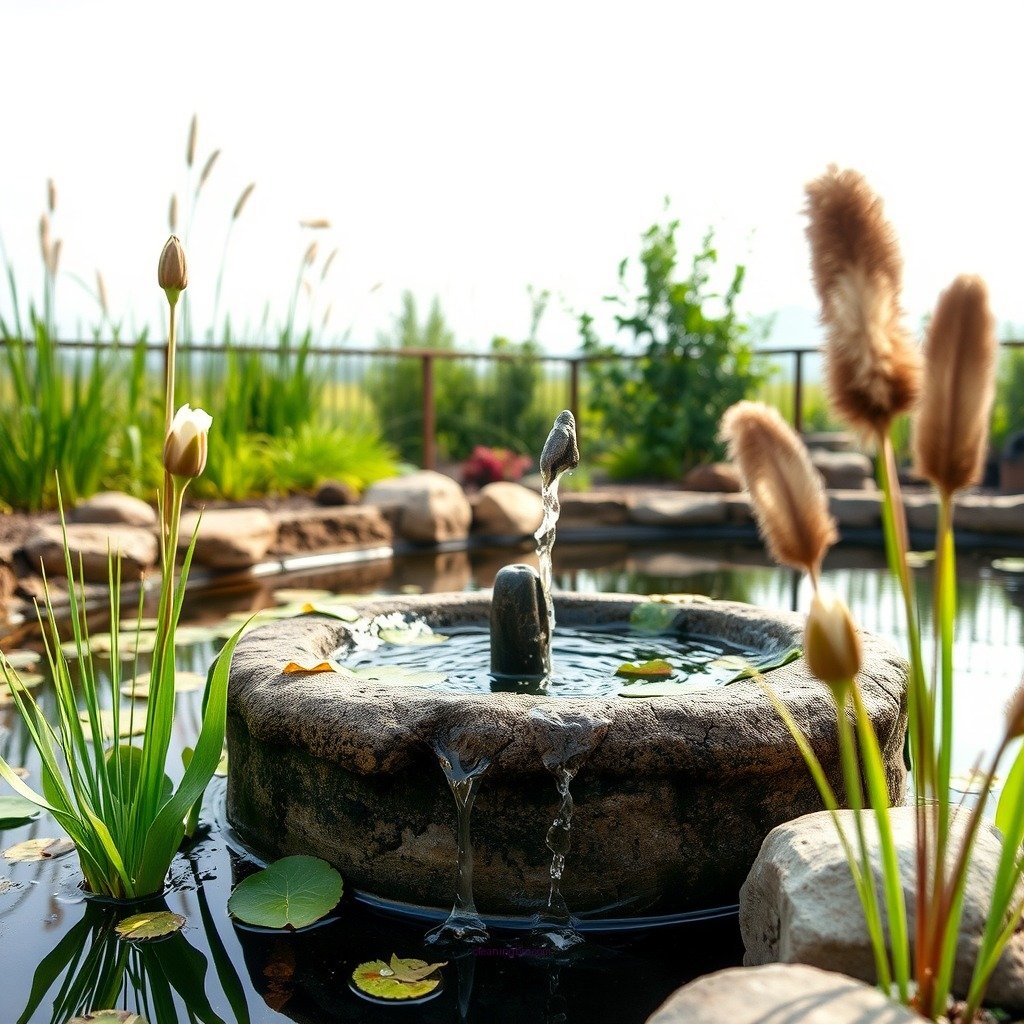
Natural filtration methods can significantly enhance the water quality of your pond. One effective approach is to utilize biological filters that promote the growth of beneficial bacteria. These bacteria play a vital role in breaking down organic waste, converting harmful substances like ammonia into less toxic compounds. Installing a biological filter can be a game-changer in maintaining a clean pond without relying on fish.
Another natural filtration method is incorporating a gravel or sand bottom. This substrate can help filter debris and organic matter naturally, as sediment settles to the bottom and is broken down by microorganisms. Not only does this enhance the filtration process, but it also creates a more natural environment for any plants or wildlife that may inhabit the pond.
Aquatic Plants for Filtration
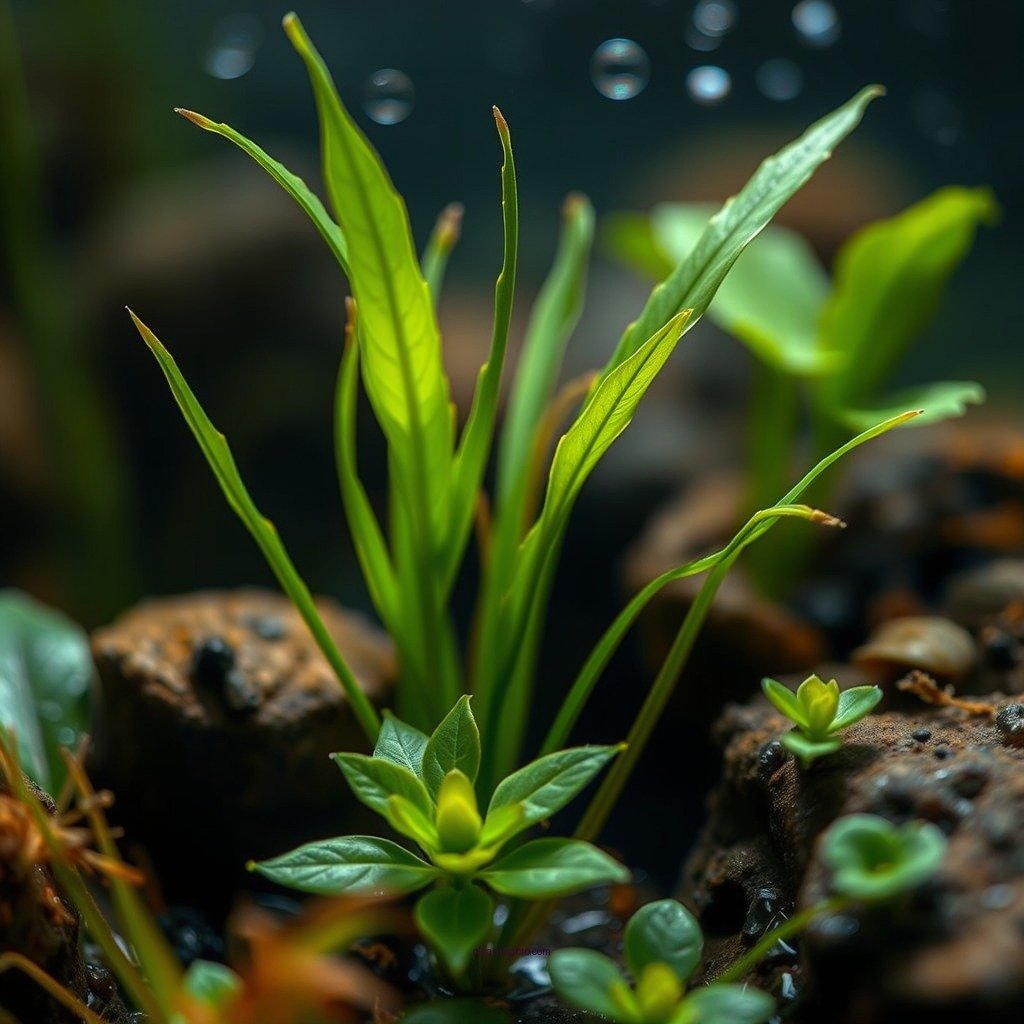
The strategic use of aquatic plants is a highly effective way to maintain water clarity and quality. Submerged plants, such as anacharis or hornwort, are excellent choices as they absorb excess nutrients from the water. These nutrients, left unchecked, can lead to algae blooms and poor water quality. By incorporating these plants, you create a natural filtration system that actively cleanses the water.
Floating plants, like water lilies or duckweed, are also beneficial for pond health. They provide shade that limits sunlight penetration, thus reducing algae growth. Additionally, these plants contribute to the aesthetic value of the pond while offering habitat for insects and other wildlife. A diverse plant population not only enhances ecological balance but also promotes a vibrant pond ecosystem.
Managing Algae Growth
Algae growth is one of the most common challenges in maintaining a clean pond. Implementing nutrient control is crucial in this regard. Avoid over-fertilizing gardens or lawns near the pond, as excess fertilizers can leach into the water and promote algal blooms. Instead, consider using organic fertilizers and practicing sustainable landscaping techniques to minimize runoff.
Incorporating barley straw is another natural method to inhibit algae growth. As barley decomposes in the water, it releases compounds that can help suppress algae proliferation. This method can be particularly effective in smaller ponds where fish are not present to manage algae populations naturally.
Water Quality Testing
Regular water quality testing is essential for maintaining a balanced ecosystem in your pond. Monitoring parameters like pH levels, ammonia, nitrites, and nitrates allows you to identify any imbalances early on. Most aquatic plants thrive in a pH range of 6.5 to 7.5, while ammonia and nitrite levels should ideally be at zero.
If your testing reveals elevated levels of these substances, you can take corrective measures such as performing partial water changes or adjusting plant populations. Regular testing empowers you to make informed decisions, ensuring that your pond remains a thriving habitat for both flora and fauna.
Aeration Solutions
Aeration is a key component in maintaining a healthy pond ecosystem. Adding an aerator or fountain can increase oxygen levels in the water, which is crucial for the survival of beneficial bacteria and other aquatic life. Stagnant water can lead to poor oxygen levels and create an environment conducive to algae growth.
Ensure that water circulation is adequate throughout the pond to prevent the development of stagnant areas. This can be achieved by strategically placing aeration devices or installing a water feature that promotes movement. A well-aerated pond is not only healthier but also more visually appealing.
Seasonal Considerations
Seasonal changes can significantly impact pond maintenance practices. Preparing your pond for winter involves removing debris, such as leaves and fallen branches, which can decay and deplete oxygen levels when frozen. Additionally, consider installing a pond heater to maintain water movement, preventing the formation of ice that could harm aquatic life.
In spring, assess the growth of aquatic plants and make adjustments as necessary. This may involve thinning out overcrowded plants or introducing new species that thrive in warmer temperatures. By being proactive with seasonal adjustments, you can ensure your pond remains healthy and vibrant throughout the year.
Top 7 Aquatic Plants for Pond Filtration (2024)
| # | Plant | Type | Nutrient Absorption | Best For |
|---|---|---|---|---|
| 1 | Anacharis | Submerged | High | Nutrient Control |
| 2 | Hornwort | Submerged | Moderate | Oxygenation |
| 3 | Water Lily | Floating | Low | Aesthetic |
| 4 | Duckweed | Floating | High | Algae Control |
| 5 | Water Hyacinth | Floating | Moderate | Filtration |
| 6 | Cattails | Emergent | Low | Erosion Control |
| 7 | Water Mint | Emergent | Moderate | Aromatic |
Aquatic Plants’ Nutrient Absorption Rates
Top 3 Natural Pond Maintenance Products
| Feature | ⭐ Eco-Friendly Pond Cleaner | Aquatic Plant Fertilizer | Barley Straw Extract |
|---|---|---|---|
| Type | Liquid | Granular | Liquid |
| Application | Weekly | Monthly | Every 6 weeks |
| Effectiveness | ✅ High | ✅ Moderate | ✅ High |
| Safety | Non-toxic | Organic | Natural |
| Cost | $15 for 1L | $10 for 2kg | $12 for 1L |
| Availability | Widely available | Limited | Widely available |
| Environmental Impact | Minimal | Low | Very low |
| User Ratings | ★★★★☆ | ★★★☆☆ | ★★★★☆ |
| 🏆 Best For | General pond maintenance | Plant growth enhancement | Algae control |
Maintaining a clean pond without fish involves a combination of regular upkeep, natural filtration, and the strategic use of plants. By following these methods, you can create a thriving aquatic habitat. Start implementing these strategies today to enjoy a beautiful and clean pond all year round!
Frequently Asked Questions
What are the best methods to keep a pond clean without using fish?
To maintain a clean pond without fish, consider using a combination of physical and biological filtration methods. Installing a pond skimmer can help remove debris and organic matter from the surface, while a biological filter can promote the growth of beneficial bacteria that break down pollutants. Regularly changing water and adding aquatic plants can also help absorb excess nutrients and improve water clarity.
How often should I clean my pond if I don’t have fish?
Even without fish, it’s essential to clean your pond regularly to prevent algae blooms and maintain water quality. Aim to perform a thorough cleaning every 2-4 weeks during the warmer months, including removing debris and checking the filtration system. Additionally, seasonal cleanings in spring and fall can help manage organic buildup and prepare the pond for changing weather conditions.
Why is it important to keep a pond clean without fish?
Keeping a pond clean is crucial for maintaining a healthy ecosystem, even in the absence of fish. Clean water supports various aquatic plants and beneficial microorganisms that contribute to the pond’s overall health. A dirty pond can lead to issues such as foul odors, excessive algae growth, and decreased oxygen levels, which can harm any wildlife that depends on the pond.
Which aquatic plants are best for keeping a pond clean without fish?
Choosing the right aquatic plants can significantly enhance your pond’s cleanliness. Fast-growing plants like water lilies, hornwort, and cattails are excellent choices as they absorb excess nutrients and provide shade, reducing algae growth. Additionally, floating plants such as duckweed can help cover the surface, limiting sunlight and preventing unwanted algae proliferation.
What tools do I need to maintain a clean pond without fish?
To effectively maintain a clean pond without fish, invest in essential tools such as a pond skimmer, a net for debris removal, and a quality pond vacuum for deeper cleaning. Additionally, a biological filtration system and water testing kits can help monitor and manage water quality effectively. Regular maintenance tools, like aquatic plant pruning shears, will also assist in keeping plants healthy and the pond clean.
References
- Pond
https://en.wikipedia.org/wiki/Pond - https://www.extension.umn.edu/garden/yard-garden/landscaping/maintaining-ponds/
https://www.extension.umn.edu/garden/yard-garden/landscaping/maintaining-ponds/ - https://www.nrcs.usda.gov/Internet/FSE_DOCUMENTS/nrcs144p2_034677.pdf
https://www.nrcs.usda.gov/Internet/FSE_DOCUMENTS/nrcs144p2_034677.pdf - https://www.epa.gov/nutrientpollution/what-nutrient-pollution
https://www.epa.gov/nutrientpollution/what-nutrient-pollution - https://pubmed.ncbi.nlm.nih.gov/22047682/
https://pubmed.ncbi.nlm.nih.gov/22047682/ - https://www.nature.com/articles/s41598-018-25333-0
https://www.nature.com/articles/s41598-018-25333-0 - https://www.sciencedirect.com/science/article/pii/S0048969719318790
https://www.sciencedirect.com/science/article/pii/S0048969719318790 - https://www.cdc.gov/healthywater/drinking/other/ponds.html
https://www.cdc.gov/healthywater/drinking/other/ponds.html - Google Scholar Google Scholar
https://scholar.google.com/scholar?q=how+to+keep+a+pond+clean+without+fish - Google Scholar Google Scholar
https://scholar.google.com/scholar?q=cleaning+ponds+without+fish+methods