How to Keep Turf Clean with Dogs: Simple Strategies
Keeping your turf clean with dogs primarily involves routine maintenance and smart strategies to manage pet waste and wear. By implementing a combination of daily practices and thoughtful choices, you can maintain a beautiful lawn while ensuring your canine companions enjoy their outdoor space without causing damage. This article explores effective methods to help you achieve a clean and healthy turf, accommodating both your aesthetic desires and your dog’s needs.
Regular Waste Cleanup
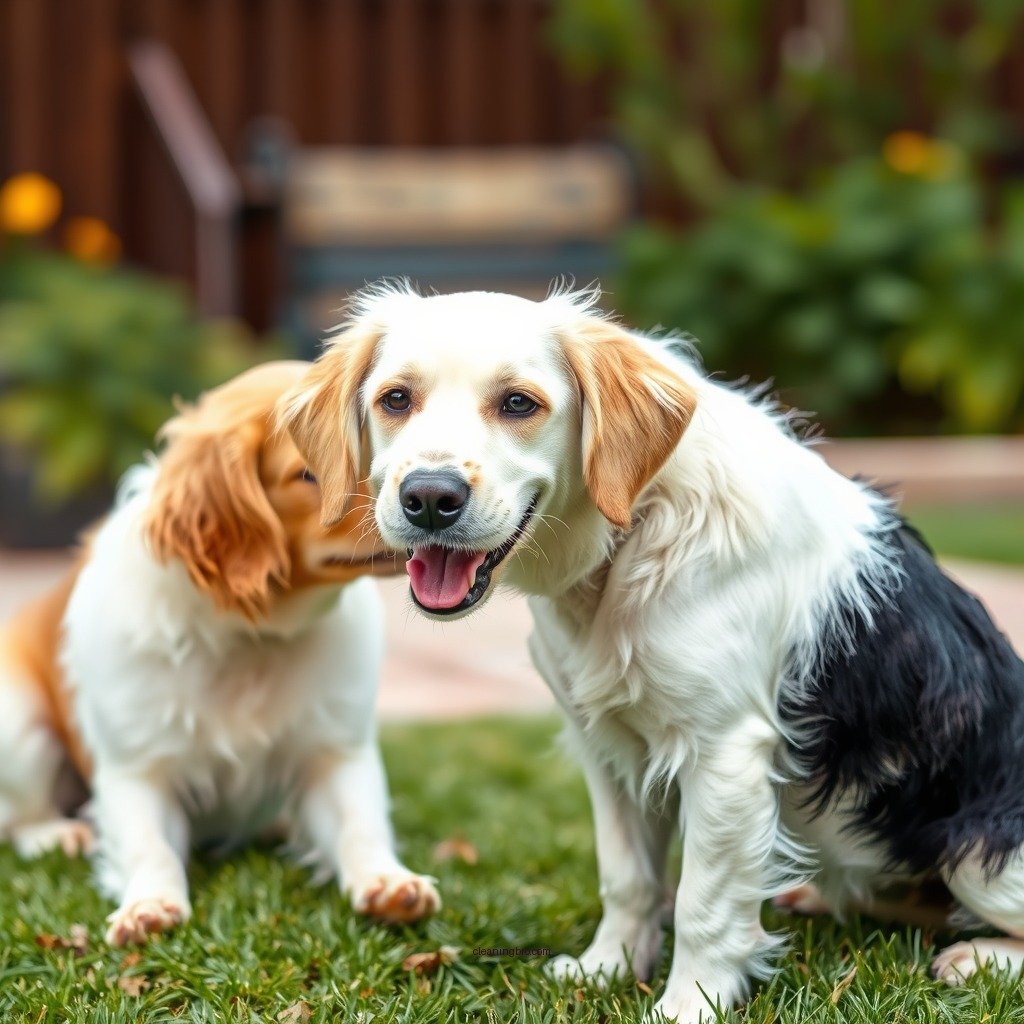
The foundation of a clean lawn is consistent waste management. Setting a daily schedule for picking up dog waste is essential to prevent bacteria buildup and maintain a hygienic environment. Dog waste can harbor harmful pathogens, which can not only affect your lawn but also pose health risks to both pets and humans. By committing to a routine, you can significantly reduce these risks.
Using biodegradable bags for waste disposal is an eco-friendly choice that aligns with sustainable living practices. These bags break down more naturally than traditional plastic, minimizing environmental impact. You can also consider designated waste disposal areas in your yard, making it easier to manage and clean up after your pet.
Choosing the Right Turf

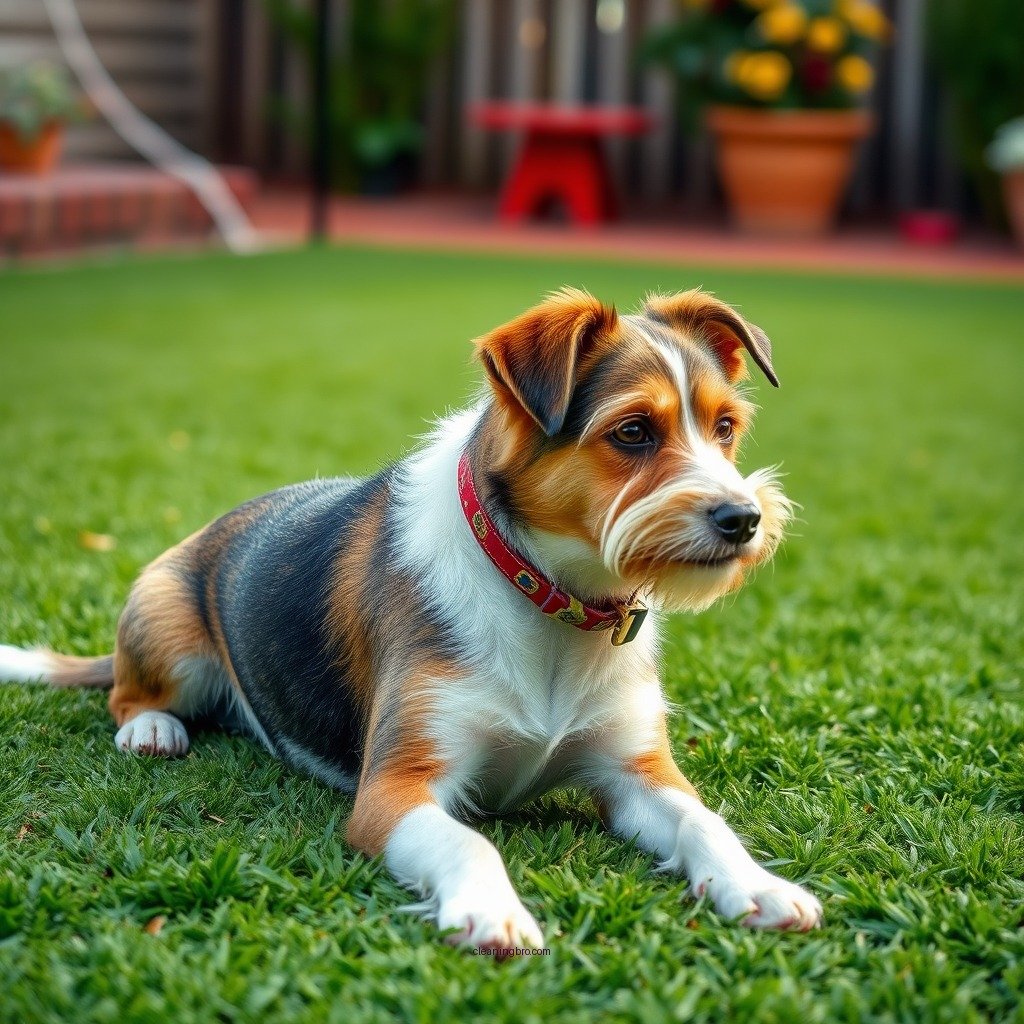
Selecting the right type of turf can greatly influence the longevity and appearance of your lawn. Durable grass varieties such as Kentucky bluegrass, Bermuda grass, and fescue are known for their resilience against foot traffic and dog activities. These grasses can recover quickly from wear and tear, making them ideal for households with pets.
In some cases, artificial turf may be the best option for areas where natural grass struggles to thrive. Modern artificial turf is designed to mimic the look and feel of real grass while providing a durable surface that is easy to clean and maintain. It can withstand heavy use without developing brown patches or bare spots, making it an excellent investment for pet owners who want a pristine lawn.
Training Your Dog
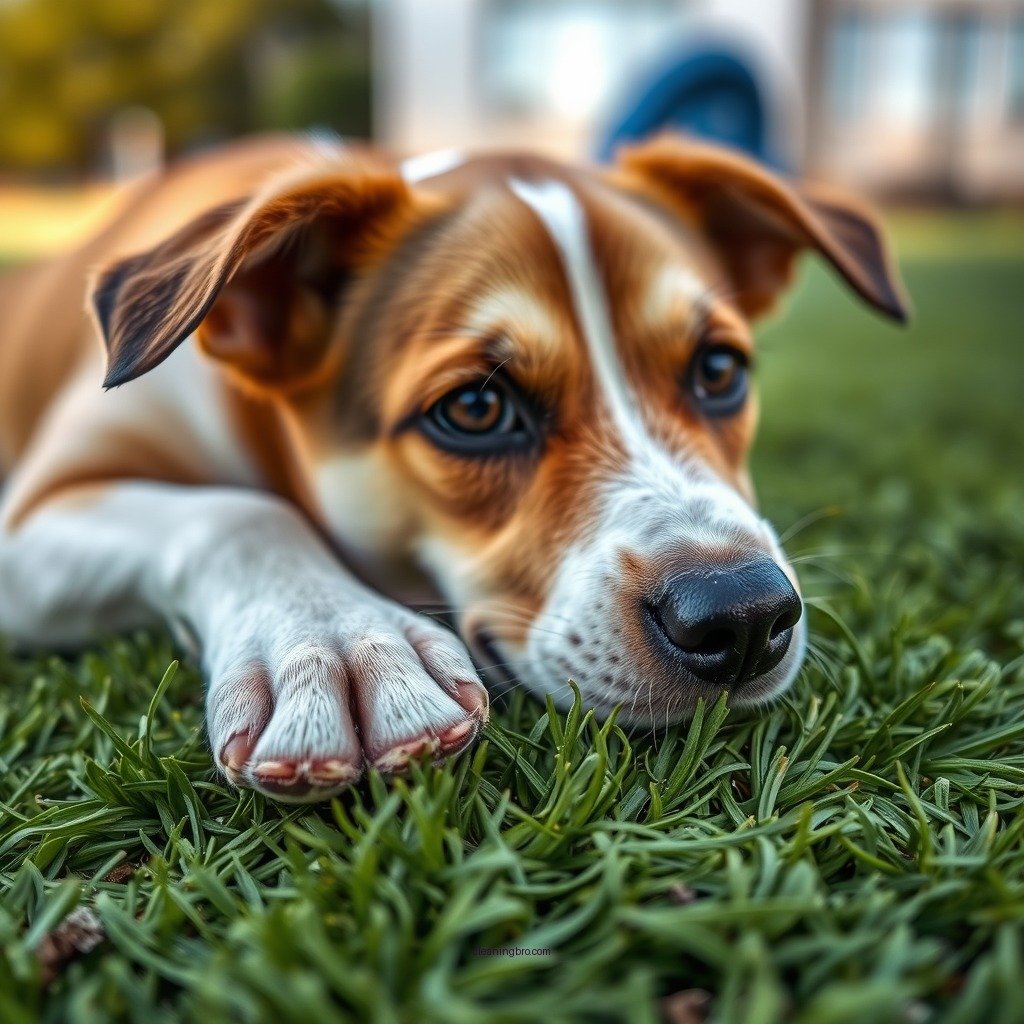
Training your dog to use designated bathroom areas can significantly reduce mess across your lawn. By establishing a specific spot for bathroom breaks, you can minimize the impact of urine and feces on your grass. Positive reinforcement techniques, such as treats and praise, can encourage your dog to use the right area consistently.
Additionally, teaching basic commands can help in managing your dog’s behavior outdoors. Commands like “go potty” can signal your pet when it’s time to relieve themselves, reinforcing good habits and facilitating easier cleanups.
Watering Techniques
Proper watering techniques play a crucial role in maintaining turf health and appearance. Regularly watering your lawn helps to dilute urine spots, which can otherwise cause unsightly yellowing. A well-hydrated lawn can recover quickly from the effects of pet waste.Using a sprinkler system ensures even moisture distribution across your lawn. Consider installing timers to automate the watering process, ensuring your turf receives adequate hydration without overwatering, which can lead to other issues such as mold and fungus.
Lawn Care Products
When maintaining your turf, it’s essential to use pet-safe fertilizers and weed control products. Many conventional lawn care products contain chemicals that can be harmful to pets. Opt for organic or natural alternatives that will not compromise your dog’s health.
Additionally, timing your applications is key. Apply fertilizers and treatments during times when your pets are less active outdoors, such as early morning or late evening. This reduces the risk of exposure to chemicals and allows your lawn to absorb the nutrients without interference.
Turf Repair Tips
Even with the best care, your lawn may still experience damage from your pets. Learning how to patch and reseed damaged areas promptly is vital for maintaining turf health. Use high-quality seeds that are appropriate for your grass type to ensure a successful recovery.
In high-traffic areas, consider using dog-friendly mulch or gravel. These materials can reduce wear on your grass and provide a designated play area for your pets. Not only do they help protect your lawn, but they can also add visual interest to your landscape.
Seasonal Maintenance
Preparing your lawn for different seasons ensures it can handle pet activities year-round. During the spring and fall, aerating and dethatching your turf can improve drainage and promote healthier grass growth. Aeration allows air, water, and nutrients to penetrate the soil, encouraging stronger root systems.
In winter, consider covering sensitive areas to protect them from the harsh elements. Using dog-friendly ice melt products can prevent damage from salt and other de-icing agents, ensuring your lawn remains in good condition despite seasonal challenges.
Top 7 Grass Varieties for Dog Owners (2024)
| # | Grass Type | Durability | Recovery Time | Pet Friendly |
|---|---|---|---|---|
| 1 | Bermuda Grass | High | 1-2 weeks | Yes |
| 2 | Fescue | Medium | 2-3 weeks | Yes |
| 3 | Kentucky Bluegrass | Medium | 2-4 weeks | Yes |
| 4 | Perennial Ryegrass | Medium | 1-2 weeks | Yes |
| 5 | Tall Fescue | High | 2-3 weeks | Yes |
| 6 | Zoysia Grass | High | 3-4 weeks | Yes |
| 7 | Buffalo Grass | Medium | 3-4 weeks | Yes |
Natural Grass vs Artificial Turf vs Pet-Friendly Mulch
| Feature | ⭐ Natural Grass | Artificial Turf | Pet-Friendly Mulch |
|---|---|---|---|
| Initial Cost | Low | High | Medium |
| Maintenance | ✅ Regular mowing & watering | ✅ Minimal upkeep | ✅ Easy to refresh |
| Durability | ✅ Moderate | ✅ High | ✅ Low |
| Pet Safety | ✅ Safe | ✅ Safe | ✅ Safe |
| Heat Resistance | ❌ Needs shade | ✅ Excellent | ✅ Good |
| Insect Resistance | ✅ Moderate | ✅ Low | ✅ High |
| Aesthetic Appeal | ✅ Natural look | ✅ Lush appearance | ✅ Attractive options |
| Allergy Concerns | ✅ Possible | ❌ None | ❌ None |
| Environmental Impact | ✅ Sustainable | ❌ High carbon footprint | ✅ Eco-friendly |
| 🏆 Best For | Natural enthusiasts | Easy maintenance seekers | Pet-friendly areas |
By implementing these strategies, you can maintain a clean and healthy turf that accommodates your dogs’ needs. Remember, consistency is key to achieving the best results, so make these practices part of your regular lawn care routine. With diligent effort, you can enjoy a lush, inviting lawn that is perfect for your furry friends while minimizing the potential challenges that come with pet ownership.
Frequently Asked Questions
How can I effectively clean dog urine from my turf?
To effectively clean dog urine from your turf, start by flushing the area with water to dilute the urine and minimize odors. You can also use enzymatic cleaners specifically designed for pet waste, as they break down the proteins in urine. Regularly rinsing your turf after your dog urinates can prevent buildup and keep your lawn smelling fresh.
What are the best products for cleaning dog waste off turf?
The best products for cleaning dog waste off turf include enzymatic cleaners, which are formulated to break down organic waste, and natural disinfectants like vinegar or baking soda. Additionally, turf-safe pet odor neutralizers can help eliminate lingering smells without harming your grass. Always check product labels to ensure they are safe for use on artificial turf.
Why does dog waste harm my turf, and how can I prevent it?
Dog waste can harm your turf due to the high nitrogen content in urine, which can lead to brown spots and dead grass, while feces can introduce harmful bacteria and parasites. To prevent damage, establish a designated bathroom area for your dog away from your main turf. Regularly clean up any waste immediately to minimize its impact on your lawn.
How often should I clean my turf if I have multiple dogs?
If you have multiple dogs, it’s best to clean your turf at least once a day to maintain its cleanliness and prevent odors. Regularly inspecting your lawn for waste can help you catch any issues early. Additionally, consider deep cleaning your turf every few weeks to keep it in optimal condition and ensure a healthy outdoor environment for your pets.
Which turf types are best for homes with dogs?
The best turf types for homes with dogs are durable, low-maintenance grasses such as Kentucky Bluegrass or Perennial Ryegrass, as they can withstand wear and tear. Alternatively, artificial turf designed for pets can be an excellent option, as it is easy to clean and resistant to staining. Always choose a turf that is pet-friendly and suited to your climate for the best results.
References
- https://www.cdc.gov/healthypets/healthydogs.html
https://www.cdc.gov/healthypets/healthydogs.html - https://www.nature.com/articles/s41598-020-71539-3
https://www.nature.com/articles/s41598-020-71539-3 - https://www.who.int/news-room/fact-sheets/detail/animal-bite
https://www.who.int/news-room/fact-sheets/detail/animal-bite - Google Scholar Google Scholar
https://scholar.google.com/scholar?q=keeping+turf+clean+with+dogs - Google Scholar Google Scholar
https://scholar.google.com/scholar?q=dog+ownership+and+yard+maintenance - Google Scholar Google Scholar
https://scholar.google.com/scholar?q=pet+care+and+outdoor+cleanliness - Google Scholar Google Scholar
https://scholar.google.com/scholar?q=how+to+keep+turf+clean+with+dogs - how to keep turf clean with dogs – Search results
https://en.wikipedia.org/wiki/Special:Search?search=how+to+keep+turf+clean+with+dogs - https://www.ncbi.nlm.nih.gov/search/research-articles/?term=how+to+keep+turf+clean+with+dogs
https://www.ncbi.nlm.nih.gov/search/research-articles/?term=how+to+keep+turf+clean+with+dogs