How to Keep Your Night Guard Clean: Essential Tips
Keeping your night guard clean is essential for both your oral health and the longevity of the device. Regular maintenance not only helps prevent the buildup of harmful bacteria but also minimizes unpleasant odors and discomfort while wearing it. In this article, you’ll learn effective methods for cleaning your night guard and tips for proper care that will ensure your dental appliance remains effective and hygienic.
Why Cleaning Your Night Guard is Important
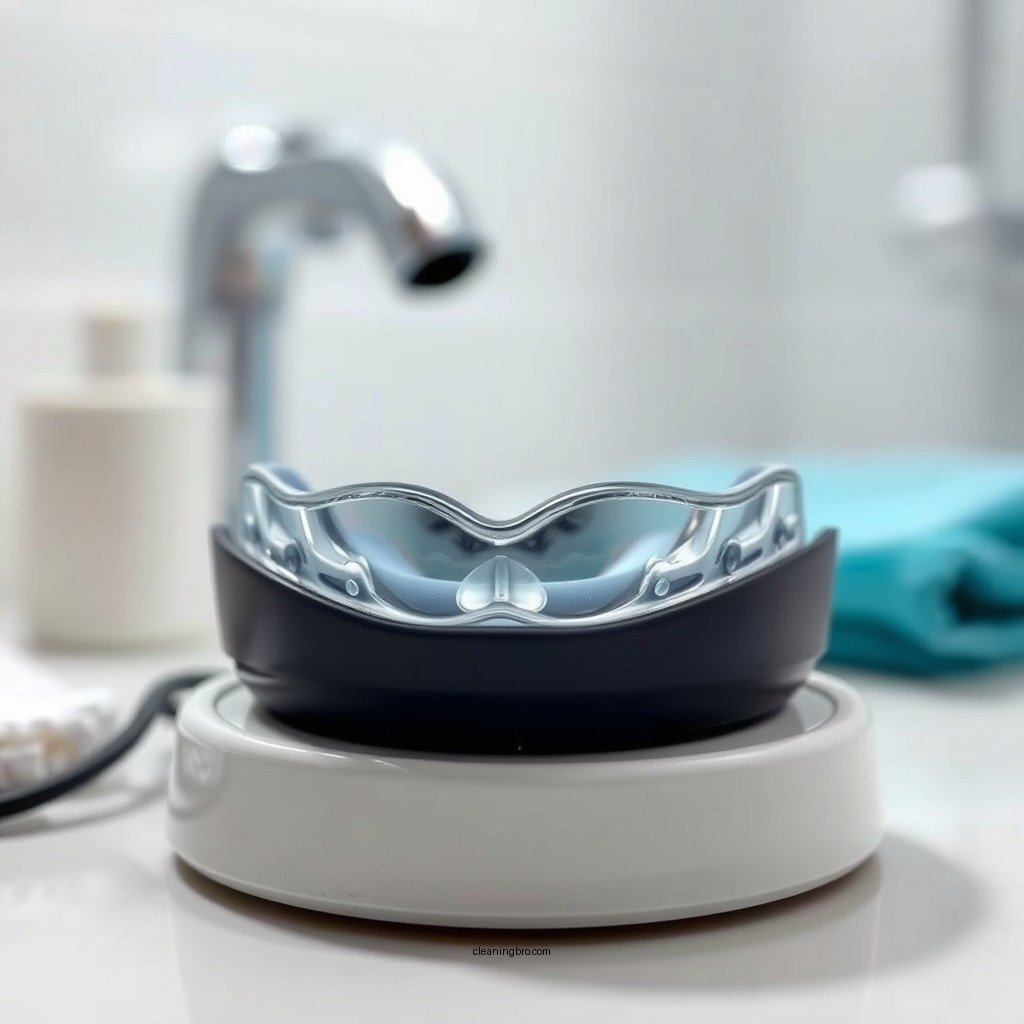
Cleaning your night guard is crucial for several reasons. First and foremost, it prevents bacterial growth, which can lead to oral infections. Night guards are often kept in a moist environment, making them a breeding ground for bacteria if not cleaned properly. Secondly, regular cleaning reduces bad odors that can develop due to plaque accumulation. This is particularly important since you’ll be wearing the night guard for extended periods while sleeping. Lastly, maintaining your night guard can significantly extend its lifespan, saving you money in the long run by avoiding premature replacements.
Daily Cleaning Routine
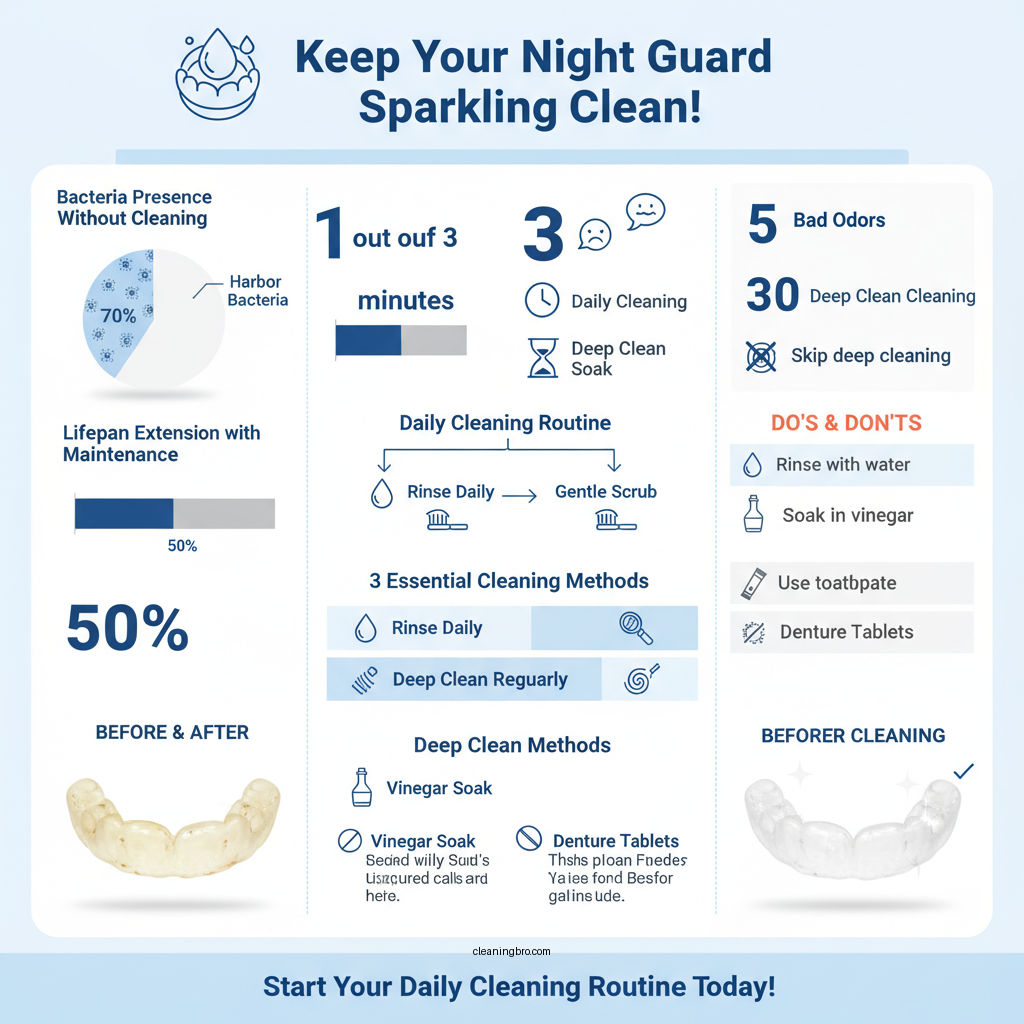
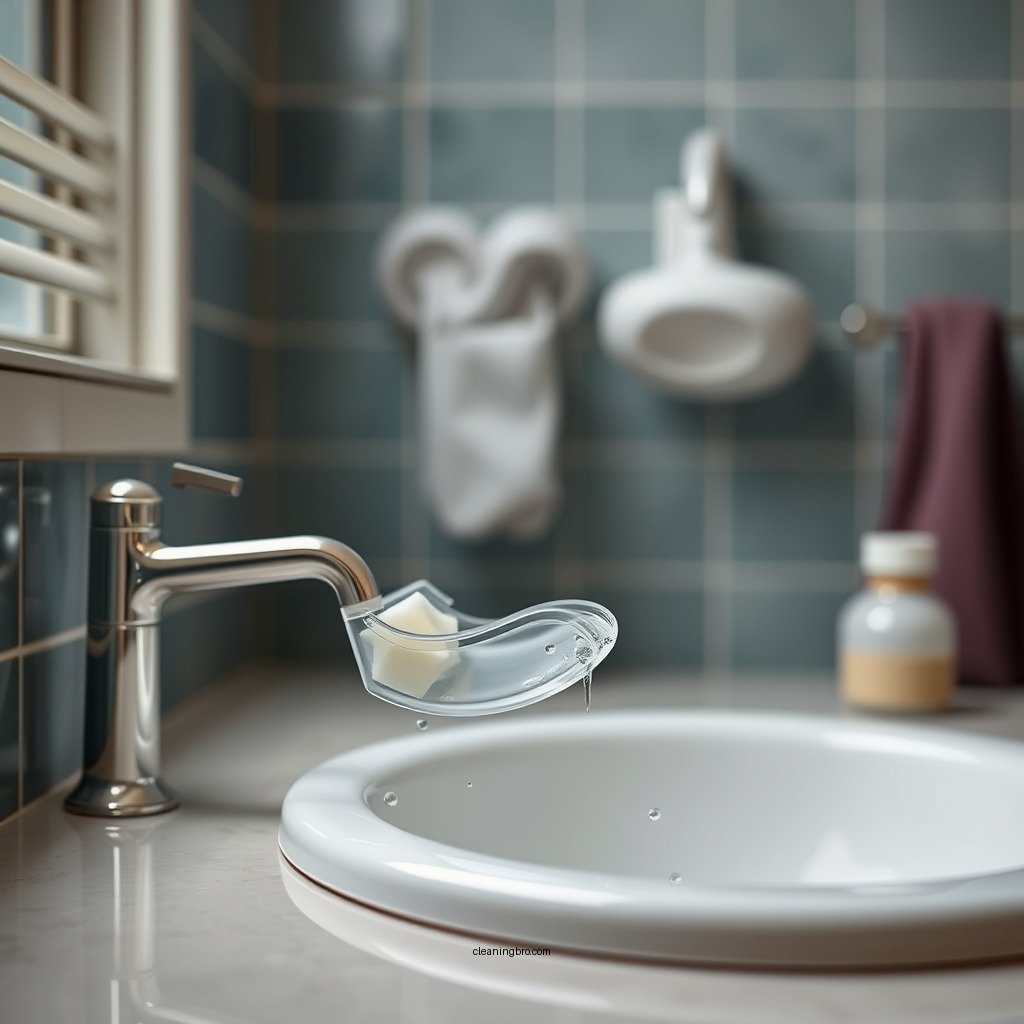
Establishing a daily cleaning routine is vital for keeping your night guard in optimal condition. Here are the steps you should take:
– Rinse with Lukewarm Water: After each use, rinse your night guard thoroughly under lukewarm water. This step removes saliva and food particles that may be trapped on the surface.
– Gentle Scrubbing: Use a soft toothbrush and mild soap to gently scrub the surface of the night guard. Avoid using toothpaste, as it can be abrasive and lead to wear and tear over time. Focus on all areas, including the parts that fit against your teeth and gums.
By incorporating these steps into your daily routine, you can maintain a clean and hygienic night guard that contributes to your overall oral health.
Deep Cleaning Methods
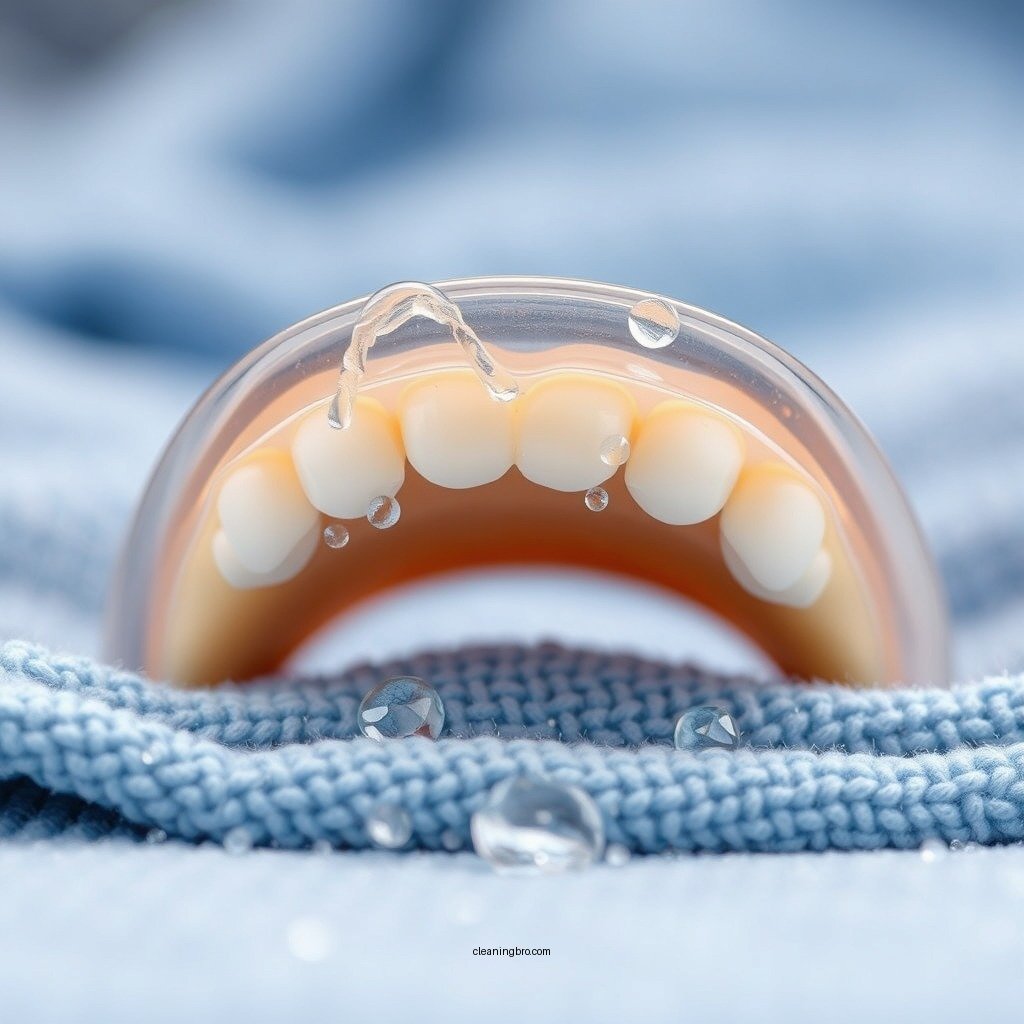
In addition to your daily routine, it’s advisable to perform deep cleaning periodically, especially if you notice any buildup or persistent odors. Here are some effective methods:
– Vinegar Soak: Soak your night guard in a solution of equal parts water and white vinegar for 30 minutes. The acetic acid in the vinegar will help break down plaque and kill bacteria. After soaking, rinse thoroughly with lukewarm water.
– Denture Cleaning Tablets: Another effective method is using denture cleaning tablets, which are specifically designed to clean dental appliances. Follow the package instructions for soaking time and concentration. These tablets are effective at removing stubborn stains and odors.
Data Visualization: Night Guard Cleaning Methods Effectiveness
Effectiveness of Night Guard Cleaning Methods
| # | Cleaning Method | Effectiveness (%) | Time Required |
|---|---|---|---|
| 1 | Lukewarm Water Rinse | 75% | 1 min |
| 2 | Soft Toothbrush & Soap | 90% | 5 mins |
| 3 | Vinegar Soak | 95% | 30 mins |
| 4 | Denture Cleaning Tablets | 98% | 15 mins |
| 5 | Baking Soda Paste | 85% | 10 mins |
| 6 | Hydrogen Peroxide Rinse | 92% | 5 mins |
| 7 | Boiling Water Dip | 100% | 1 min |
Proper Storage Techniques
Proper storage of your night guard is just as important as cleaning it. Here are some essential tips for storing your night guard:
– Ventilated Case: Always store your night guard in a well-ventilated case. This prevents moisture buildup, which can encourage bacterial growth.
– Temperature Control: Avoid leaving your night guard in direct sunlight or extreme temperatures. Excess heat can warp the material, diminishing its effectiveness and comfort.
Storing your night guard correctly will ensure that it remains in good condition and ready for use whenever needed.
Signs Your Night Guard Needs Replacement
Even with regular maintenance, there will come a time when your night guard needs to be replaced. Here are some signs to look for:
– Wear and Tear: Check for noticeable cracks, thinning, or discoloration. These are clear indicators that your night guard has reached the end of its life.
– Persistent Odors: If your night guard retains unpleasant odors even after thorough cleaning, it may be time for a new one.
– Discomfort: If you experience discomfort while wearing your night guard, it may no longer fit properly, indicating that it should be replaced.
Being proactive about recognizing these signs can help you maintain your oral health and ensure you’re getting the best protection against teeth grinding.
Additional Care Tips
To enhance the lifespan of your night guard and maintain its effectiveness, consider these additional care tips:
– Avoid Harsh Chemicals: Steer clear of using harsh chemicals or abrasive materials for cleaning, as they can damage the night guard’s surface.
– Regular Inspections: Periodically check for any unusual changes in shape or fit. If you notice anything concerning, consult your dentist for advice.
These tips will help you care for your night guard effectively, ensuring that it continues to serve its purpose without compromising your health.
Comparison of Night Guard Cleaning Products
Best Night Guard Cleaning Products
| Feature | ⭐ Vinegar Solution | Denture Cleaning Tablets | Baking Soda Paste |
|---|---|---|---|
| Effectiveness | High | Very High | Moderate |
| Ease of Use | Simple | Easy | Fair |
| Time Required | 30 mins | 15 mins | 10 mins |
| Cost | Low | Moderate | Low |
| Availability | Common | Widely Available | Common |
| Environmental Impact | Low | Moderate | Low |
| Recommended for | Occasional Use | Regular Use | Light Cleaning |
| Compatibility | Most Materials | Most Plastics | Most Materials |
| Safety | Safe | Safe | Safe |
| 🏆 Best For | Natural Cleaning | Thorough Cleaning | Occasional Touch-Up |
Incorporating these cleaning methods and storage techniques into your routine will help keep your night guard in top shape, ensuring it serves its purpose effectively.
Keeping your night guard clean is essential for both your oral health and the durability of the device. By following daily and deep cleaning routines, as well as proper storage and care tips, you can ensure your night guard remains effective and hygienic. Regularly inspect for signs of wear and replace when necessary to maintain optimal performance. Start implementing these cleaning tips today for a healthier smile!
Frequently Asked Questions
How often should I clean my night guard?
It’s recommended to clean your night guard daily to prevent the buildup of bacteria and plaque. After each use, rinse it under lukewarm water and gently brush it with a soft toothbrush and mild soap. This routine helps maintain oral hygiene and prolongs the life of your night guard.
What is the best way to store my night guard when not in use?
The best way to store your night guard is in a ventilated case to prevent moisture buildup, which can lead to bacterial growth. Make sure the night guard is completely dry before placing it in the case. Additionally, keep the case in a cool, dry place away from direct sunlight.
Why is it important to keep my night guard clean?
Keeping your night guard clean is crucial for your oral health as it prevents the accumulation of harmful bacteria that can lead to infections or gum disease. A clean night guard also ensures it remains comfortable to wear and effective in preventing teeth grinding or clenching.
Which cleaning solutions are safe for my night guard?
Safe cleaning solutions for your night guard include mild dish soap, a mixture of water and vinegar, or specialized night guard cleaning tablets. Avoid using harsh chemicals or bleach, as these can damage the material and compromise its effectiveness. Always rinse thoroughly after cleaning.
How can I remove stubborn stains from my night guard?
To remove stubborn stains from your night guard, soak it in a mixture of equal parts water and hydrogen peroxide for about 30 minutes. After soaking, gently scrub with a soft toothbrush to lift the stains. Rinse well before using it again to ensure no cleaning residue remains.
References
- https://www.mayoclinic.org/healthy-lifestyle/adult-health/in-depth/night-guards/art-20045285
https://www.mayoclinic.org/healthy-lifestyle/adult-health/in-depth/night-guards/art-20045285 - https://www.ncbi.nlm.nih.gov/pmc/articles/PMC5609569/
https://www.ncbi.nlm.nih.gov/pmc/articles/PMC5609569/ - https://www.cdc.gov/oralhealth/publications/features/teeth-grinding.html
https://www.cdc.gov/oralhealth/publications/features/teeth-grinding.html - https://www.who.int/news-room/questions-and-answers/item/oral-health-night-guards
https://www.who.int/news-room/questions-and-answers/item/oral-health-night-guards - https://www.healthline.com/health/night-guard-care
https://www.healthline.com/health/night-guard-care - Google Scholar Google Scholar
https://scholar.google.com/scholar?q=how+to+keep+night+guard+clean - Google Scholar Google Scholar
https://scholar.google.com/scholar?q=night+guard+cleaning+methods - Google Scholar Google Scholar
https://scholar.google.com/scholar?q=night+guard+oral+health+care - how to keep night guard clean – Search results
https://en.wikipedia.org/wiki/Special:Search?search=how+to+keep+night+guard+clean - https://www.ncbi.nlm.nih.gov/search/research-articles/?term=how+to+keep+night+guard+clean
https://www.ncbi.nlm.nih.gov/search/research-articles/?term=how+to+keep+night+guard+clean