How to Keep Your Pond Clean: Essential Tips
Maintaining a clean pond is crucial for the health of aquatic life and the overall aesthetics of your outdoor space. A combination of regular maintenance, effective filtration, and natural treatments can keep your pond clear and thriving. This article will provide you with practical strategies to ensure your pond remains a beautiful and healthy ecosystem.
Regular Maintenance Practices
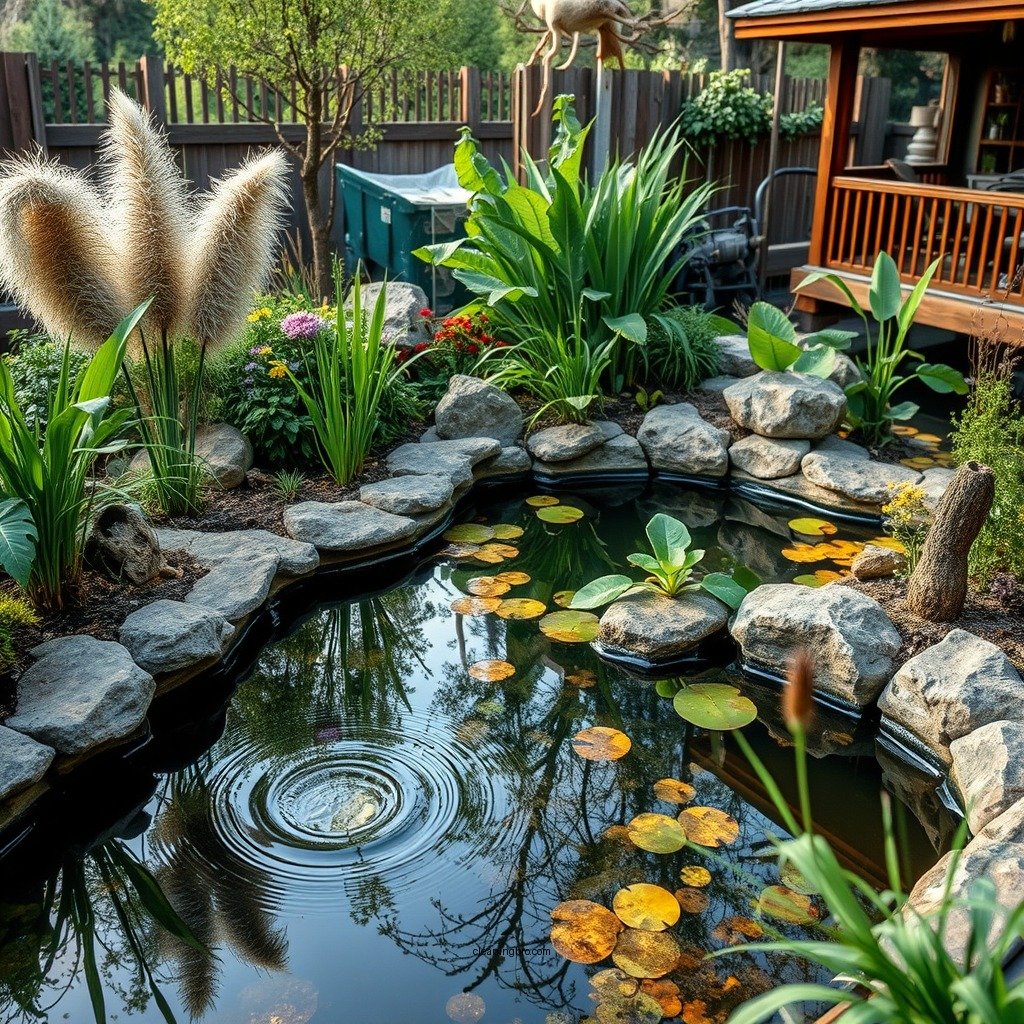
Regular maintenance is the cornerstone of a clean pond. Performing weekly checks for debris and waste accumulation is essential to prevent the build-up of organic materials that can decay and harm water quality. Here are some best practices:
– Debris Removal: Use a skimmer net or rake to clear leaves, twigs, and other debris from the surface of the pond. Accumulated debris can lead to increased nutrient levels and promote algae growth.
– Vacuuming the Bottom: Invest in a pond vacuum to remove sediment and waste that settles at the bottom. This not only improves the water quality but also enhances the aesthetic appeal of your pond.
– Routine Inspections: Regularly inspect the pond’s edges and surrounding areas for any signs of erosion or damage. Addressing these issues promptly will prevent further complications.
Incorporating these maintenance habits into your routine will significantly enhance your pond’s clarity and health.
Implementing Filtration Systems
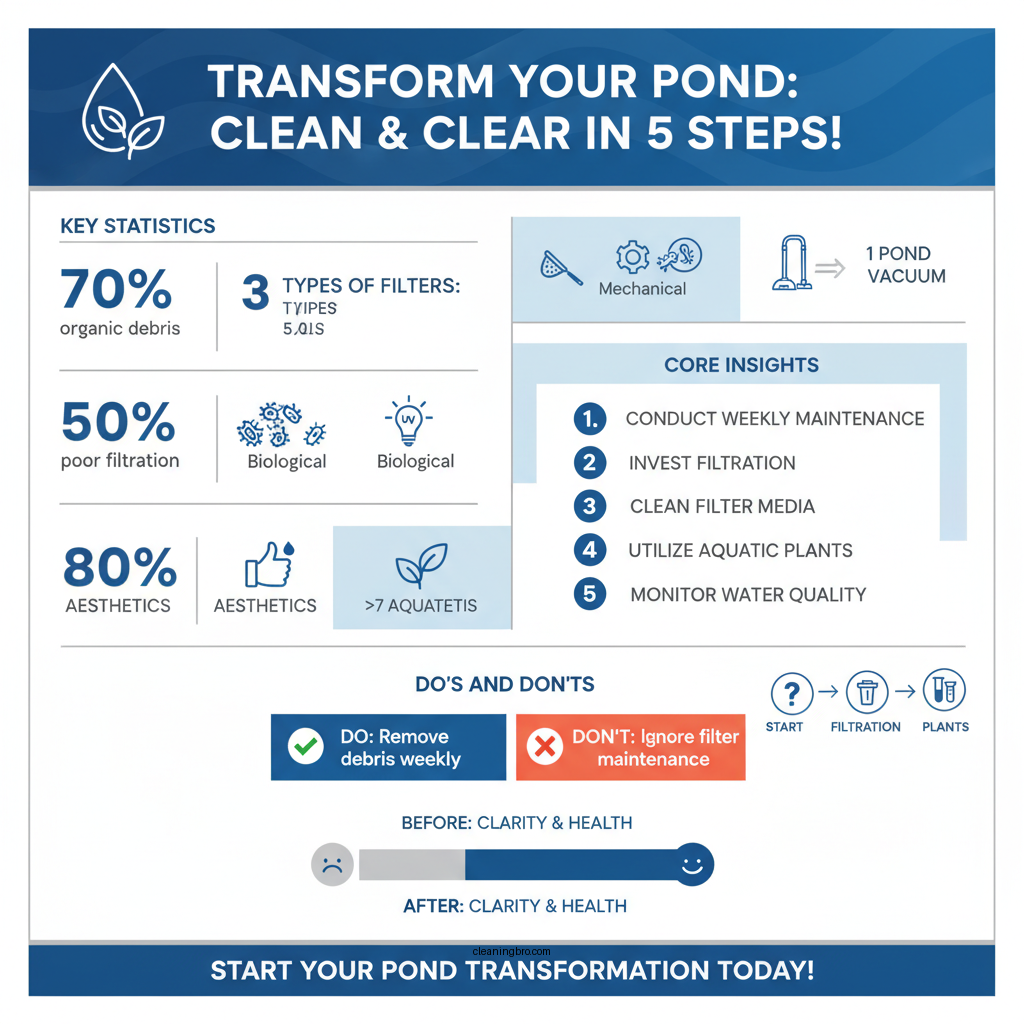
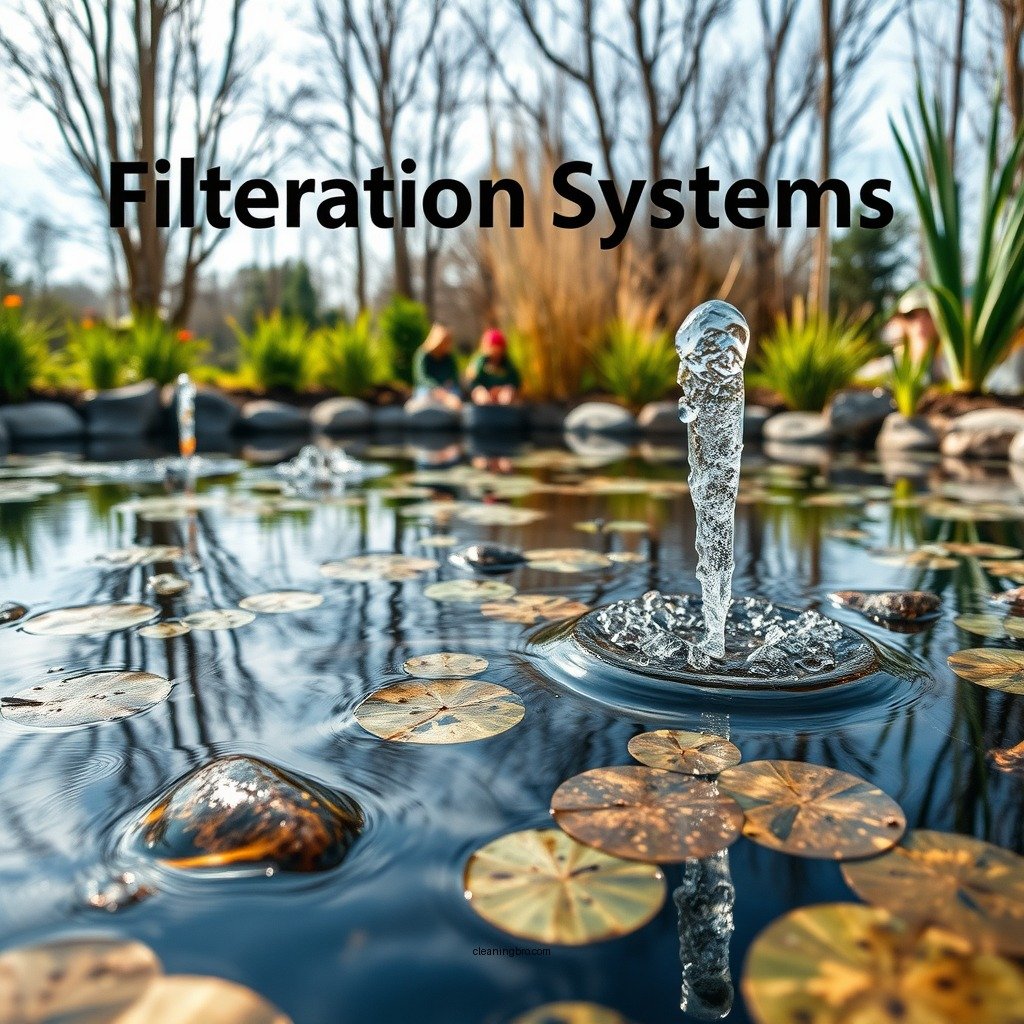
A proper filtration system is vital for maintaining a clean pond. Investing in a quality pond filter can dramatically reduce the presence of algae and floating debris. Key considerations include:
– Types of Filters: There are various types of filters, such as mechanical, biological, and UV filters. A combination of these can provide comprehensive filtration, ensuring clean and clear water.
– Filter Size and Capacity: Choose a filter that is appropriately sized for your pond. A filter that is too small will be ineffective, while an oversized model may lead to unnecessary energy costs.
– Cleaning and Maintenance: Regularly clean and replace filter media according to the manufacturer’s instructions to ensure optimal performance. Neglecting this can lead to clogged filters and reduced efficiency.
By implementing an efficient filtration system, you can maintain a pristine pond environment with minimal effort.
Utilizing Beneficial Aquatic Plants
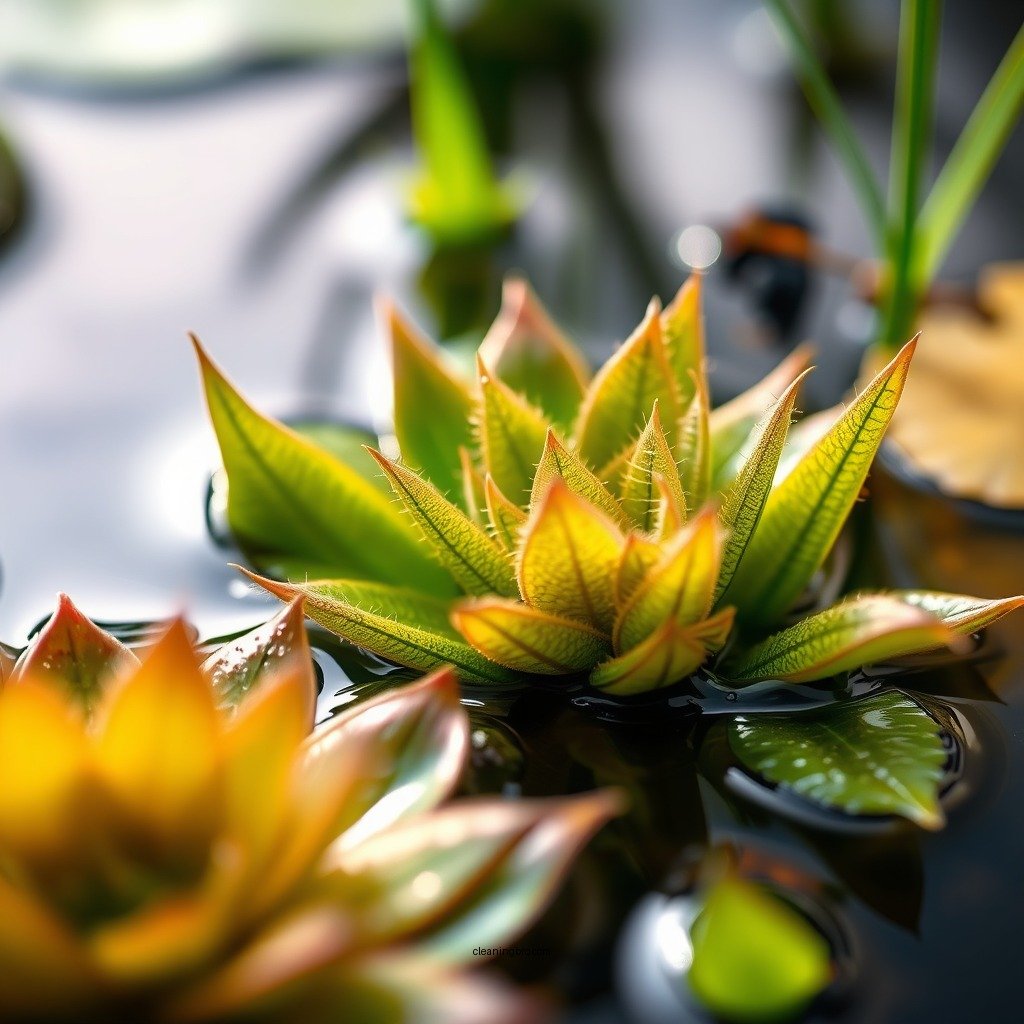
Incorporating beneficial aquatic plants can greatly enhance the health of your pond. These plants play a crucial role in absorbing excess nutrients and providing habitat for wildlife. Here are some effective options:
– Native Plants: Introducing native species can help create a balanced ecosystem. Plants such as water lilies and cattails not only beautify the pond but also provide shade and shelter for fish.
– Floating Plants: Species like water hyacinth and duckweed offer shade, which can reduce the growth of algae by limiting sunlight penetration.
– Oxygenators: Adding submerged plants like hornwort and anacharis can improve oxygen levels in the water, supporting fish health and enhancing overall pond quality.
By strategically choosing the right plants, you can foster a natural balance in your pond that promotes clarity and health.
Top 7 Aquatic Plants for Pond Health (2024)
| # | Plant Name | Type | Benefits |
|---|---|---|---|
| 1 | Water Lily | Floating | Shade, habitat |
| 2 | Cattail | Emergent | Nutrient uptake |
| 3 | Hornwort | Submerged | Oxygenation |
| 4 | Water Hyacinth | Floating | Nutrient absorption |
| 5 | Anacharis | Submerged | Oxygenation |
| 6 | Duckweed | Floating | Nutrient absorption |
| 7 | Water Mint | Emergent | Aroma, habitat |
Monitoring Water Quality
Monitoring water quality is essential for a clean and healthy pond. Regular testing for pH levels, ammonia, and nitrate concentrations will help identify any imbalances. Here’s how to effectively manage your pond’s water quality:
– Testing Kits: Use reliable testing kits to measure essential parameters. Aim for a pH level between 6.5 and 8.5, as this range is ideal for most aquatic life.
– Adjusting Water Chemistry: If tests show imbalances, consider using natural treatments or chemicals to adjust the water chemistry. For example, adding baking soda can help raise pH levels, while peat can lower them.
– Regular Water Changes: Implement periodic water changes to dilute contaminants and restore balance. Replacing 10-20% of the water every few weeks can significantly improve overall quality.
By proactively monitoring and adjusting water quality, you can ensure a thriving ecosystem in your pond.
Managing Fish Population
A balanced fish population is crucial for pond health. Overstocking can lead to excessive waste, which negatively impacts water quality. Here are some strategies to manage your fish population effectively:
– Stocking Guidelines: Follow recommended stocking guidelines, typically 1 inch of fish per square foot of pond surface area. This helps prevent overcrowding and maintains a balanced ecosystem.
– Species Compatibility: Select fish species that are compatible with each other and your pond’s environment. For example, koi and goldfish can coexist, but be cautious with aggressive species that may disrupt harmony.
– Natural Predators: Consider adding natural predators, such as bass or bluegill, to help control smaller fish populations and maintain balance.
By managing your fish population wisely, you can contribute to a cleaner and healthier pond environment.
Natural Algae Control Methods
Algae growth is a common issue in ponds, but there are natural methods to control it effectively. Here are some strategies:
– Barley Straw: Using barley straw is a natural way to inhibit algae growth. As it decomposes, it releases compounds that can suppress algae proliferation.
– Beneficial Bacteria: Introducing beneficial bacteria can help break down organic materials and reduce nutrient levels, effectively controlling algae growth.
– Algae-eating Species: Adding snails, like apple snails, or certain species of fish, such as grass carp, can help keep algae in check by consuming it.
By implementing these natural methods, you can maintain a clean pond while minimizing the use of chemicals.
Seasonal Care Tips
Seasonal changes can impact pond cleanliness and aquatic life. Here are some seasonal care tips:
– Winter Preparation: Before winter sets in, remove debris and ensure that any fish are well-fed and healthy. Consider using a pond heater to maintain a small area of open water for gas exchange.
– Spring Cleanup: In spring, perform a thorough clean-up to remove any debris that has accumulated during winter. Once the ice has thawed, check water levels and top off with fresh water if necessary.
– Summer Maintenance: Keep an eye on water levels during hot summer months, as evaporation can lead to concentration of pollutants. Utilize shade-producing plants to control water temperature and reduce algae growth.
By adapting your pond care routine to the seasons, you can ensure a clean and thriving environment year-round.
Keeping your pond clean requires consistent effort and attention to detail, but the results are worth it. By following these tips, you can create a beautiful and healthy pond environment. Start implementing these strategies today to enjoy a pristine pond all year round.
Frequently Asked Questions
What are the most effective ways to keep a pond clean?
To keep a pond clean, regularly remove debris such as leaves and algae, and consider installing a good filtration system. Additionally, adding beneficial bacteria can help break down organic matter and maintain water clarity. Regular water testing and maintaining proper pH levels are also crucial for a healthy pond ecosystem.
How often should I clean my pond to maintain its health?
It is recommended to perform light cleaning of your pond weekly, which includes skimming debris and checking water quality. A more thorough cleaning, such as removing sludge and algae, should be done seasonally, especially in spring and fall, to prevent excess buildup and promote a healthy environment for aquatic life.
Why is it important to keep my pond clean?
Keeping your pond clean is essential for the health of fish and plants, as it prevents the growth of harmful algae and maintains balanced oxygen levels. A clean pond also enhances its aesthetic appeal, prevents foul odors, and reduces the risk of disease among aquatic organisms, ensuring a thriving ecosystem.
What are the best plants for a clean pond?
The best plants for maintaining a clean pond include submerged plants like hornwort and waterweed, which help absorb excess nutrients, and floating plants like water lilies and duckweed that provide shade and reduce algae growth. Additionally, marginal plants like cattails and rushes can help filter pollutants, promoting clearer water.
Which pond maintenance tools are essential for keeping my pond clean?
Essential pond maintenance tools include a pond net for skimming debris, a pond vacuum for removing sludge, and water testing kits for monitoring water quality. A reliable pump and filter system are also crucial for maintaining circulation and filtration, ensuring a clean and healthy pond environment.
References
- How to Clean a Pond (with Pictures) – wikiHow
https://www.wikihow.com/Clean-a-Pond - https://extension.umn.edu/ponds/keeping-your-pond-healthy
https://extension.umn.edu/ponds/keeping-your-pond-healthy - https://www.nal.usda.gov/legacy/legacy/pond-management
https://www.nal.usda.gov/legacy/legacy/pond-management - https://www.purdue.edu/waterquality/pubs/ponds.php
https://www.purdue.edu/waterquality/pubs/ponds.php - Home & Garden Information Center | Clemson Cooperative Extension
https://www.clemson.edu/extension/hgic/topics/pond_management.html - https://www.fisheries.noaa.gov/feature-story/how-keep-your-pond-healthy
https://www.fisheries.noaa.gov/feature-story/how-keep-your-pond-healthy - Making sure you’re not a bot!
https://www.nicholas.duke.edu/ponds - https://www.epa.gov/nutrientpollution/keeping-your-pond-healthy
https://www.epa.gov/nutrientpollution/keeping-your-pond-healthy - Google Scholar Google Scholar
https://scholar.google.com/scholar?q=how+to+keep+pond+clean - Google Scholar Google Scholar
https://scholar.google.com/scholar?q=pond+management+best+practices