How to Make Clear Ice Cubes: A Step-by-Step Guide
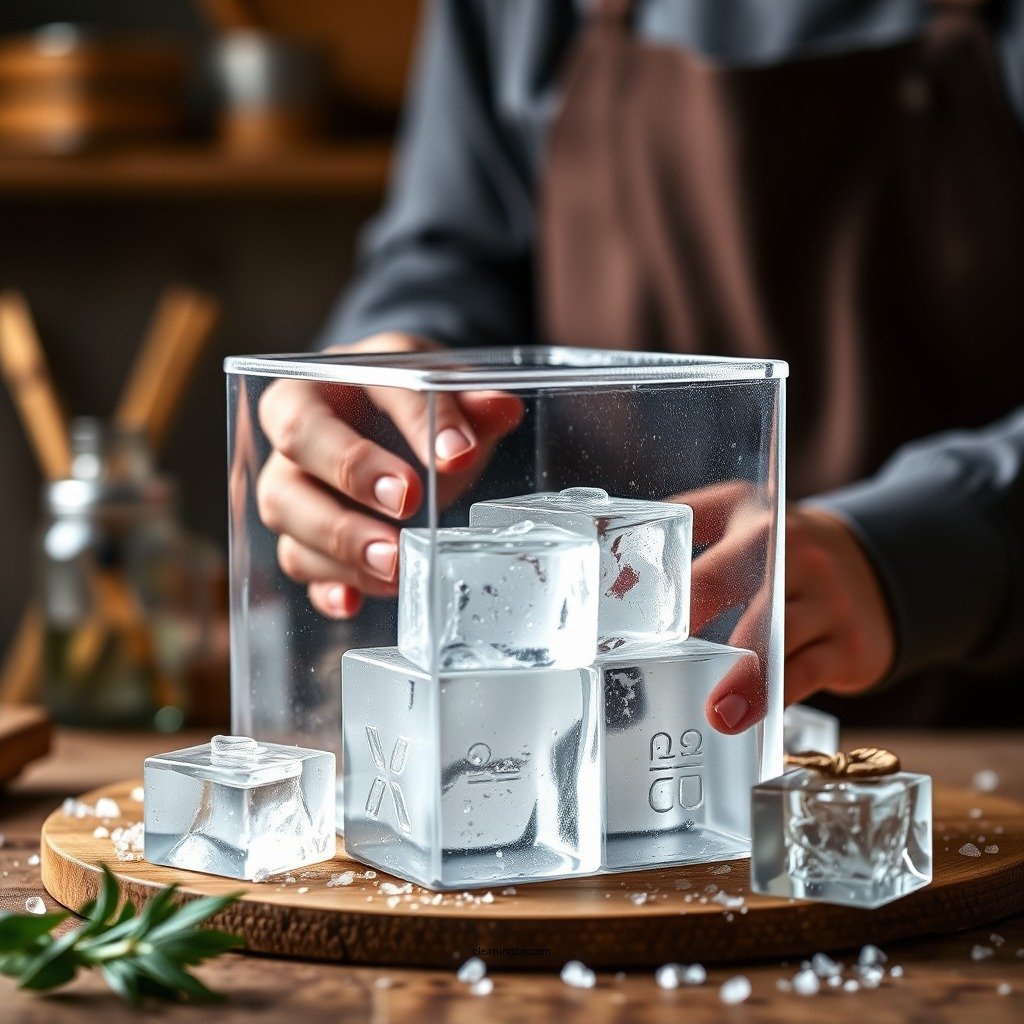
Making clear ice cubes is a straightforward process that enhances the aesthetic appeal of cocktails and beverages. By utilizing a few essential techniques, such as directional freezing and starting with purified water, you can create crystal-clear ice cubes that not only look impressive but also melt more slowly, keeping your drinks cold without diluting them too quickly. In this guide, we will walk you through the steps necessary to achieve the perfect clear ice cubes, ensuring a refined drinking experience.
Understanding the Basics of Ice Clarity
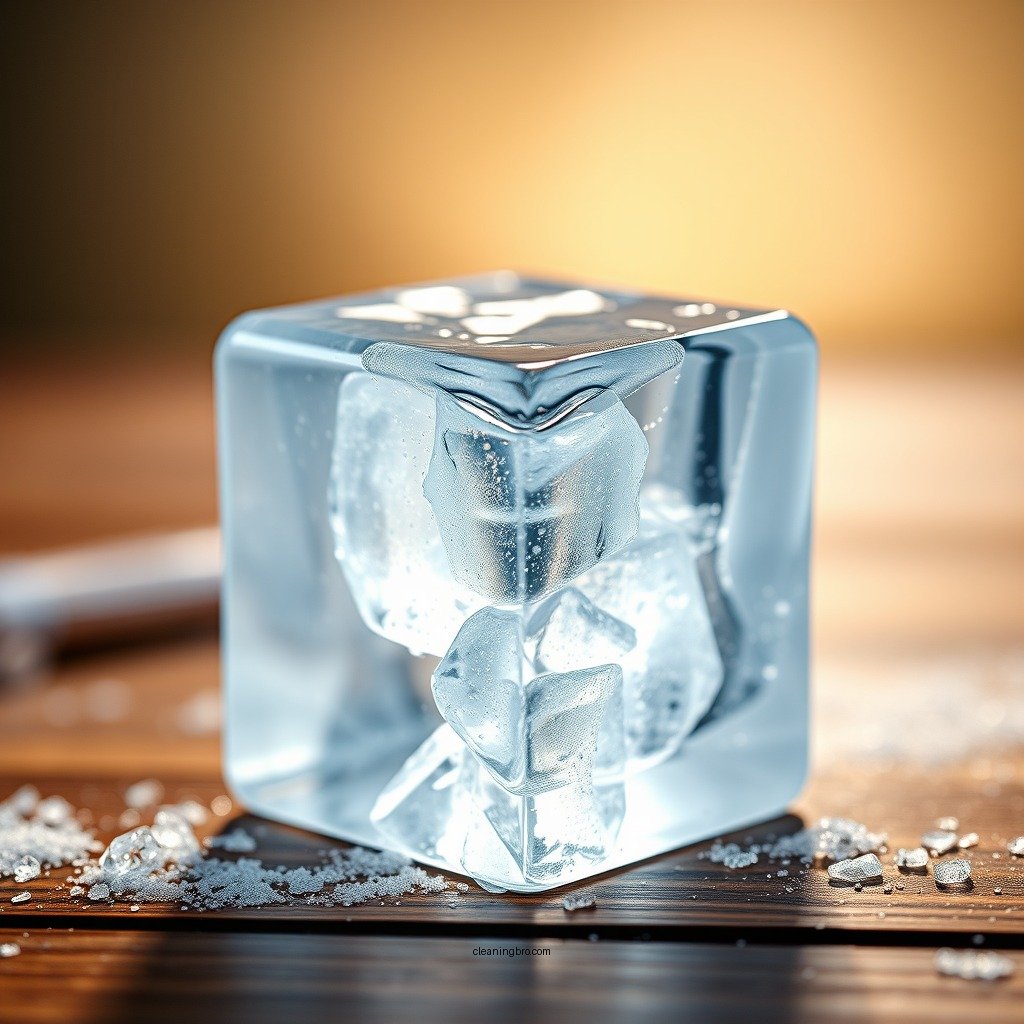
Ice clarity is primarily determined by the presence of impurities and air bubbles within the ice. When water freezes, any dissolved minerals or air trapped within can create a cloudy appearance. Clear ice, on the other hand, is typically denser because it freezes more slowly, allowing air bubbles and impurities to escape before solidifying. This is why the clarity of ice can significantly impact both the visual presentation of your drinks and the overall drinking experience.
For optimal clarity, it’s essential to control the freezing process and use high-quality water. The slower the freezing process, the fewer bubbles will be trapped, resulting in clearer ice.
Choosing the Right Water
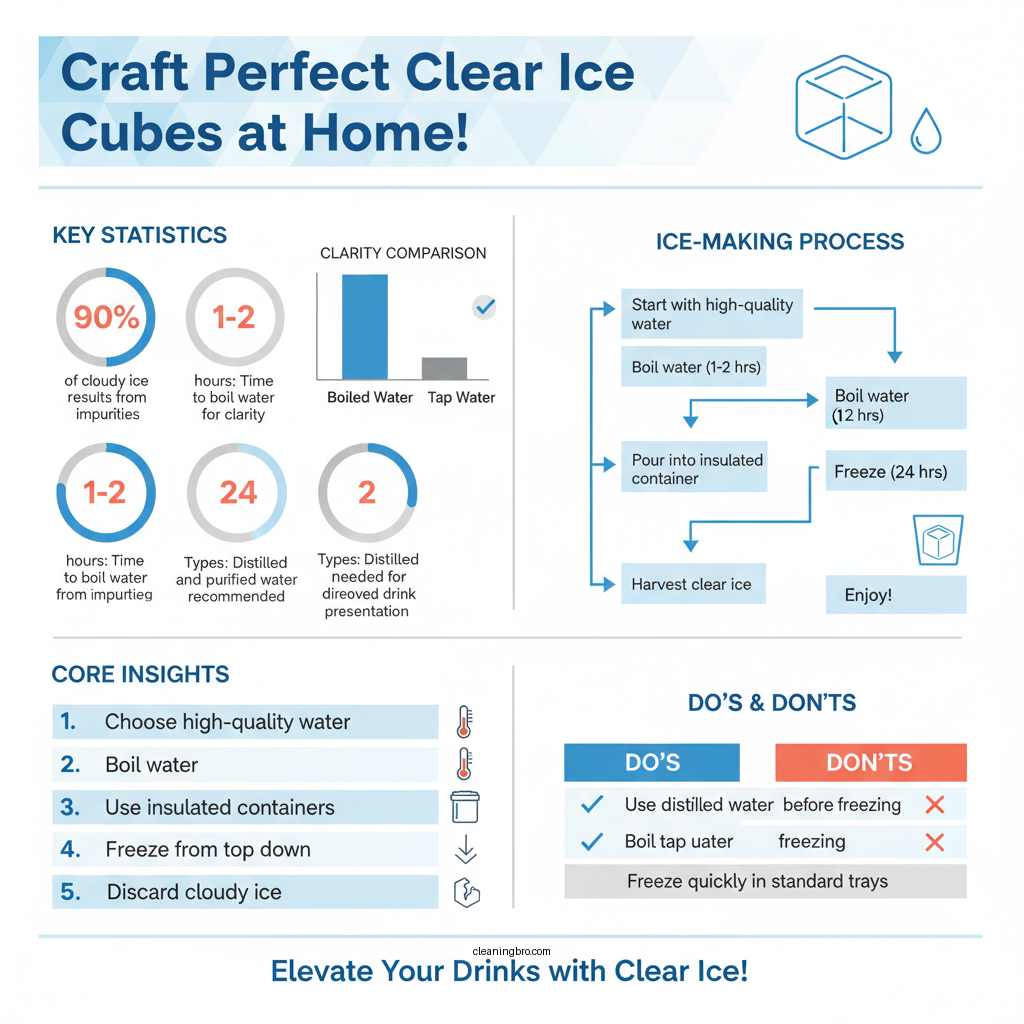
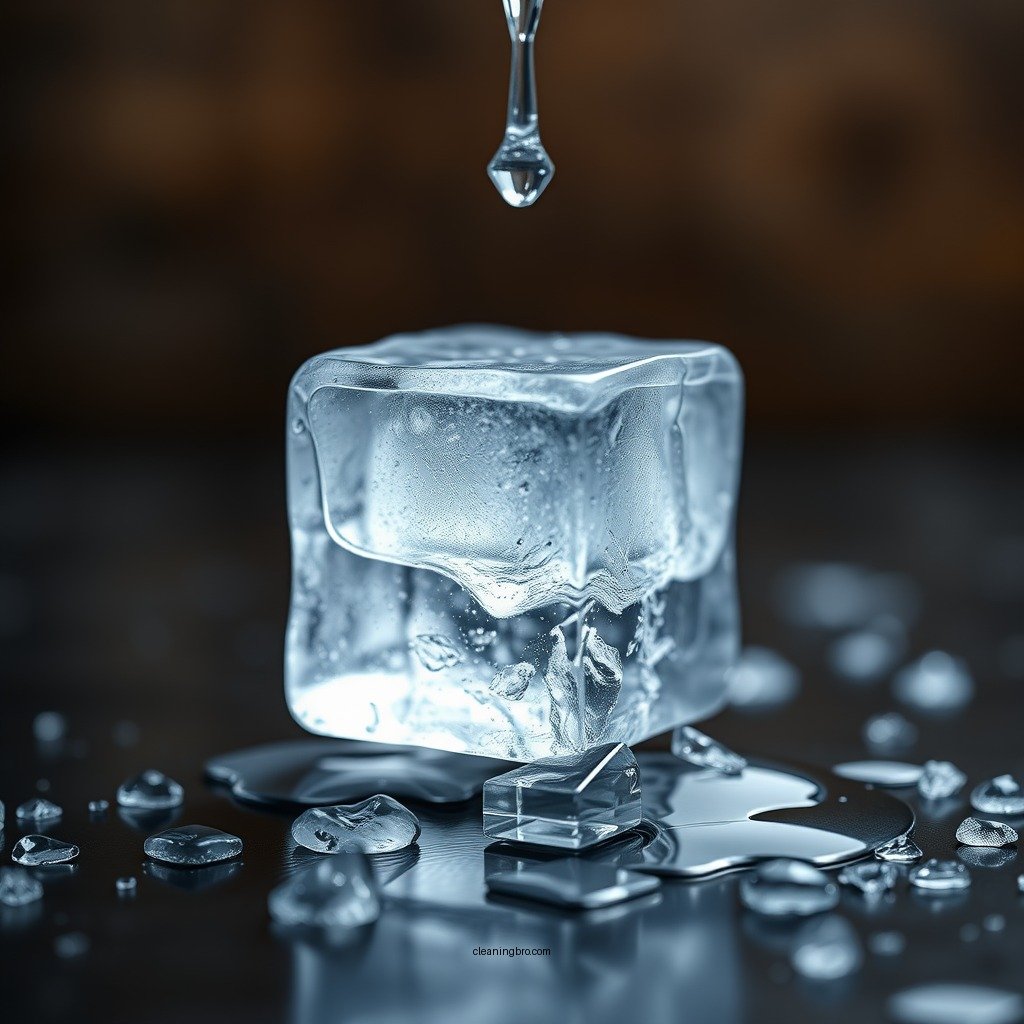
The selection of water is a critical factor in producing clear ice cubes. Using distilled or purified water reduces the likelihood of impurities that can cloud the ice. Distilled water is free from minerals, while purified water is treated to remove contaminants, making both excellent choices for ice-making.
Another effective technique involves boiling the water before freezing. Boiling removes dissolved gases, which are responsible for the formation of air bubbles in ice. After boiling, let the water cool down to room temperature before pouring it into your ice mold or container. This further minimizes the risk of trapping air bubbles and ensures a clearer result.
The Directional Freezing Method
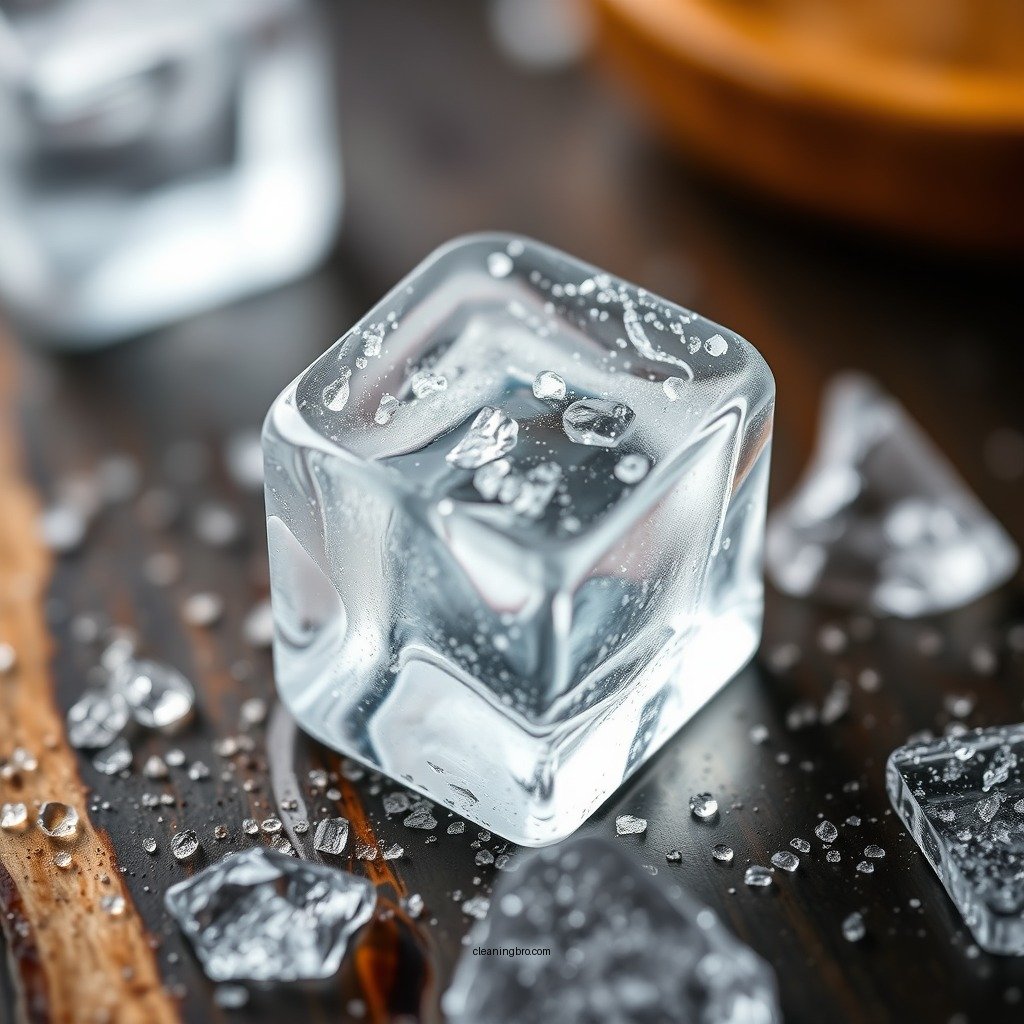
Directional freezing is the key technique for producing clear ice cubes. This method involves freezing water in a controlled manner to allow impurities and air bubbles to escape.
To implement this technique:
1. Select an Insulated Container: Use a cooler or an insulated container that can slow down the freezing process. This can be a small cooler that fits in your freezer.
2. Fill the Container with Water: Pour the purified or distilled water into the cooler, filling it to the appropriate level.
3. Freeze Slowly: Place the cooler in the freezer. The insulation will cause the water to freeze from the top down, allowing impurities to remain in the unfrozen water at the bottom.
4. Remove the Ice: After several hours (typically 24 hours), check the ice. You can remove the ice block from the container and discard any cloudy ice at the bottom.
Top 7 Ice-Making Techniques for Clarity (2024)
| # | Technique | Effectiveness | Time Required | Required Equipment |
|---|---|---|---|---|
| 1 | Directional Freezing | High | 24 hours | Insulated cooler |
| 2 | Boiling Water | Moderate | 1 hour | Pot, Ice mold |
| 3 | Layer Freezing | High | 8-12 hours | Ice mold |
| 4 | Freezing in Smaller Portions | Moderate | 6-8 hours | Ice tray |
| 5 | Using Clear Ice Molds | High | 3-4 hours | Clear molds |
| 6 | Pressure Freezing | Very High | 2 hours | Specialized equipment |
| 7 | Water Purification | Moderate | 30 minutes | Purification system |
Removing Air Bubbles
To achieve the clarity desired in your ice cubes, it’s essential to minimize air bubbles. Here are a couple of effective strategies:
– Let the Water Cool: Allow the water to cool slightly after boiling before pouring it into your freezing container. This step reduces the likelihood of air bubbles forming.
– Gentle Stirring: Before pouring the water into your mold, gently stir it. This action helps release any remaining air bubbles that may have been trapped.
Freezing Techniques for Best Results
Different freezing techniques can yield varying results for ice clarity. Here are some effective methods:
– Freeze in Layers: Start by pouring a small amount of water into your ice mold and freeze it. Once it has partially frozen, add more water. This method encourages air to escape from the ice as it freezes in stages.
– Use Silicone Ice Molds: Silicone molds not only allow for easy removal of ice but also typically yield better-shaped ice cubes that are less likely to trap air bubbles.
Storing and Using Clear Ice Cubes
Once you have created your clear ice cubes, proper storage is crucial to maintain their clarity and quality. Store them in a sealed container to prevent them from absorbing any odors from the freezer.
When using clear ice cubes, their visual appeal can enhance the presentation of cocktails and beverages. Clear ice melts slower than regular ice, helping to keep drinks colder for longer without diluting the flavors. This quality makes them an excellent choice for upscale cocktails, whiskey, or any drink where aesthetics and temperature control are essential.
When hosting gatherings or special events, clear ice cubes can impress your guests, elevating the overall drinking experience.
The process of making clear ice cubes not only enhances your drink presentation but also improves the enjoyment of your beverages. With a bit of patience and the right techniques, you can impress your guests with perfectly clear ice. Now that you know how to make them, why not try it out the next time you host a gathering?
Frequently Asked Questions
How do you make crystal clear ice cubes at home?
To make crystal clear ice cubes at home, start by using distilled water, as it has fewer impurities than tap water. Next, use a slow freezing method by filling an insulated container, like a cooler, and placing it in the freezer without a lid. This process allows air bubbles to escape and results in clearer ice.
Why are my ice cubes cloudy and how can I prevent this?
Cloudy ice cubes are usually caused by air bubbles and impurities in the water. To prevent this, use purified or distilled water and boil it before freezing to remove dissolved gases. Additionally, freezing the water slowly, as mentioned earlier, helps create clear cubes.
What is the best method for making large clear ice cubes?
The best method for making large clear ice cubes is to use a silicone mold or an insulated container. Fill it with distilled water and freeze it slowly, ideally by placing it in a cooler to control the temperature. This technique minimizes air bubbles and results in beautifully clear, large ice cubes.
Which types of ice molds are best for making clear ice?
The best types of ice molds for making clear ice are those that are insulated or made from silicone. Insulated molds help control the freezing process, while silicone molds allow for easy removal of the ice. Look for molds specifically designed for clear ice production for optimal results.
How long does it take to make clear ice cubes using the slow freezing method?
Making clear ice cubes using the slow freezing method typically takes around 24 hours, depending on the size of the mold and the temperature of your freezer. It’s best to check periodically, as larger molds may require additional time. Patience is key to achieving that crystal clear finish!
References
- Ice cube
https://en.wikipedia.org/wiki/Ice_cube - https://www.nytimes.com/2020/07/22/dining/clear-ice-cubes.html
https://www.nytimes.com/2020/07/22/dining/clear-ice-cubes.html - https://www.sciencedirect.com/science/article/pii/S2211285517301575
https://www.sciencedirect.com/science/article/pii/S2211285517301575 - https://www.bbc.com/future/article/20191129-how-to-make-the-clearest-ice-cubes
https://www.bbc.com/future/article/20191129-how-to-make-the-clearest-ice-cubes - https://www.thespruceeats.com/how-to-make-clear-ice-cubes-765176
https://www.thespruceeats.com/how-to-make-clear-ice-cubes-765176 - https://pubmed.ncbi.nlm.nih.gov/26826351/
https://pubmed.ncbi.nlm.nih.gov/26826351/ - Google Scholar Google Scholar
https://scholar.google.com/scholar?q=how+to+make+a+clear+ice+cube - Google Scholar Google Scholar
https://scholar.google.com/scholar?q=clear+ice+cubes+making+techniques - Google Scholar Google Scholar
https://scholar.google.com/scholar?q=ice+crystallization+clear+ice+cubes - Google Scholar Google Scholar
https://scholar.google.com/scholar?q=how+do+you+make+a+clear+ice+cube