How to Make Homemade AC Cleaner
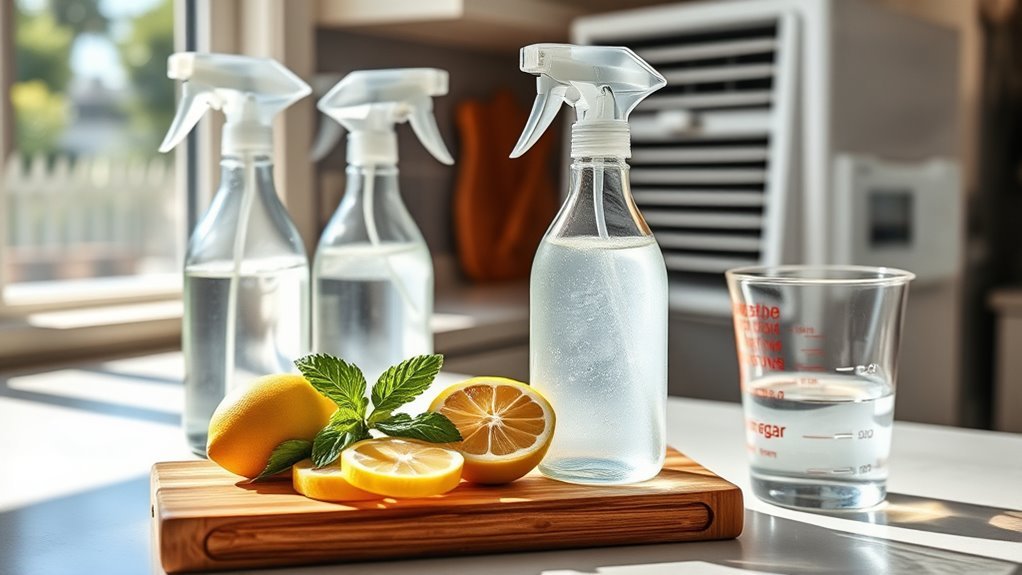
You can make a simple homemade AC cleaner using natural ingredients like vinegar, baking soda, and lemon juice. Mix one cup of distilled water with a quarter cup of white vinegar in a spray bottle, slowly add a teaspoon of baking soda, and squeeze in a few drops of lemon juice. This eco-friendly solution helps break down grime, disinfect coils, and neutralize odors, improving your unit’s performance. Keep going to discover how to clean filters and maintain your AC effectively.
Understanding the Importance of Cleaning Your AC Unit
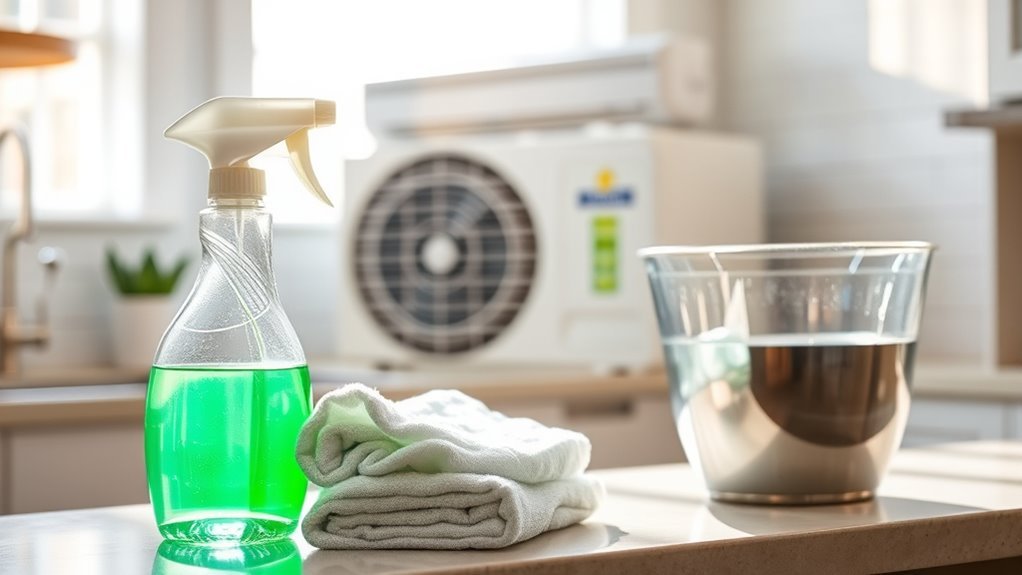
Although it might seem like a simple chore, cleaning your AC unit is essential to keep it running efficiently and prolong its lifespan. You’ll want to appreciate the importance of cleanliness because dust and debris buildup can seriously hinder your AC unit performance. When dirt accumulates, your system has to work harder, wasting energy and increasing your bills. By staying on top of cleaning, you’re not just maintaining comfort—you’re securing your freedom from unnecessary repairs and early replacements. A clean AC unit means better airflow, improved cooling, and a longer-lasting system that won’t chain you down with constant maintenance. Taking this small step empowers you to enjoy your space without limits, keeping your environment fresh and your cooling system reliable.
Essential Tools and Materials Needed for Homemade AC Cleaner
Keeping your AC unit clean is a great start, but knowing what to use makes all the difference. To get your homemade AC cleaner just right, you’ll need a few essential cleaning supplies: a spray bottle for easy application, a soft brush or cloth to gently scrub away dirt, and a funnel to mix your solution without spills. Don’t forget gloves to protect your skin while you work. Embracing these DIY techniques lets you take full control over what goes into your cleaner, ensuring it’s safe and effective. By gathering these basic tools and materials, you’re setting yourself up for success, freeing yourself from costly commercial products while maintaining your AC unit’s performance with confidence.
Natural Ingredients That Effectively Clean AC Units
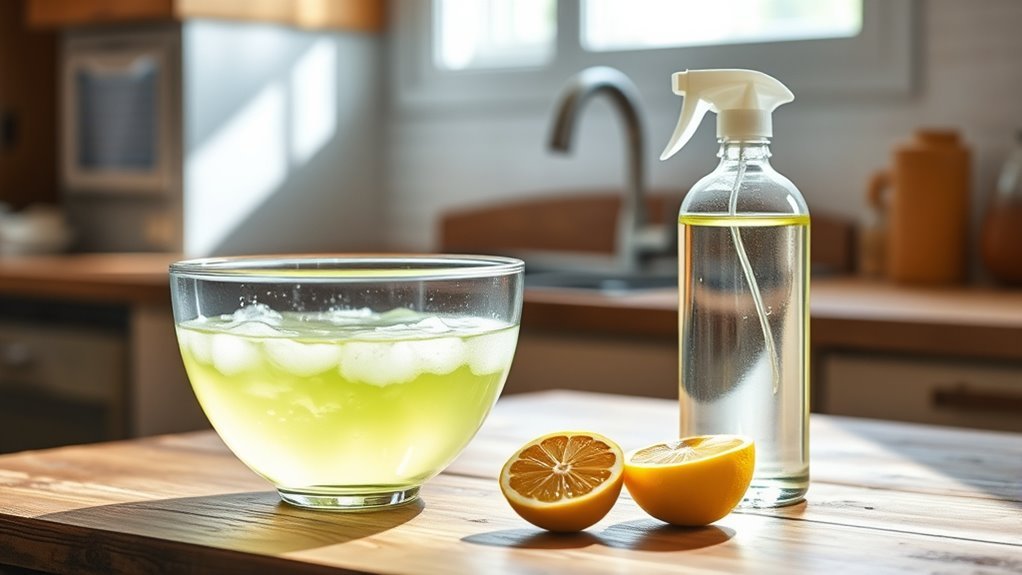
When you choose natural ingredients for cleaning your AC unit, you’re opting for solutions that are both effective and eco-friendly. These options let you maintain your freedom from harsh chemicals while keeping your system running smoothly.
- Vinegar solution – This is a powerhouse for breaking down grime and disinfecting coils without damaging components. Mix equal parts water and white vinegar for a simple, potent cleaner.
- Baking soda – Great for scrubbing away stubborn dirt and neutralizing odors. Sprinkle it on surfaces, let it sit, then rinse for a fresh feel.
- Lemon juice – Its natural acidity cuts through grease and leaves a pleasant scent, making it an excellent addition to your cleaning mix.
Using these natural ingredients guarantees your AC stays clean and your home stays healthy.
Step-by-Step Guide to Preparing Your Homemade AC Cleaner
Now that you know which natural ingredients work best for cleaning your AC unit, let’s walk through how to prepare your own homemade AC cleaner. Start by mixing one cup of distilled water with a quarter cup of white vinegar in a spray bottle. Add a teaspoon of baking soda carefully—it’ll fizz, so do this slowly to avoid spills. Next, squeeze in a few drops of lemon juice for its natural disinfectant properties and a fresh scent. Shake the bottle gently to combine everything without causing too much foam. This simple DIY cleaning solution gives you control over your AC maintenance, letting you avoid harsh chemicals. Store your cleaner in a cool, dark place, and you’re ready to tackle your AC upkeep whenever you want—freedom in your hands!
How to Safely Clean the AC Filters and Coils

Before you start cleaning, make sure you remove the filters carefully to avoid damage. You’ll want to use gentle coil cleaning methods to keep everything working efficiently. Let’s go over the best techniques for both so you can clean safely and effectively.
Filter Removal Techniques
Cleaning your AC filters and coils starts with knowing how to remove them safely. Different filter types require gentle handling to avoid damage during filter maintenance. Here’s how you can do it confidently:
- Turn off the unit – Always disconnect power to prevent accidents or damaging sensitive components.
- Locate the filter compartment – This varies by AC model, so check your manual or look for a removable grille or panel.
- Gently slide out the filter – Depending on the type (fiberglass, pleated, or washable), carefully pull the filter straight out without bending or twisting.
Mastering these steps gives you the freedom to maintain your AC efficiently, extending its life and ensuring cleaner air. With safe removal, you’re ready to clean or replace filters without hassle.
Coil Cleaning Methods
Although removing the filters is an essential first step, you’ll also need to clean the coils carefully to keep your AC running efficiently. Coil maintenance is important because dirty coils reduce airflow and strain your system. Start by turning off the power to avoid accidents. Use a soft brush or a vacuum with a brush attachment to gently remove dust and debris from the coils. For deeper cleaning, a homemade solution of mild detergent and water works wonders—spray it on, let it sit briefly, then rinse off carefully. Remember, proper cleaning frequency depends on your environment—generally, every three months is ideal. Staying consistent with coil maintenance gives you freedom from unexpected breakdowns and keeps your AC performing at its best.
Tips for Removing Mold and Mildew From Your AC System
If you notice a musty smell or visible spots inside your AC system, it’s a clear sign that mold and mildew have taken hold. Tackling this quickly guarantees your freedom from allergens and keeps your air fresh. Here’s how to handle mold prevention and mildew treatment effectively:
- Turn off the unit and unplug it for safety before starting any cleaning.
- Use a homemade cleaner with equal parts water and white vinegar to spray on affected areas. Let it sit for 10 minutes to break down mold spores.
- Scrub gently with a soft brush and wipe with a clean cloth. Afterward, dry the area thoroughly to prevent regrowth.
Best Practices for Maintaining Your AC After Cleaning
Once you’ve thoroughly cleaned your AC, maintaining it regularly is key to keeping it running efficiently and preventing future issues. Stick to a consistent maintenance schedule that fits your lifestyle—this freedom guarantees your system won’t catch you off guard. Make filter replacement a priority; dirty filters restrict airflow and strain your AC, reducing performance and increasing energy costs. Check filters monthly and swap them out every 1-3 months, depending on usage and environment. Keep the outdoor unit clear of debris and trim nearby plants to avoid blockages. Also, regularly inspect your unit for unusual noises or leaks. By following these best practices, you’ll extend your AC’s lifespan and enjoy cool comfort without hassle, freeing yourself from costly repairs or replacements.
Signs Your AC Needs a Deep Cleaning Beyond DIY
When your AC starts showing persistent issues despite regular cleaning, it’s a clear sign you need a deep cleaning beyond DIY methods. You want your cooling system to run smoothly without holding you back, so watch out for these signs:
- Signs of inefficiency: If your AC struggles to cool your space or your energy bills spike unexpectedly, it’s time for a thorough cleanse.
- Unusual noises: Strange sounds like grinding or rattling hint at dirt buildup or mechanical issues needing professional attention.
- Poor airflow: When air feels weak or uneven, clogged components might be the culprit beyond simple surface cleaning.
Don’t let these problems limit your freedom—deep cleaning can restore your AC’s performance and keep your comfort uninterrupted.
Environmental and Health Benefits of Using Homemade AC Cleaners
Because you’re directly controlling the ingredients, using homemade AC cleaners lets you avoid harsh chemicals that can harm both your health and the environment. By choosing simple, natural components, you’re embracing eco friendly solutions that reduce toxic waste and pollution. This freedom to customize means you’re not locked into harmful commercial products that can trigger allergies or respiratory issues. Instead, you’re prioritizing health benefits for yourself and those around you, creating a cleaner, safer home environment. Plus, these DIY cleaners are often biodegradable, so they break down harmlessly without leaving a lasting footprint. By making your own AC cleaner, you’re actively supporting a lifestyle that values sustainability and personal well-being—two powerful reasons to take control and make the switch today.
Frequently Asked Questions
Can Homemade AC Cleaner Damage My Unit’s Warranty?
You might wonder if using homemade AC cleaner could affect your unit’s warranty. It’s important to check your manufacturer’s maintenance guidelines first because some warranties have strict rules about what cleaners you can use. If your cleaner doesn’t meet those standards, you risk warranty implications that could leave you unprotected. So, if you want freedom in maintenance, make sure your DIY solutions align with those guidelines to keep your warranty intact.
How Often Should I Clean My AC Filters in Humid Climates?
Like a sponge soaking up water after a rainstorm, your AC filters in humid climates trap moisture and debris quickly. To keep your freedom from costly repairs, you should prioritize regular filter maintenance, cleaning or replacing them every 1 to 2 months. Humidity effects cause filters to clog faster, reducing efficiency and air quality. Staying on top of this lets you breathe easy and enjoy cool, fresh air without restrictions.
Are Homemade AC Cleaners Safe for All Types of Air Conditioners?
You’ll want to check safety guidelines before using homemade AC cleaners on all types of units, as some ingredients might harm sensitive components or void warranties. While homemade solutions can be effective, their cleaner effectiveness varies depending on your recipe and AC model. To keep your freedom intact, always test on a small area first and avoid harsh chemicals. When in doubt, consult your AC manual or a pro to guarantee you don’t damage your system.
Can I Add Essential Oils to My Homemade AC Cleaner?
Did you know that 85% of people feel more relaxed with pleasant scents around? You can definitely add essential oils to your homemade AC cleaner to enjoy essential oil benefits like freshness and calming aromas. Just pick scent options that suit your vibe, like lavender or eucalyptus. Keep in mind, use only a few drops to avoid clogging or damage. This way, you stay free to customize your air’s aroma while keeping things clean.
How Do I Dispose of Leftover Homemade AC Cleaner Safely?
When you’ve got leftover cleaner, you’ll want to focus on eco friendly disposal to keep things safe for you and the planet. Don’t just pour it down the drain—this can mess with water systems. Instead, check local guidelines for hazardous waste disposal. Always prioritize chemical safety by storing leftovers in a sealed container until you can properly toss them. This way, you’re free to enjoy your space without harming the environment.