How to Make Homemade School Bag Cleaner
You can easily make a homemade school bag cleaner using natural ingredients like white vinegar, baking soda, and mild liquid soap. Just mix half a cup of warm water with two tablespoons of vinegar and one tablespoon of soap, then add a teaspoon of baking soda carefully. Use a spray bottle and shake gently before use. This gentle, effective cleaner lifts stains and odors safely. Keep going to discover tips for best results and safe use!
Essential Ingredients for a DIY School Bag Cleaner
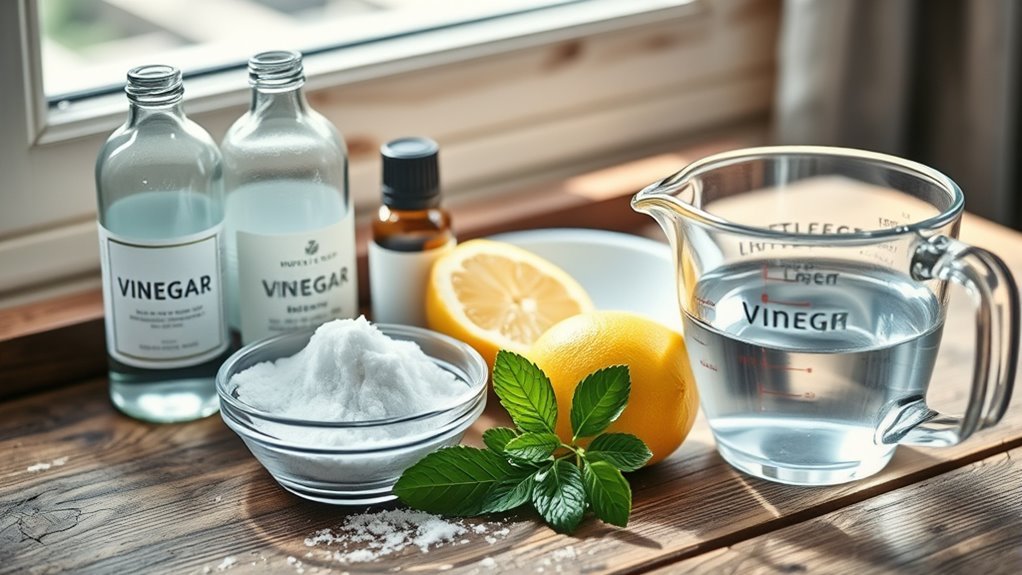
To make an effective DIY school bag cleaner, you’ll need a few simple ingredients that you can probably find around your home. Relying on natural ingredients means you’re not tied to harsh chemicals, giving you freedom to create safe, eco-friendly cleaning solutions. Common essentials include white vinegar, baking soda, and mild liquid soap—each offering unique cleaning powers without compromising your health or the environment. These natural ingredients work together to break down dirt, eliminate odors, and gently lift stains. You can also add a few drops of essential oils for a fresh scent. By choosing these simple components, you’re crafting a cleaner that’s not only effective but also aligns with your desire for freedom from synthetic chemicals and unnecessary additives.
Step-by-Step Guide to Making the Cleaner
Although making your own school bag cleaner might seem complicated, it’s actually quite simple when you follow a few clear steps. First, gather your natural alternatives like white vinegar, baking soda, and liquid castile soap—these eco friendly options are safe and effective. Next, mix half a cup of warm water with two tablespoons of vinegar and one tablespoon of castile soap in a spray bottle. Add a teaspoon of baking soda carefully, as it may fizz. Shake gently to combine. That’s it! You’ve created a powerful, natural cleaner that respects both your freedom from harsh chemicals and the environment. Store it in a cool place, and you’re ready to refresh your school bag anytime you want, guilt-free.
Tips for Effective Cleaning and Stain Removal
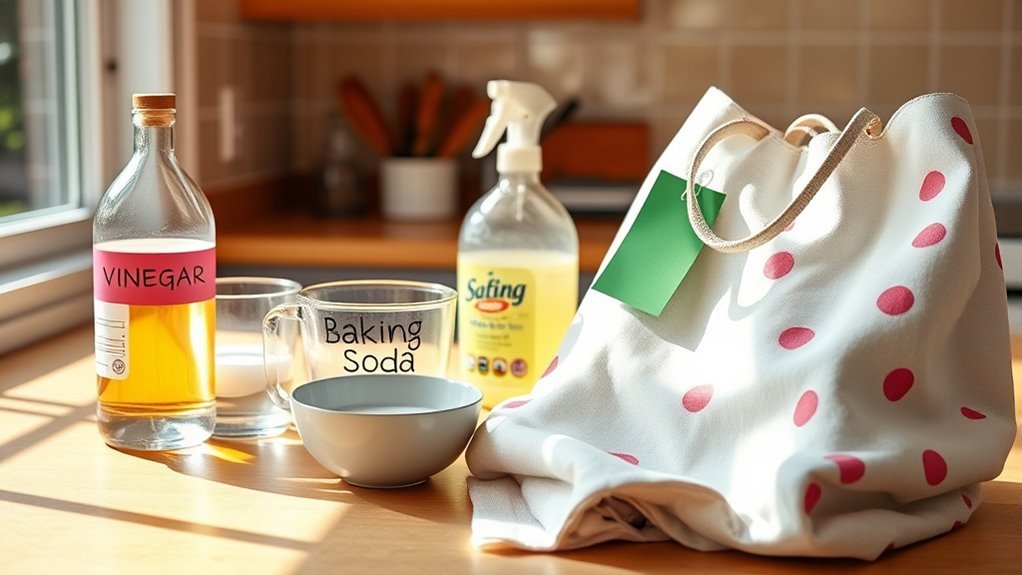
When tackling tough stains on your school bag, knowing the right techniques can make all the difference. You want stain removal that’s effective but gentle, preserving your bag’s look while freeing you from stubborn marks. Here are some cleaning techniques to keep in mind:
- Test the cleaner on a small, hidden area first to avoid damage.
- Gently blot stains rather than rubbing, which can spread the mess.
- Use a soft brush or cloth in circular motions to lift dirt without harsh scrubbing.
Safe Practices for Using Homemade Cleaners on Fabric
Knowing how to treat stains gently is just part of the process; you also need to handle homemade cleaners carefully to protect your bag’s fabric. First, always test your cleaner on a small, hidden area to verify fabric safety. This simple step prevents unwanted damage or discoloration. Next, avoid soaking your bag completely—use a damp cloth or sponge with your cleaner instead. When applying, use gentle motions to preserve the fabric’s integrity. Remember to wear gloves if you have sensitive skin and keep your cleaner away from children and pets. Finally, never mix homemade solutions with other chemicals, as this can create harmful reactions. By following these cleaning precautions, you’ll keep your bag fresh and intact while enjoying the freedom of DIY care.
Storage and Maintenance of Your Homemade Cleaner

Since homemade cleaners often lack preservatives, you’ll want to store yours in a cool, dark place to maintain its effectiveness. Proper cleaner storage is key to keeping your mixture fresh and ready to use whenever you need it. Here are some simple maintenance tips to help:
- Use airtight containers to prevent contamination and evaporation.
- Label your cleaner with the date you made it to track freshness.
- Shake the bottle before each use to mix ingredients evenly.
Frequently Asked Questions
Can Homemade Cleaner Be Used on Leather School Bags?
You can use homemade cleaner on leather school bags, but you’ve got to be careful. Leather care needs gentle cleaning techniques to avoid damage. Avoid harsh ingredients and always test your solution on a small, hidden spot first. Using mild, natural ingredients keeps your bag looking fresh without stripping its natural oils. This way, you maintain the freedom to keep your bag clean while preserving its quality and style.
How Often Should I Clean My School Bag?
You should aim for a cleaning frequency that suits your lifestyle—ideally, give your school bag a good clean every one to two weeks. Regular bag maintenance keeps it fresh, prevents dirt buildup, and extends its life. Of course, if you’re out and about daily or spill something, spot-clean right away. This way, you stay free from grime and enjoy a bag that looks great and lasts longer without hassle.
Will the Cleaner Remove Ink Stains?
Imagine spotting a stubborn ink blot on your school bag, dark and defiant. When it comes to ink stain removal, your cleaner’s effectiveness depends on the ingredients and how fresh the stain is. Homemade cleaners can tackle light ink stains, breaking them down gently without harsh chemicals. But for deep, set-in marks, you might need something stronger. You want freedom from marks, so test your cleaner first and act quickly for best results.
Is This Cleaner Safe for Children’s Allergies?
You’ll want to make sure the cleaner uses safe ingredients to avoid triggering any allergy symptoms your child might have. Stick to natural, non-toxic components like mild soap, baking soda, or vinegar, which are less likely to cause reactions. If your child has specific allergies, double-check each ingredient and maybe do a small patch test first. That way, you can freely clean without worrying about sneezing fits or skin irritation.
Can I Use This Cleaner on Backpacks With Electronics?
When it comes to keeping your backpack’s hidden treasures safe, you’ll want to tread carefully. This cleaner’s gentle touch is great for the fabric, but electronics safety is a whole different story. To guarantee your gadgets stay unharmed, avoid soaking or applying the cleaner directly near electronic compartments. For best backpack maintenance, wipe around devices with a slightly damp cloth instead, preserving both your freedom and your gear’s longevity.