How to Make Homemade Sink Cleaner
You can easily make a homemade sink cleaner using baking soda and vinegar—just sprinkle baking soda over the sink, pour vinegar on it to fizz away grime, then scrub and rinse. For tough stains, try a paste of lemon juice and coarse salt or add gentle Castile soap and essential oils for antibacterial power. These natural ingredients save money and avoid harsh chemicals. Keep your sink sparkling with simple, eco-friendly solutions; learn how to customize and store them effectively.
Benefits of Using a Homemade Sink Cleaner
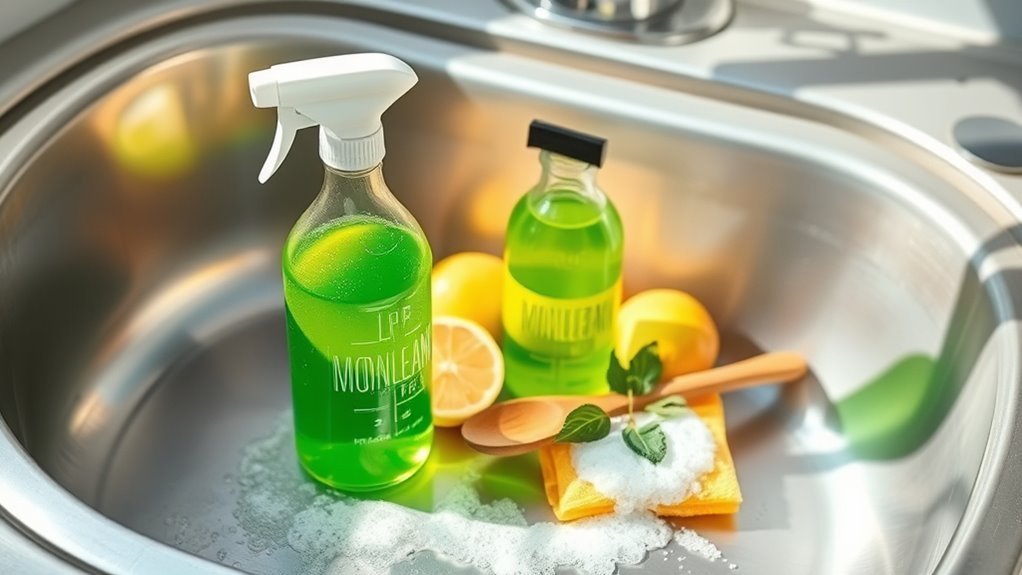
Although commercial cleaners are convenient, using a homemade sink cleaner offers several advantages that you’ll appreciate. When you make your own cleaner, you gain control over the natural ingredients you use, avoiding harsh chemicals that can harm your health and the environment. This freedom lets you tailor the formula to your preferences, ensuring it’s safe and effective for your needs. Plus, it’s a smart way to save money — store-bought cleaners add up, but homemade versions use simple, inexpensive ingredients you probably already have. You’re not just cleaning your sink; you’re embracing a more mindful, economical lifestyle. By choosing homemade, you reclaim power from big brands and enjoy a cleaner home with fewer worries and greater cost savings.
Essential Ingredients for Sink Cleaning
Now that you see the benefits of making your own sink cleaner, it’s helpful to know which ingredients work best. Using natural ingredients not only supports your desire for freedom from harsh chemicals but also boosts cleaning efficiency. Common essentials include baking soda, which gently scrubs away grime without scratching surfaces. White vinegar acts as a natural disinfectant and breaks down mineral deposits. Lemon juice adds a fresh scent while tackling stains with its natural acidity. You can combine these ingredients in various ways to create a powerful cleaner that’s safe and effective. By choosing natural ingredients, you maintain control over what touches your sink and the environment, ensuring a clean space without compromising your values or health.
How to Prepare a Baking Soda and Vinegar Cleaner
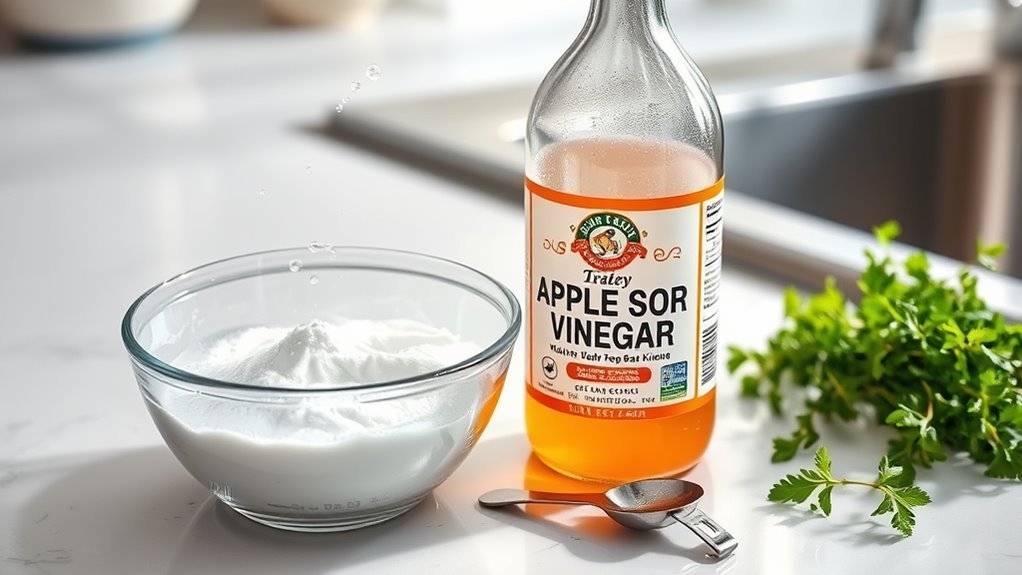
One simple way to make an effective sink cleaner is by combining baking soda and vinegar. Start by sprinkling a generous amount of baking soda over your sink’s surface. Next, slowly pour vinegar over the baking soda. You’ll immediately notice the fizzing—this is the vinegar reaction breaking down grime and loosening buildup. Let it bubble for a few minutes, giving it time to work its magic. Then, scrub gently with a sponge or brush before rinsing with warm water. This natural combination frees you from harsh chemicals and lets you take control of your cleaning routine. It’s economical, powerful, and easy to prepare whenever you want a fresh, clean sink without compromises.
Making a Lemon and Salt Scrubbing Paste
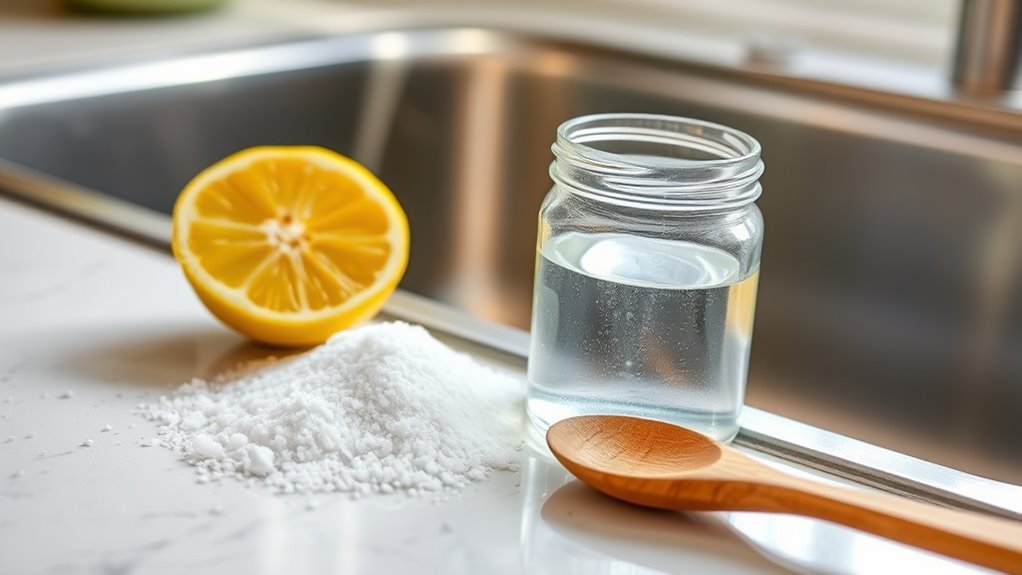
You’ll need just two simple ingredients: fresh lemon juice and coarse salt. Mix them together until you get a thick paste that’s easy to spread. This natural scrub will help tackle stains and grime on your sink effectively.
Ingredients Needed
Although the ingredients for a lemon and salt scrubbing paste are simple, they pack a powerful cleaning punch. You don’t need expensive cleaning supplies—just natural ingredients that give you freedom from harsh chemicals and cluttered cabinets. Here’s what you’ll gather:
- Fresh lemons – their acidity cuts through grime effortlessly.
- Coarse salt – acts as a gentle abrasive to scrub away stains.
- Baking soda – boosts scrubbing power and deodorizes.
- Water – to adjust the paste’s consistency for easy application.
These natural ingredients are not only effective but also eco-friendly, letting you clean your sink with confidence and independence. With just these four components, you’re ready to tackle stubborn stains while keeping your space toxin-free.
Mixing Instructions
Before you start scrubbing, mix the ingredients carefully to create a paste that’s easy to apply and effective at tackling stains. Begin by combining fresh lemon juice and coarse salt using the right mixing ratios: about 2 tablespoons of salt to 1 tablespoon of lemon juice. Adjust slightly if needed to achieve a thick, spreadable consistency. Use gentle blending techniques—stir the salt into the lemon juice with a small spoon or fork until the salt dissolves partially but the texture remains grainy. This balance lets the paste scrub away grime without scratching your sink. Don’t overblend; you want enough grit to get the job done. Once mixed, your lemon and salt paste is ready—freedom to clean naturally and powerfully, right at your fingertips.
Using Castile Soap for a Gentle Clean

One simple way to keep your sink spotless without harsh chemicals is by using Castile soap. Known for its castile soap benefits, it offers a natural, effective, and gentle cleaning option that respects both your skin and the environment. Here’s why you’ll love it:
- Gentle cleaning: It won’t damage delicate surfaces or irritate your hands.
- Versatile: Use it on stainless steel, porcelain, or ceramic sinks.
- Biodegradable: Helps you reduce your ecological footprint.
- Concentrated formula: A little goes a long way, saving you money and packaging waste.
Combining Hydrogen Peroxide and Baking Soda
When you combine hydrogen peroxide and baking soda, you get a powerful, natural cleaner that tackles tough stains and grime in your sink. This dynamic duo not only boosts stain removal but also promotes sink whitening without harsh chemicals. Mixing them creates a fizzing action that lifts dirt effortlessly, freeing you from stubborn residues.
| Ingredient | Role in Cleaning |
|---|---|
| Hydrogen Peroxide | Disinfects, whitens |
| Baking Soda | Scrubs, deodorizes |
| Fizzing Reaction | Breaks down stains |
| Natural & Safe | Eco-friendly freedom |
Using this combo, you reclaim control over your cleaning routine with an effective, chemical-free solution that lets your sink shine bright and spotless.
Step-by-Step Guide to Applying Your Cleaner
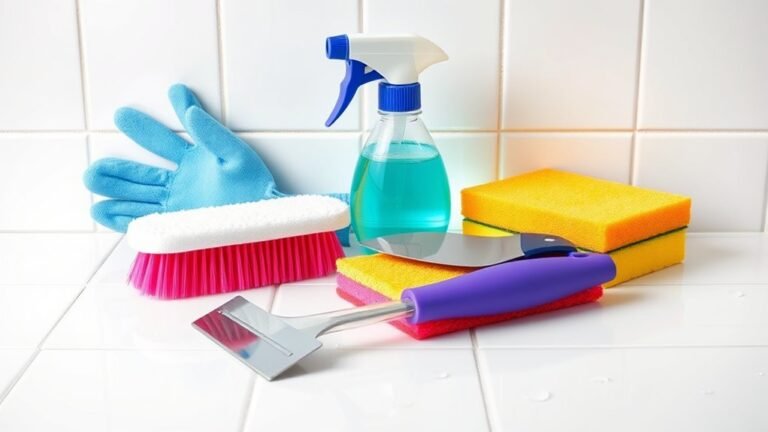
Start by gathering your ingredients and a few basic tools like a sponge or brush. Applying your homemade sink cleaner effectively is all about using the right cleaning techniques to free your sink from grime and keep it in top shape.
- Wet your sink surface with warm water to loosen dirt and prepare for cleaning.
- Sprinkle your baking soda and hydrogen peroxide mixture evenly over the sink.
- Use a sponge or brush to scrub in gentle, circular motions, focusing on stains and buildup.
- Rinse thoroughly with warm water, ensuring no residue remains.
Tips for Maintaining a Sparkling Sink
Although regular deep cleaning is essential, keeping your sink sparkling between sessions is just as important. To maintain that fresh look, follow these sink maintenance tips: wipe down your sink after each use to prevent water spots and grime buildup. Rinse away food particles promptly to avoid stains and odors. Adjust your cleaning frequency based on usage—daily if you cook often, or a few times a week otherwise. Avoid harsh chemicals that can damage your sink’s surface; your homemade cleaner is perfect for gentle, effective care. Finally, keep your drain clear by flushing with hot water regularly. These simple habits give you freedom from constant scrubbing and keep your sink shining effortlessly every day.
Safe Storage and Shelf Life of Homemade Cleaners
To keep your homemade sink cleaner effective, store it in a sealed, non-reactive container like glass or sturdy plastic. You’ll want to use it within a few weeks to guarantee it works properly and stays safe. Proper storage helps maintain its cleaning power and prevents any unwanted chemical changes.
Proper Container Choices
Choosing the right container is essential for keeping your homemade sink cleaner effective and safe. You want to pick something that protects your cleaner while giving you the freedom to use it anytime. Here’s what to take into account:
- Glass containers are ideal since they don’t react with your cleaner and maintain purity.
- Plastic bottles are lightweight and less prone to breaking but make sure they’re BPA-free.
- Use containers with tight-sealing lids to prevent spills and contamination.
- Avoid metal containers as they can corrode or react with ingredients.
Expected Shelf Duration
While homemade sink cleaners are convenient and effective, you’ll want to store them properly to guarantee they last as long as possible. Typically, your cleaner’s shelf life will be around one to two weeks, especially if it contains fresh ingredients like lemon juice or vinegar. To maximize this, follow simple storage tips: keep the cleaner in a sealed, opaque container to avoid sunlight exposure, and store it in a cool, dry place away from heat. Avoid contamination by using clean utensils when handling the cleaner. If you notice changes in smell, color, or texture, it’s best to make a fresh batch. With these easy storage tips, you can enjoy your homemade sink cleaner’s power without worrying about it losing effectiveness too soon.
Eco-Friendly Alternatives to Commercial Cleaners
Although commercial cleaners might seem convenient, they often contain harsh chemicals that can harm both your health and the environment. Choosing natural cleaning methods lets you take control, using green alternatives that are safe and effective. You don’t have to rely on toxic products when you can make your own sink cleaner with simple ingredients. Here are some eco-friendly options to evaluate:
- Baking soda and vinegar – a powerful natural cleaning duo
- Lemon juice – great for cutting grease and adding freshness
- Castile soap – gentle yet effective for scrubbing
- Essential oils like tea tree or eucalyptus – add antibacterial properties and scent
Frequently Asked Questions
Can Homemade Sink Cleaner Remove Hard Water Stains?
Did you know that hard water affects over 85% of households in the U.S., causing stubborn stains? If you’re dealing with those frustrating hard water marks, you’ll be glad to know homemade sink cleaner can be surprisingly effective for stain removal. You don’t need harsh chemicals to enjoy a sparkling sink. With simple ingredients, you can regain freedom from tough stains and keep your sink looking fresh naturally and affordably.
Is Homemade Sink Cleaner Safe for Septic Systems?
You’ll be glad to know homemade sink cleaner is usually safe for your septic system because it uses natural cleaning ingredients like baking soda and vinegar. These don’t harm the beneficial bacteria that keep your septic system running smoothly. Just avoid harsh chemicals or excessive amounts, and you’ll keep your system happy while enjoying the freedom of using eco-friendly, DIY solutions that protect both your home and the environment.
How Often Should I Deep Clean My Sink With Homemade Cleaner?
You should aim for a deep cleaning frequency of about once a week to keep your sink fresh and hygienic. Regular deep cleaning prevents grime buildup and clogs, making sink maintenance easier and more effective. If you use your sink heavily, you might want to clean it more often. Sticking to these sink maintenance tips not only keeps things sparkling but also gives you the freedom to enjoy a clean, stress-free kitchen every day.
Can I Use Homemade Cleaner on Stainless Steel Sinks?
You can definitely use homemade cleaner on your stainless steel sink! Just make sure it’s gentle enough to avoid scratching the surface. For stainless steel, a paste made from baking soda and water works great—it’s tough on grime but safe. Remember to rinse thoroughly and dry with a soft cloth to prevent water spots. Following these cleaning tips keeps your sink shiny and fresh, giving you the freedom to clean naturally without harsh chemicals.
What Precautions Should I Take When Mixing Cleaning Ingredients?
Mixing cleaning ingredients is like playing with fire—you’ve got to respect the power to avoid harm. Always wear safety gear like gloves and goggles to shield yourself from unexpected chemical reactions that can release harmful fumes or cause burns. Don’t mix ingredients unless you’re sure they’re safe together. Remember, your freedom to create safe solutions depends on careful steps, so stay informed and cautious to keep your space—and yourself—safe.