How to Make Pond Water Clear: Simple Solutions
Maintaining clear water in your pond is not only vital for the health of aquatic life but also enhances the overall aesthetic appeal of your outdoor space. To achieve crystal-clear pond water, you can employ a variety of strategies, including natural filtration methods, mechanical solutions, and regular maintenance practices. This article will delve into effective techniques that can help you keep your pond water pristine and thriving.
Understanding Pond Water Clarity
The clarity of pond water plays a critical role in promoting a healthy ecosystem. Clear water is essential for the growth of aquatic plants and the well-being of fish. When water is murky, it can lead to reduced sunlight penetration, which inhibits photosynthesis in plants and can result in a decline in oxygen levels. This creates an inhospitable environment for fish and other aquatic organisms.
Common causes of murky pond water include excess nutrients from decaying organic matter and runoff, algal blooms, and sediment disturbances. Algal blooms, in particular, can lead to a rapid decrease in oxygen levels, which can be detrimental to fish populations. Understanding these factors is the first step in combating murky water and fostering a vibrant pond ecosystem.
Natural Methods to Clear Pond Water
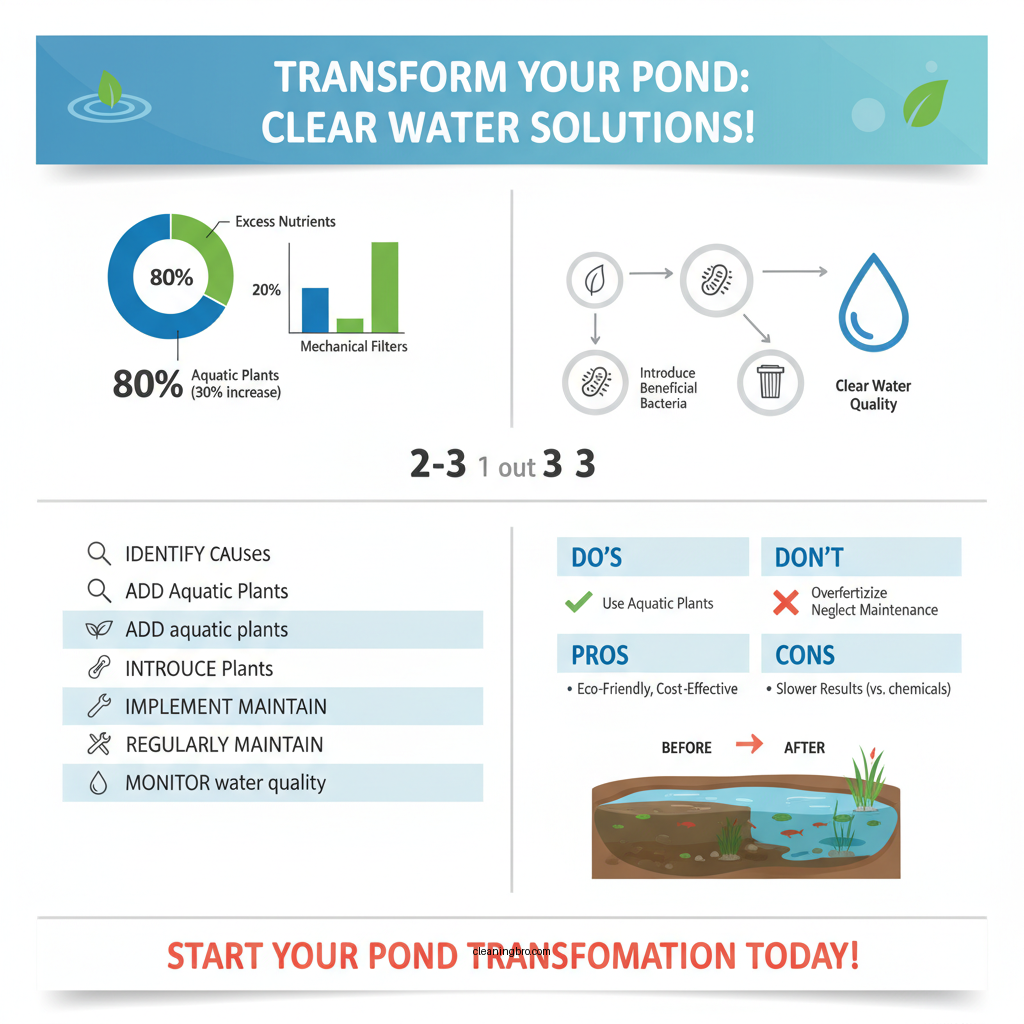
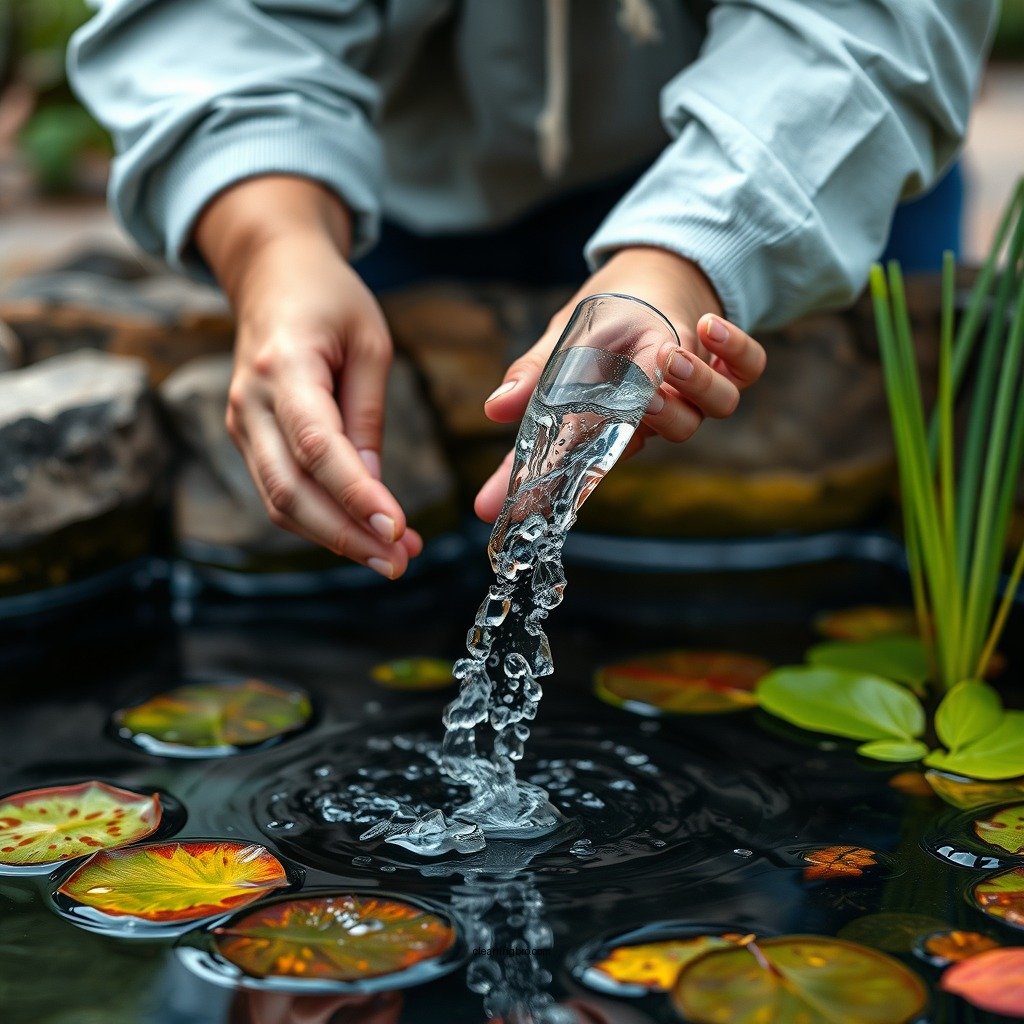
One of the most effective ways to maintain clear pond water is through the use of aquatic plants. These plants not only enhance the beauty of your pond but also play a vital role in natural filtration. For instance, submerged plants like Hornwort and Elodea absorb excess nutrients, while floating plants such as water lilies provide shade, reducing algal growth by limiting sunlight penetration.
Adding beneficial bacteria to the pond ecosystem is another natural method for clarity. These bacteria help break down organic waste and nutrients that contribute to murky water. Products containing live, beneficial bacteria can be added to the pond to enhance biological activity, thereby accelerating the decomposition of debris and improving water quality.
Mechanical Filtration Solutions
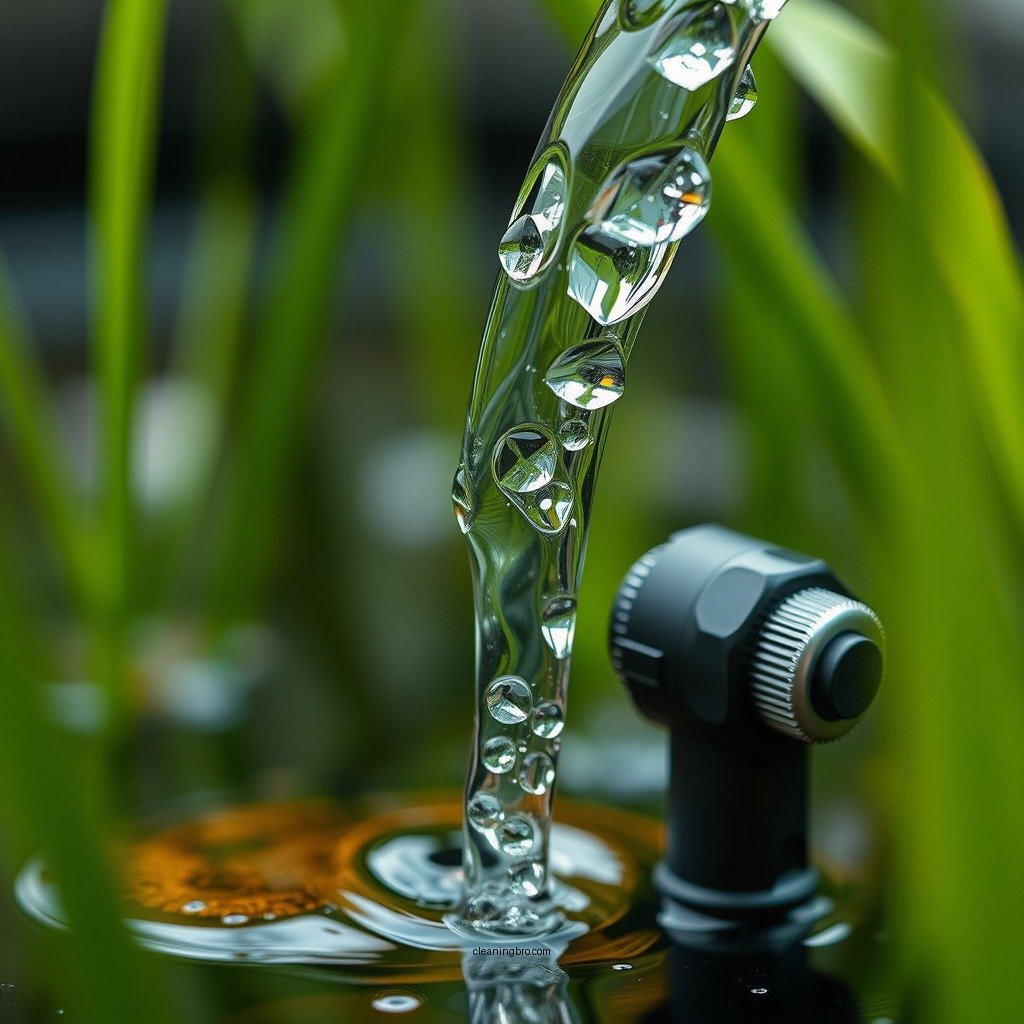
Mechanical filtration is an essential aspect of pond maintenance that can significantly improve water clarity. There are several types of pond filters available, including:
– Pressurized Filters: Suitable for larger ponds, these filters can cope with high flow rates and are effective at removing debris and particulates.
– Gravity Filters: Ideal for smaller ponds, these filters rely on gravity to pull water through a media that captures debris.
– Skimmers: These devices remove surface debris, such as leaves and twigs, preventing them from sinking to the bottom and decomposing.
When selecting a filter, consider the size of your pond and the type of aquatic life present. A general rule of thumb is to choose a filter rated for at least twice the volume of your pond to ensure optimal performance.
Top Pond Filtration Systems (2024)
| # | Filter Type | Max Pond Size (gallons) | Flow Rate (GPH) | Price |
|---|---|---|---|---|
| 1 | Pressurized Filter | 2,000 | 1,000 | $199.99 |
| 2 | Gravity Filter | 1,000 | 500 | $129.99 |
| 3 | Skimmer | 1,500 | 750 | $99.99 |
| 4 | UV Filter | 3,000 | 1,500 | $249.99 |
| 5 | Biological Filter | 2,500 | 1,200 | $159.99 |
| 6 | Hybrid Filter | 3,500 | 1,800 | $299.99 |
| 7 | Submersible Pump Filter | 1,200 | 600 | $89.99 |
Chemical Treatments for Immediate Results
While natural methods are effective, sometimes immediate results are necessary, particularly in cases of severe algal blooms or murky water conditions. Chemical treatments, including algaecides and clarifiers, can be used to quickly restore water clarity. Algaecides work by targeting and killing algae, while clarifiers help to bind small particles together, making them easier for filters to remove.
However, it is essential to use these chemicals with caution. Overuse can lead to harmful side effects, such as oxygen depletion in the water and adverse effects on fish and plant life. Always read the manufacturer’s instructions and consider consulting a pond care professional before applying chemical treatments.
Regular Maintenance Practices
Routine maintenance is crucial for ensuring long-term water clarity. Regular water testing can help you monitor parameters such as pH, nutrient levels, and overall water quality. By keeping an eye on these factors, you can identify potential issues before they escalate.
Cleaning pond debris, such as fallen leaves and organic waste, is equally important. Consider using a pond vacuum or net to remove debris from the surface and bottom of the pond regularly. Additionally, maintaining equipment like pumps and filters will ensure they operate efficiently, contributing to clearer water.
Seasonal Considerations for Pond Care
Seasonal changes can significantly affect pond clarity. During spring and summer, warmer temperatures often lead to increased algae growth. Regular monitoring and maintenance become even more critical during these months to prevent clarity issues.
In fall, it is essential to prepare your pond for cooler temperatures. Remove fallen leaves and organic debris, as they can decompose and contribute to nutrient buildup. In winter, if your pond freezes, ensure that there is a hole in the ice for gas exchange, preventing harmful build-up of gases that can affect water quality.
Additional Tips for Long-Term Clarity
Incorporating aeration systems into your pond can greatly enhance water circulation and overall health. Aeration helps to increase oxygen levels in the water, which can inhibit the growth of harmful bacteria and algae, contributing to clearer water.
UV sterilizers are also valuable tools for maintaining pond clarity. These devices use ultraviolet light to kill algae and harmful microorganisms, ensuring that the water remains clear, especially during peak growth seasons.
Maintaining clear pond water requires a proactive approach that combines natural methods, mechanical filtration, and regular maintenance. By implementing the strategies outlined above, you can create a healthy and visually appealing pond environment. Start by assessing your pond’s current condition and choose the methods that best suit your needs for long-lasting results.
Frequently Asked Questions
What are the most effective methods to clear murky pond water?
The most effective methods to clear murky pond water include using pond clarifiers, introducing beneficial bacteria, and regular maintenance such as removing debris. Utilizing UV clarifiers can also help kill algae and improve water clarity. Additionally, ensuring proper aeration can enhance the natural filtration processes in your pond.
How can I prevent my pond water from becoming cloudy again?
To prevent your pond water from becoming cloudy again, maintain a balanced ecosystem by managing fish populations, controlling nutrient levels, and regularly removing organic matter. Installing aquatic plants can also help absorb excess nutrients and improve water quality. Frequent water testing will allow you to identify and address any imbalances promptly.
Why is my pond water turning green, and how can I fix it?
Green pond water is often caused by excessive algae growth due to high nutrient levels, particularly phosphates and nitrates. To fix this issue, consider adding aquatic plants to compete with algae for nutrients, using a UV sterilizer to kill algae, and reducing the input of nutrients from fertilizers or runoff. Regular water changes and improving filtration can also help restore clarity.
What is the best filter for keeping pond water clear?
The best filter for keeping pond water clear is a biological filter combined with a mechanical filter. These filters work together to remove debris while promoting beneficial bacteria that break down harmful substances. For larger ponds, consider a filter with a UV sterilizer option to effectively eliminate algae and enhance water clarity.
Which aquatic plants are best for improving water clarity in ponds?
The best aquatic plants for improving water clarity in ponds include water lilies, duckweed, and submerged plants like hornwort and anacharis. These plants help absorb excess nutrients, provide shade, and compete with algae for resources. Additionally, having a diverse plant selection can enhance the overall health of your pond ecosystem.
References
- https://www.extension.purdue.edu/extmedia/FNR/FNR-470-W.pdf
https://www.extension.purdue.edu/extmedia/FNR/FNR-470-W.pdf - https://www.nrcs.usda.gov/wps/portal/nrcs/detail/national/home/?cid=nrcs144p2_053235
https://www.nrcs.usda.gov/wps/portal/nrcs/detail/national/home/?cid=nrcs144p2_053235 - https://www.epa.gov/nutrientpollution/what-nutrient-pollution
https://www.epa.gov/nutrientpollution/what-nutrient-pollution - Drinking-water
https://www.who.int/news-room/fact-sheets/detail/drinking-water - https://www.cdc.gov/healthywater/drinking/index.html
https://www.cdc.gov/healthywater/drinking/index.html - https://www.pubs.usgs.gov/circ/circ1225/pdf/circ1225.pdf
https://www.pubs.usgs.gov/circ/circ1225/pdf/circ1225.pdf - https://www.extension.umn.edu/environment/water/ponds/
https://www.extension.umn.edu/environment/water/ponds/ - https://www.nature.com/articles/s41598-021-94686-2
https://www.nature.com/articles/s41598-021-94686-2 - Google Scholar Google Scholar
https://scholar.google.com/scholar?q=how+to+make+water+clear+in+pond - Google Scholar Google Scholar
https://scholar.google.com/scholar?q=pond+water+clarity+methods