DIY Cleaner for Dryer Surfaces
Uncover the secrets to a sparkling clean dryer with a simple DIY cleaner that will transform your laundry routine—don’t miss these essential tips!

Uncover the secrets to a sparkling clean dryer with a simple DIY cleaner that will transform your laundry routine—don’t miss these essential tips!

You should regularly disinfect your refrigerator’s high-touch areas—like door handles, shelves, and seals—to minimize bacteria and keep food safe. Start by unplugging the fridge and removing all items. Clean surfaces with mild detergent and warm water before applying a food-safe disinfectant, allowing proper contact time. Rinse and air dry thoroughly. Focus on these spots weekly…

To clean and organize your refrigerator in 30 minutes, first gather your cleaning supplies and set a timer to stay focused. Remove all items, check expiration dates, and toss anything expired or unwanted. Take out shelves and drawers to soak and scrub them clean. Wipe down all interior surfaces, then group similar items together, using…
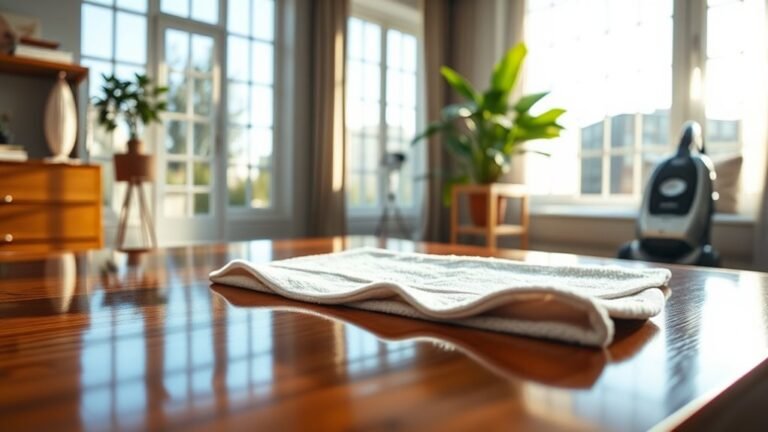
To manage dust effectively, start by using microfiber cloths and electrostatic dusters to trap particles, avoiding dust scattering. Vacuum upholstery gently with adjustable suction and clean floors regularly with mops or vacuums. Pay attention to high-traffic areas and use doormats to minimize dust entry. Keep air purifier filters fresh to improve air quality. Establish a…

Start by identifying your sofa’s material to choose the right cleaning products. Gather supplies like a vacuum with upholstery attachments, soft brushes, and appropriate cleaners. Vacuum thoroughly, focusing on crevices, then spot test cleaners on a hidden area to avoid damage. Treat stains quickly with mild detergent or specialized solutions. For fabric sofas, steam clean…

To disinfect your microwave’s high-touch areas—like the door handle, control panel, and interior seals—start by unplugging it for safety. Use a food-safe disinfectant or a vinegar-water solution applied to a soft cloth, not sprayed directly, to avoid damage. Wipe these spots thoroughly, allowing the disinfectant enough contact time to kill bacteria. Regular cleaning after use…
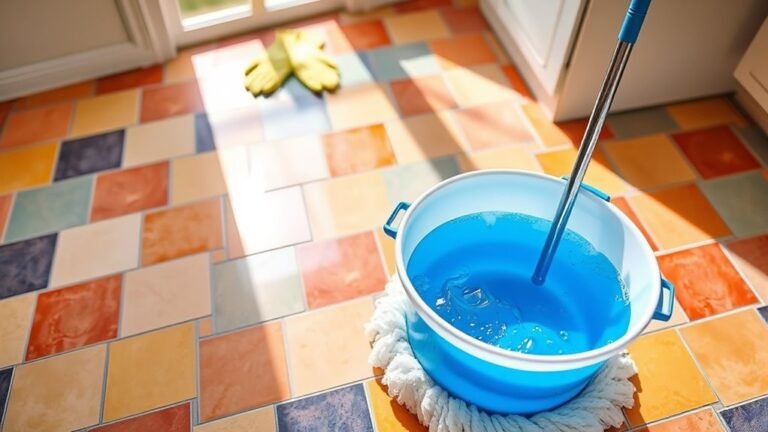
First, identify your tile and grout types to choose suitable cleaners. Gather soft and stiff brushes, microfiber cloths, and pH-neutral solutions. Remove loose dirt by vacuuming or dust mopping, focusing on grout lines. Apply an even layer of cleaning solution, then scrub grout and tiles gently but thoroughly. Rinse with lukewarm water and dry promptly…

When cleaning floors, you might be using the wrong products that damage finishes or harm surfaces. Skipping sweeping or vacuuming first traps dirt, causing scratches when mopped. Using too much water on hardwood can lead to warping and swelling. Ignoring your floor’s manufacturer guidelines risks costly damage. Plus, abrasive tools like steel wool can scratch…
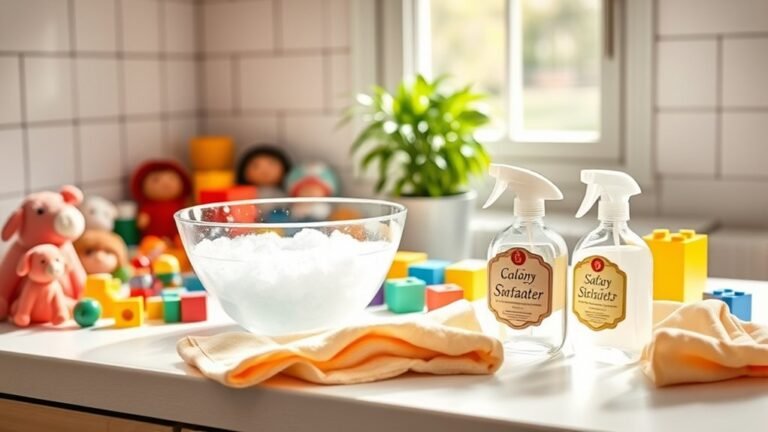
To keep your child’s toys clean and safe, use the right method for each type—wipe plastic, gently wash wood, and machine wash soft toys when allowed. Choose non-toxic cleaners like mild soap or vinegar. Wipe hard toys weekly, clean outdoor toys more often, and carefully disinfect battery-operated ones after removing batteries. Treat stains naturally with…

To clean and deodorize your fan, unplug it first, then carefully remove the front grill and blades using a screwdriver. Wipe blades and grills with a microfiber cloth dampened in mild detergent, and use a soft brush or compressed air for hard-to-reach spots. Dry thoroughly to prevent mold. For deodorizing, apply baking soda or essential…