The Ultimate 10-Minute Guide to Germ-Free Living
To effectively clean germs in just 10 minutes, focus on high-touch surfaces and use effective cleaning agents. By prioritizing the right areas and techniques, you can significantly reduce the presence of harmful microbes in your home. In today’s fast-paced world, maintaining a germ-free environment is crucial for your health and well-being. This guide offers a comprehensive approach to cleaning that can be seamlessly integrated into your daily routine, ensuring that your living space remains a safe haven.
Quick Cleaning Essentials
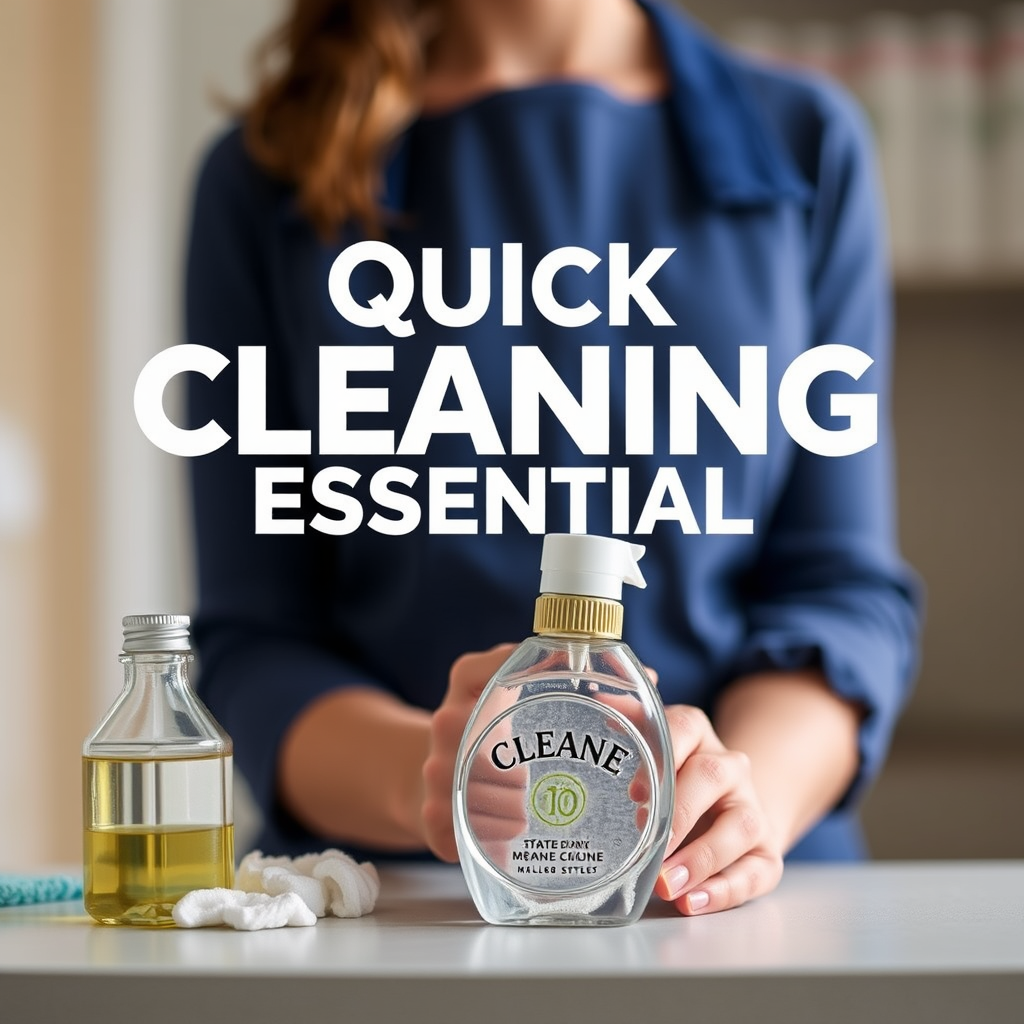
The first step in your germ-fighting mission is identifying high-touch areas, which are the prime locations where germs tend to accumulate. These include doorknobs, light switches, remote controls, and any surfaces that are frequently handled throughout the day. Understanding these hotspots allows you to target your efforts effectively, maximizing your cleaning time.
Next, gather the necessary cleaning supplies to streamline the process. Disinfectant wipes are particularly effective for quick clean-ups, as they are portable and ready-to-use. Additionally, consider using disinfectant sprays and microfiber cloths; the latter are ideal for dusting and wiping surfaces without leaving behind lint. Having these tools on hand ensures that you are well-prepared to tackle germs quickly and efficiently.
The Proven 10-Minute Routine
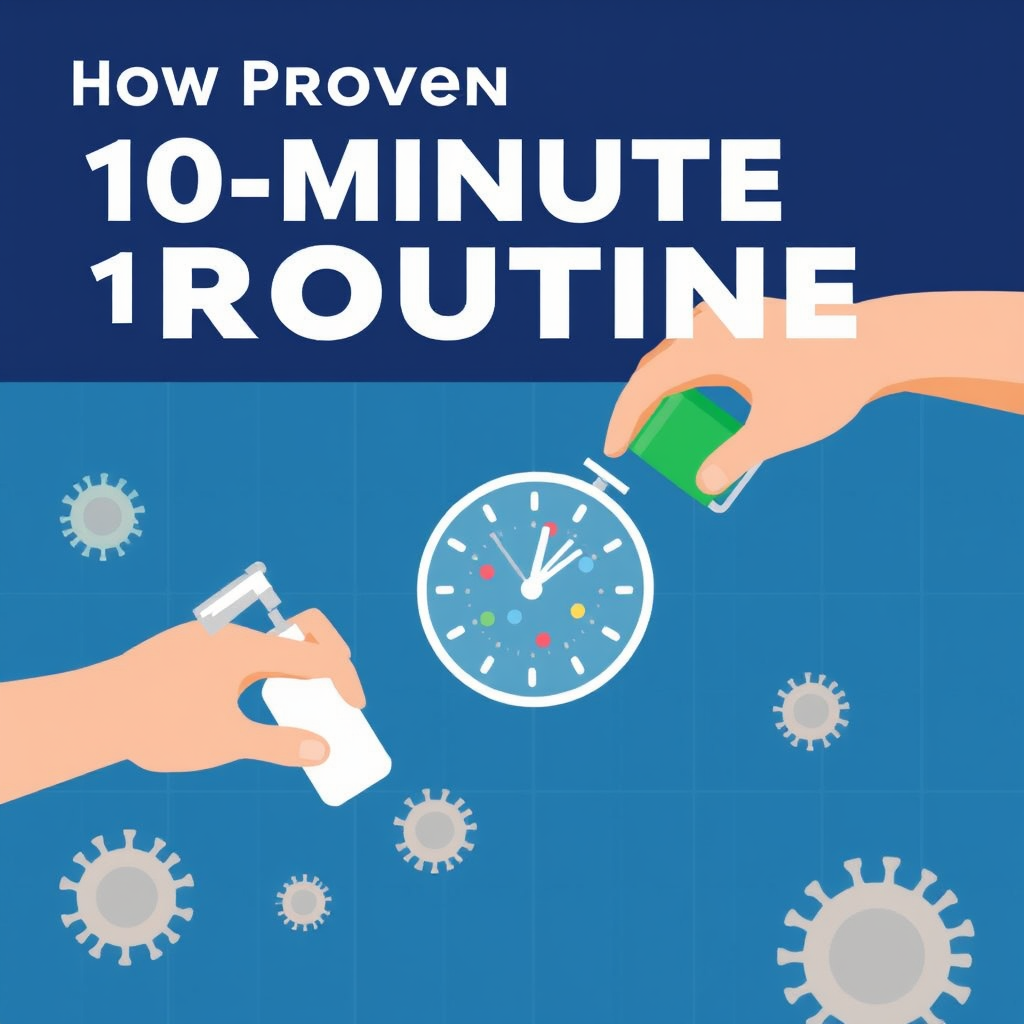
To make the most of your 10-minute cleaning session, start by setting a timer. This not only keeps you aware of the time but also helps maintain your focus—transforming cleaning into a quick, purposeful task rather than a daunting chore.
Adopt a top-to-bottom cleaning strategy: Begin with dusting light fixtures and shelves, and then proceed to wipe down surfaces. This approach prevents dirt from falling onto areas you’ve already cleaned, ensuring that you leave no corner untouched. For instance, when you clean a countertop after dusting the cabinets above, any particles that may fall during the process will be addressed in one go, streamlining your efforts.
Best Disinfecting Techniques
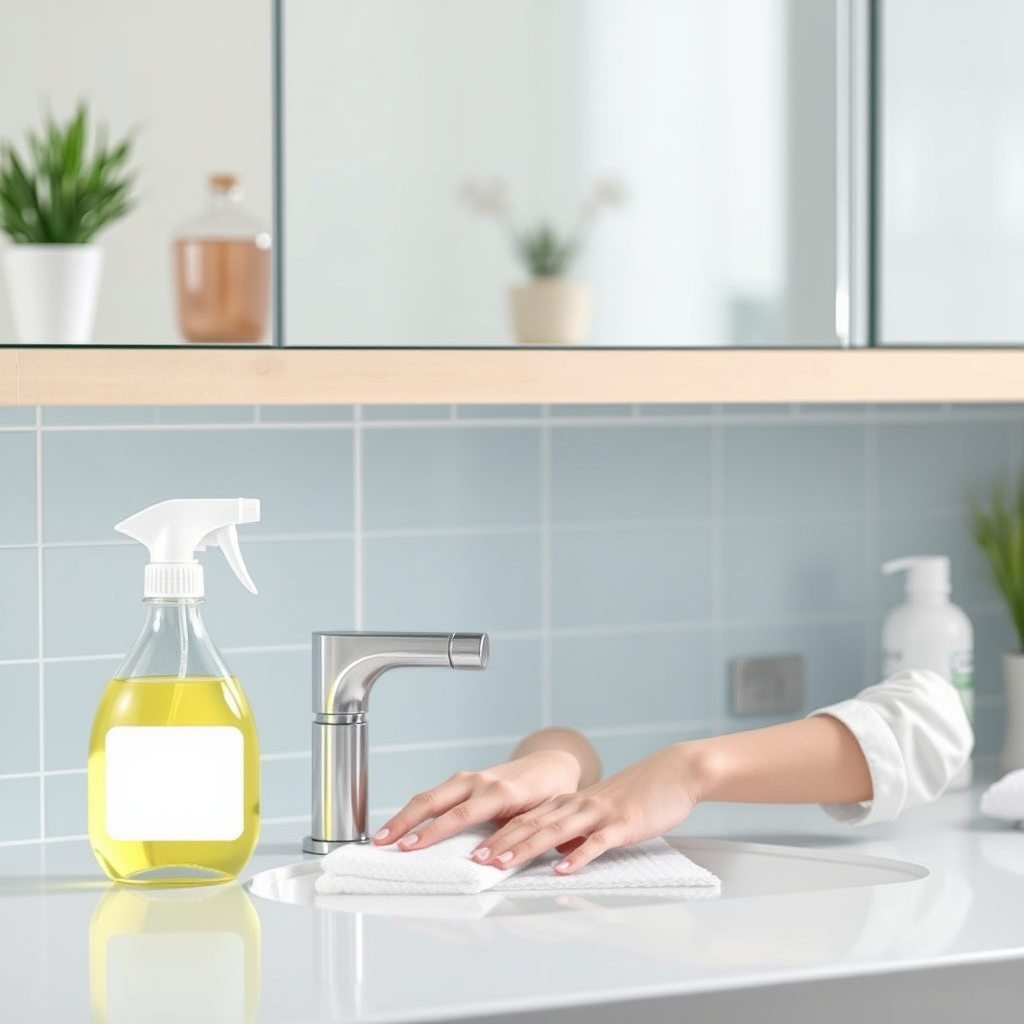
An effective cleaning routine involves a two-step method that emphasizes both cleaning and disinfecting. Start by cleaning surfaces with soap and water or a suitable cleaner to remove dirt and debris. This step is crucial because disinfectants work best on clean surfaces; dirt can impede their effectiveness.
After cleaning, apply a disinfectant according to the product instructions. Pay attention to the recommended contact time, which is the period the disinfectant needs to remain wet on the surface to effectively kill germs. For example, if a disinfectant requires a contact time of five minutes, ensure that the surface remains visibly wet for that duration. This attention to detail can significantly enhance your germ-fighting efforts.
Must-Know Germ Hotspots
In your germ-free living quest, certain areas demand special attention due to their high risk for germ accumulation. In the kitchen, focus on countertops, cutting boards, and frequently used appliances such as microwaves and refrigerators. These surfaces often come into contact with raw food and bacteria, making them critical areas for disinfection.
The bathroom is another germ hotspot that requires diligent cleaning. Concentrate on faucets, toilet handles, and light switches, as these are frequently touched before and after handwashing. In fact, studies show that toilet handles harbor more germs than toilet seats, underscoring the importance of regular disinfection in this area.
Essential Tools for Success
To effectively combat germs, it’s essential to stock up on the right products. Look for EPA-approved disinfectants that are proven to be effective against a broad spectrum of germs, including viruses and bacteria. Products labeled as “broad-spectrum” are particularly useful as they offer protection against multiple types of pathogens.
In addition to cleaning agents, consider investing in disposable cloths for quick clean-ups. Disposable options help prevent the spread of germs that might occur when using reusable cloths. By using these tools strategically, you can achieve a higher level of cleanliness with minimal effort.
Time-Saving Tips
Establishing a balance between daily and weekly cleaning can save time while maintaining a germ-free environment. For instance, while a daily 10-minute clean can focus on high-touch areas, a more thorough weekly clean can address less frequently touched surfaces such as baseboards and light fixtures.
Involving family members in the cleaning process can also expedite efforts. Assign specific areas to each member, allowing everyone to contribute to the cleaning routine. This not only speeds up the process but also instills a sense of responsibility and teamwork within the household.
In summary, with just 10 minutes, you can dramatically reduce germs in your home by focusing on key areas and using the right techniques. Start implementing these strategies today for a cleaner, healthier living space! By prioritizing high-touch areas, utilizing effective cleaning products, and following a systematic routine, you can create a hygienic environment that promotes well-being for you and your family.