The Ultimate DIY Cleaner for Your Attic Today
To clean your attic effectively, consider a simple DIY cleaner that combines vinegar, baking soda, and essential oils. This powerful blend not only removes dust and grime but also eliminates odors, making your attic a fresher space. By utilizing these common household ingredients, you can create an eco-friendly solution that is both effective and safe for your home environment. In this article, we will explore the necessity of attic cleaning, provide a detailed recipe for your DIY cleaner, and share best practices to ensure your attic remains a clean and organized space.
Why Clean Your Attic?
Cleaning your attic is not merely an aesthetic endeavor; it serves multiple practical purposes. First and foremost, regular cleaning helps to prolong the life of stored items. Many homeowners use attics to store seasonal decorations, old furniture, or family heirlooms. Dust, moisture, and pests can damage these items over time, leading to costly replacements. By keeping the attic clean, you safeguard these belongings from deterioration.
Additionally, a clean attic plays a crucial role in preventing pest infestations and mold growth. Attics can often become a haven for rodents, insects, and other unwanted guests if left unchecked. Furthermore, damp conditions can lead to mold, which poses significant health risks. Regular cleaning and maintenance can thwart these problems before they escalate, ensuring a healthier living space.
Ingredients You’ll Need

For your DIY attic cleaner, you will need the following ingredients:
– White vinegar: This natural disinfectant is renowned for its ability to kill germs and bacteria. Its acidic nature allows it to dissolve mineral deposits and cut through grease, making it ideal for cleaning various surfaces. Additionally, vinegar acts as a deodorizer, neutralizing unpleasant odors that can accumulate in the confined space of an attic.
– Baking soda: Known for its versatility, baking soda is a gentle abrasive that helps scrub away grime without scratching surfaces. It also serves as an odor neutralizer, effectively absorbing unwanted smells. Using baking soda in your cleaner not only enhances its scrubbing power but also makes it more effective at deodorizing.
– Essential oils: While optional, adding essential oils can elevate your cleaning experience. Oils like tea tree and lavender possess natural antibacterial properties and provide a pleasant fragrance. Tea tree oil is particularly effective at combating mold and mildew, while lavender oil can create a calming atmosphere, transforming your attic into a more inviting space.
Step-by-Step Instructions

Creating your DIY attic cleaner is simple and requires just a few steps:
1. Combine 1 cup of vinegar and 1 cup of water in a spray bottle. This mixture serves as the base of your cleaning solution, harnessing the disinfecting power of vinegar while diluting it for safe application on various surfaces.
2. Add 1/2 cup of baking soda for extra scrubbing power. As you mix in the baking soda, be prepared for a fizzy reaction. This effervescent action helps to lift dirt and grime, enhancing the effectiveness of your cleaner.
3. Optional: Include a few drops of your chosen essential oil for a pleasant scent. Depending on your preference, you can tailor the fragrance to create a more enjoyable cleaning experience.
Once your mixture is ready, shake the bottle gently to ensure all ingredients are well combined.
Best Practices for Attic Cleaning
To maximize the effectiveness of your cleaning efforts, consider the following best practices:
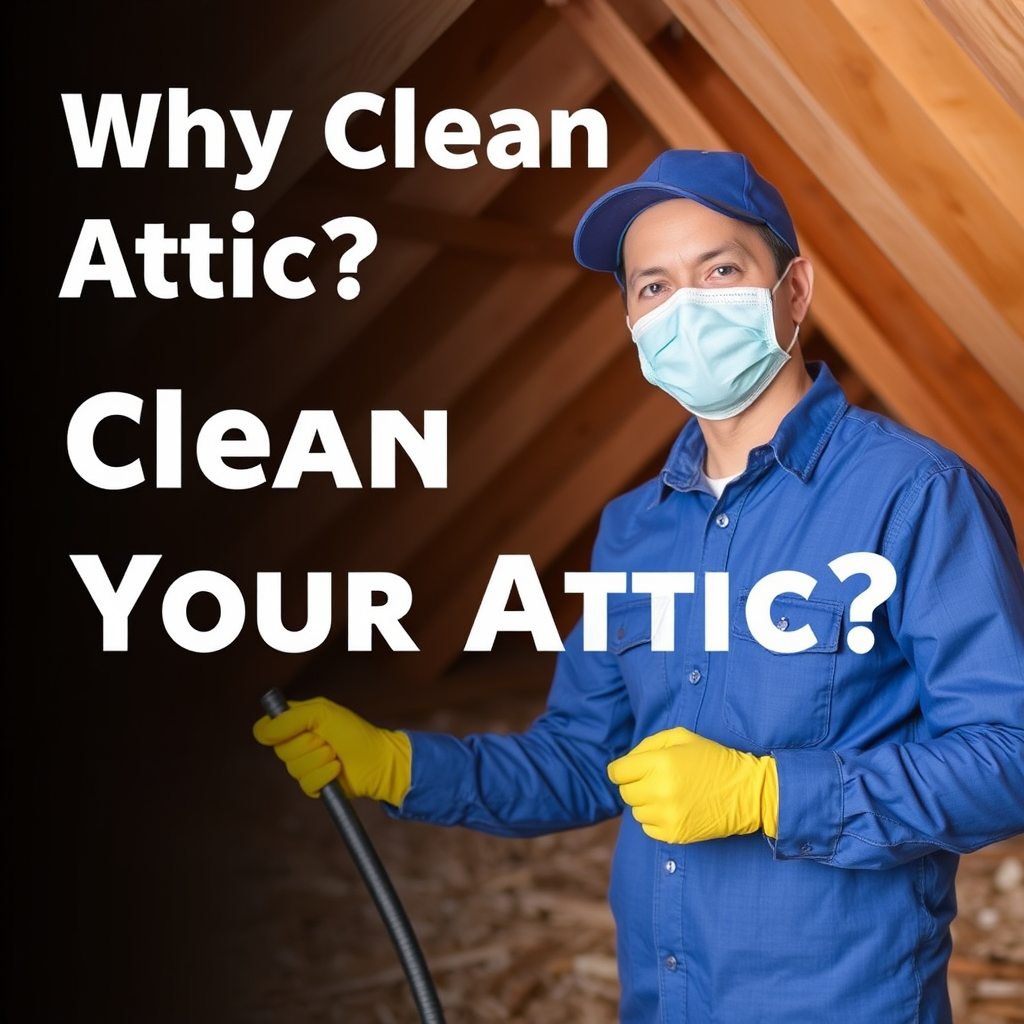
– Wear protective gear: Attics can contain allergens, dust, and potentially harmful materials. Equip yourself with gloves, a mask, and goggles to protect your skin, lungs, and eyes during the cleaning process.
– Start from the top: When cleaning, always begin from the highest points, such as rafters and beams, and work your way down. This method prevents dirt and debris from falling onto already cleaned surfaces, making your efforts more efficient.
– Use a vacuum for dust and debris before applying the cleaner: A vacuum can effectively remove loose dust and cobwebs, ensuring that your cleaning solution can work more effectively on the surfaces that need it.
How to Apply the DIY Cleaner
Now that your cleaner is prepared, follow these steps to apply it effectively:
– Spray the solution generously on surfaces: Focus on areas that show signs of dirt, dust, or stains, including rafters, beams, and any exposed insulation.
– Let it sit for 10-15 minutes to break down grime: This waiting period allows the vinegar and baking soda to penetrate the dirt, making it easier to wipe away.
– Wipe down with a microfiber cloth or sponge: Use a microfiber cloth or sponge to scrub surfaces gently, removing the grime and leaving your attic clean and fresh. For stubborn spots, you may need to apply a bit more cleaner and repeat the process.
Tips for Maintaining a Clean Attic
Once your attic is clean, maintaining that cleanliness is essential:
– Regularly check for leaks or pests: Monitor your attic for any signs of water damage or pest activity. Addressing these issues promptly can prevent larger problems in the future.
– Store items in airtight containers: Using airtight bins helps to protect your belongings from dust and pests. Label containers for easy identification, ensuring a more organized attic.
– Schedule seasonal cleanings to prevent buildup: Setting a regular cleaning schedule, such as every six months, can help keep your attic tidy and manageable. This frequency allows you to address any issues before they become overwhelming.
Common Mistakes to Avoid
While cleaning your attic, be mindful of the following common mistakes:
– Skipping protective gear leading to allergens: Never underestimate the amount of dust and allergens present in an attic. Always wear appropriate protective gear to safeguard your health.
– Using too much cleaner, which can create residue: A common misconception is that more cleaner equals better results. Excessive application can lead to sticky surfaces that attract more dirt.
– Neglecting corners or hard-to-reach areas: Dust and debris often accumulate in corners and behind stored items. Make it a point to clean these areas to ensure thorough cleaning.
Regularly cleaning your attic with this ultimate DIY cleaner not only enhances the space but also ensures the safety and longevity of your stored items. By following the outlined steps and practices, you can transform your attic into a cleaner, healthier environment. Start your cleaning project today for a healthier home environment!