The Ultimate Secret to Clean Kitchen Upholstery Fast
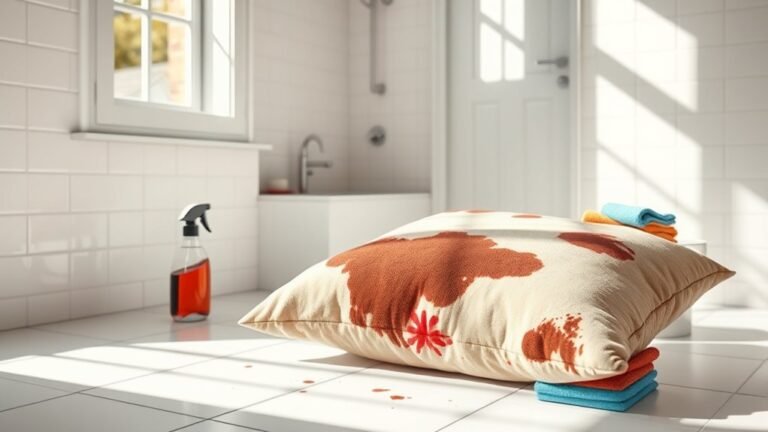
To clean kitchen upholstery effectively, start by vacuuming to remove loose dirt and debris, then use the right cleaning solution based on the fabric type. This method ensures your upholstery stays looking fresh and vibrant, extending its lifespan while maintaining a clean kitchen environment. In this blog post, we will explore different upholstery types, essential tools, proven cleaning techniques, maintenance tips, common mistakes to avoid, and when to seek professional help, all aimed at helping you keep your kitchen upholstery in top condition.
Understanding Your Upholstery Type

Identifying the type of fabric your kitchen upholstery is made from is crucial for effective cleaning. Different materials, such as microfiber, cotton, and leather, require specific cleaning methods tailored to their unique properties. For instance, microfiber is generally resistant to stains and can often be cleaned with just water and mild soap, while cotton may require a more delicate approach to avoid shrinkage or discoloration. Leather, on the other hand, should be treated with leather-specific cleaners to maintain its suppleness and avoid cracking.
Always check the care labels affixed to your upholstery. These labels provide essential information about the cleaning methods that are safe for your specific fabric. By adhering to these guidelines, you can tackle stains and dirt without jeopardizing your upholstery’s integrity.
Essential Tools for the Job

When it comes to cleaning kitchen upholstery, having the right tools at your disposal makes all the difference. A vacuum cleaner equipped with a handheld or upholstery attachment is essential for removing dust, crumbs, and other debris from your furniture. Regular vacuuming helps prevent the accumulation of dirt that can lead to more significant cleaning issues over time.
In addition to a vacuum, it’s important to stock up on fabric-specific cleaning solutions tailored to your upholstery type. For an eco-friendly option, consider using white vinegar and baking soda, both of which are effective for lifting stains and odors. A spray bottle for applying cleaning solutions, soft cloths for wiping surfaces, and a brush for scrubbing are also valuable tools for this task.
Proven Cleaning Techniques
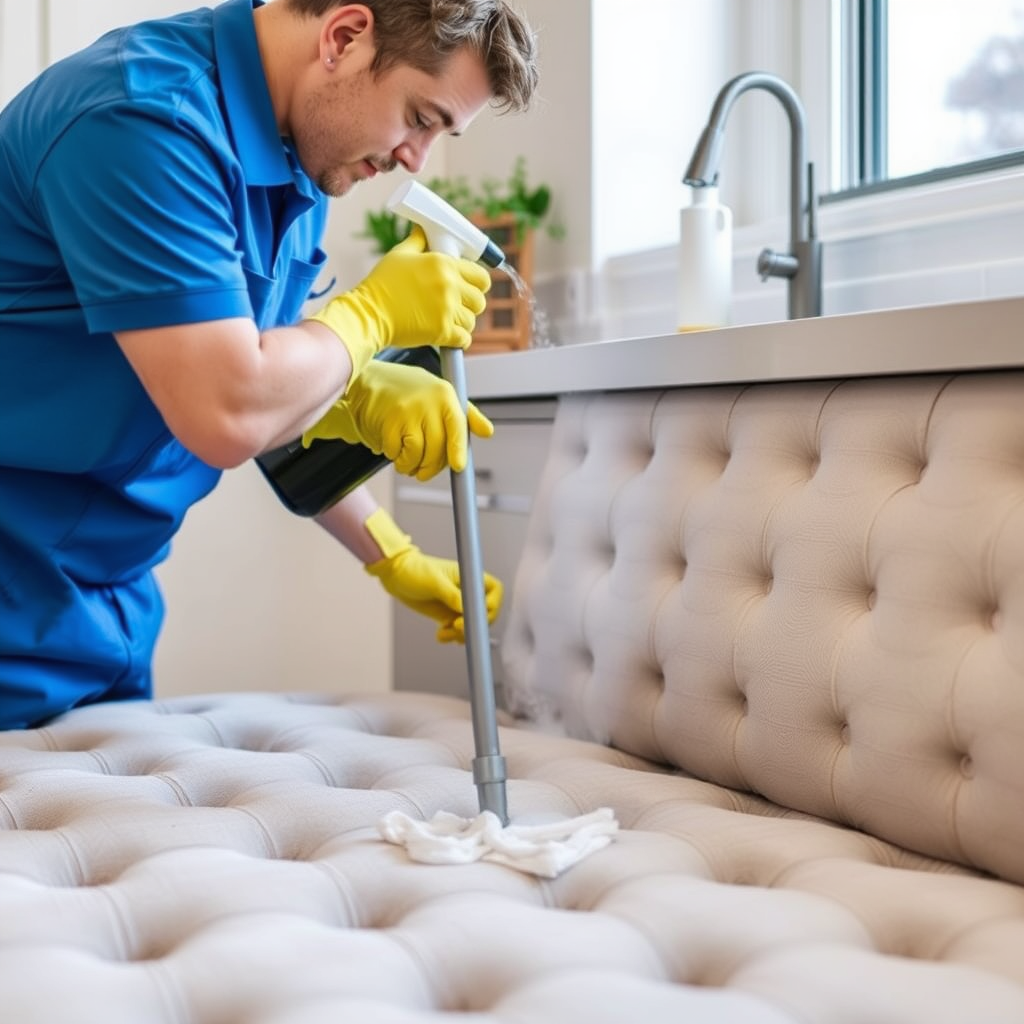
Cleaning upholstery can range from simple spot cleaning to more thorough deep cleaning methods. Spot cleaning is crucial for addressing stains as soon as they occur. When faced with a spill, blot the area immediately with a damp cloth and apply the appropriate cleaner for the fabric type. For example, using a mixture of water and dish soap can be effective for many fabrics, but always test on a hidden area first.
For a deeper clean, consider steam cleaning or employing a water-based upholstery cleaner. Steam cleaning not only sanitizes the fabric but also helps lift embedded dirt and allergens. If you opt for a commercial cleaner, ensure it is suitable for your specific upholstery type, as some products can cause damage if misapplied.
Must-Know Maintenance Tips
Regular maintenance is key to prolonging the life of your kitchen upholstery. Aim to vacuum your upholstery at least once a week to prevent dirt buildup. This simple routine helps keep your furniture looking fresh and can reduce the frequency of deep cleaning sessions.
Additionally, consider applying a fabric protector spray after cleaning. These sprays create a barrier that repels stains and spills, making it easier to clean up accidents before they become permanent. Look for protectors that are specifically designed for your fabric type for optimal results.
The Top Mistakes to Avoid
While cleaning upholstery, several common mistakes can undermine your efforts. One significant error is over-wetting the fabric during cleaning. Excess moisture can lead to mold growth and damage the upholstery. Always use a damp cloth rather than soaking the fabric, and ensure it dries thoroughly afterward.
Another critical mistake is using the wrong cleaning products. Harsh chemicals, such as bleach, can cause discoloration and deterioration of the fabric. Always read the labels and make sure any product you use is safe for your specific upholstery type. If unsure, it’s best to consult the manufacturer’s instructions or seek advice from a professional.
When to Seek Professional Help
Despite best efforts, some stains may prove stubborn and resistant to DIY cleaning methods. If you encounter persistent stains that don’t lift with your usual techniques, it may be time to consider professional upholstery cleaning services. These experts have access to specialized equipment and cleaning solutions that can effectively address even the most challenging stains.
Additionally, if your upholstery is heavily soiled or has not been cleaned in a long time, professional cleaning can restore it to its former glory. Regular professional cleaning, typically recommended every 1-3 years depending on usage, can significantly extend the life of your kitchen upholstery.
In conclusion, keeping your kitchen upholstery clean doesn’t have to be complicated. By understanding your upholstery type, utilizing the right tools and techniques, and maintaining a regular cleaning routine, you can ensure your furniture remains vibrant and fresh. Avoiding common mistakes and knowing when to seek professional help will further enhance your cleaning efforts. Start implementing these tips today for a cleaner kitchen environment and enjoy the benefits of well-maintained upholstery!