The Ultimate Secret to Cleaning Dust Floors Fast
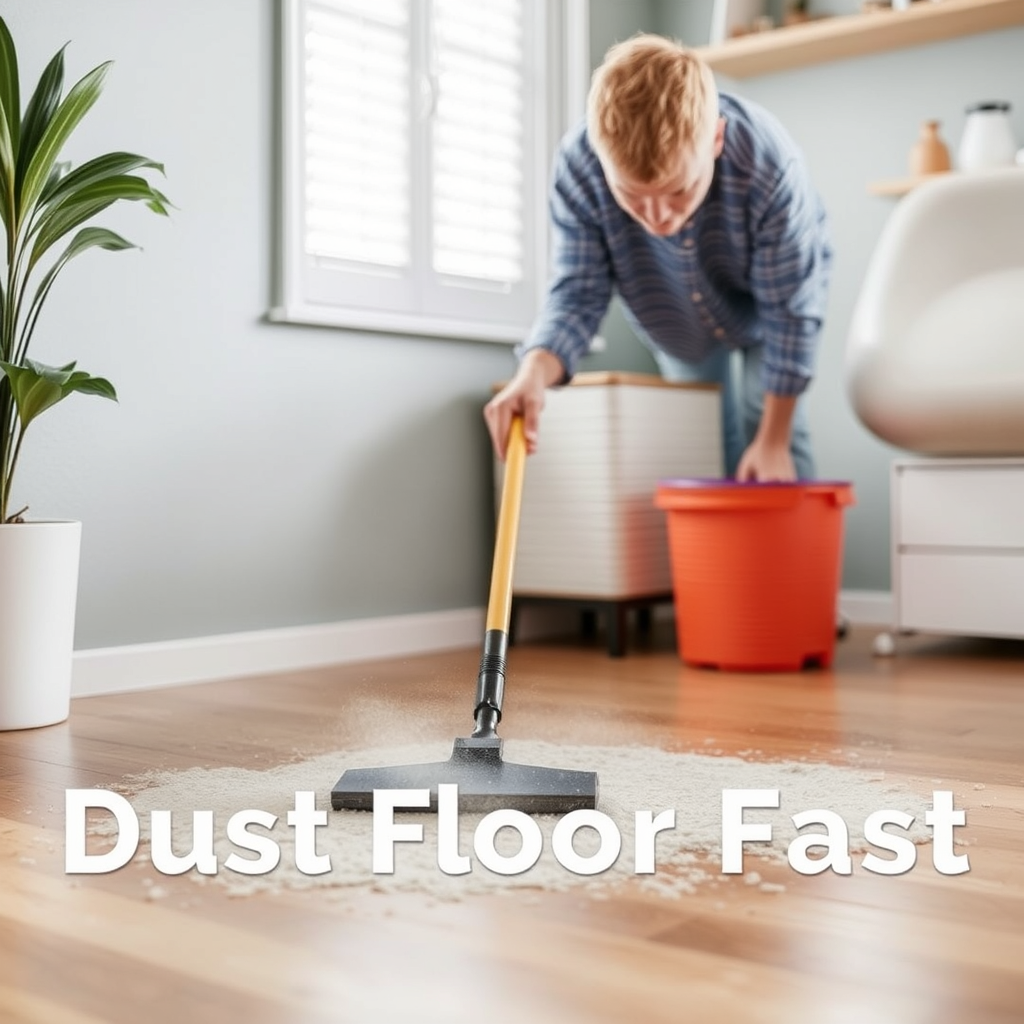
To effectively clean dust floors, start with a good sweeping or vacuuming, followed by mopping with a suitable solution. This two-step approach ensures a dust-free and sparkling finish, enhancing the overall cleanliness of your space. By understanding your floor type and using the right tools and techniques, you can significantly reduce dust accumulation and maintain a healthier living environment.
Understand Different Floor Types
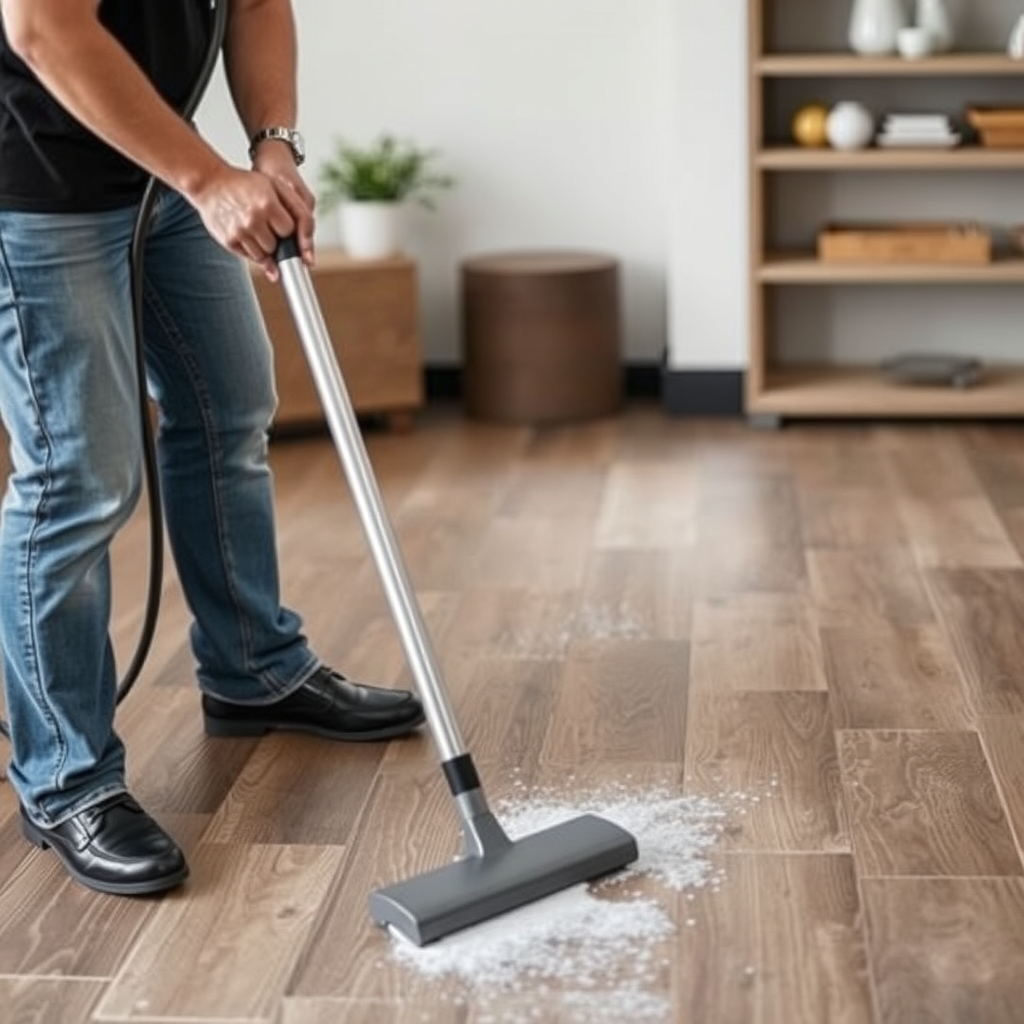
Knowing the type of flooring in your home is crucial for effective cleaning, as different materials require unique care. Common floor types include hardwood, tile, laminate, and carpet, each demanding specific cleaning methods.
For hardwood floors, opt for a gentle, pH-balanced cleaner to prevent damage to the finish. Tile floors, with their grout lines, may require a more robust solution capable of tackling dirt and mildew. Laminate floors, while durable, can be sensitive to moisture, so it’s best to use a damp mop with a designated laminate cleaner. Researching these appropriate cleaning solutions ensures that you don’t inadvertently harm your floors while cleaning.
Gather Essential Cleaning Tools
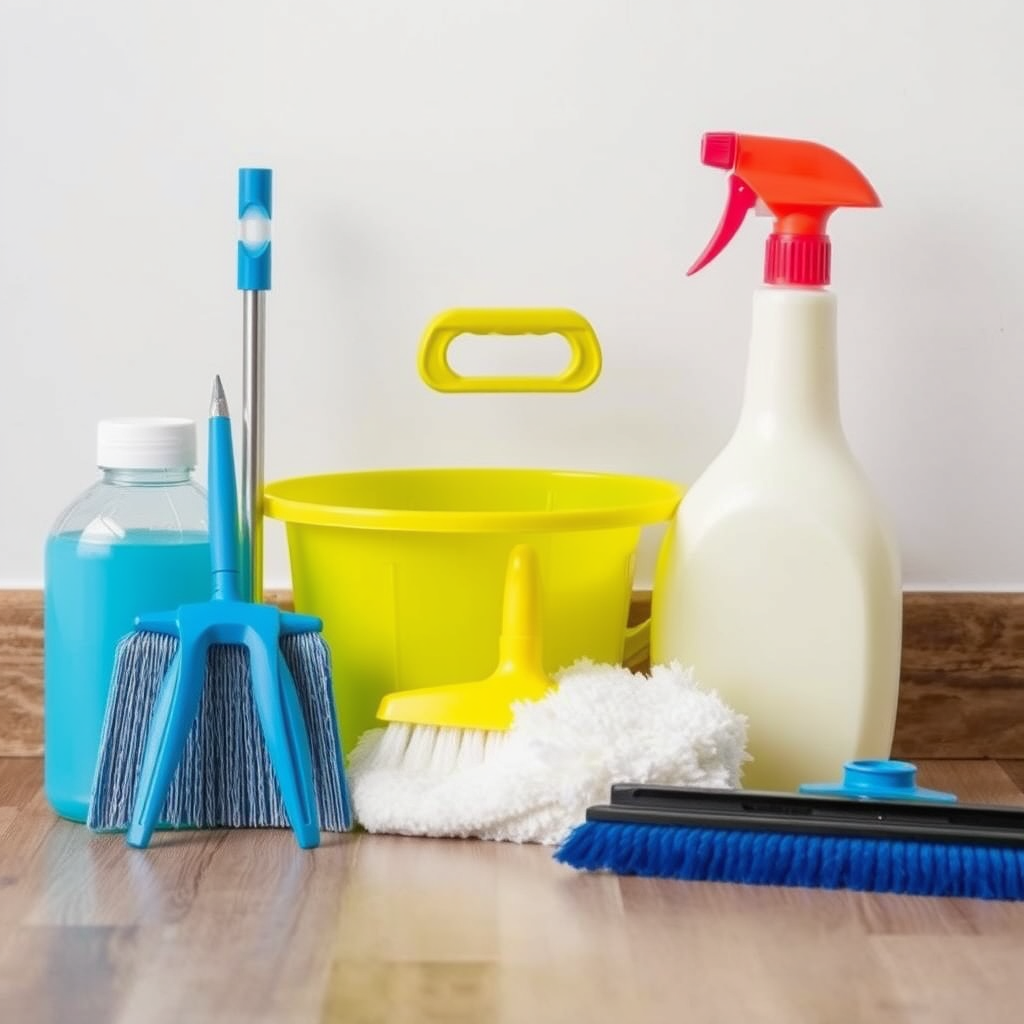
The right tools can make all the difference in your cleaning efficiency. Start with a high-quality broom or vacuum tailored to your floor type. For example, a soft-bristled broom is ideal for hardwood, while a vacuum with a beater bar works best on carpets.
In addition to these basics, investing in microfiber mops or dusters is essential. Microfiber effectively traps dust and dirt rather than pushing it around, which is particularly important for maintaining the cleanliness of hard floors. A microfiber cloth can also be used for quick dusting of surfaces and furniture, complementing your floor cleaning routine.
Master the Art of Sweeping

Sweeping may seem straightforward, but employing a systematic approach can yield better results. Start from the farthest corner of the room and work your way towards the exit, ensuring you don’t miss any spots. This method not only streamlines the process but also prevents you from walking over freshly cleaned areas.
When collecting dust and debris, use a dustpan with a rubber edge. This design minimizes the chance of dirt escaping during collection, ensuring that you’re efficient and thorough. Moreover, consider sweeping at least once a week in low-traffic areas, and more frequently in high-traffic spaces, to keep dust levels manageable.
Vacuuming Techniques for Dust Control
Vacuuming is a powerful ally in the battle against dust. To maximize its effectiveness, use a vacuum equipped with a HEPA filter, which captures small dust particles, allergens, and pet dander. This is especially important for households with allergy sufferers, as it improves indoor air quality.
When vacuuming, don’t overlook corners and edges; these areas are often neglected but can harbor significant dust. Attachments such as crevice tools and upholstery brushes can help reach tight spots and furniture surfaces, ensuring a comprehensive clean. Regular vacuuming, ideally once a week or more during peak dust seasons, will significantly reduce dust buildup.
Mopping: The Final Touch
Mopping serves as the perfect finishing touch to your cleaning routine. Selecting the right cleaning solution is crucial; for many surfaces, a simple mixture of hot water and diluted vinegar is both effective and environmentally friendly. However, always ensure that the solution is suitable for your specific floor type to avoid damage.
When mopping, employ a figure-eight pattern to ensure complete coverage without leaving streaks. Begin in one corner of the room and work your way out, rinsing the mop frequently to prevent spreading dirt. This method not only cleans the floor but also revitalizes its appearance, leaving it looking polished and fresh.
Frequency Matters: Establish a Routine
Establishing a cleaning routine is vital for maintaining dust-free floors. Assess the foot traffic in your home to determine the frequency of your cleaning schedule. High-traffic areas, such as entryways and living rooms, may require daily or every-other-day cleaning, while less-trafficked rooms can be cleaned weekly.
Incorporating daily light cleaning tasks, such as quick sweeping or spot vacuuming, can significantly reduce dust accumulation over time. Creating a checklist can help streamline your routine, ensuring that no area is overlooked and keeping your home consistently clean.
Tips for Preventing Dust Accumulation
Prevention is often the best strategy for managing dust in your home. Implementing a few simple practices can drastically reduce the amount of dust that accumulates between cleanings.
Using doormats at entrances can effectively trap dirt and dust before it enters your home. Encourage family members and guests to wipe their feet thoroughly before stepping inside. Additionally, consider keeping windows closed on windy days to minimize dust infiltration from outside.
Regularly dusting surfaces, including shelves and baseboards, can also help reduce the amount of dust that settles on your floors. A quick weekly dusting session can prevent dust from accumulating and becoming a more significant cleaning challenge later on.
Maintaining dust-free floors is achievable with the right techniques and tools. By following these essential steps, you can enjoy a cleaner, healthier living environment. Start implementing these tips today for a noticeable difference!