

To clean bronze jewellery, start by gathering soft cloths, mild soap, and a soft-bristle brush. Mix warm water with a few drops of dish soap and soak the jewellery for a few minutes. Gently scrub with the brush, then rinse under lukewarm water. For tarnish, create a paste of baking soda and water or use vinegar. Buff with a jewellery polishing cloth for shine. With the right methods, you’ll restore your jewellery’s beauty—discover more tips on effective cleaning!
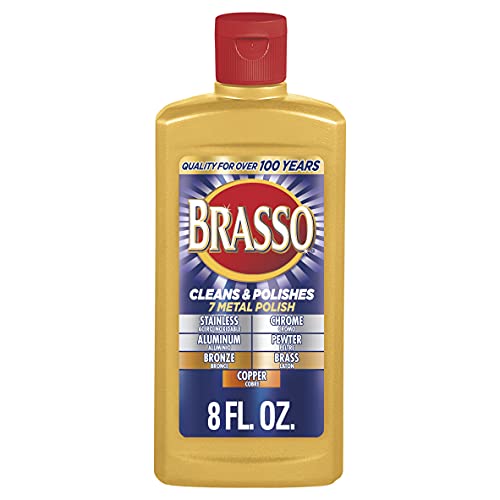

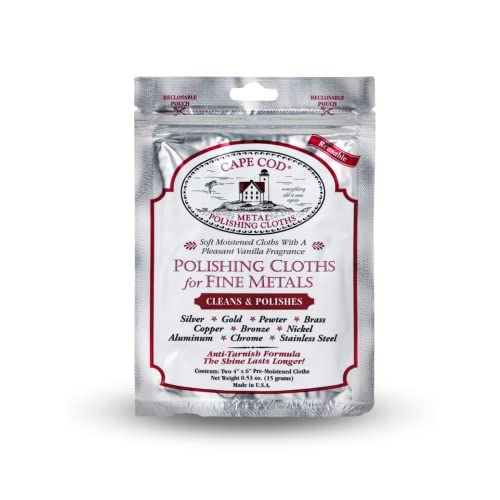
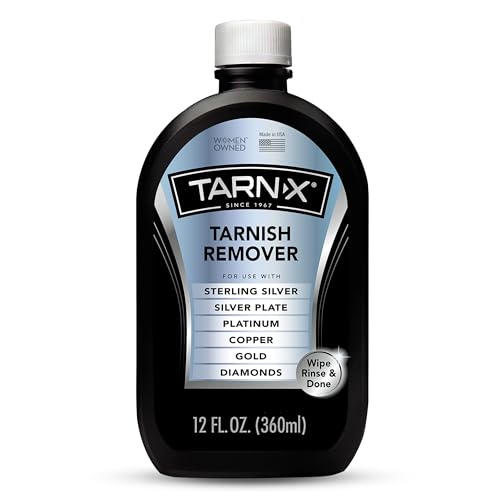
Preparation For Cleaning

Before you start cleaning your bronze jewellery, it’s essential to gather all the necessary supplies to guarantee an effective and safe process. First, choose the cleaning methods that work best for your items, whether it’s a gentle soap solution or a specialized bronze cleaner. You’ll also need soft cloths, a toothbrush for intricate areas, and a bowl for rinsing. Make sure you’re working in a well-lit space to spot any tarnish or dirt. Additionally, consider wearing gloves to protect your skin and avoid further oxidation on the bronze. Finally, familiarize yourself with bronze care tips to maintain its beauty and longevity. By preparing adequately, you’ll make the cleaning process smoother and more efficient, allowing your jewellery to shine brightly once again.
Tools and Chemical Required

When it comes to cleaning bronze jewellery, having the right tools and chemicals at your disposal is essential for achieving the best results. You’ll need effective cleaning solutions and polishing cloths to restore your pieces to their original shine.
Here’s a quick reference table to guide you:
| Tools/Chemicals | Purpose |
|---|---|
| Soft-bristle brush | Removes dirt and debris |
| Mild soap solution | Cleans without damaging the metal |
| Vinegar and baking soda | Natural cleaning solution |
| Polishing cloths | Buffs and shines the jewellery |
How to Clean:

Step 1: Gather Your Cleaning Supplies
- Soft Cloth: Use a lint-free, soft cloth for gentle polishing to avoid scratching the surface of your bronze jewellery.
- Mild Soap Solution: Prepare a mixture of warm water and a few drops of mild dish soap for deeper cleaning.
- Baking Soda or Vinegar: These are effective for removing tarnish; choose one based on your preference.
- Jewellery Polishing Cloth: This is ideal for giving your pieces a shiny finish after cleaning.
Step 2: Initial Wipe Down
- Use the Soft Cloth: Begin by gently wiping your bronze jewellery with the soft cloth. This will help remove any surface dirt and oils.
- Focus on Crevices: Pay extra attention to intricate designs and crevices where dirt can accumulate.
Step 3: Deep Cleaning
- Prepare the Soap Solution: Mix warm water with a few drops of mild dish soap in a small bowl.
- Soak the Jewellery: Dip your bronze pieces into the solution for a few minutes, allowing the soap to break down any tougher grime.
- Scrub Gently: Use the soft cloth or a soft-bristle toothbrush to gently scrub the jewellery, ensuring you clean all areas thoroughly.
- Rinse and Dry: After cleaning, rinse the jewellery under lukewarm water to remove any soap residue. Dry it completely with a clean soft cloth.
Step 4: Tackling Tarnish
- Create a Paste: If tarnish remains, mix baking soda with a small amount of water to form a paste or use vinegar directly.
- Apply the Paste: Using a soft cloth or your fingers, apply the paste gently to the tarnished areas of the jewellery.
- Buff the Surface: Rub the paste in circular motions, then rinse thoroughly to remove all residue.
- Dry Completely: Ensure the jewellery is completely dry after cleaning to prevent new tarnish from forming.
Step 5: Final Polishing
- Use the Polishing Cloth: After cleaning, take a jewellery polishing cloth to give your pieces a final buff. This will enhance their shine and luster.
- Focus on Details: Make sure to polish all areas, including intricate designs, to achieve a uniform shine.
Step 6: Proper Storage
- Choose a Dry Place: Always store your bronze jewellery in a dry and cool location to minimize the risk of tarnish.
- Use Anti-Tarnish Materials: Consider using anti-tarnish pouches or cloths, or store your jewellery in a tarnish-resistant box to keep it looking its best.
To maintain your jewellery’s condition, avoid using harsh chemicals or abrasive materials, as harsh detergents can wear down surfaces and cause damage over time.
Safety Consideration
While cleaning bronze jewellery can enhance its beauty and prolong its lifespan, it’s important to contemplate safety precautions to protect both yourself and your items. First, wear appropriate safety gear, such as gloves and goggles, to shield your skin and eyes from potential irritants in cleaning solutions. If you’re sensitive to certain materials, be mindful of allergy awareness; some cleaning agents might trigger reactions. Always work in a well-ventilated area to avoid inhaling fumes. Before applying any cleaner, test it on a small, inconspicuous area of your jewellery to verify it won’t cause damage. Taking these steps helps you enjoy the cleaning process while safeguarding your health and your cherished pieces. Stay safe and clean responsibly!
Frequently Asked Questions
How Often Should I Clean My Bronze Jewellery?
You should clean your bronze jewellery every few weeks, depending on how often you wear it. If you’re active or expose it to sweat, aim for more frequent cleanings. Regular maintenance helps prevent tarnishing and keeps your pieces looking their best. When cleaning, use gentle methods to avoid damaging the surface. Consider storing your jewellery in a cool, dry place to minimize oxidation and maintain its shine. Regular care guarantees your pieces remain beautiful and vibrant.
Can I Use Vinegar on Bronze Jewellery?
Can you really use vinegar on bronze jewellery? Absolutely! Vinegar’s benefits include its ability to effectively clean and remove tarnish. However, it’s important to be cautious; prolonged exposure can damage the finish. If you’re seeking cleaning alternatives, consider mild soap or specialized metal cleaners for a gentler touch. Just remember, while vinegar’s great for a quick clean, you might want to save it for occasional use to preserve your jewellery’s beauty.
What Is the Best Way to Store Bronze Jewellery?
The best way to store bronze jewellery is in protective pouches or display cases. These options help prevent scratches and tarnishing. If you choose pouches, opt for ones lined with soft fabric to cushion your pieces. Display cases can showcase your jewellery while keeping it safe from dust and moisture. Always keep your bronze jewellery in a cool, dry place, away from direct sunlight, to maintain its beauty and integrity over time.
Will Cleaning Remove the Patina From My Bronze?
Cleaning your bronze jewellery can sometimes feel like erasing a masterpiece! While some cleaning techniques can remove the patina, others are designed for patina preservation. If you prefer to maintain that beautiful aged look, use gentle cleaning methods, like a soft cloth or a mild soap solution, avoiding harsh chemicals. Always test in a small area first. Embrace your jewellery’s unique character, and it’ll continue to tell its story beautifully.
How Can I Prevent Tarnishing on Bronze Jewellery?
To prevent tarnishing on your bronze jewellery, consider a few preventative measures. Store pieces in a cool, dry place, away from humidity and direct sunlight. Use anti-tarnish pouches or cloths for extra protection. Regular maintenance tips include lightly polishing with a soft cloth and applying a thin layer of clear nail polish on areas prone to wear. By consistently following these practices, you can enjoy your jewellery’s beauty without worrying about tarnish.

[…] “Proper storage (flat/according to manufacturer guidance) helps prevent warping, which otherwise changes bevel contact and scratch pattern consistency.” —Stone-care guidance from abrasive manufacturers (general) “Regular maintenance reduces heavy clogging episodes, minimizing how often you need to remove surface material via flattening.” —Workshop best practices for abrasive stone longevity […]
[…] to soften the burnt residue. For stubborn brown spots, use a non scratch sponge and a paste of baking soda and water, working in circular motions. Rinse thoroughly and dry immediately to prevent water spots, and skip […]
[…] cleanser, and scrub in the direction of the grain. For heavy browning, you can use a paste of baking soda and water, let it sit for a short time, then scrub and rinse […]
[…] residue that can irritate skin. If odor remains, do an extra rinse cycle or soak briefly in a baking soda and water solution before the next wash. Always check the underwear’s material (cotton, microfiber, etc.) […]
[…] then scrub with a brass brush to lift the loosened oxidation. For stubborn spots, make a paste of baking soda and water to gently abrade the surface without aggressive scratching. Rinse with clean water, dry right away, […]
[…] keeping the card in a protective case when not in use. Also limit unnecessary reformatting, ensure proper storage temperature, and regularly check the card for read/write […]
[…] by identifying your teapot material (stainless steel, ceramic, glass, or cast iron), since cleaning methods differ. For most surfaces, mix warm water with a small amount of mild dish soap and gently scrub […]
[…] deck safer to walk on, particularly when it’s wet. By removing buildup and using appropriate deck cleaning methods, you help preserve the deck’s finish and extend the time before needing refinishing or […]
[…] in the bristles—use a brush rest or store brushes in water or cleaner appropriate for acrylic. Proper storage with bristles shaped and dried helps maintain brush […]
[…] same thrift pair can feel fine for one person and irritating for another—even in 2024–2026 when cleaning methods are widely […]
[…] removes everyday grime without dulling the finish. For stuck-on food or greasy residue, a paste of baking soda and water works as the fastest safe scrub. If you want cutlery that stays shiny, avoid harsh abrasives and […]
[…] several hours (or overnight for heavy odors), then rinse thoroughly. You can also use a paste of baking soda and water on stubborn spots, gently rubbing with a soft cloth. Make sure the container is completely dry […]
[…] with a stiff brush to lift sticky food or drink spills. For stubborn residue, apply a paste of baking soda and water (or a small amount of degreasing cleaner) and let it sit briefly before scrubbing again. Rinse […]
[…] and harsh chemicals that can leave conductive residue. This guide walks you through preparation, cleaning methods, careful drying, and inspection so your PCB (printed circuit board) regains performance without […]