How Much to Clear Coat a Car
To clear coat your car, you can expect to spend anywhere between $150 and $1,000. The cost varies based on your vehicle’s size and the quality of materials used. It’s vital to prepare properly before applying the clear coat, including cleaning and inspecting the surface. Using the right tools and chemicals will guarantee a smooth, even finish. There’s more to keeping your car looking fresh and shiny, so let’s explore those essential steps next.
##
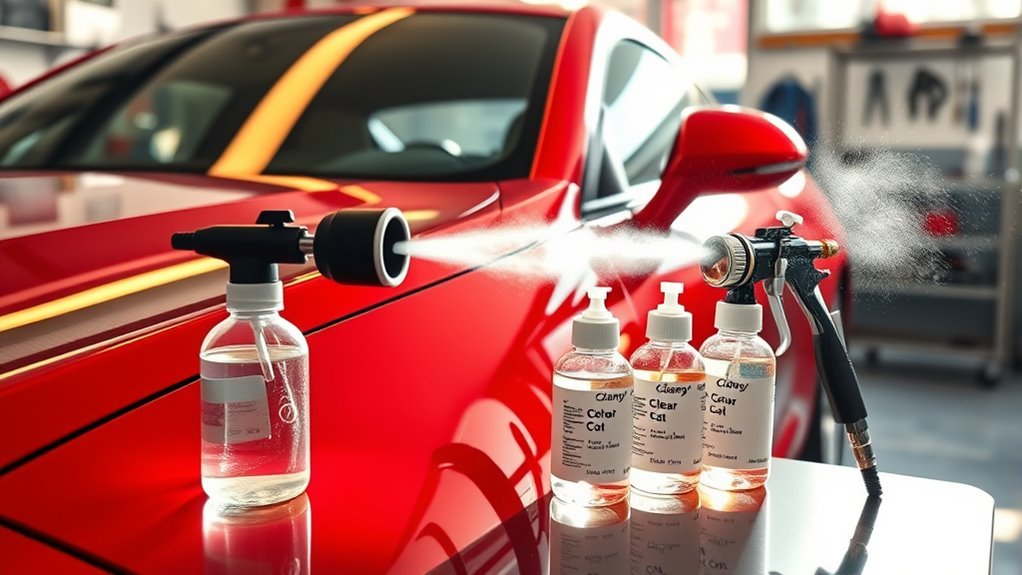
If you’re looking to maintain your car’s pristine finish and achieve that coveted showroom shine, you’ve come to the right place. In this article, we will explore the essential aspects of clear coating, including a detailed cost breakdown, the various application techniques, and the impact of materials on the final result. Whether you’re considering professional services or contemplating a DIY approach, we’ll provide you with the information you need to make an informed decision that will protect your vehicle against the elements and keep it looking fresh for years to come.
Preparation For Cleaning
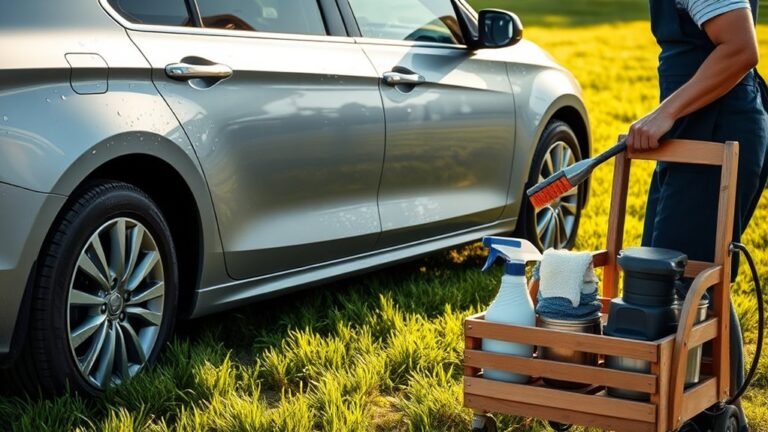
Before diving into the cleaning process, it’s essential to prepare your car properly to guarantee ideal results. Start by selecting a shaded area to prevent drying spots on your car surface. Next, remove any loose dirt and debris using a soft brush or microfiber cloth. This step is vital because it prevents scratches during the cleaning process. Assess the condition of your paint; if you notice any contaminants like tree sap or tar, you may need specific cleaning techniques to address those issues. Make sure to cover any sensitive areas, like trim or decals, to avoid damage. With your car prepped, you’ll set yourself up for a successful and satisfying cleaning experience that leads to a beautiful finish. Using microfiber cloths helps trap dust and grime effectively without scratching the surface.
Tools and Chemical Required

With your car prepared for cleaning, the next step involves gathering the right tools and chemicals to guarantee an effective clear coat application. You’ll need a few essentials to achieve that flawless finish. Here’s a handy list to help you get started:
| Tool/Chemical | Purpose |
|---|---|
| Clear Coat Spray | Main protective layer |
| Spray Gun | For even application |
| Sandpaper (2000 grit) | Smoothing surface imperfections |
| Masking Tape | Protects areas not to be coated |
| Wax & Polish | Final touch for shine |
Utilizing these tools and application techniques will make certain your clear coat bonds properly and lasts longer, giving your car that fresh-off-the-lot look. Enjoy the freedom of a well-protected vehicle!
How to Clean:
How to Clean Your Car: A Step-by-step Guide
Cleaning your car properly is essential to ensure that the clear coat adheres effectively and provides maximum protection. Follow these detailed steps for a thorough car cleaning.
Step 1: Gather Your Supplies
- pH-balanced car soap: Avoid household cleaners that can harm the paint.
- Microfiber cloths: These are essential for drying without scratching the surface.
- Clay bar: Helps remove stubborn contaminants like tar or tree sap.
- Wheel cleaner: Specifically designed for tires and wheels.
- Wax or sealant: To add a protective layer after detailing.
Step 2: Wash the Exterior
- Rinse the car: Start by rinsing off any loose dirt and debris with water.
- Mix the soap: Follow the instructions on the pH-balanced car soap to prepare the solution.
- Wash one section at a time: Use a microfiber wash mitt and start from the top of the car downwards.
- Rinse frequently: Rinse the wash mitt often to prevent scratching.
- Final rinse: After washing the entire car, give it a final rinse to remove all soap.
Step 3: Dry the Car
- Use microfiber cloths: Gently dry the car using clean microfiber cloths to avoid scratching.
- Pat, don’t rub: Pat the surface dry rather than rubbing to prevent potential damage.
Step 4: Inspect for Contaminants
- Check the surface: Once the car is dry, inspect for contaminants like tar, tree sap, or industrial fallout.
- Use a clay bar: If you find any stubborn residues, use a clay bar with a lubricant designed for this purpose to gently remove them.
Step 5: Clean the Wheels and Tires
- Apply wheel cleaner: Spray a wheel cleaner specifically designed for the material of your wheels.
- Scrub the wheels: Use a separate brush or cloth to scrub the wheels and tires, removing grime and brake dust.
- Rinse thoroughly: Make sure to rinse off all the cleaner from the wheels and tires.
Step 6: Apply Wax or Sealant
- Choose a wax or sealant: Select a product that suits your preference for protection and shine.
- Apply evenly: Using a clean microfiber applicator, apply the wax or sealant in circular motions across the surface.
- Allow to haze: Let the product sit for the recommended time until it hazes over.
- Buff to shine: Use a clean microfiber cloth to buff the surface to a high shine, removing any excess product.
Step 7: Final Inspection
- Check for missed spots: Inspect the car thoroughly for any areas that may have been overlooked.
- Touch up if necessary: If you find any missed spots, repeat the cleaning or waxing process in those areas.
Conclusion
This meticulous cleaning process not only enhances the appearance of your car but also guarantees that your clear coat performs at its best, allowing you to enjoy your ride with confidence. Using microfiber cloths throughout the cleaning stages helps prevent scratches and ensures a streak-free finish on your car’s surface.
Safety Consideration
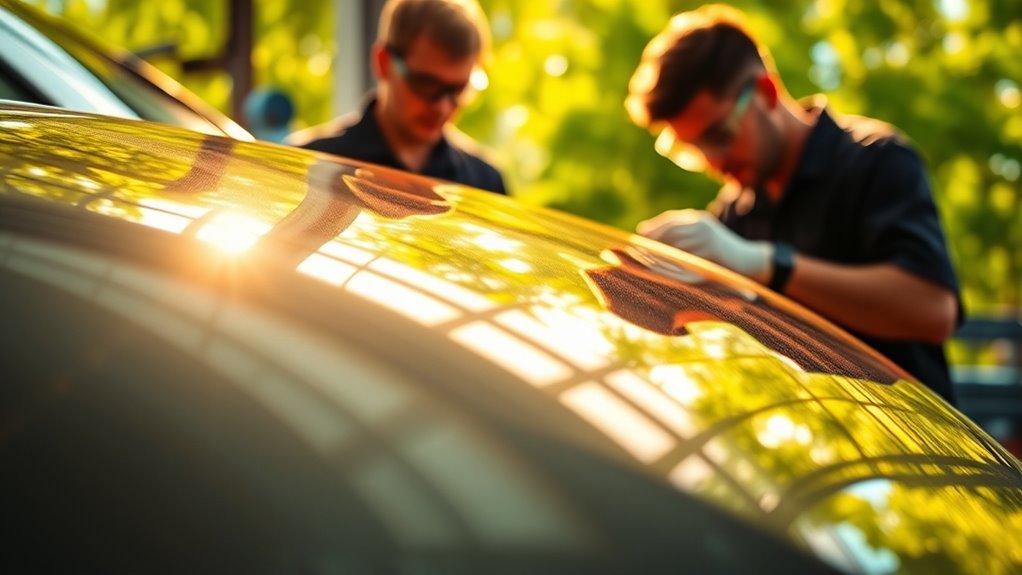
When it comes to applying a clear coat to your car, prioritizing safety is essential. You’ll be working with chemicals that can be harmful if you’re not careful. Make sure you wear appropriate safety gear, including gloves, goggles, and a respirator to minimize chemical exposure. This gear isn’t just a suggestion; it’s a necessity to protect your skin, eyes, and lungs from harmful fumes and splashes. Ascertain you’re in a well-ventilated area, ideally outdoors or in a space with proper airflow, to further reduce risks. Remember, taking these precautions not only keeps you safe but also allows you to enjoy the freedom of enhancing your vehicle without worrying about harmful side effects. Stay safe and paint with confidence!
Tips to keep clean for long time
Although you may have applied a fresh clear coat to your car, maintaining that pristine finish requires ongoing care to keep it looking great for years. Start by washing your car regularly using a pH-balanced soap to avoid damaging the clear coat. Consider incorporating effective waxing techniques every few months; high-quality wax provides an additional layer of protection. Don’t forget to apply protective coatings, like sealants, which can enhance durability and shine. Avoid parking under trees or near construction sites, as debris can scratch the surface. If you notice any blemishes, address them promptly to prevent further damage. By taking these steps, you’ll enjoy the freedom of a beautiful, well-maintained vehicle that turns heads wherever you go. Additionally, using gentle cleaning products helps preserve the clear coat and prevents surface damage over time.
Frequently Asked Questions
How Long Does Clear Coat Application Take to Dry?
Clear coat application typically takes about 30 minutes to an hour to dry to the touch, but the curing process can take up to 24 hours or more for a full hardening. During this time, it’s essential you don’t rush things; allowing adequate drying time guarantees a durable finish. Temperature and humidity can also affect drying time, so keep those factors in mind as you wait for your car’s new shine to set perfectly.
Can I Apply Clear Coat in Humid Weather?
You can apply clear coat in humid weather, but it’s risky. High humidity can affect the clear coat application, causing it to dry slowly or create imperfections like bubbles. If the humidity’s too high, you might end up with a less-than-perfect finish, and that’s not what you want, right? To guarantee a smooth application, try to work in cooler, less humid conditions. Your car deserves that flawless shine!
What Is the Cost of Professional Clear Coat Services?
Professional clear coat services typically range from $300 to $1,000, depending on your vehicle’s size and the quality of materials used. Clear coat pricing may also vary based on your location and the shop’s reputation. It’s important to choose a reputable service to guarantee durability and a flawless finish. Don’t hesitate to get multiple quotes to find the best fit for your needs while assuring you achieve that freedom of a protected, shiny car!
How Many Coats of Clear Coat Should I Apply?
You should typically apply two to three coats of clear coat for ideal protection and shine. Start with a thinner first coat to guarantee proper adhesion, then follow up with thicker subsequent layers. Consider using different clear coat types based on your desired finish—gloss or matte, for instance. Employing proper application techniques, like spray or roll-on, can enhance durability and appearance, giving your car that freedom to shine brilliantly on the road.
Is It Possible to Remove Clear Coat Later?
When it comes to clear coat removal, it’s not always easy to undo your work. While you can strip the clear coat off, it often requires sanding or using a chemical remover, which can damage the underlying paint if you’re not careful. If you’re looking for clear coat alternatives, consider options like ceramic coatings that offer protection without the commitment of a traditional clear coat. Always weigh your choices before taking the plunge!