The Ultimate Deep Cleaning Guide for Baby Floors
To ensure your baby’s safety and health, deep cleaning baby flooring is essential. Regular maintenance helps remove harmful allergens and bacteria, creating a safe play environment. This guide provides the best practices for deep cleaning various types of baby flooring, ensuring peace of mind for parents everywhere. By following these steps, you can create a clean and inviting space for your little one to explore and play.
Understanding Your Flooring Type
Before embarking on a deep cleaning regimen, it’s crucial to identify the type of flooring you have in your home. Baby flooring can vary widely, including hardwood, carpet, tile, and vinyl. Each material demands specific cleaning methods and products to maintain its integrity while ensuring a hygienic environment.
For instance, hardwood floors require gentle cleaning solutions that won’t damage the finish, while carpets can harbor dust mites and allergens, necessitating a thorough vacuuming and possibly shampooing. Tile floors, on the other hand, benefit from steam cleaning to eliminate grime from grout lines. Understanding your flooring type allows you to choose the most effective cleaning strategy tailored to your home.
Essential Tools for Deep Cleaning
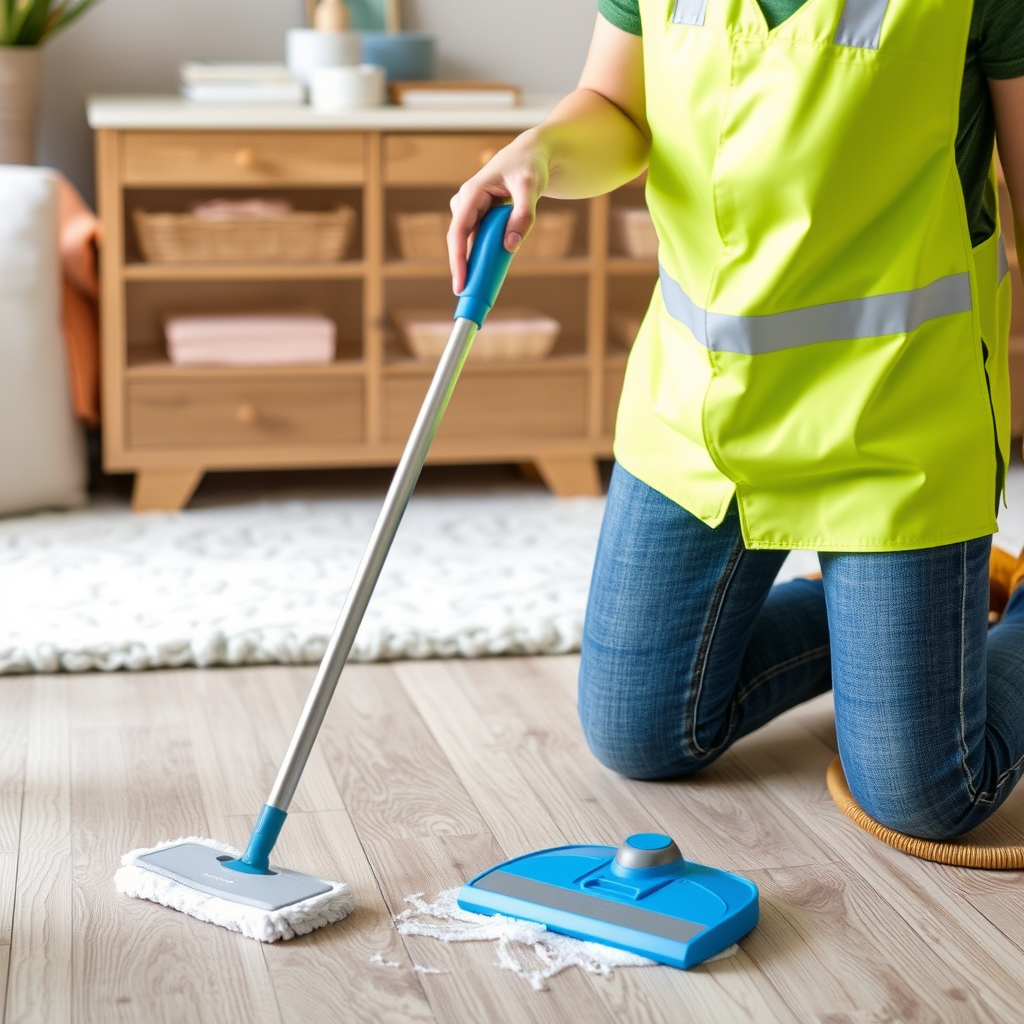
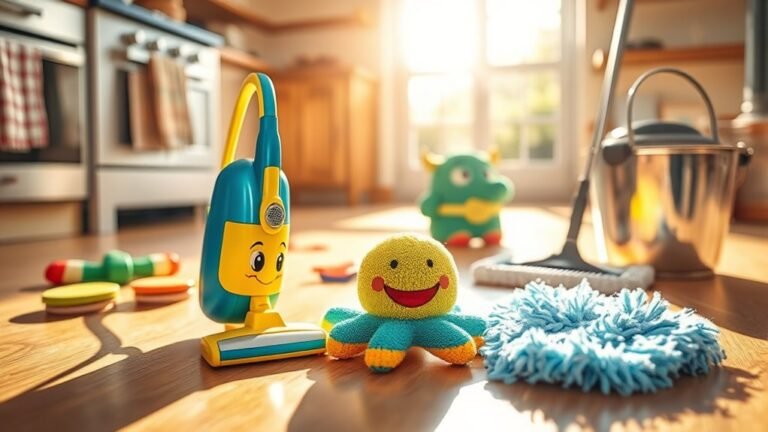
To effectively deep clean baby floors, you must gather the right tools and supplies. A high-quality vacuum cleaner is essential for removing loose dirt and debris, especially in carpeted areas. For hard surfaces, a mop and bucket are necessary, and investing in a steam cleaner can elevate your cleaning game, particularly for tile and hardwood.
When selecting cleaning solutions, opt for eco-friendly and baby-safe products to avoid exposing your child to harmful chemicals. Look for solutions labeled as non-toxic or hypoallergenic. Additionally, consider investing in cleaning tools specifically designed for families with young children, such as microfiber mops and washable cleaning pads, which help reduce waste and maintain hygiene.
Step-by-Step Deep Cleaning Process
1. Thorough Vacuuming: Begin with a comprehensive vacuuming session. Use a vacuum equipped with a HEPA filter to capture allergens effectively, and pay special attention to corners and edges where dust tends to accumulate. For carpeted areas, consider using a vacuum with a rotating brush for optimal dirt removal.
2. Tailored Deep Cleaning: After vacuuming, proceed with a deep cleaning method suitable for your flooring type:
– Hardwood: Mix a few drops of a gentle cleaner with warm water. Dampen a microfiber mop and clean the floor, ensuring not to saturate the wood.
– Carpet: Use a steam cleaner or carpet shampoo to treat high-traffic areas and stains. Follow the manufacturer’s instructions for best results.
– Tile: Utilize a steam cleaner to cut through grime and sanitize the surface. Alternatively, mix vinegar and baking soda for a natural cleaning solution.
– Vinyl: Mop with a mixture of warm water and a few drops of dish soap. Avoid harsh chemicals that could damage the surface.
By following these steps, you ensure that your baby’s play area is not only clean but also safe for their health.
Proven Techniques for Tough Stains
Stains are inevitable, especially in areas where your baby plays and eats. Knowing how to tackle these stains effectively can save you time and effort. For natural stain removal on carpets and tiles, baking soda and vinegar work wonders. Sprinkle baking soda on the stained area and spray a mixture of equal parts vinegar and water over it. Allow it to sit for 10-15 minutes before blotting with a clean cloth.
For hardwood floors, it’s essential to use a gentle cleaner specifically formulated for wood. Avoid using excessive water, as it can seep into the seams and damage the wood. Instead, create a solution with a few drops of the cleaner mixed with water and apply it sparingly with a microfiber cloth.
Must-Know Tips for Maintaining Clean Baby Floors
Maintaining clean baby floors requires a proactive approach. Establish a regular cleaning schedule, ideally every week, to prevent dirt and allergens from accumulating. Consider implementing a quick daily clean-up routine, such as sweeping or vacuuming high-traffic areas and wiping spills immediately.
Using mats or rugs in play areas can significantly reduce the amount of dirt and debris that makes its way onto your floors. Opt for washable mats that can be easily laundered to maintain cleanliness. Additionally, encourage a shoe-free home policy, which can dramatically decrease the transfer of outdoor dirt and allergens.
Secret Benefits of Deep Cleaning Baby Floors
Beyond the obvious cleanliness, deep cleaning baby floors offers several hidden benefits. By eliminating dust, pet dander, and other allergens, you significantly improve indoor air quality, which is crucial for your baby’s respiratory health. A clean environment reduces the risk of allergies and strengthens your child’s immune system.
Moreover, a well-maintained floor creates a more inviting space for playtime and crawling. A clean and organized environment encourages exploration and development, contributing positively to your child’s growth and learning experiences.
When to Call a Professional
While regular cleaning can be managed at home, certain signs indicate it’s time to call a professional. Persistent odors, deep-set stains, or an overall dingy appearance of your floors may require expert intervention. Professionals have access to advanced cleaning techniques and equipment that can restore your floors to their original condition.
Additionally, if you have specialized flooring, such as luxury vinyl or intricate tile patterns, professional cleaners can ensure that the right methods are applied without causing damage. Hiring experts can save time and provide peace of mind, knowing that your flooring is being cared for by trained professionals.
In conclusion, maintaining clean baby flooring is crucial for a healthy environment. By following this ultimate deep cleaning guide, you can ensure your baby’s play area is safe and inviting. Implementing a regular cleaning schedule, utilizing the right tools, and knowing when to seek professional help will contribute to a cleaner, healthier home for you and your family. Start implementing these tips today for a cleaner, healthier home!