
Cleaning your eyeglasses cloth is essential to maintain clear vision and prolong the life of your lenses. Regular cleaning helps remove dirt, oil, and smudges that can impair your vision and damage your eyewear. In this guide, you’ll discover the best methods and tips for keeping your eyeglasses cleaning cloth in top shape, ensuring optimal performance and durability.



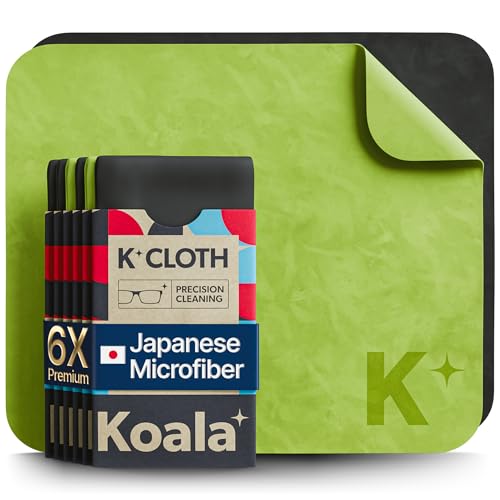
Importance of a Clean Eyeglasses Cloth

A clean eyeglasses cloth is a fundamental component of lens care. The importance of maintaining this small yet significant tool cannot be overstated. Here are the primary reasons why a clean eyeglasses cloth is vital:

– Prevents Smudges and Streaks on Lenses: Over time, oils from your skin, dust, and other debris can accumulate on the cleaning cloth. Using a dirty cloth can transfer these contaminants onto your lenses, leading to streaks and smudges that obstruct your vision. A clean cloth ensures that you are applying only the necessary cleaning solution to your lenses, enhancing clarity.
– Enhances the Effectiveness of Cleaning Your Glasses: A fresh, clean cloth is more effective at picking up dirt and grime. When you use a dirty cloth, you risk scratching your lenses, as any particles trapped in the fabric can act like sandpaper. By maintaining a clean eyeglasses cloth, you can ensure that your cleaning process is safe and effective.
Materials Needed for Cleaning


To clean your eyeglasses cloth properly, you will need the following materials:
– Mild Dish Soap or Detergent: Select a gentle detergent that is free from bleach or strong fragrances. Harsh chemicals can degrade the fabric and reduce its effectiveness over time.
– Warm Water and a Soft Towel: Warm water helps to dissolve oils and grime more effectively than cold water. A soft towel is essential for drying the cloth without causing any damage.
Step-by-Step Cleaning Process

Cleaning your eyeglasses cloth is a straightforward process. Follow these steps for effective results:
1. Mix a Few Drops of Detergent with Warm Water: In a small bowl or sink, combine a few drops of mild dish soap with warm water. Ensure that the solution is not overly soapy, as excessive soap can leave residue on the cloth.
2. Soak the Cloth Briefly and Gently Rub to Remove Dirt: Submerge the eyeglasses cloth in the soapy water for just a few seconds. Gently rub the fabric together, focusing on any particularly dirty areas. Avoid scrubbing too hard, as this can wear out the fabric.
3. Rinse Thoroughly: After cleaning, rinse the cloth under cool running water. Ensure that all soap is washed away, as any remaining detergent can leave residue that will transfer back onto your lenses.
4. Pat Dry with a Soft, Lint-Free Towel: After rinsing, gently pat the cloth dry using a soft, lint-free towel. Avoid wringing or twisting the fabric, as this can distort its shape or create fraying.
Rinsing and Drying the Cloth
Proper rinsing and drying techniques are crucial for maintaining the integrity of your eyeglasses cloth:
– Rinse the Cloth Thoroughly Under Cool Running Water: Make sure to remove all traces of soap and dirt. This step is essential for preventing any potential streaking or residue when you next use the cloth on your lenses.
– Pat Dry with a Soft, Lint-Free Towel to Avoid Scratches: After rinsing, gently pat the cloth dry rather than rubbing it, which can cause tiny fibers to break and potentially scratch your lenses during future use.
Tips for Maintaining Your Eyeglasses Cloth
To extend the life of your eyeglasses cloth and ensure optimal cleaning performance, consider the following maintenance tips:
– Store in a Clean, Dry Place When Not in Use: Keep your cleaning cloth in a dedicated case or pouch to protect it from dust and dirt accumulation. Avoid leaving it in areas where it may come into contact with other dirty items.
– Avoid Using Fabric Softeners in the Wash: If you choose to machine wash your eyeglasses cloth, refrain from using fabric softeners. These products can leave residues that may impair the cloth’s ability to clean effectively.
Common Mistakes to Avoid
When cleaning your eyeglasses cloth, it’s important to avoid several common pitfalls:
– Using Bleach or Fabric Softeners That Can Damage the Cloth: Harsh chemicals can degrade the fibers, reducing the cloth’s lifespan and effectiveness.
– Not Cleaning the Cloth Regularly, Leading to Buildup of Grime: Neglecting regular cleaning can result in a buildup of dirt and oils that can scratch your lenses and impair vision.
When to Replace Your Eyeglasses Cloth
Recognizing when to replace your eyeglasses cloth is crucial for maintaining optimal lens care:
– Signs of Wear and Tear or Fraying Edges: If your cleaning cloth starts to show signs of fraying or significant wear, it’s time to replace it. A worn cloth can cause more harm than good to your lenses.
– Persistent Odors or Stains That Don’t Come Out: If your cloth smells or retains stains despite regular cleaning, it’s best to invest in a new one. Odors can indicate bacteria buildup, which is not ideal for lens care.
Top 7 Eyeglasses Cleaning Cloths (2024)
| # | Brand | Material | Size | Price |
|---|---|---|---|---|
| 1 | Zeiss Microfiber Cloth | Microfiber | 20×20 cm | $9.99 |
| 2 | Amazon Basics Microfiber Cloth | Microfiber | 25×25 cm | $5.99 |
| 3 | MagicFiber Microfiber Cleaning Cloth | Microfiber | 20×20 cm | $8.99 |
| 4 | Koala Lifestyle Microfiber Cloth | Microfiber | 30×30 cm | $10.99 |
| 5 | Purosol Eco-Friendly Cleaning Cloth | Microfiber | 20×20 cm | $12.99 |
| 6 | Microfiber Cloth for Eyeglasses – E-Cloth | Microfiber | 25×25 cm | $7.99 |
| 7 | LensPen Microfiber Cleaning Cloth | Microfiber | 30×30 cm | $14.99 |
Microfiber Cloths for Eyeglasses: Comparison
| Feature | ⭐ Zeiss Microfiber Cloth | Amazon Basics Microfiber Cloth | MagicFiber Microfiber Cleaning Cloth |
|---|---|---|---|
| Material | Microfiber | Microfiber | Microfiber |
| Size | 20×20 cm | 25×25 cm | 20×20 cm |
| Price | $9.99 | $5.99 | $8.99 |
| Cleaning Power | ✅ Excellent | ✅ Good | ✅ Good |
| Durability | ✅ Long-lasting | ✅ Good | ✅ Good |
| Eco-Friendly | ✅ Yes | ❌ No | ✅ Yes |
| Machine Washable | ✅ Yes | ✅ Yes | ✅ Yes |
| Versatility | ✅ Multi-use | ✅ Multi-use | ✅ Multi-use |
| Best For | Lens protection | Budget users | Versatile cleaning |
Maintaining a clean eyeglasses cloth is crucial for optimal lens performance and vision clarity. By following these simple steps, you can ensure your cleaning cloth remains effective and in good condition. Remember to clean it regularly and replace it when necessary for the best results. With proper care, your eyeglasses cloth will contribute significantly to your overall eyewear maintenance, ensuring that you enjoy clear vision without obstructions.
Frequently Asked Questions
How do you properly clean eyeglasses cloth?
To properly clean your eyeglasses cloth, first shake it gently to remove any loose dirt or debris. Then, rinse it under lukewarm water without any soap, and if necessary, use a mild detergent specifically designed for glasses. After rinsing, lay it flat to air dry completely before using it again to avoid any lint or scratches on your lenses.
What is the best way to remove stains from eyeglasses cloth?
The best way to remove stains from eyeglasses cloth is to soak it in a solution of warm water and a few drops of mild dish soap for about 10-15 minutes. After soaking, gently rub the stained areas with your fingers, and then rinse thoroughly under warm water. Ensure that the cloth is completely dry before using it again to maintain its effectiveness.
Why is it important to clean your eyeglasses cloth regularly?
Regularly cleaning your eyeglasses cloth is important because it helps prevent the buildup of oils, dirt, and bacteria that can scratch your lenses or impair your vision. A dirty cloth can also transfer grime back onto your lenses, making it harder to see clearly. By maintaining a clean cloth, you ensure better lens care and longevity.
Which materials are safe for eyeglasses cloth cleaning?
Safe materials for cleaning eyeglasses cloth include microfiber and cotton, which are non-abrasive and gentle on lenses. Avoid using fabrics like paper towels or rough fibers, as they can scratch the lens surface. Always opt for cleaning solutions that are specifically formulated for eyewear to ensure the safety of both the cloth and the lenses.
What should you avoid when cleaning your eyeglasses cloth?
When cleaning your eyeglasses cloth, you should avoid using bleach, fabric softeners, or any harsh chemicals, as these can damage the fibers of the cloth. Additionally, refrain from using hot water, as it may cause shrinkage or distortion of the material. Always let the cloth air dry to maintain its shape and effectiveness for cleaning your glasses.
References
- Page Not Found – Site Help – Mayo Clinic
https://www.mayoclinic.org/healthy-lifestyle/adult-health/expert-answers/cleaning-eyeglasses/faq-20058012 - https://www.ncbi.nlm.nih.gov/pmc/articles/PMC6460375/
https://www.ncbi.nlm.nih.gov/pmc/articles/PMC6460375/ - Caring for Your Eyes | AOA
https://www.aoa.org/healthy-eyes/caring-for-your-eyes/eyeglass-care - https://www.who.int/news-room/questions-and-answers/item/cleaning-and-disinfecting-eyeglasses
https://www.who.int/news-room/questions-and-answers/item/cleaning-and-disinfecting-eyeglasses - 3 Ways to Clean Eyeglasses – wikiHow
https://www.wikihow.com/Clean-Eyeglasses - https://www.britannica.com/science/eyeglass
https://www.britannica.com/science/eyeglass - Google Scholar Google Scholar
https://scholar.google.com/scholar?q=cleaning+eyeglasses+cloth - Google Scholar Google Scholar
https://scholar.google.com/scholar?q=how+to+clean+eyeglasses - Google Scholar Google Scholar
https://scholar.google.com/scholar?q=eyeglass+cleaning+techniques - Google Scholar Google Scholar
https://scholar.google.com/scholar?q=how+do+you+clean+eyeglasses+cloth
