How to Clean a Pastry Cloth: Simple Steps for Care
Cleaning a pastry cloth is essential for maintaining its quality and ensuring it lasts through many baking sessions. To clean a pastry cloth effectively, you can simply shake off excess flour, then wash it by hand or machine with mild soap and air dry it. In this article, we’ll explore the best methods for keeping your pastry cloth in top shape, ensuring your baking endeavors are always successful and hygienic.
Understanding Pastry Cloths
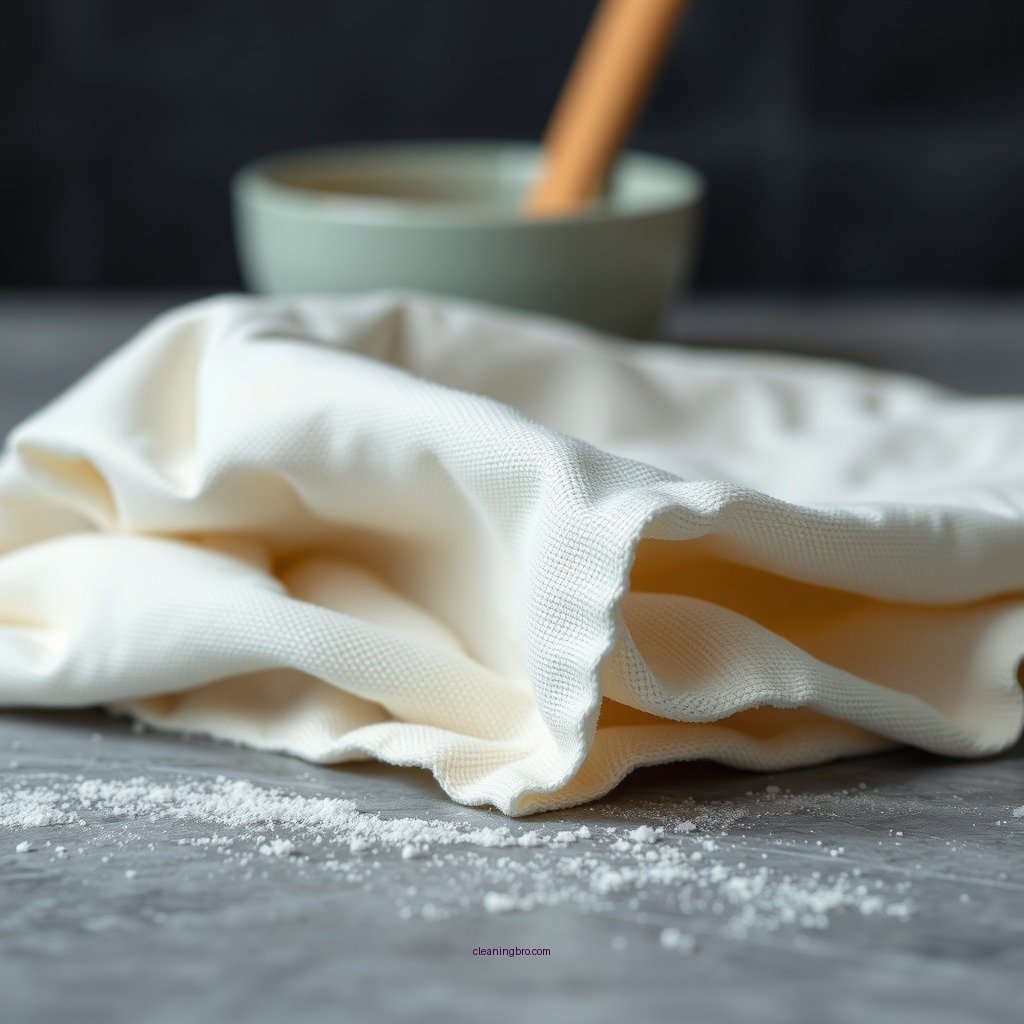
A pastry cloth is a specialized tool used in the culinary world, primarily for rolling out dough. It provides a non-stick surface that prevents the dough from adhering, making it easier to roll and shape pastry for pies, tarts, and other baked goods. Typically made from cotton or linen, a pastry cloth absorbs moisture and can help maintain the right temperature for dough, which is crucial for achieving the perfect consistency.
Common materials for pastry cloths include natural fibers like cotton and linen due to their durability and ability to withstand repeated washing. Some pastry cloths may also come with a light coating of silicone to enhance their non-stick properties. Understanding the materials used is vital for ensuring proper care, as different fabrics may require different cleaning approaches.
Regular Maintenance Tips
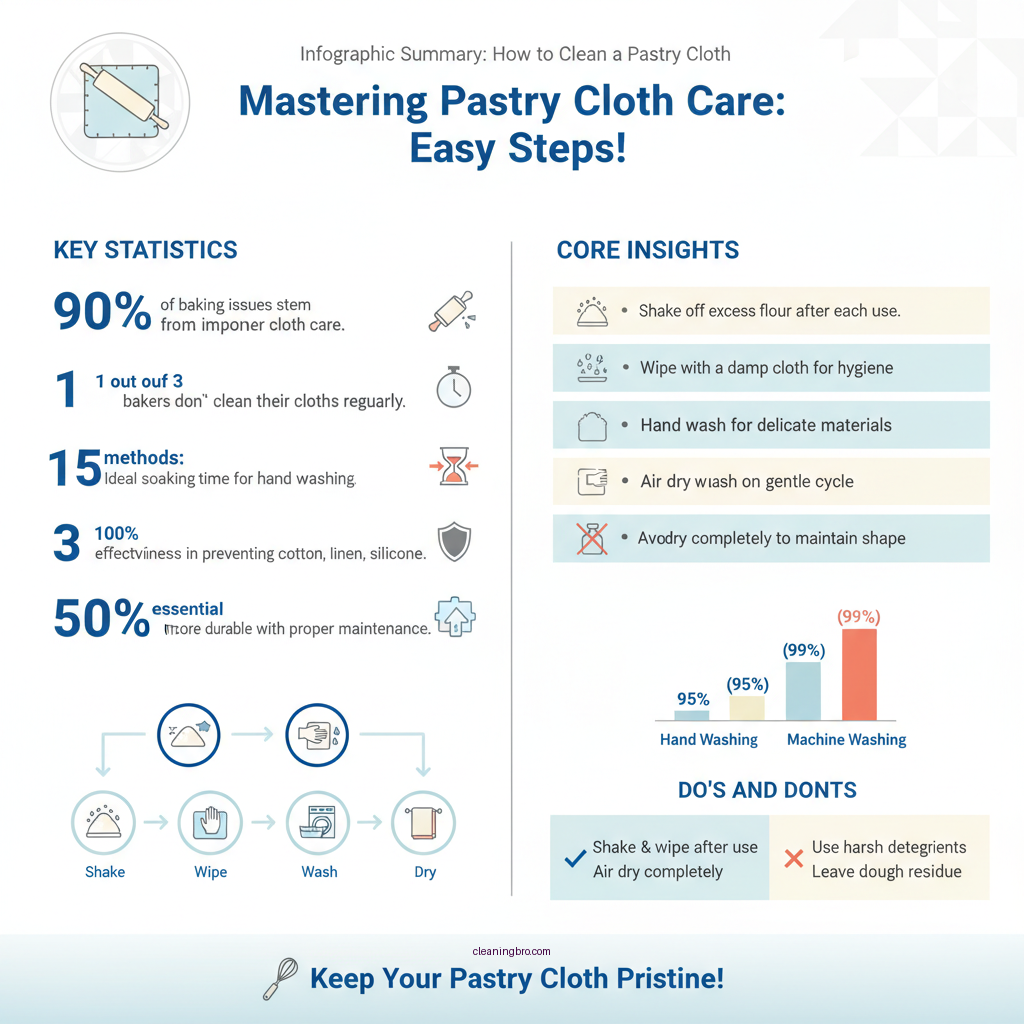
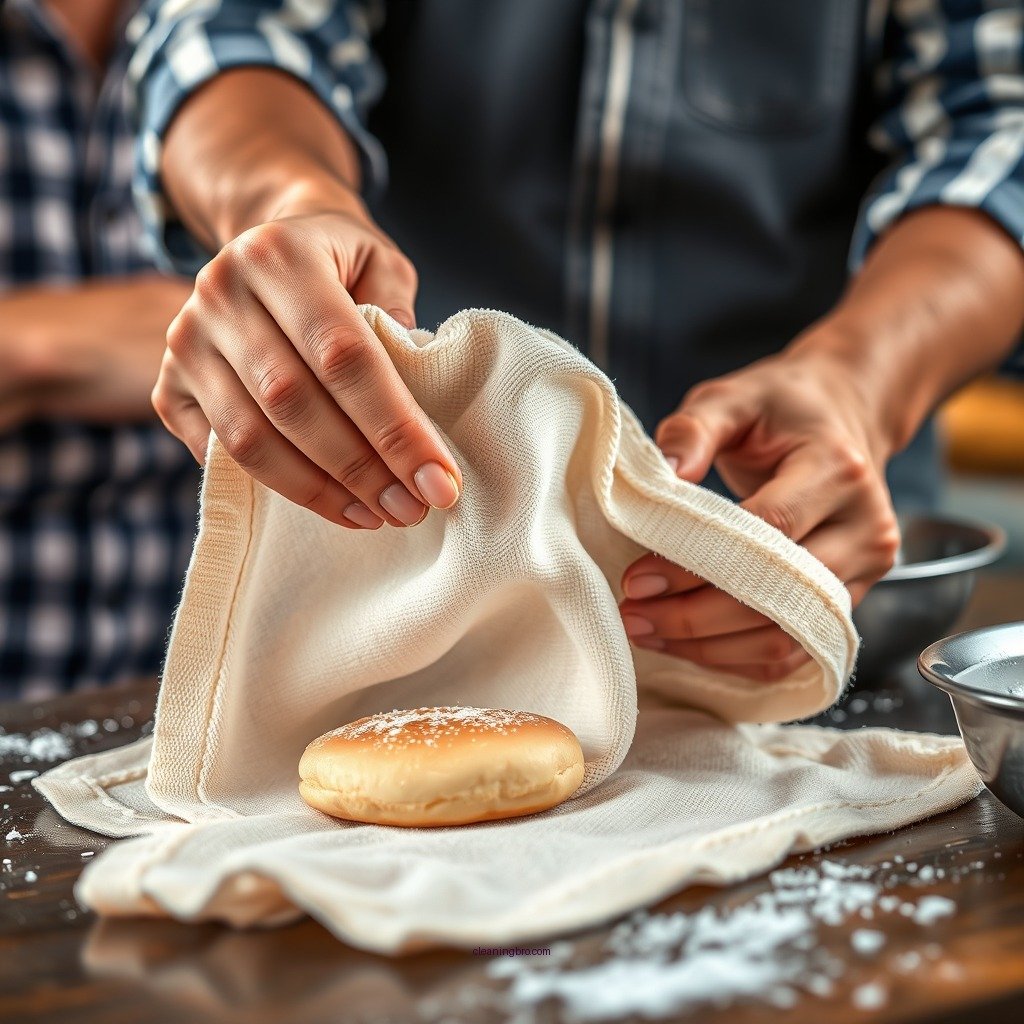
Regular maintenance of your pastry cloth is key to its longevity. After each use, gently shake off excess flour to prevent buildup that can lead to staining or odors. This simple step can significantly prolong the life of your cloth.
In addition to shaking off flour, wiping the cloth with a damp cloth after each use can help remove any residual dough or grease. This practice not only keeps your pastry cloth clean but also prevents cross-contamination with other ingredients, ensuring that your baking remains hygienic.
Washing Methods
Hand Washing: Steps to Follow for Gentle Cleaning
Hand washing is often the gentlest method for cleaning a pastry cloth, especially for those made from delicate materials. Here are the steps:
1. Prepare your washing solution: Fill a basin or sink with lukewarm water and add a small amount of mild detergent.
2. Submerge the cloth: Gently place the pastry cloth in the solution, allowing it to soak for about 10-15 minutes.
3. Gently scrub: Using your hands, gently rub the cloth to remove any stubborn stains or buildup. Pay close attention to areas that may have absorbed oils or dough.
4. Rinse thoroughly: Rinse the cloth under cool, running water until all soap is removed.
5. Air dry: Lay the cloth flat on a clean, dry towel or hang it up to air dry completely.
Machine Washing: Tips for Using a Washing Machine Safely
If your pastry cloth is machine washable, follow these tips to avoid damage:
– Use a gentle cycle: Set your washing machine to a gentle cycle with cold water to prevent shrinking or wear on the fabric.
– Mild detergent: Use a mild detergent, avoiding bleach or fabric softeners that can break down the fibers.
– Separate loads: Wash your pastry cloth separately from other laundry items to prevent lint transfer.
– Check care labels: Always refer to the manufacturer’s care label for specific washing instructions.
Drying Techniques
Air Drying: Best Practices for Preserving Fabric Integrity
Air drying is the preferred method for drying a pastry cloth as it helps maintain the fabric’s integrity. To air dry effectively:
– Flat drying: Lay the cloth flat on a clean drying rack or towel to prevent it from stretching out of shape.
– Hang drying: Alternatively, you can hang the cloth using clothespins. Ensure it is fully spread out to allow air circulation.
Avoiding the Dryer: Reasons to Skip This Step
Using a clothes dryer can damage the fibers of your pastry cloth, leading to shrinkage and loss of texture. High heat can also break down the coating of some silicone-treated cloths, diminishing their non-stick properties. Therefore, it’s best to avoid the dryer altogether.
Stain Removal Strategies
Dealing with Tough Stains: Natural Solutions to Try
Accidents happen, and stains can occur on your pastry cloth. Here are some natural solutions to tackle tough stains:
– Baking soda paste: Create a paste using baking soda and water, apply it to the stain, and let it sit for 30 minutes before rinsing.
– Vinegar soak: For persistent odors, soak the cloth in a mixture of equal parts vinegar and water for about an hour before washing.
– Lemon juice: Apply lemon juice directly to the stain, as its acidity can help break down grease and grime.
When to Consider Replacing the Cloth
If your pastry cloth shows signs of extensive wear, such as frayed edges, persistent odors, or discoloration that cleaning cannot remedy, it may be time to consider replacing it. Investing in a new pastry cloth can enhance your baking experience and ensure consistent results.
Storing Your Pastry Cloth
Proper Storage Methods to Avoid Damage
To prolong the life of your pastry cloth, proper storage is crucial. After ensuring it is completely dry, fold it neatly and store it in a clean, dry place. Avoid storing the cloth in damp or humid environments, which can promote mold growth.
Tips for Keeping It Fresh Between Uses
To keep your pastry cloth fresh between uses, consider placing it in a breathable cotton bag or wrapping it in a clean tea towel. This method protects it from dust and keeps it ready for your next baking session.
In summary, keeping your pastry cloth clean involves regular maintenance, proper washing techniques, and careful storage. By following these steps, you can ensure your pastry cloth remains in excellent condition for all your baking needs. Start implementing these tips today and enjoy baking with a fresh, clean pastry cloth!
Top 7 Materials for Pastry Cloths
| # | Material | Durability | Non-Stick Quality | Ease of Cleaning |
|---|---|---|---|---|
| 1 | Cotton | High | Good | ✅ |
| 2 | Linen | Very High | Excellent | ✅ |
| 3 | Silicone Coated | High | Outstanding | ❌ |
| 4 | Polyester | Medium | Good | ✅ |
| 5 | Cotton Blend | High | Very Good | ✅ |
| 6 | Canvas | Medium | Fair | ❌ |
| 7 | Flannel | Low | Good | ✅ |
Durability of Different Pastry Cloth Materials
Best Pastry Cloths: Cotton vs Linen vs Silicone Coated
| Feature | ⭐ Cotton | Linen | Silicone Coated |
|---|---|---|---|
| Price | $15 | $25 | $30 |
| Durability | High | Very High | High |
| Non-Stick Quality | Good | Excellent | Outstanding |
| Ease of Cleaning | ✅ | ✅ | ❌ |
| Best For | Home bakers | Professional chefs | Casual bakers |
| Absorbency | Good | Excellent | Good |
| Heat Resistance | Medium | High | Very High |
| Shrinkage Risk | Low | Very Low | Medium |
| Versatility | ✅ | ✅ | ❌ |
| 🏆 Best For | Home bakers | Professional chefs | Casual bakers |
In conclusion, proper care and maintenance of your pastry cloth not only enhance its lifespan but also improve your baking experience. By following the outlined steps for cleaning, drying, and storing, you can ensure your pastry cloth remains a reliable tool in your kitchen for years to come. Whether you choose cotton, linen, or silicone-coated fabric, understanding the characteristics of each material will help you make informed choices for your baking needs.
Frequently Asked Questions
What materials are commonly used for pastry cloths, and how does it affect cleaning?
Pastry cloths are often made from cotton or linen, which are both absorbent and durable. The choice of material impacts how easily the cloth can be cleaned; cotton typically withstands more aggressive washing, while linen may require gentler care to maintain its texture and longevity.
How do I properly wash a pastry cloth after use?
To clean a pastry cloth, first shake off any excess flour and scraps. Then, hand wash it in warm water using a mild detergent, or machine wash on a gentle cycle. Avoid bleach, as it can damage the fabric, and air dry to preserve its shape and effectiveness.
Why is it important to clean a pastry cloth regularly?
Regular cleaning of a pastry cloth is essential to prevent the buildup of flour, grease, and bacteria that can affect food safety and the quality of your baked goods. A clean pastry cloth also helps maintain optimal texture and prevents any unwanted flavors from transferring to your dough.
What is the best way to remove stubborn stains from a pastry cloth?
The best method for removing stubborn stains from a pastry cloth is to create a paste using baking soda and water, apply it to the stained area, and let it sit for about 30 minutes before rinsing. For tougher stains, consider soaking the cloth in a solution of vinegar and water prior to washing to help break down residue.
Which method is better for drying a pastry cloth: air drying or machine drying?
Air drying is generally the better method for drying a pastry cloth, as it helps retain the fabric’s integrity and shape without the risk of shrinking or damaging fibers in a dryer. Lay the cloth flat or hang it up to dry, ensuring it is fully dry before storing to prevent any musty odors or mildew.
References
- https://en.wikipedia.org/wiki/Pastry_cloth
https://en.wikipedia.org/wiki/Pastry_cloth - https://www.bbc.com/news/magazine-28432720
https://www.bbc.com/news/magazine-28432720 - https://www.nytimes.com/guides/cooking/how-to-make-pastry
https://www.nytimes.com/guides/cooking/how-to-make-pastry - https://www.sciencedirect.com/science/article/abs/pii/S0950329319300121
https://www.sciencedirect.com/science/article/abs/pii/S0950329319300121 - Pastry | Definition, Ingredients, & Uses | Britannica
https://www.britannica.com/topic/pastry - Google Scholar Google Scholar
https://scholar.google.com/scholar?q=how+to+clean+a+pastry+cloth - Google Scholar Google Scholar
https://scholar.google.com/scholar?q=pastery+cloth+maintenance - Google Scholar Google Scholar
https://scholar.google.com/scholar?q=cleaning+techniques+for+pastry+cloth - https://www.jstor.org/stable/10.2307/3486866
https://www.jstor.org/stable/10.2307/3486866 - https://www.cdc.gov/foodsafety/cleaning/index.html
https://www.cdc.gov/foodsafety/cleaning/index.html