How to Clean a Sea Sponge: A Step-by-Step Guide
Cleaning a sea sponge is a straightforward process that ensures its longevity and effectiveness. To clean your sea sponge, simply rinse it thoroughly with warm water and allow it to dry completely. In this article, we’ll delve into the best practices for maintaining your sea sponge, ensuring it remains in top condition for all your cleaning and bathing needs.
Understanding Your Sea Sponge
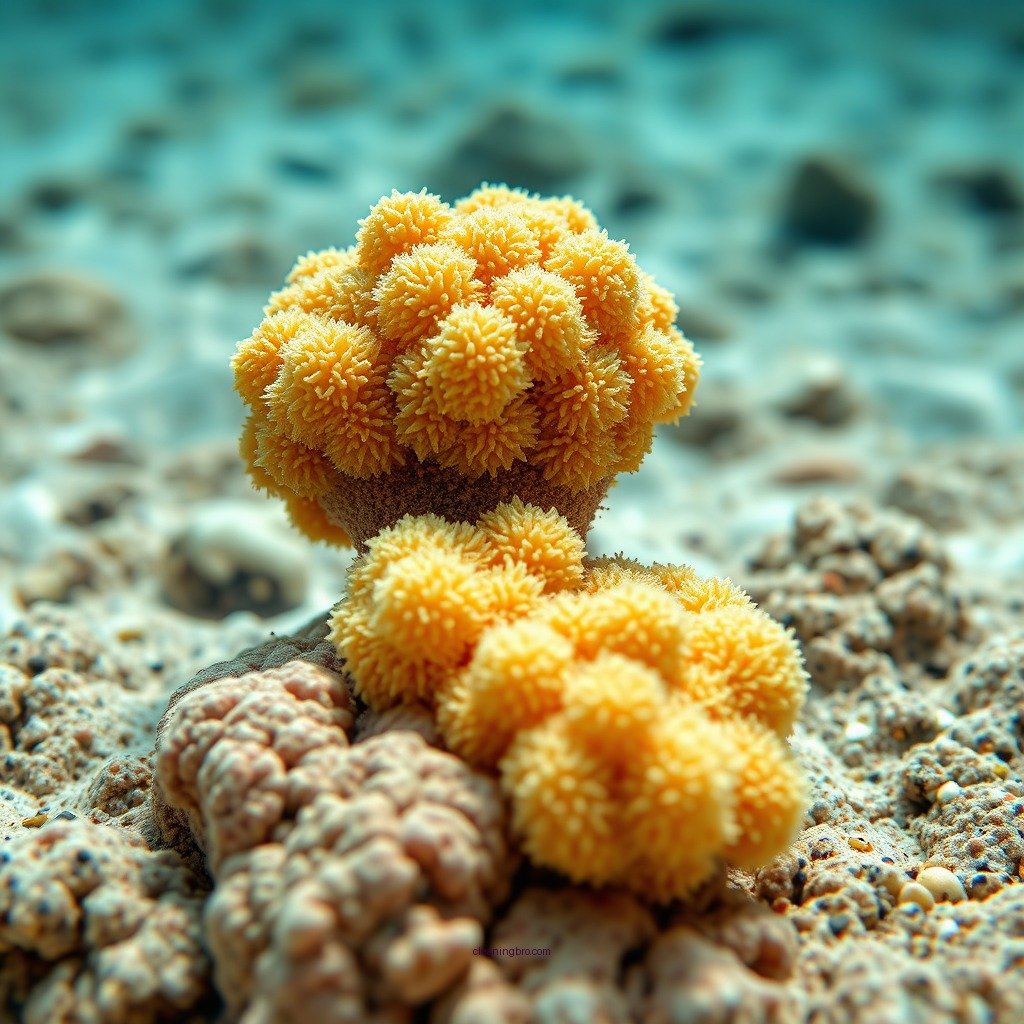
Sea sponges are natural, biodegradable products that require gentle care to maintain their integrity and performance. Unlike synthetic sponges, sea sponges are composed of a unique fibrous structure that makes them exceptionally absorbent and soft, ideal for use in both bathing and cleaning applications. However, due to their organic nature, they can harbor bacteria if not cleaned properly. This makes routine maintenance essential not only for hygiene but also for ensuring that the sponge lasts a long time. Regular cleaning prevents the buildup of mold and bacteria, which can lead to unpleasant odors and a reduction in the sponge’s effectiveness.
Gathering Your Supplies
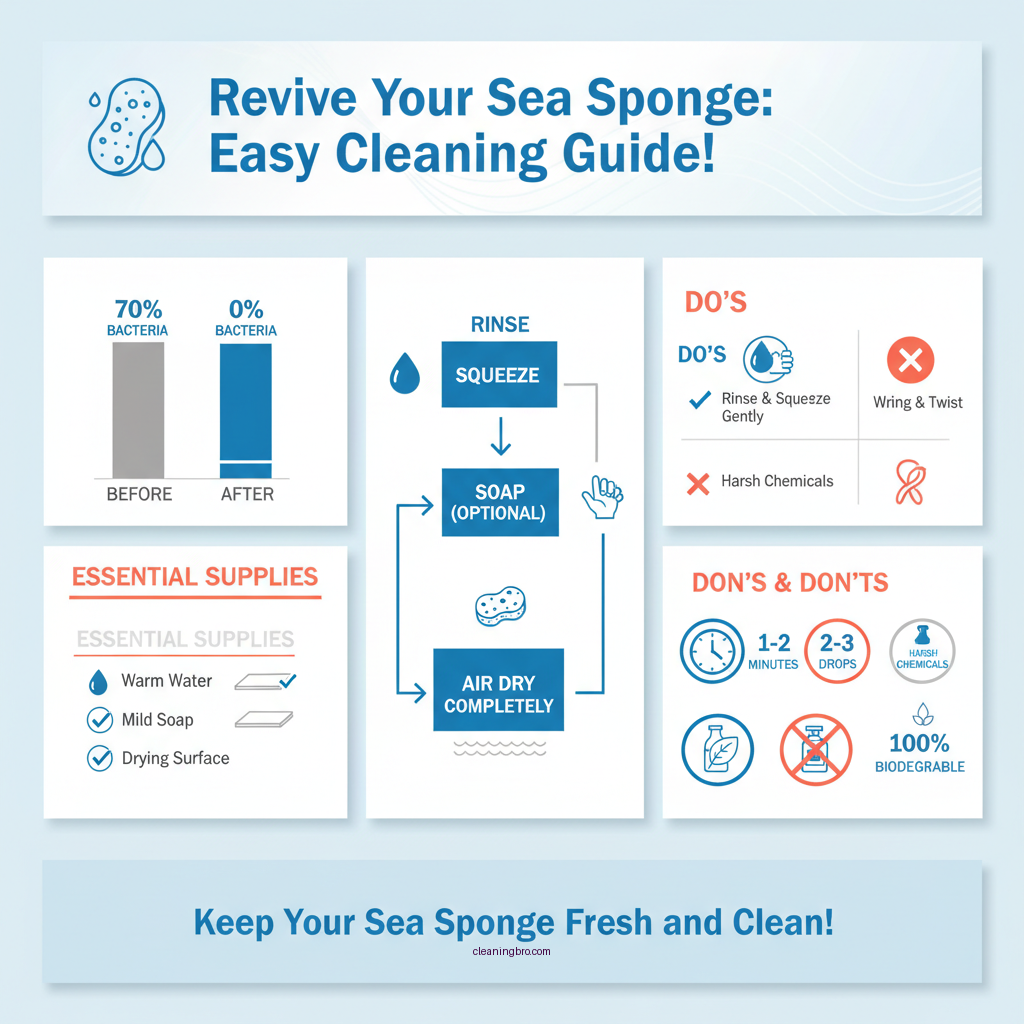
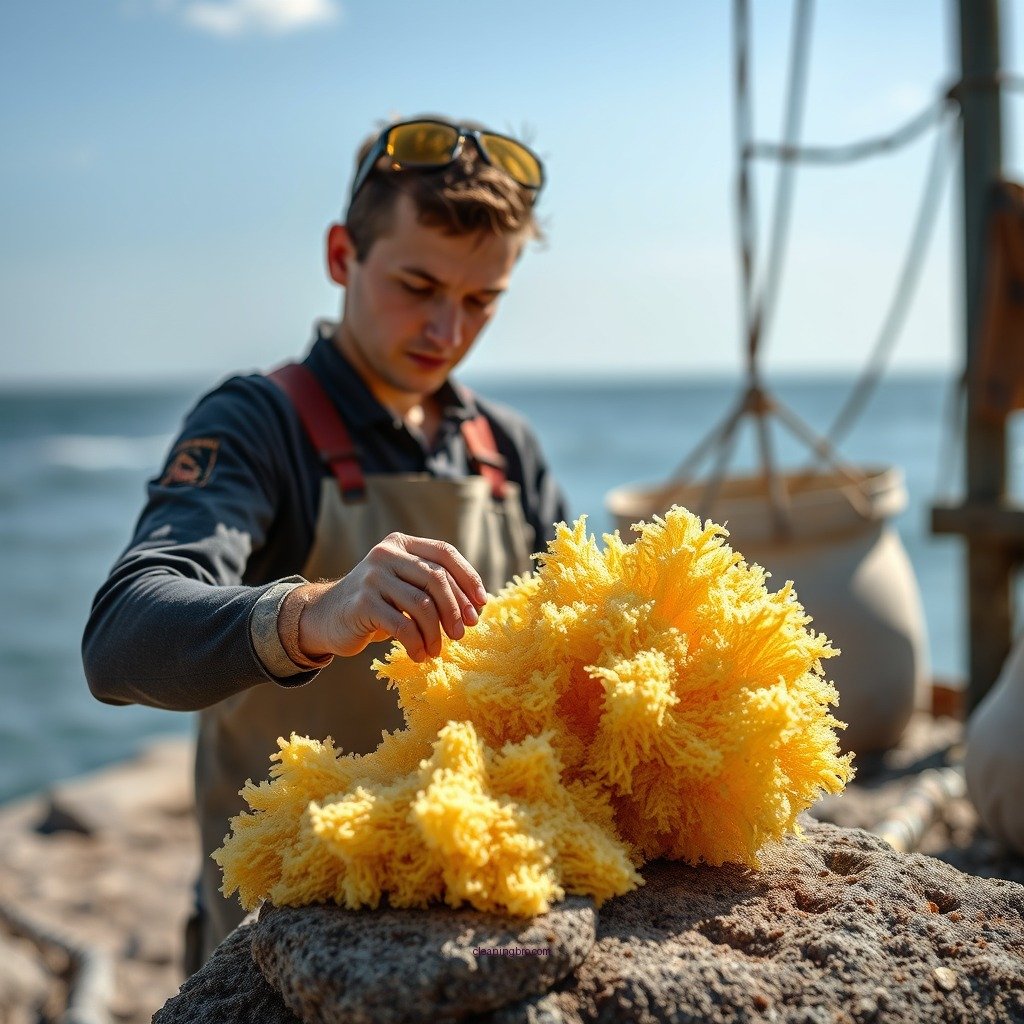
Before you begin the cleaning process, gather the necessary supplies to facilitate a smooth and efficient cleaning experience. You will need:
– Warm water: This helps to loosen any dirt or debris trapped in the sponge.
– Mild soap (optional): While warm water may suffice for regular cleaning, a gentle soap can aid in deeper cleans if your sponge has accumulated more significant grime.
– Clean drying surface: A flat, dry area is crucial for allowing your sponge to air dry properly without retaining moisture.
It’s crucial to avoid harsh chemicals or detergents, as these can degrade the natural fibers of the sponge and lead to a shorter lifespan.
Rinsing Your Sea Sponge
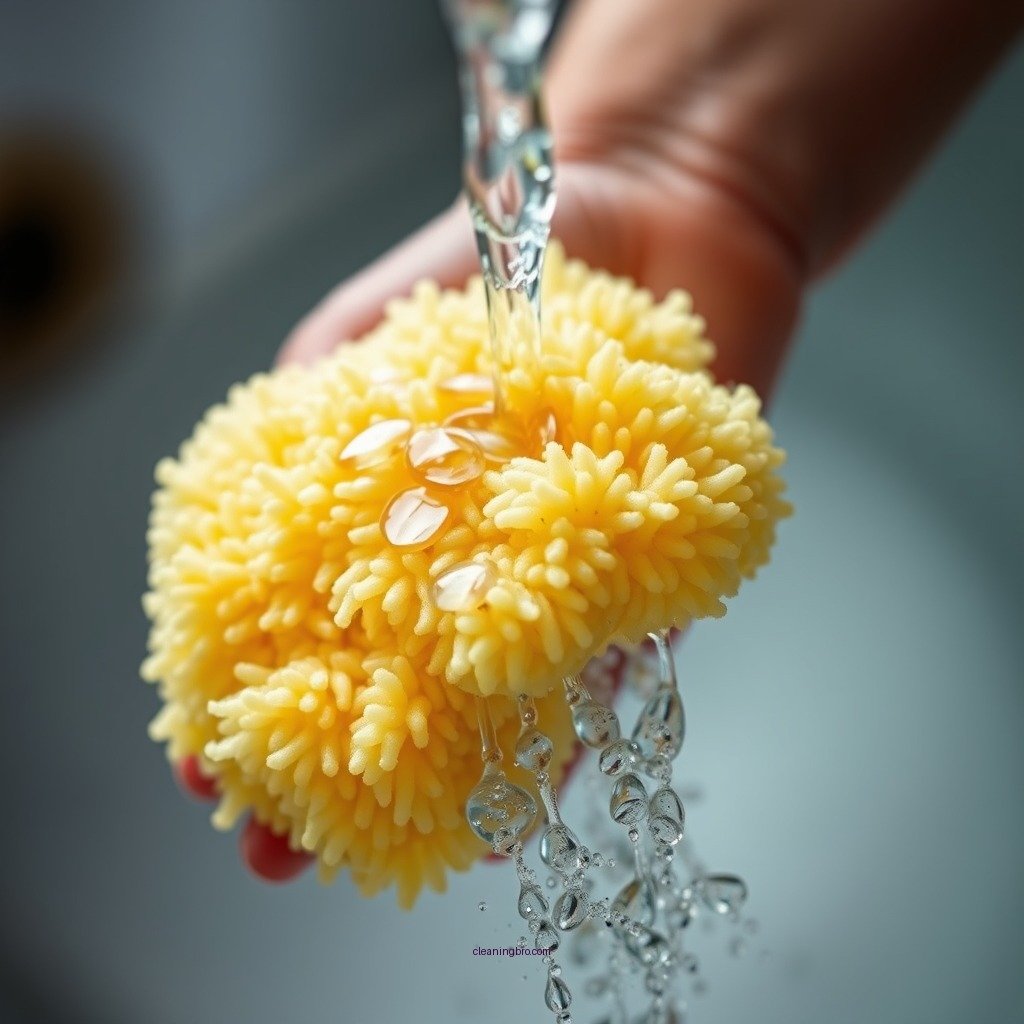
Start by rinsing the sponge under warm running water. This initial rinse is essential for removing surface dirt and debris. Ensure that the water temperature is comfortable to the touch, as extreme temperatures can damage the sponge’s natural fibers. As you rinse, gently squeeze the sponge to expel any trapped debris without damaging its structure. Avoid twisting or wringing the sponge, as this can lead to breakage or deformation.
Cleaning with Soap (If Necessary)
For a deeper clean, especially if the sponge has been used for scrubbing or has been exposed to contaminants, using a small amount of mild soap can be beneficial. Create a lather by applying a few drops of soap to the sponge and then working it into the fibers gently. It’s important to be patient during this step; vigorous scrubbing can lead to damage. Instead, focus on working the soap into the sponge with a gentle massaging action. This will help lift away any ingrained dirt or oils without compromising the sponge’s integrity.
Rinsing Again
Once you have cleaned the sponge with soap, it’s time to rinse it thoroughly under warm water again. This step is crucial to ensure that all soap residue is removed, as leftover soap can degrade the sponge over time and may also lead to skin irritation if used for bathing. Make sure to squeeze the sponge gently as you rinse to help release any remaining soap, allowing clean water to flow through its fibers.
Drying Your Sea Sponge
After the final rinse, gently squeeze out any excess water without wringing or twisting the sponge. This action helps to preserve the sponge’s natural shape and structure. Next, lay it flat on a clean, dry surface in a well-ventilated area to dry completely. Avoid placing the sponge in direct sunlight for extended periods, as this can lead to fading and drying out the natural fibers. Alternatively, you can hang it in a mesh bag or a breathable container that allows air circulation, which can help prevent any moisture buildup that could lead to mold growth.
Storing Your Sea Sponge
Once your sea sponge is completely dry, it’s time to store it properly. Keeping your sponge in a breathable container is essential to avoid moisture buildup, which can lead to mold and bacteria growth. A simple mesh bag or a container with holes is ideal for storage. Additionally, store your sponge in a cool, dry place, away from direct sunlight or heat sources. This will prolong its lifespan and maintain its effectiveness for future use.
Cleaning your sea sponge regularly will not only keep it fresh but also maintain its effectiveness for all your needs. By following these steps, you’ll ensure your sponge remains a reliable tool in your cleaning routine. Remember to incorporate cleaning into your regular maintenance schedule for the best results.
Top 5 Sea Sponge Types for Cleaning and Bathing (2024)
| # | Type of Sponge | Best For | Durability | Price Range |
|---|---|---|---|---|
| 1 | California Sea Sponge | Bathing | Excellent | $20 – $40 |
| 2 | Mediterranean Sea Sponge | Cleaning | Very Good | $15 – $35 |
| 3 | Hawaiian Sea Sponge | Bathing | Good | $18 – $30 |
| 4 | Japanese Sea Sponge | Gentle Cleaning | Excellent | $25 – $45 |
| 5 | African Sea Sponge | Exfoliation | Very Good | $12 – $28 |
Durability of Popular Sea Sponge Types (2024)
Sea Sponge Types: Mediterranean vs. California vs. Hawaiian
| Feature | ⭐ Mediterranean | California | Hawaiian |
|---|---|---|---|
| Best Use | Cleaning | Bathing | Exfoliation |
| Softness | Good | Excellent | Good |
| Durability | Very Good | Excellent | Good |
| Price | $15 – $35 | $20 – $40 | $18 – $30 |
| Natural Sourcing | Yes | Yes | Yes |
| Biodegradable | ✅ | ✅ | ✅ |
| Hypoallergenic | Yes | Yes | Yes |
| Absorbency | Excellent | Very Good | Good |
| Maintenance | Easy | Medium | Easy |
| 🏆 Best For | General Cleaning | Bathing Enthusiasts | Exfoliation Lovers |
In conclusion, maintaining the cleanliness of your sea sponge is essential for its longevity and effectiveness. By following the outlined steps—understanding your sponge, gathering the right supplies, rinsing, cleaning, rinsing again, drying, and storing—you can ensure that your sea sponge remains a high-quality tool for all your cleaning and bathing needs. Regular cleaning not only prolongs the life of your sponge but also ensures a hygienic experience, making it a valuable addition to your home care routine.
Frequently Asked Questions
How do I properly clean my sea sponge after each use?
To clean your sea sponge after each use, rinse it thoroughly under running water to remove any soap residue or debris. Gently squeeze the sponge to eliminate excess water, and allow it to air dry completely in a well-ventilated area to prevent mold and bacteria growth.
What is the best way to deep clean a sea sponge?
The best way to deep clean a sea sponge is to soak it in a solution of warm water and mild soap for about 15-20 minutes. After soaking, gently massage the sponge to dislodge any trapped dirt, then rinse thoroughly under running water and allow it to dry completely.
Why do I need to clean my sea sponge regularly?
Regularly cleaning your sea sponge is essential to maintain its hygiene and longevity. Over time, soap residue, bacteria, and mildew can accumulate in the sponge, which not only affects its performance but can also pose health risks when used on the skin or face.
Which cleaning solutions are safe for sea sponges?
Safe cleaning solutions for sea sponges include mild dish soap, baby shampoo, or a mixture of vinegar and water. Avoid harsh chemicals or bleach, as these can damage the delicate fibers of the sponge and reduce its effectiveness.
How often should I replace my sea sponge, even if I clean it?
You should consider replacing your sea sponge every 3 to 6 months, even with regular cleaning. This timeframe can vary based on usage; if you notice any foul odors, discoloration, or a breakdown in texture, it’s time to get a new sponge to ensure optimal use and hygiene.
References
- https://en.wikipedia.org/wiki/Sponge_(animal
https://en.wikipedia.org/wiki/Sponge_(animal - https://www.ncbi.nlm.nih.gov/pmc/articles/PMC3765321/
https://www.ncbi.nlm.nih.gov/pmc/articles/PMC3765321/ - https://pubmed.ncbi.nlm.nih.gov/28024470/
https://pubmed.ncbi.nlm.nih.gov/28024470/ - https://www.sciencedirect.com/science/article/pii/S0079610716300013
https://www.sciencedirect.com/science/article/pii/S0079610716300013 - Sponge | Definition, Features, Reproduction, & Facts | Britannica
https://www.britannica.com/animal/sponge-animal - https://www.ncbi.nlm.nih.gov/pmc/articles/PMC5622342/
https://www.ncbi.nlm.nih.gov/pmc/articles/PMC5622342/ - Google Scholar Google Scholar
https://scholar.google.com/scholar?q=how+to+clean+a+sea+sponge - Google Scholar Google Scholar
https://scholar.google.com/scholar?q=sea+sponge+cleaning+methods - Google Scholar Google Scholar
https://scholar.google.com/scholar?q=care+for+natural+sea+sponge - https://www.nature.com/articles/s41598-020-68696-0
https://www.nature.com/articles/s41598-020-68696-0

Related Articles
Winter Cleaning Tips for a Cozy and Hygienic Home
To create a cozy, hygienic home this winter, start by decluttering your living spaces for calm and comfort. Deep clean carpets and rugs, and wash bedding frequently to guarantee freshness. Sanitize high-touch surfaces daily to cut germs, and clean kitchen cabinets to stay organized. Don’t forget thorough bathroom disinfection and maintaining your heating system for…
Why You Should Use Wood When Cleaning
You should use wood when cleaning because it’s durable, naturally antibacterial, and gentle on your surfaces. Wooden tools last longer than plastic, reducing waste while supporting a cleaner environment. They resist bacteria without harsh chemicals, so you get a healthier clean. Plus, wood comes from sustainable sources, helping protect nature. Taking good care of your…
Why You Should Use Windowsills When Cleaning
You should use windowsills when cleaning because they trap dust, allergens, and moisture that can affect your home’s air quality and cause damage. Regularly wiping them down helps reduce allergens, prevent mold growth, and keeps your living space fresh and healthy. Plus, maintaining windowsills protects your window frames from decay over time. Taking care of…
Why You Should Use Window When Cleaning
You should use your windows when cleaning because they let in natural light that helps you see dirt and streaks you might miss otherwise. This bright view makes cleaning more efficient and thorough. Open windows also improve air circulation, cutting down dust and allergens while lifting your mood as sunlight boosts energy and focus. Plus,…
Why You Should Use Toys When Cleaning
You should use toys when cleaning because they turn dull chores into fun activities that keep you motivated and focused. Toys and playful gadgets make tasks feel less like work and more like a game, boosting your mood and productivity. Plus, they’re great for involving kids and creating teamwork. Using toys also helps you stay…
Why You Should Use Stains When Cleaning
You should use stains when cleaning because they highlight hidden dirt and grime you might otherwise miss, helping you pinpoint problem areas quickly. Stains also let you measure how well your cleaning works by showing if dirt is truly gone. They reveal high-traffic spots needing extra care and help prevent future messes by identifying vulnerable…