How to Clean Antifreeze Off Concrete: Effective Methods
Cleaning antifreeze off concrete is crucial to prevent damage and ensure safety. Antifreeze, if left untreated, can lead to unsightly stains and potential harm to the environment, pets, and humans. By using absorbent materials and appropriate cleaning solutions, you can effectively remove antifreeze from your concrete surfaces. In this article, you’ll learn the best methods to tackle this issue and ensure your concrete surfaces are free from harmful chemicals.
Understanding Antifreeze and Its Effects
Antifreeze primarily contains ethylene glycol or propylene glycol, both of which are effective in lowering the freezing point of water, making them essential for vehicle cooling systems. However, these substances can be harmful to the environment, pets, and humans if ingested.
When antifreeze spills on concrete, it can seep into the porous surface, leading to potential staining and degradation of the concrete over time. If left untreated, the chemical composition of antifreeze can also react with the concrete, causing additional chemical breakdown that may require extensive repairs. Therefore, it is vital to act quickly to clean up any spills to prevent long-term damage and maintain a safe environment.
Safety Precautions Before Cleaning
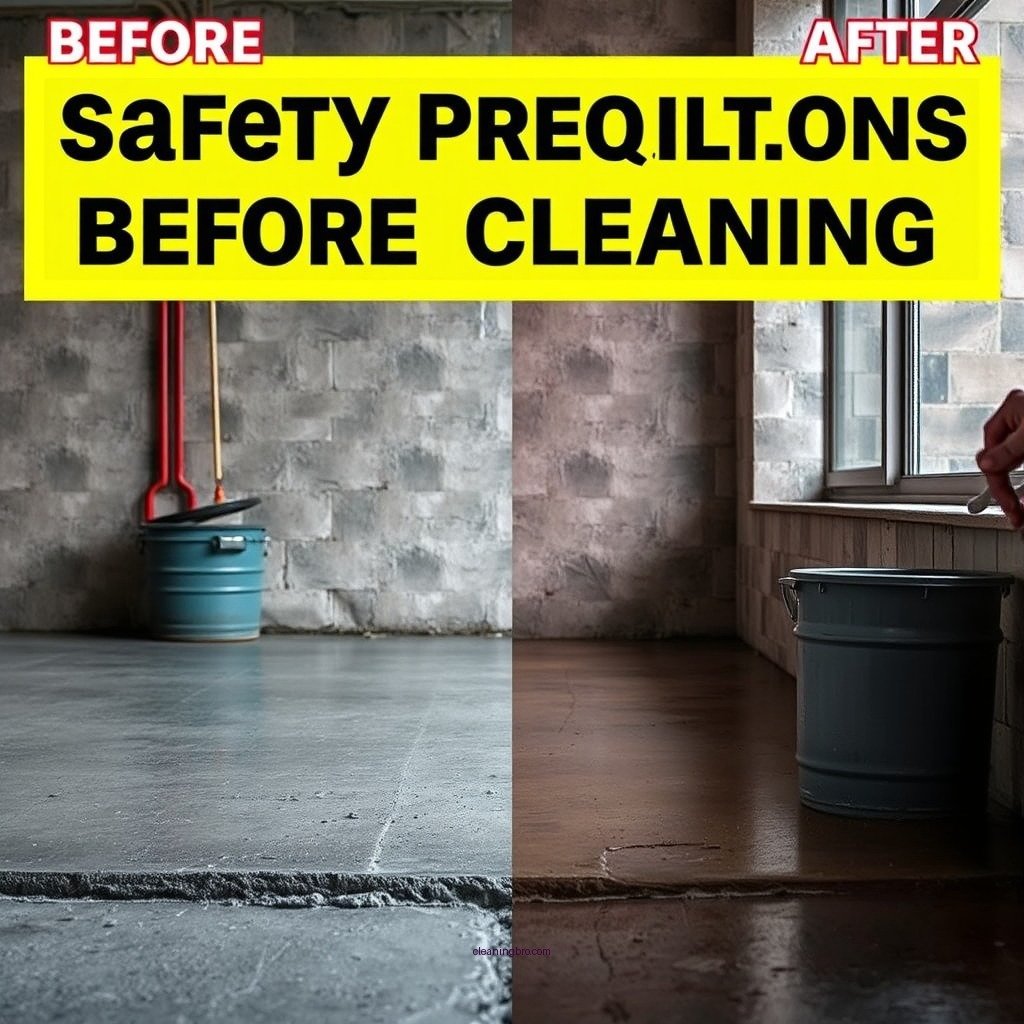
Before starting the cleanup process, it’s essential to take safety precautions. Here are some recommended measures:
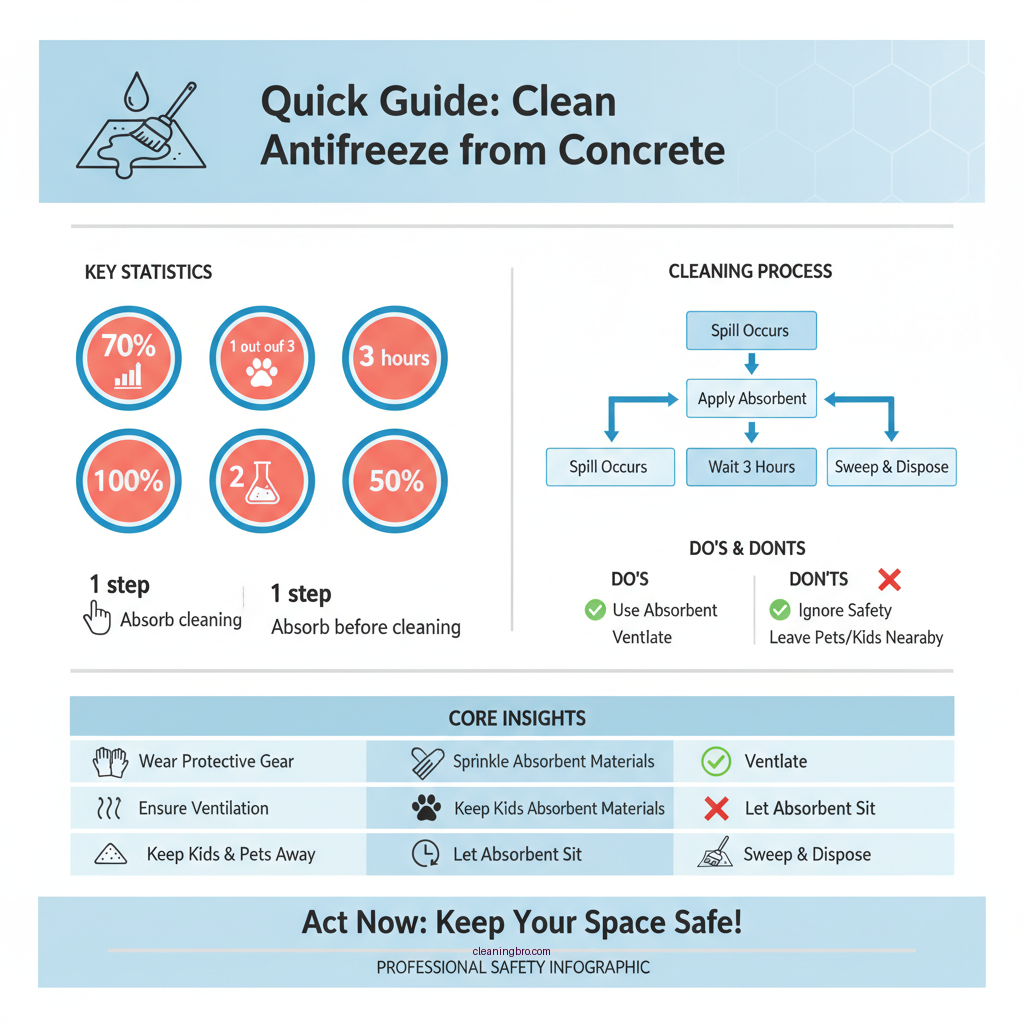
– Protective Gear: Always wear gloves and goggles to safeguard your skin and eyes from potential chemical exposure. Ethylene glycol can be irritating, and prolonged contact may cause adverse health effects.
– Ventilation: Ensure that the area is well-ventilated, especially if you intend to use strong cleaning agents. Inhaling fumes from these products can lead to respiratory issues.
– Keep Pets and Children Away: Ensure that pets and children are kept at a safe distance from the area being cleaned, as antifreeze is toxic if ingested.
By following these safety measures, you can minimize health risks while effectively cleaning antifreeze from concrete.
Absorbing the Antifreeze
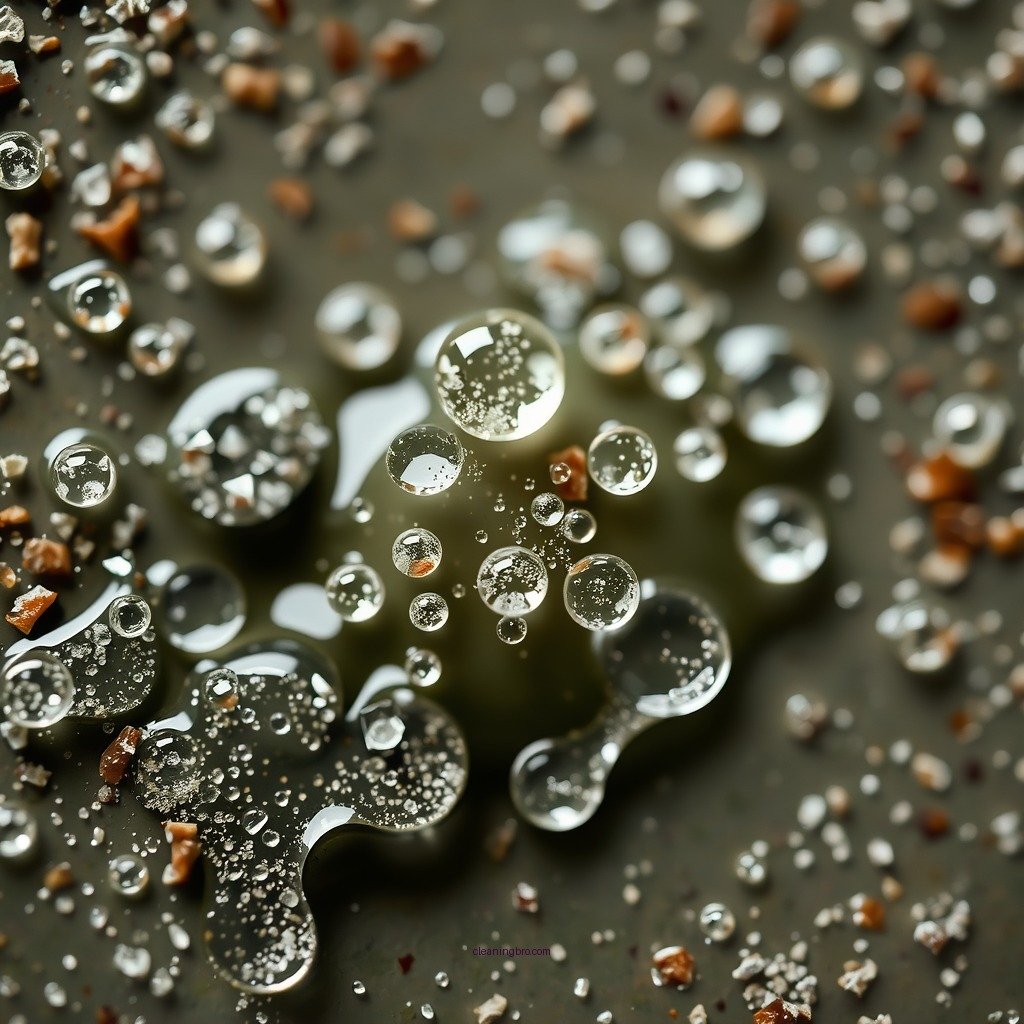
The first step in cleaning antifreeze off concrete is to absorb as much of the liquid as possible. Here’s how to do it effectively:
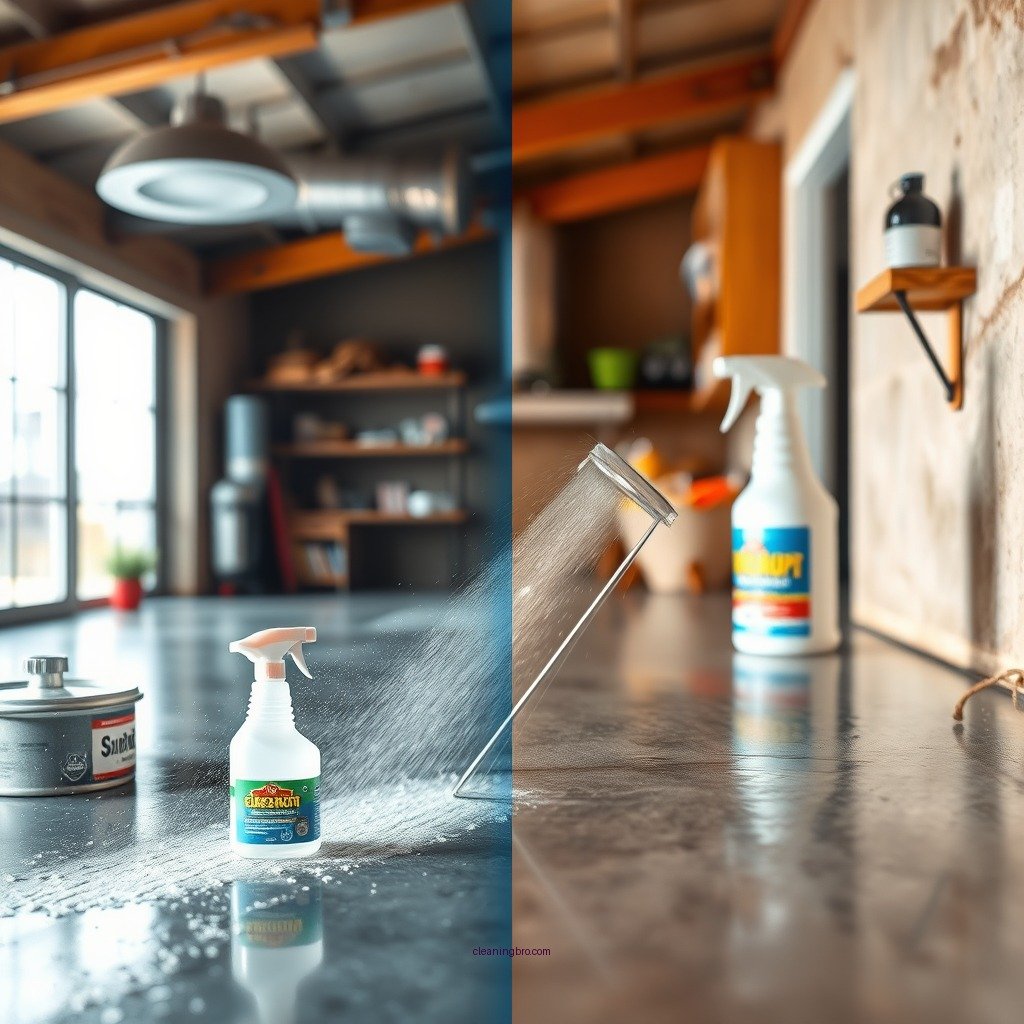
– Sprinkling Absorbent Materials: Begin by generously sprinkling absorbent materials such as cat litter, sawdust, or even baking soda over the spill. These materials will help soak up the antifreeze, making it easier to clean.
– Let It Sit: Allow the absorbent material to sit for several hours or overnight, depending on the size of the spill. This will enable it to absorb the antifreeze effectively.
– Sweep Away Residue: After the absorption period, sweep up the used absorbent material and dispose of it responsibly.
This step is critical as it reduces the amount of liquid left on the concrete, making the subsequent cleaning process easier and more effective.
Cleaning the Stain
Once you have absorbed the antifreeze, the next step is to clean the stain left on the concrete. Here’s how to do it:
– Mixing a Cleaning Solution: Create a mixture of dish soap and warm water. The soap will help break down the antifreeze molecules, making it easier to lift the stain from the concrete.
– Scrubbing: Using a stiff-bristled brush or a scrub pad, apply the soapy water to the affected area. Scrub vigorously to ensure that you lift the stain effectively.
– Commercial Cleaners: For stubborn stains that resist removal, consider using a commercial concrete cleaner specifically designed for oil and chemical stains. Make sure to follow the manufacturer’s instructions for safe and effective use.
This cleaning step is crucial for restoring the appearance of your concrete and preventing long-term damage.
Rinsing and Inspecting the Area
After scrubbing, rinsing is essential to remove any soap and antifreeze residue:
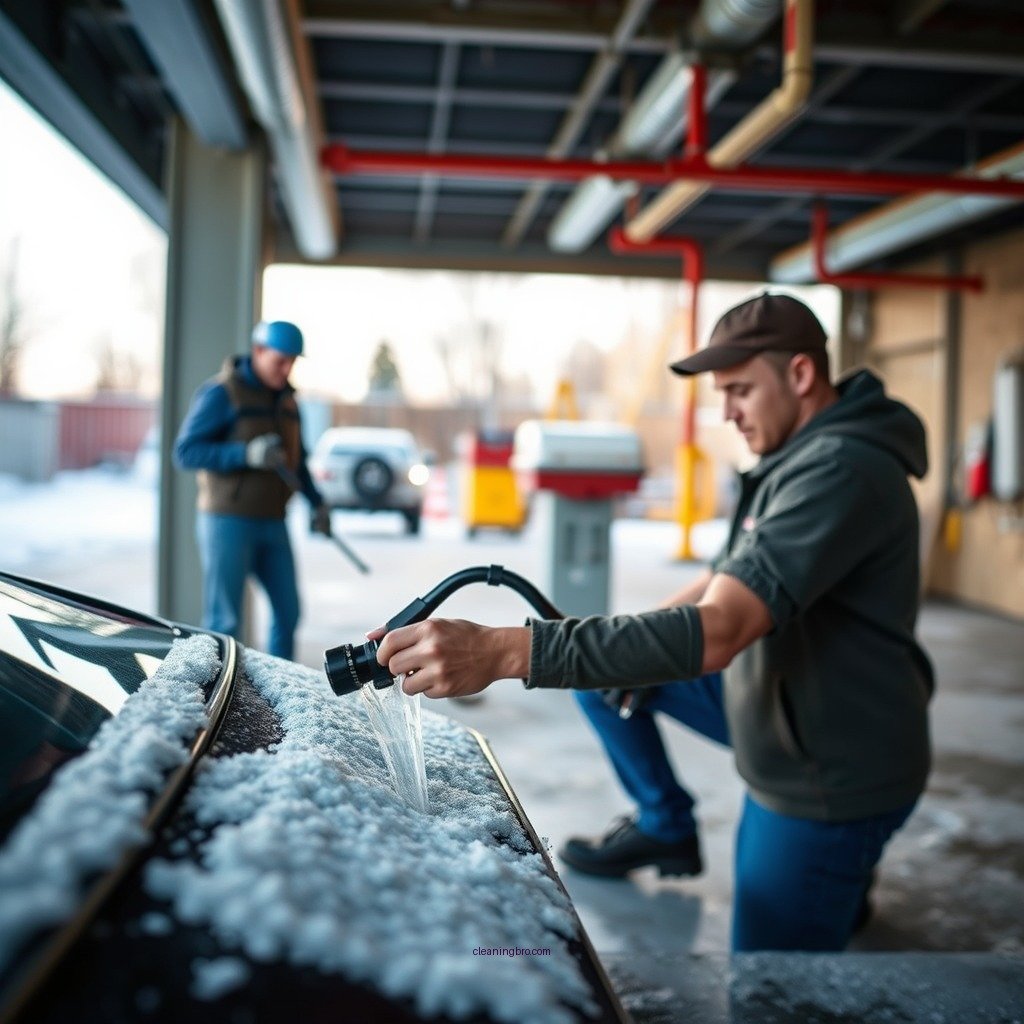
– Thorough Rinse: Rinse the area thoroughly with clean water. Using a hose with a spray nozzle will help wash away any remaining cleaning solution and contaminants.
– Inspecting for Residual Stains: After rinsing, inspect the concrete for any lingering stains. If you notice any, repeat the cleaning process as necessary until the stain is completely removed.
This final inspection ensures that your concrete is not only clean but also safe from potential chemical damage.
Preventing Future Spills
Preventative measures can save you from future cleanup efforts:– Regular Vehicle Maintenance: Regularly check your vehicle for leaks in the cooling system. Addressing any issues promptly can prevent antifreeze spills.
– Use of Mats: Consider using mats or absorbent pads under vehicles to catch any accidental drips. This simple measure can significantly reduce the chances of spills reaching your concrete surfaces.
By implementing these preventive strategies, you can maintain the integrity of your concrete surfaces and avoid the hassle of cleaning antifreeze in the future.
Eco-Friendly Disposal of Waste
Proper disposal of waste materials is crucial to prevent environmental contamination:
– Collect Used Materials: Gather the used absorbent materials to ensure they are disposed of safely.
– Follow Local Guidelines: Dispose of the materials according to local hazardous waste guidelines. Many communities have specific disposal facilities for hazardous materials, including antifreeze.
– Avoid Drains: Never pour antifreeze or used absorbent materials down drains, as this can lead to environmental contamination and harm local water sources.
By following these disposal guidelines, you contribute to a cleaner and healthier environment.
Top 7 Absorbent Materials for Cleaning Antifreeze (2024)
| # | Material | Absorption Rate | Eco-Friendly |
|---|---|---|---|
| 1 | Cat Litter | High | Yes |
| 2 | Sawdust | Medium | Yes |
| 3 | Baking Soda | High | Yes |
| 4 | Cornstarch | Medium | Yes |
| 5 | Clumping Litter | High | Yes |
| 6 | Gravel | Medium | Yes |
| 7 | Paper Towels | Low | No |
Effectiveness of Absorbent Materials for Antifreeze Cleanup
Best Absorbent Materials for Cleaning Antifreeze
| Feature | ⭐ Cat Litter | Baking Soda | Sawdust |
|---|---|---|---|
| Absorption Rate | High | High | Medium |
| Eco-Friendly | Yes | Yes | Yes |
| Cost | Low | Low | Very Low |
| Ease of Use | Easy | Easy | Moderate |
| Versatility | High | High | Medium |
| Availability | Widely Available | Widely Available | Easily Found |
| Storage | Requires Storage | Requires Storage | Requires Storage |
| Environmental Impact | Low | Low | Low |
| Best For | General Use | General Use | Light Cleanup |
| 🏆 Best For | General Cleanup | Chemical Cleanup | Light Spills |
By following these steps, you can effectively clean antifreeze off concrete surfaces and protect your property. Take the necessary precautions and act swiftly to maintain a safe and clean environment. If you encounter persistent stains, consider consulting a professional for deeper cleaning options. Remember, the key to managing antifreeze spills effectively lies in timely action and proper disposal methods, which ensure both your safety and the environment’s well-being.
Frequently Asked Questions
What are the best methods for removing antifreeze stains from concrete?
The best methods for removing antifreeze stains from concrete include using a mixture of dish soap and warm water, applying a degreaser specifically formulated for concrete, or using a commercial concrete cleaner. Scrubbing the area with a stiff-bristle brush can help lift the stain, while rinsing thoroughly with water will ensure no residue remains.
How do I safely clean antifreeze off my garage floor?
To safely clean antifreeze off your garage floor, start by wearing protective gloves and eyewear. Absorb any excess antifreeze with cat litter or sawdust, then apply a concrete cleaner or a mixture of baking soda and water to the stained area. Scrub with a stiff brush and rinse well to prevent any chemical residue.
Why is it important to clean antifreeze spills on concrete promptly?
Cleaning antifreeze spills on concrete promptly is crucial because antifreeze is toxic and can pose health risks to pets, wildlife, and humans. Additionally, if left untreated, it can penetrate the concrete, making the stain more difficult to remove and potentially damaging the surface.
Which household items can help remove antifreeze from concrete effectively?
Household items like baking soda, vinegar, and dish soap can effectively remove antifreeze from concrete. A paste made of baking soda and water can be applied to the stain, while vinegar can help break down any remaining residue when rinsed off with water.
What should I avoid when cleaning antifreeze from concrete surfaces?
When cleaning antifreeze from concrete surfaces, avoid using bleach or ammonia, as these can react with the antifreeze and create harmful fumes. Additionally, do not use high-pressure washing without pre-treating the stain, as this can push the antifreeze deeper into the concrete, making it harder to remove.
References
- https://www.ncbi.nlm.nih.gov/pmc/articles/PMC5407205/
https://www.ncbi.nlm.nih.gov/pmc/articles/PMC5407205/ - https://www.epa.gov/p2/cleaning-products-and-antifreeze
https://www.epa.gov/p2/cleaning-products-and-antifreeze - https://www.cdc.gov/niosh/topics/antifreeze.html
https://www.cdc.gov/niosh/topics/antifreeze.html - https://www.sciencedirect.com/topics/earth-and-planetary-sciences/antifreeze
https://www.sciencedirect.com/topics/earth-and-planetary-sciences/antifreeze - https://www.britannica.com/science/antifreeze
https://www.britannica.com/science/antifreeze - Contributors – Herbal Medicine – NCBI Bookshelf
https://www.ncbi.nlm.nih.gov/books/NBK92753/ - https://www.hindawi.com/journals/jece/2020/8763465/
https://www.hindawi.com/journals/jece/2020/8763465/ - Google Scholar Google Scholar
https://scholar.google.com/scholar?q=clean+antifreeze+off+concrete - Google Scholar Google Scholar
https://scholar.google.com/scholar?q=antifreeze+removal+methods+concrete - Google Scholar Google Scholar
https://scholar.google.com/scholar?q=how+to+clean+antifreeze+off+concrete