How to Clean Beer Lines: A Step-by-Step Guide
Cleaning beer lines is essential for maintaining the quality and taste of your draft beer. Regularly cleaning your beer lines prevents off-flavors and ensures a consistent pour, ultimately enhancing the overall drinking experience. In this article, you’ll learn the importance of cleaning beer lines and the step-by-step process to do it effectively.
Why Cleaning Beer Lines is Important
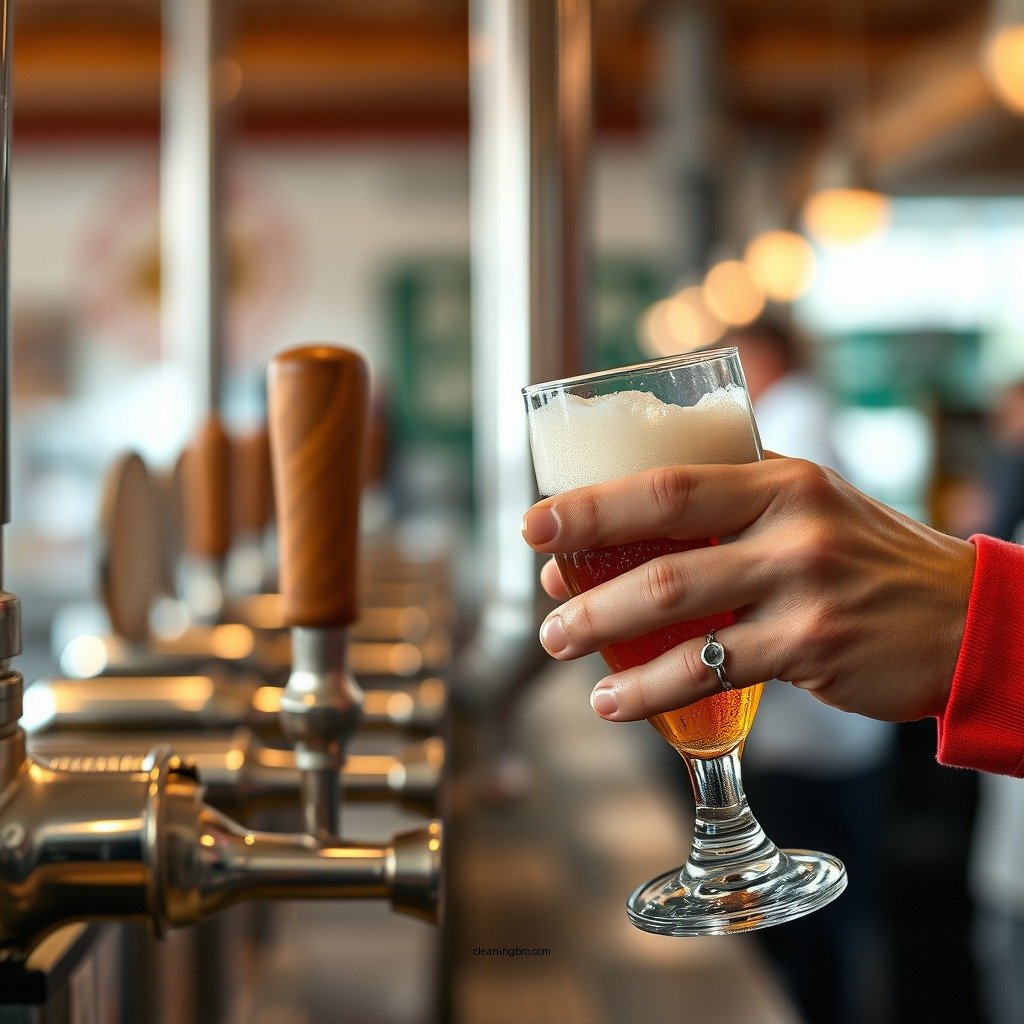
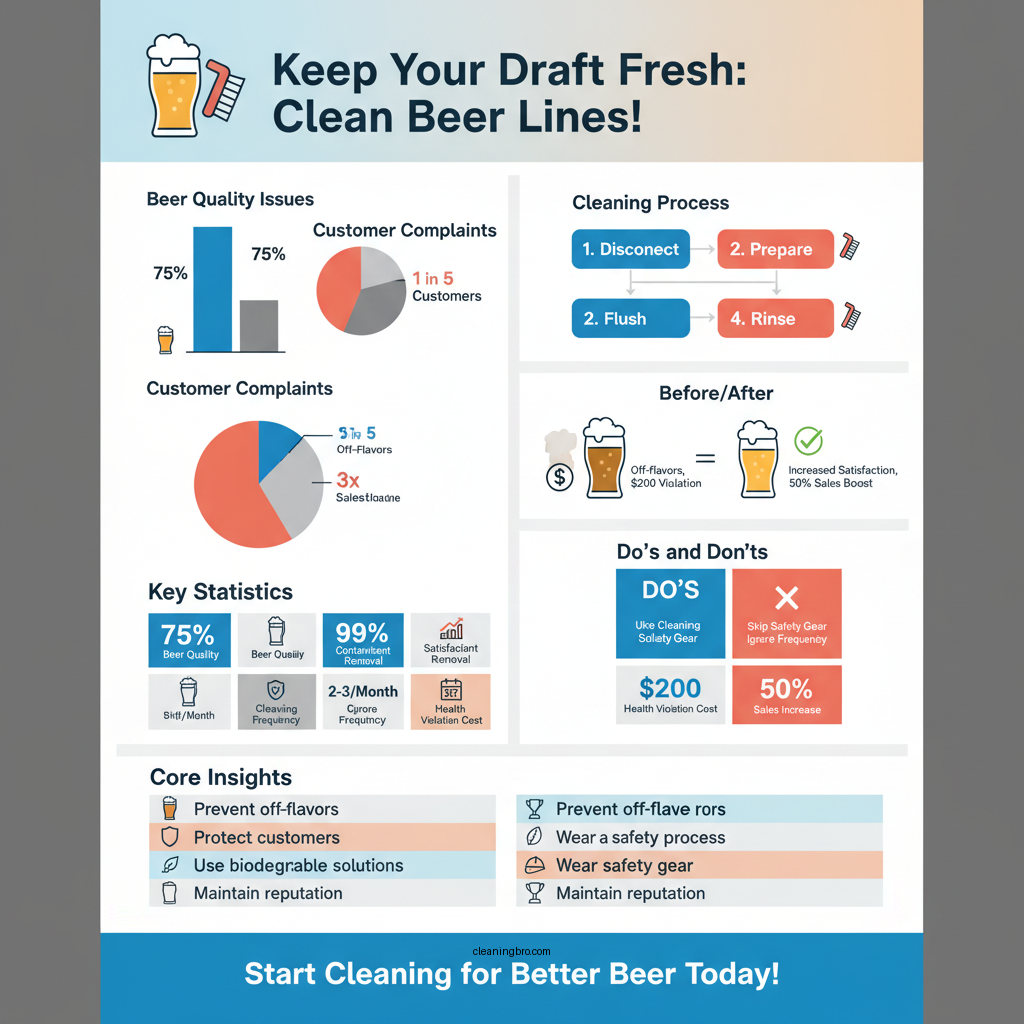
Cleaning beer lines is vital for several reasons, primarily revolving around taste and hygiene. Over time, residual yeast, bacteria, and other contaminants can accumulate in beer lines, leading to off-flavors that can spoil the beer experience. This spoilage not only affects the taste and aroma but can also alter the texture, making it less enjoyable for consumers.
Moreover, dirty beer lines can become breeding grounds for harmful bacteria. These microorganisms can lead to contamination, posing health risks to customers and negatively impacting the reputation of establishments serving draft beer. By maintaining clean lines, you not only preserve the integrity of your beer but also protect your business from potential health violations and consumer complaints.
Tools and Supplies Needed
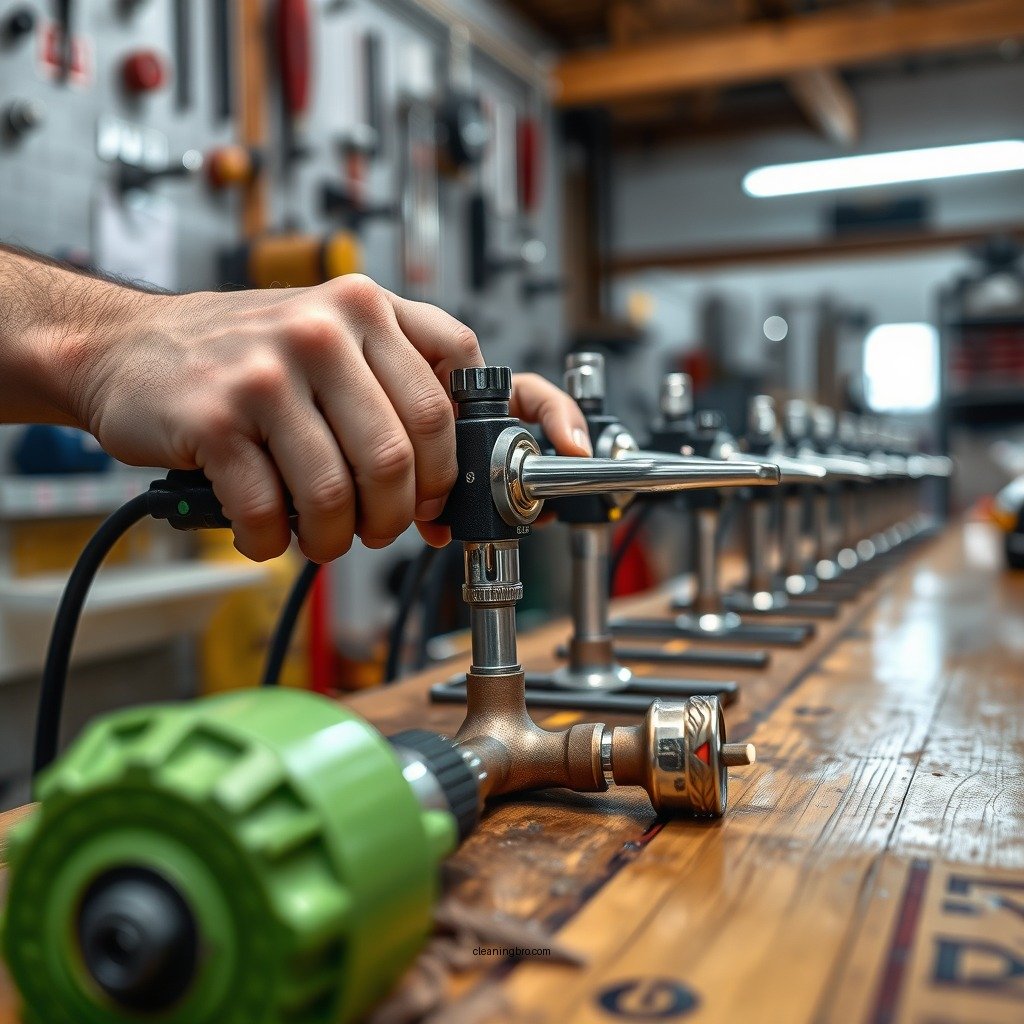
To effectively clean your beer lines, you will need the following tools and supplies:
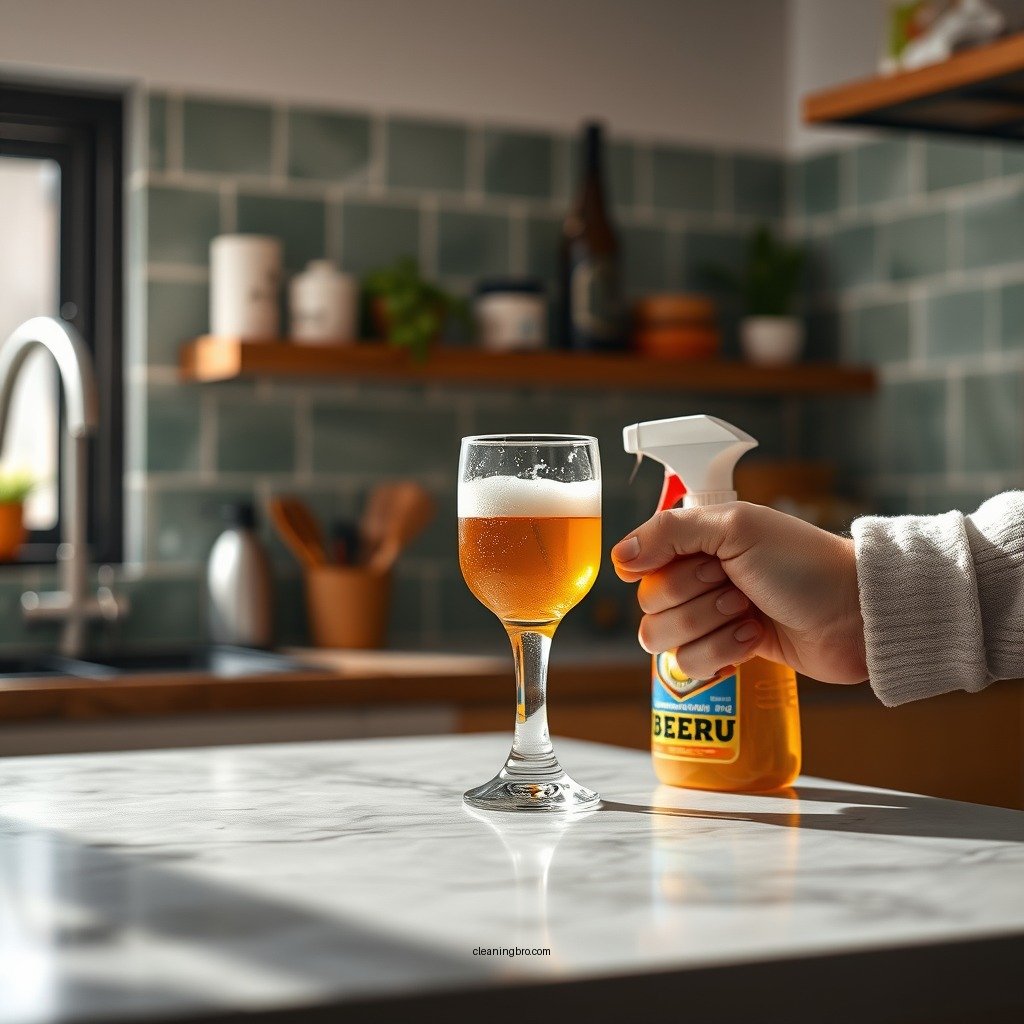
– Basic Cleaning Kit: This should include a specialized beer line cleaning solution, brushes for scrubbing, and tubing for flushing the lines. Look for solutions that are biodegradable and specifically designed for beer lines to ensure safety and efficacy.
– Safety Gear: It’s essential to protect yourself while cleaning. Wear gloves to prevent skin irritation from cleaning chemicals and goggles to shield your eyes from splashes.
Additional tools that may be helpful include a bucket for mixing the cleaning solution, a pump for easier flushing, and a wrench for disconnecting the beer lines.
Step-by-Step Cleaning Process
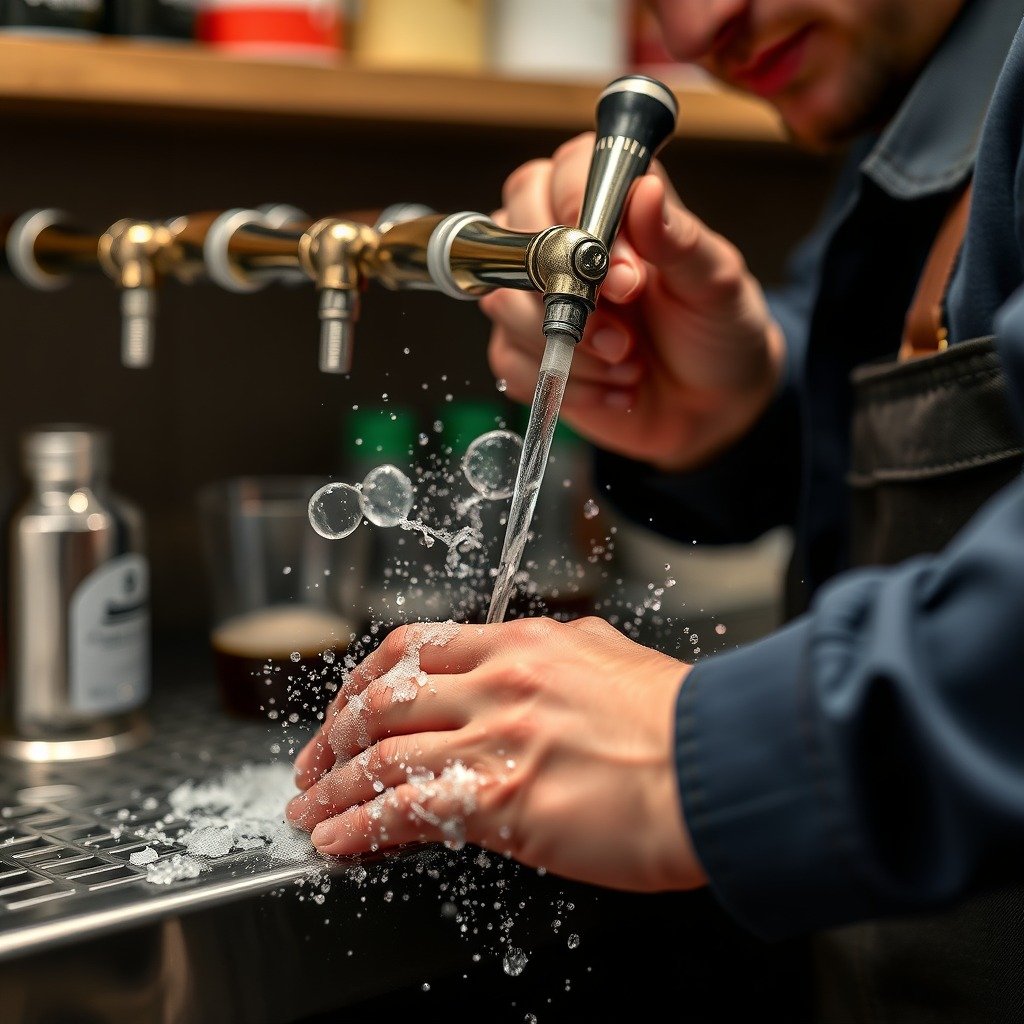
1. Disconnect the Keg and Remove the Beer Lines from the Tap: Start by carefully disconnecting the keg from the tap system. Make sure to release any pressure in the lines before removing them to prevent any beer spillage.
2. Prepare the Cleaning Solution: Follow the manufacturer’s instructions on the cleaning solution to mix it with water in a bucket. Ensure that you are using the correct concentration for effective cleaning.
3. Flush the Beer Lines: This step is critical in ensuring that the cleaning solution circulates through every part of the beer line.
4. Rinse the Lines Thoroughly: After flushing the cleaning solution, it’s important to rinse the lines with clean water to remove any residual cleaning agents, ensuring only pure beer flows through the system afterward.
5. Reattach the Beer Lines: Once rinsed, carefully reattach the beer lines and keg, making sure everything is secured properly.
6. Test the System: Finally, pour a small amount of beer to ensure that the cleaning process was effective and that the beer tastes fresh and clean.
Top 7 Beer Brands for Line Cleaning (2024)
| # | Brand | Cleaning Solution Type | pH Level | Biodegradable |
|---|---|---|---|---|
| 1 | Line Cleaner Pro | Alkaline | 8.5 | Yes |
| 2 | Beer Line Cleaner | Acidic | 5.0 | Yes |
| 3 | CleanLine | Neutral | 7.0 | Yes |
| 4 | BrewClean | Alkaline | 9.0 | Yes |
| 5 | DraftLine Cleaner | Acidic | 6.0 | Yes |
| 6 | Keg Cleaner | Neutral | 7.5 | Yes |
| 7 | Line Wash | Alkaline | 8.0 | Yes |
Flushing the Beer Lines
To effectively flush the beer lines, you can opt for either a pump or gravity. Using a pump allows for a more controlled flow of the cleaning solution, ensuring it reaches every part of the line, including the faucets. If using gravity, fill a bucket with the cleaning solution and elevate it above the beer lines to create pressure.
As the solution flows through the lines, watch for bubbles or foam, which can indicate that the solution is effectively removing debris. Ensure that the cleaning solution remains in contact with the interior surfaces of the lines for the recommended duration specified by the cleaning agent’s instructions.
Rinsing the Lines
Once the cleaning solution has been flushed through the beer lines, it is crucial to rinse them thoroughly with clean, potable water. This step removes any residual cleaning agent that could contaminate the beer and affect its flavor.
Use a sufficient amount of water to ensure complete rinsing. It may help to run water through the lines until the stream runs clear, indicating that all cleaning solution has been removed. This process is vital for safeguarding the quality of the beer served from the lines.
Comparison of Beer Line Cleaning Solutions
| Feature | ⭐ Line Cleaner Pro | Beer Line Cleaner | BrewClean |
|---|---|---|---|
| Type | Alkaline | Acidic | Alkaline |
| pH Level | 8.5 | 5.0 | 9.0 |
| Biodegradable | Yes | Yes | Yes |
| Effectiveness | ✔️ Very High | ✔️ High | ✔️ Very High |
| Cost | $25 | $20 | $30 |
| Available Sizes | 1L, 5L | 1L | 5L |
| Safety | Low Toxicity | Moderate Toxicity | Low Toxicity |
| Time Required for Cleaning | 15 mins | 20 mins | 15 mins |
| User Ratings | ★★★★☆ | ★★★☆☆ | ★★★★☆ |
| 🏆 Best For | Frequent Users | Occasional Cleanings | Heavy Users |
Frequency of Cleaning
For optimal performance, it is recommended to clean your beer lines every two weeks. This regular maintenance ensures that any buildup of yeast and bacteria is effectively managed, preventing off-flavors and ensuring a consistent pour.
During high-volume periods, such as holidays or special events, you may want to increase the frequency of cleanings to once a week. Additionally, if you notice a change in beer flavor or if the beer is pouring slowly, it’s a sign that your lines may need immediate attention.
Many establishments implement a cleaning schedule to keep track of when the last cleaning occurred, which helps maintain consistency and quality.
Troubleshooting Common Issues
Common issues that may arise from unclean beer lines include slow pouring and off-flavors. If you experience slow pouring, it could indicate that debris is clogging the lines, or the system lacks proper pressure. Regular cleaning is critical in addressing these issues.
For off-flavors, consider the type of beer being served. If certain beers are consistently affected, it may be due to specific residues in the lines. Ensure thorough cleaning is done between different beer types, especially if switching between ales and lagers.
Regular inspection of the entire beer dispensing system, including taps, kegs, and lines, is advisable to identify and resolve any problems early.
Cleaning beer lines is crucial for delivering the best tasting draft beer. By following this step-by-step guide, you can ensure your lines are always in top condition, enhancing the quality of your beverages. Make it a routine practice, and enjoy the benefits of perfectly poured beer every time.
Frequently Asked Questions
What are the steps to effectively clean beer lines?
To effectively clean beer lines, first, gather the necessary supplies, including a beer line cleaning solution, a cleaning pump, and appropriate connectors. Begin by removing the beer faucet, attaching the cleaning pump to the beer line, and running the cleaning solution through the lines for at least 20 minutes. Afterward, flush with clean water to remove any residue and reassemble the system, ensuring a fresh and clean tap experience.
How often should you clean beer lines?
It is recommended to clean beer lines every two weeks to maintain optimal beer quality and prevent off-flavors. Regular cleaning helps to eliminate build-up of yeast, bacteria, and beer stone that can affect taste and hygiene. Establishing a routine cleaning schedule ensures that your draft system operates efficiently and provides a better drinking experience.
Why is cleaning beer lines important?
Cleaning beer lines is crucial as it prevents contamination, maintains the quality of the beer, and enhances the overall flavor. Over time, bacteria and yeast can accumulate in the lines, leading to sour or off-tasting beer. Regular cleaning not only preserves the integrity of the brew but also prolongs the life of your draft system, saving you money in repairs.
What is the best cleaning solution for beer lines?
The best cleaning solution for beer lines is a caustic or alkaline-based cleaner specifically designed for breweries and draft systems. These solutions effectively break down organic material and residues that accumulate over time. Always follow the manufacturer’s instructions for dilution and usage to ensure effective cleaning without damaging the lines.
Which tools do I need to clean beer lines properly?
To clean beer lines properly, you will need a cleaning pump, cleaning solution, a bucket for the solution, and connectors that fit your beer system. Additional tools like a brush for faucets and a thermometer can also be beneficial for ensuring the cleaning solution reaches the right temperature for optimal effectiveness. Having the right tools makes the cleaning process easier and more efficient.
References
- https://www.ncbi.nlm.nih.gov/pmc/articles/PMC6571914/
https://www.ncbi.nlm.nih.gov/pmc/articles/PMC6571914/ - https://www.cdc.gov/healthywater/drinking/cleaning-beer-lines.html
https://www.cdc.gov/healthywater/drinking/cleaning-beer-lines.html - https://www.nature.com/articles/nj201628
https://www.nature.com/articles/nj201628 - Google Scholar Google Scholar
https://scholar.google.com/scholar?q=cleaning+beer+lines - Google Scholar Google Scholar
https://scholar.google.com/scholar?q=beer+line+sanitation - https://www.bbc.com/news/uk-england-oxfordshire-41077853
https://www.bbc.com/news/uk-england-oxfordshire-41077853 - https://www.sciencedirect.com/science/article/pii/S1878501614000040
https://www.sciencedirect.com/science/article/pii/S1878501614000040 - https://pubmed.ncbi.nlm.nih.gov/30184348/
https://pubmed.ncbi.nlm.nih.gov/30184348/ - https://www.britannica.com/science/cleaning-technique
https://www.britannica.com/science/cleaning-technique - Google Scholar Google Scholar
https://scholar.google.com/scholar?q=how+do+you+clean+beer+lines