How to Clean Artificial Tree Leaves: A Step-by-Step Guide
Cleaning artificial tree leaves is a straightforward process that can refresh their appearance and prolong their lifespan. To effectively clean these leaves, you can use simple methods involving dusting, washing, and drying. This guide will walk you through the best techniques to ensure your artificial foliage looks as good as new.
Dusting the Leaves

Dust tends to accumulate on artificial tree leaves over time, dulling their appearance and making them look less vibrant. To effectively remove this buildup, start by using a microfiber cloth or a soft duster. Gently wipe each leaf, ensuring you catch all the corners and crevices where dust tends to settle. Microfiber cloths are particularly effective because they are designed to trap dust rather than just move it around.
For hard-to-reach areas, such as between clusters of leaves or branches, a vacuum cleaner equipped with a brush attachment can be a lifesaver. Set the vacuum on a low suction setting to avoid damaging the leaves. This method not only removes surface dust but also helps in maintaining the overall health of the artificial tree by preventing the buildup of grime that can attract pests.
Washing the Leaves
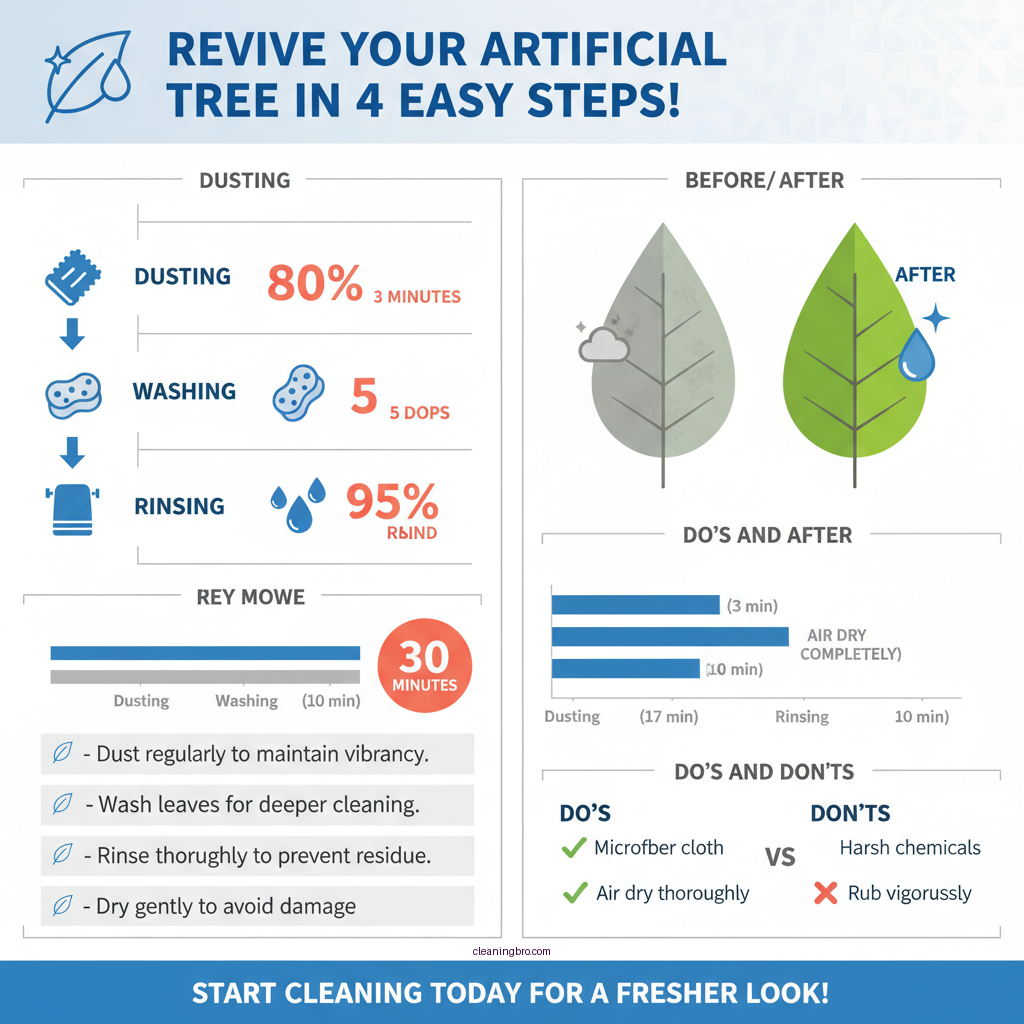
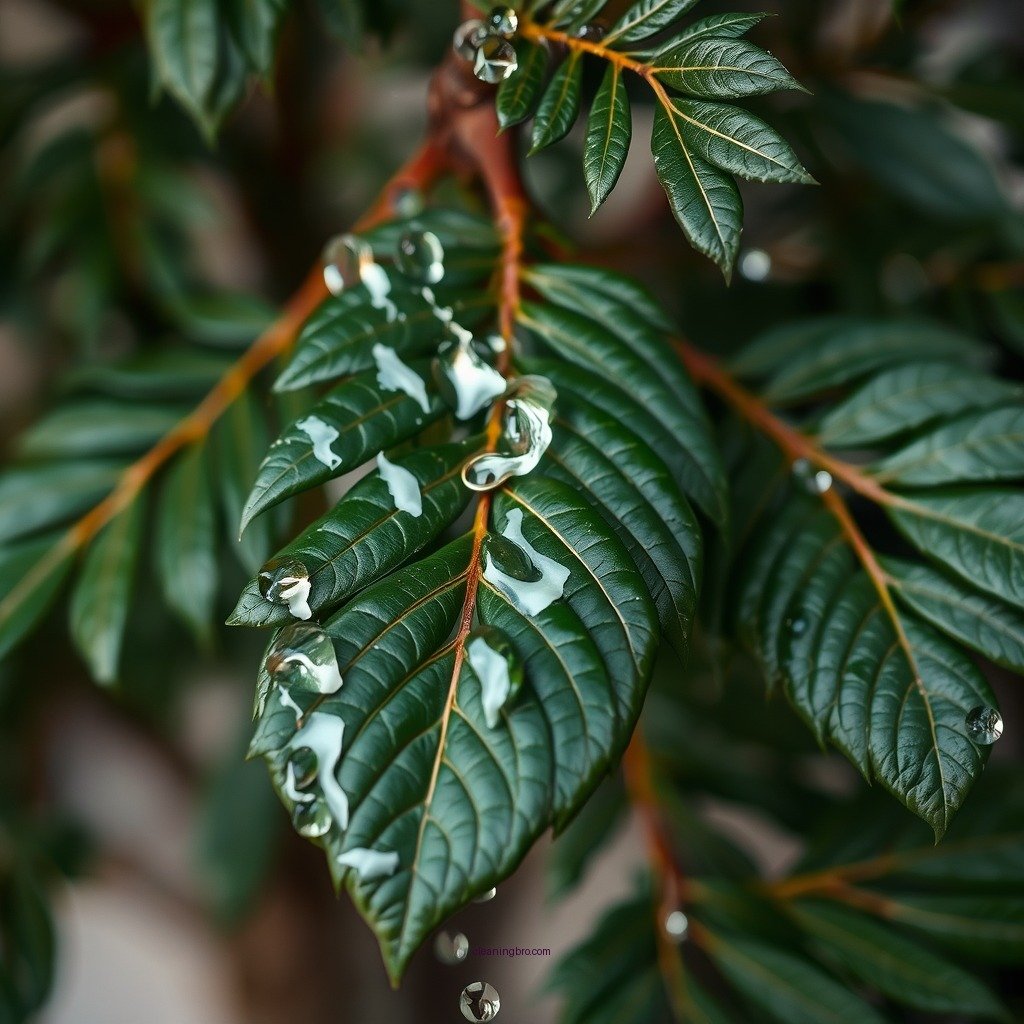
When dusting is not enough, washing the leaves is the next step. Begin by filling a basin or sink with lukewarm water and adding a few drops of mild dish soap. It’s essential to choose a gentle soap to prevent any potential damage to the material of the leaves. Carefully submerge the leaves, using your hands to gently agitate the water and create a soapy solution.
After soaking them for a few minutes, take a soft sponge and scrub each leaf individually. Focus on areas that seem particularly dirty, but be gentle to avoid tearing or damaging the leaves. This step is particularly effective for removing sticky residues or noticeable stains that dusting alone cannot handle.
Rinsing the Leaves
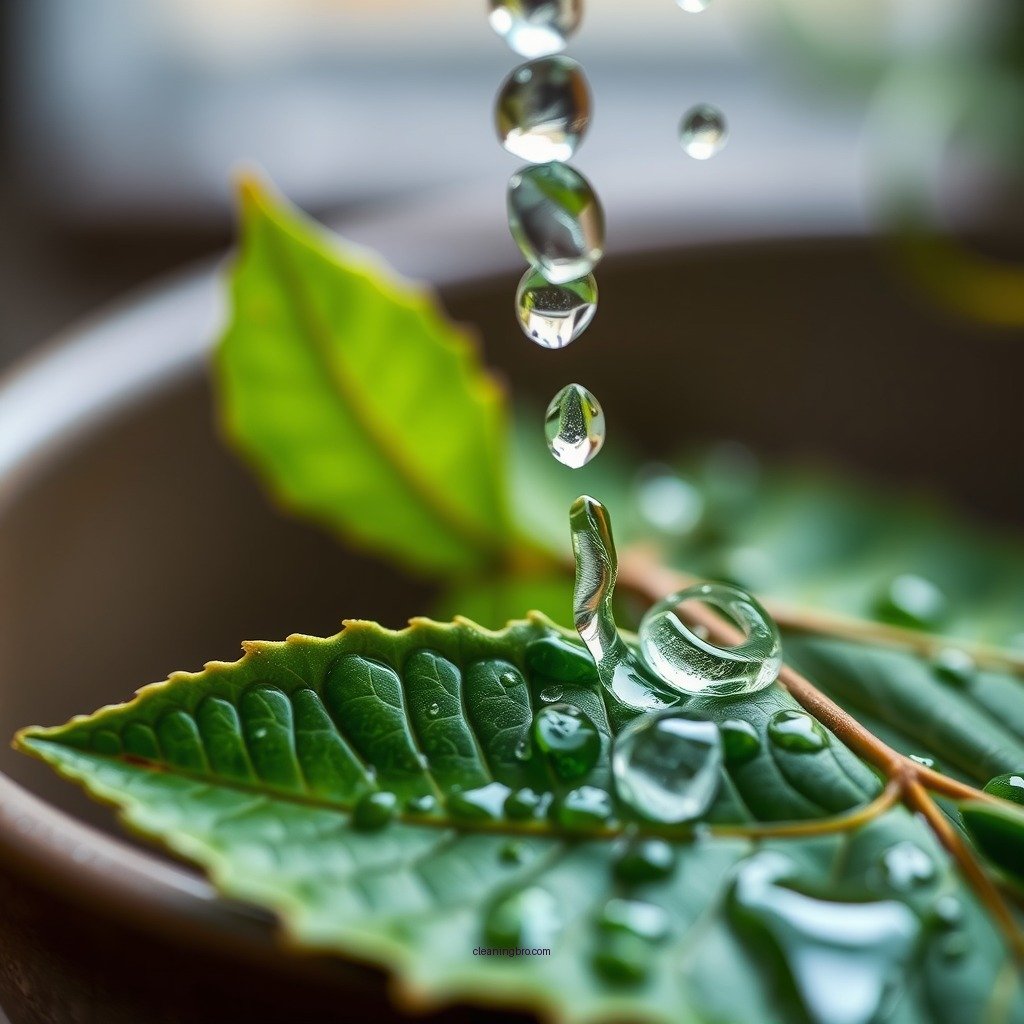
Once the washing is complete, it’s crucial to rinse the leaves thoroughly. Use lukewarm running water to rinse off any soap residues. It’s important to ensure that no soap is left behind, as this can lead to further dirt accumulation and may even affect the color of the leaves. If necessary, hold each leaf under the water until it runs clear.
For larger artificial trees, it might be more practical to take them outside and use a garden hose on a gentle setting. This method not only makes rinsing easier but also allows you to clean multiple leaves at once without the risk of water pooling.
Drying the Leaves
After rinsing, the next step is to dry the leaves properly to prevent any water spots or mildew. Use a clean, dry towel to gently pat each leaf. Avoid rubbing, as this can lead to scratches or damage to the surface finish.
For optimal results, allow the leaves to air dry completely before placing the artificial tree back on display. Position the tree in a well-ventilated area to speed up the drying process. If your artificial tree is particularly large, consider placing it outdoors in a shaded area to dry naturally.
Preventive Maintenance
Preventive maintenance is key to keeping your artificial tree looking its best. Regularly dusting your artificial tree leaves at least once a month will significantly minimize the buildup of dirt and grime, making your cleaning efforts easier.
Additionally, consider using a protective spray designed specifically for artificial plants. These sprays can help repel dust and dirt, making it easier to keep your tree clean in the long run. Always follow the instructions on the product label to ensure compatibility with your tree’s material.
Storing Artificial Trees
When not in use, proper storage of artificial trees is essential to maintaining their shape and appearance. Store them in a cool, dry place, ideally inside a dust-free bag or box to prevent dust accumulation.
Avoid stacking heavy items on top of them, as this can deform the leaves and branches. If possible, disassemble larger trees into sections to minimize space and protect each component during storage.
Special Considerations
Before embarking on the cleaning process, always check the manufacturer’s care instructions. Some artificial trees are made from materials that might require specific cleaning methods or products. For instance, silk leaves may need a gentler approach than plastic ones.
If you have a large artificial tree, using a garden hose outdoors to rinse the leaves can be an efficient cleaning method. Just ensure that you are gentle and use a low-pressure setting to avoid damaging the tree.
Top 7 Artificial Plant Care Products (2024)
| # | Product | Type | Size | Effectiveness |
|---|---|---|---|---|
| 1 | Artificial Plant Cleaner | Liquid Spray | 500ml | High |
| 2 | Dusting Cloths | Textile | Pack of 3 | Medium |
| 3 | Silk Leaf Cleaner | Spray | 300ml | Low |
| 4 | Microfiber Duster | Duster | 1 piece | High |
| 5 | Protective Spray | Liquid | 400ml | High |
| 6 | Leaf Shine Spray | Liquid Spray | 250ml | Medium |
| 7 | Cleaning Wipes | Wipes | Pack of 20 | High |
Effectiveness of Different Cleaning Methods for Artificial Trees
Top 3 Cleaning Products for Artificial Trees
| Feature | ⭐ Artificial Plant Cleaner | Dusting Cloths | Protective Spray |
|---|---|---|---|
| Price | $14.99 | $9.99 | $12.99 |
| Type | Liquid Spray | Textile | Liquid |
| Effectiveness | ✅ High | ✅ Medium | ✅ High |
| Ease of Use | Simple spray application | Wipe and dust | Spray and wipe |
| Scent | Fresh | None | Pleasant |
| Volume | 500ml | 3 cloths | 400ml |
| Safe for Leaves | ✅ Yes | ✅ Yes | ✅ Yes |
| Drying Time | Quick | Immediate | Quick |
| Best For | General cleaning | Dusting | Protection |
| 🏆 Best For | Complete cleaning solution | Quick dusting | Preventing dust accumulation |
Keeping your artificial tree leaves clean not only enhances their appearance but also contributes to a healthier indoor environment. By following these simple steps, incorporating regular cleaning into your home maintenance routine, and utilizing appropriate cleaning products, you can maintain the beauty and longevity of your artificial plants. Whether you are preparing for a special occasion or simply want to refresh your living space, these cleaning techniques will ensure your artificial trees always look their best.
Frequently Asked Questions
What is the best way to clean artificial tree leaves?
The best way to clean artificial tree leaves is to use a soft, damp cloth or a microfiber duster. Start by gently wiping each leaf to remove dust and dirt. For tougher stains, you can mix a small amount of mild soap with water and use a cloth to clean the leaves, ensuring they dry completely afterward to prevent any water damage.
How often should I clean my artificial tree leaves?
You should clean your artificial tree leaves at least once every few months to prevent dust buildup. If your artificial tree is placed in a high-traffic area or near windows, consider cleaning it monthly to maintain its appearance and keep allergens at bay. Regular maintenance helps keep the leaves looking vibrant and can prolong the life of your artificial tree.
Why is it important to clean artificial tree leaves?
Cleaning artificial tree leaves is important because dust and dirt can accumulate over time, making the tree look dull and unappealing. Additionally, regular cleaning can help reduce allergens in your home, improving indoor air quality. Keeping your artificial tree clean ensures it remains a beautiful and healthy addition to your decor.
Which cleaning products are safe for artificial tree leaves?
When cleaning artificial tree leaves, it’s best to use mild soap and water, or a gentle all-purpose cleaner. Avoid harsh chemicals or abrasive cleaners, as they can damage the leaves’ finish and color. Always test any new cleaning product on a small, inconspicuous area first to ensure it won’t harm the material.
Can I use a vacuum cleaner to clean artificial tree leaves?
Yes, you can use a vacuum cleaner to clean artificial tree leaves, but it’s important to use a soft brush attachment. This method effectively removes dust without risking damage to the leaves. Be sure to set the vacuum on a low suction setting to avoid pulling on the leaves or dislodging them from the branches.
References
- 3 Ways to Clean Fake Plants – wikiHow
https://www.wikihow.com/Clean-Fake-Plants - https://www.hgtv.com/how-to/how-to-clean-artificial-plants
https://www.hgtv.com/how-to/how-to-clean-artificial-plants - Grazing intensity drives plant diversity but does not affect forage production in a natural grass…
https://www.nature.com/articles/s41598-021-96208-8 - https://pubmed.ncbi.nlm.nih.gov/30006612/
https://pubmed.ncbi.nlm.nih.gov/30006612/ - Google Scholar Google Scholar
https://scholar.google.com/scholar?q=cleaning+artificial+tree+leaves - Google Scholar Google Scholar
https://scholar.google.com/scholar?q=care+for+artificial+plants - Google Scholar Google Scholar
https://scholar.google.com/scholar?q=cleaning+fake+plants+maintenance - Decorative art | Definition, Examples, & Facts | Britannica
https://www.britannica.com/art/decorative-art - https://www.sciencedirect.com/science/article/pii/S2210670721001808
https://www.sciencedirect.com/science/article/pii/S2210670721001808 - Google Scholar Google Scholar
https://scholar.google.com/scholar?q=how+to+clean+artificial+tree+leaves