

Cleaning your swimming goggles is essential for maintaining clear visibility and extending their lifespan. To clean them effectively, rinse them with fresh water, use mild soap, and avoid abrasive materials. In this guide, you’ll learn the best practices for keeping your goggles in top condition, ensuring that you can focus on your swim without distractions.



Swimming goggles are an essential piece of equipment for swimmers, whether they are training or enjoying a leisurely swim. However, exposure to chlorinated or saltwater, coupled with the oils and dirt from your skin, can lead to fogging, scratches, and other issues if not cleaned properly. By adopting a systematic cleaning routine, you can preserve the integrity of your goggles, enhance your visibility underwater, and ultimately improve your overall swimming experience.
Rinse After Each Use

One of the simplest yet most effective ways to maintain your swimming goggles is to rinse them with fresh water immediately after each use. This action helps to remove chlorine, salt, dirt, and oils that accumulate on the lenses and straps during your swim. Chlorine, in particular, is notorious for causing lens damage over time, leading to cloudiness and reduced visibility.
Rinsing your goggles immediately after swimming prevents the buildup of these harmful substances, which can lead to fogging and reduced clarity. By taking just a minute to rinse your goggles, you can significantly prolong their lifespan and maintain optimal performance.
Use Mild Soap for Deep Cleaning


While rinsing is essential, it may not be sufficient for a thorough cleaning. For deeper cleaning, you should use a mild dish soap or a specialized goggle cleaner. Apply a small amount of soap to the lenses and gently rub them with your fingers or a soft cloth. This will help remove smudges, grime, and any residual chemicals that may have remained after rinsing.
When selecting a soap, avoid harsh detergents that can damage the lens coatings or degrade the silicone straps. A gentle, biodegradable soap is often the best choice. After applying the soap, rinse your goggles under fresh water again to ensure that no residual soap remains, which could lead to irritation during your next swim.
Avoid Abrasive Materials

When cleaning your swimming goggles, it is crucial to avoid using abrasive materials that can scratch the lenses. Items such as paper towels, rough fabrics, or even sponges can leave micro-scratches on the surface of the lenses, which can accumulate over time and significantly impair your visibility.
Instead, opt for soft microfiber cloths or your fingers to clean the lenses. Microfiber cloths are designed to lift dirt and oils without scratching, making them an ideal choice for maintaining the clarity of your goggles. Additionally, if you find that your goggles have developed scratches, it might be time to consider replacing them to ensure your safety and comfort while swimming.
Anti-Fog Treatments
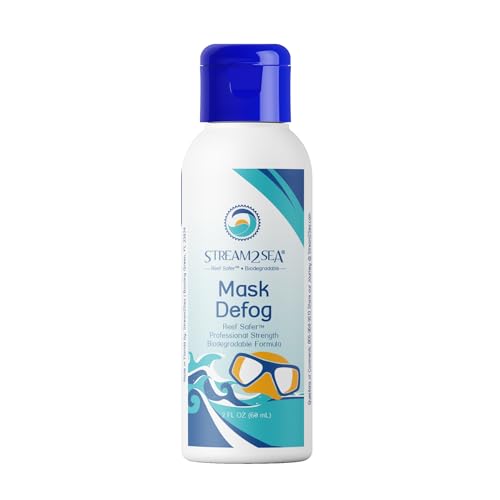
To prevent fogging during your swim, consider applying an anti-fog solution before use. These solutions create a barrier on the lenses that helps to minimize condensation, allowing you to maintain clear visibility throughout your swim.
In addition to using anti-fog treatments, proper storage and regular cleaning can help maintain the anti-fog properties of your goggles. Avoid exposing your goggles to extreme temperatures or direct sunlight, as these conditions can degrade the anti-fog coating over time. If you find that fogging persists despite using treatments, it may be time to invest in a new pair of goggles, as the anti-fog properties may have worn off.
Proper Storage Practices
Proper storage of your swimming goggles is equally important as cleaning them. After each swim, place your goggles in a protective case to prevent scratches and exposure to sunlight. This simple practice can help maintain the clarity of the lenses and extend the life of the straps.
Additionally, avoid leaving your goggles in hot places, such as inside a car or near a heater. Heat can cause the silicone and other materials to degrade, leading to a poor fit and potential leaks. By storing your goggles in a cool, dry place, you can ensure they remain in excellent condition for your next swim.
Regularly Inspect for Damage
Before you hit the water, it’s essential to regularly inspect your goggles for any signs of damage. Check for scratches on the lenses and tears or wear on the straps. Even minor damage can affect your visibility and comfort in the water, so it’s important to address any issues before swimming.
If you find that the damage affects your ability to see clearly or creates discomfort, consider replacing your goggles. Investing in a quality pair of swimming goggles will pay off in terms of performance and safety.
Top 7 Swimming Goggles for Visibility and Comfort (2024)
| # | Model | Price | Anti-Fog | UV Protection |
|---|---|---|---|---|
| 1 | Speedo Vanquisher 2.0 | $29.99 | ✅ | ✅ |
| 2 | TYR Socket Rockets 2.0 | $24.99 | ✅ | ✅ |
| 3 | Aqua Sphere Kayenne | $39.99 | ✅ | ✅ |
| 4 | Zoggs Predator Flex | $34.99 | ✅ | ✅ |
| 5 | FINIS Swimp3 | $49.99 | ❌ | ✅ |
| 6 | Swim Elite Goggles | $27.99 | ✅ | ❌ |
| 7 | Cressi F1 Goggles | $45.99 | ✅ | ✅ |
Goggle Comparison: Speedo vs TYR vs Aqua Sphere
| Feature | ⭐ Speedo Vanquisher 2.0 | TYR Socket Rockets 2.0 | Aqua Sphere Kayenne |
|---|---|---|---|
| Price | $29.99 | $24.99 | $39.99 |
| Anti-Fog | ✅ | ✅ | ✅ |
| UV Protection | ✅ | ✅ | ✅ |
| Lens Type | Polycarbonate | Polycarbonate | Polycarbonate |
| Strap Type | Silicone | Silicone | Silicone |
| Adjustability | Easy | Easy | Moderate |
| Field of Vision | Wide | Narrow | Wide |
| Weight | Lightweight | Lightweight | Lightweight |
| Comfort | High | Medium | High |
| 🏆 Best For | Performance swimmers | Recreational swimmers | Triathletes |
By following these comprehensive cleaning and maintenance steps, you can ensure that your swimming goggles remain effective, comfortable, and ready for use every time you dive into the water.
In summary, it’s crucial to rinse your goggles after each use, clean them with mild soap, and store them properly. Regular inspections for damage will further enhance your swimming experience, allowing you to focus on performance rather than equipment issues. By adhering to these practices, you can maximize the lifespan of your goggles and maintain clear visibility in the water.
Frequently Asked Questions
How do you properly clean swimming goggles after use?
To properly clean swimming goggles after use, rinse them with fresh water immediately after swimming to remove chlorine, salt, or other contaminants. Use a gentle soap or mild dish detergent on the lenses and straps, then rinse thoroughly. Avoid abrasive cleaners or scrubbers that can scratch the lenses.
What is the best way to prevent fogging on swimming goggles?
The best way to prevent fogging on swimming goggles is to apply an anti-fog solution or use a homemade remedy, such as diluted baby shampoo or a mixture of water and vinegar on the inside of the lenses. Additionally, ensure they are clean and dry before use, as moisture and dirt can contribute to fogging.
Why do my swimming goggles get dirty so quickly, and how can I clean them effectively?
Swimming goggles can get dirty quickly due to exposure to chlorine, oils from your skin, and debris from the pool environment. To clean them effectively, rinse with fresh water after each use, wipe the lenses with a soft cloth, and occasionally soak them in a mild soap solution for a deeper clean.
Which materials should I avoid when cleaning my swimming goggles?
Avoid using alcohol-based cleaners, bleach, or any abrasive materials like paper towels or rough sponges when cleaning your swimming goggles, as these can damage the lenses and coatings. Stick to gentle cleansers and soft, lint-free cloths to maintain their clarity and longevity.
How often should I clean my swimming goggles for optimal maintenance?
You should clean your swimming goggles after every use to prevent buildup of chlorine and oils, ensuring optimal maintenance. Additionally, give them a deeper clean weekly with a mild soap solution, as this helps extend the life of the goggles and keeps them functioning properly.
References
- How to Clean Swimming Goggles: Expert Advic
https://www.wikihow.com/Clean-Swimming-Goggles - Page Not Found – Site Help – Mayo Clinic
https://www.mayoclinic.org/healthy-lifestyle/fitness/expert-answers/swimming-goggles/faq-20057877 - https://www.ncbi.nlm.nih.gov/pmc/articles/PMC5921209/
https://www.ncbi.nlm.nih.gov/pmc/articles/PMC5921209/ - https://www.sciencedirect.com/science/article/pii/S1877051722000213
https://www.sciencedirect.com/science/article/pii/S1877051722000213 - https://www.healthline.com/health/swimming-goggles
https://www.healthline.com/health/swimming-goggles - https://www.cdc.gov/healthywater/swimming/goggles.html
https://www.cdc.gov/healthywater/swimming/goggles.html - https://www.nytimes.com/2020/07/30/well/live/swimming-goggles-cleaning.html
https://www.nytimes.com/2020/07/30/well/live/swimming-goggles-cleaning.html - Google Scholar Google Scholar
https://scholar.google.com/scholar?q=cleaning+swimming+goggles - Google Scholar Google Scholar
https://scholar.google.com/scholar?q=care+for+swimming+goggles - Google Scholar Google Scholar
https://scholar.google.com/scholar?q=swimming+goggles+maintenance
