How to Clean Log Cabin Interior Walls Effectively
Cleaning log cabin interior walls effectively preserves the wood while creating a fresh and inviting atmosphere. The beauty of log cabins lies in their natural wood structure, and proper cleaning methods are crucial to maintain this aesthetic. In this guide, you will learn about the necessary supplies, preparation steps, cleaning techniques tailored to different wall types, methods for removing stains, and tips for ongoing maintenance to ensure your log cabin remains a cozy haven.
Gather Necessary Supplies
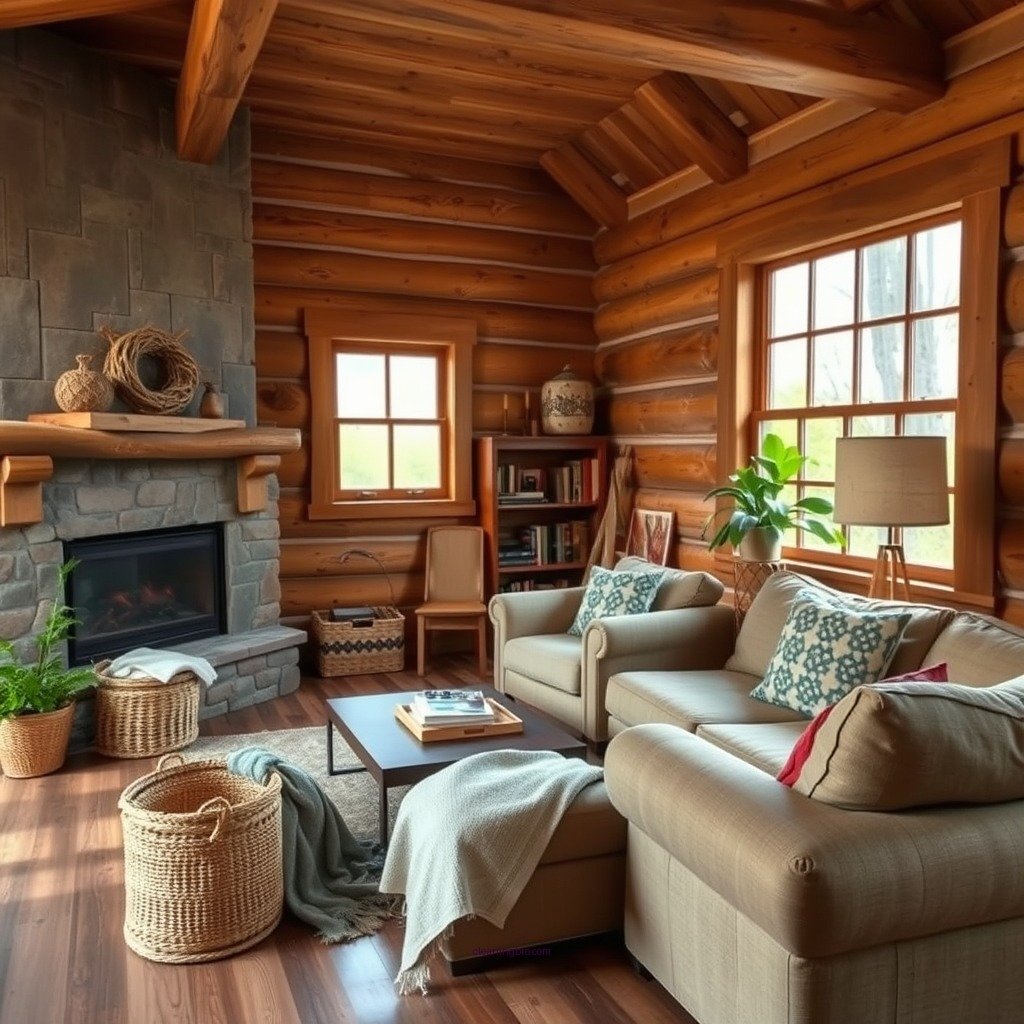
To begin the cleaning process, it is essential to gather the right materials. The following supplies will help ensure that your cleaning is effective yet gentle on the wood:
– Soft bristle brush or vacuum with a brush attachment: These tools are ideal for removing dust, cobwebs, and other debris without damaging the wood’s surface.
– Mild cleaning solution: A mixture of vinegar and water is a popular choice as it is non-toxic and safe for wood, effectively cutting through grime without harsh chemicals.
– Microfiber cloths: These are perfect for wiping down surfaces as they minimize the risk of scratches, helping to maintain the integrity of your log cabin walls.
Using the right supplies is essential to ensure that your cleaning efforts are both effective and safe for the wood.
Preparing the Walls for Cleaning
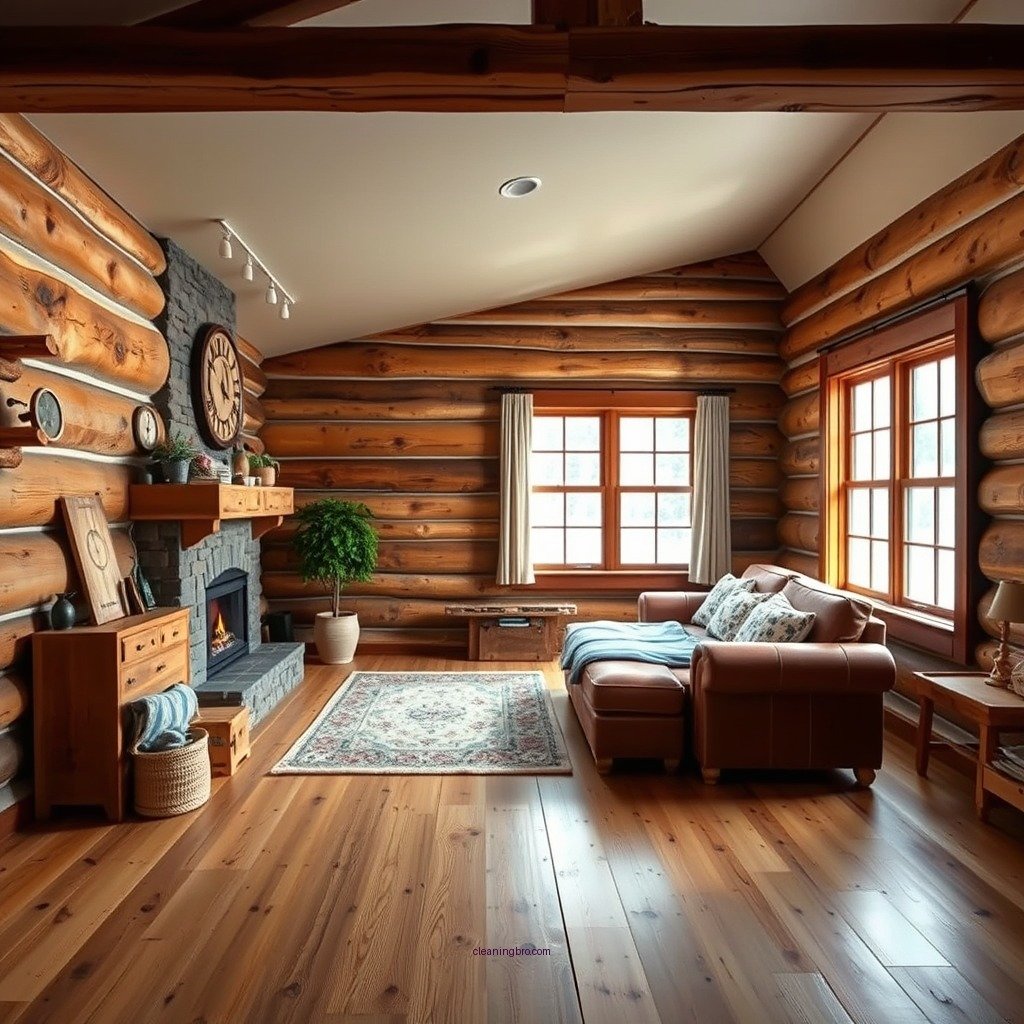
Before diving into the cleaning process, a thorough inspection of the walls is necessary. This step is critical for identifying any areas that may require special attention:
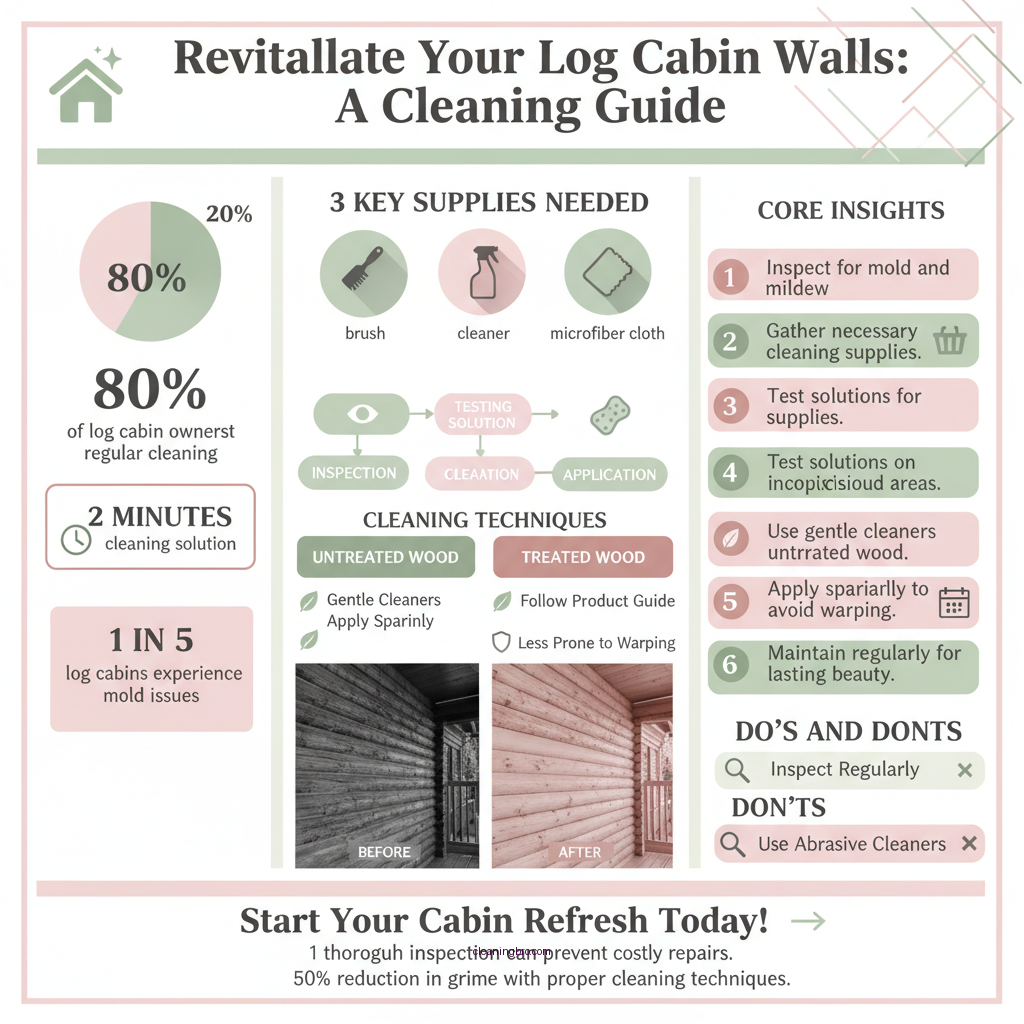
– Inspect for mold or mildew: Log cabins can be susceptible to moisture-related issues, so it is essential to check for any signs of mold or mildew. If you identify any problem areas, treat them with appropriate mold removers before proceeding with the overall cleaning.
– Test your cleaning solution: Before applying your cleaning solution to the entire wall, it’s wise to test it on a small, inconspicuous area. This will help ensure that the solution does not discolor or damage the wood.
Taking these preparatory steps will set a solid foundation for the cleaning process and avoid potential damage to the walls.
Cleaning Techniques for Different Wall Types
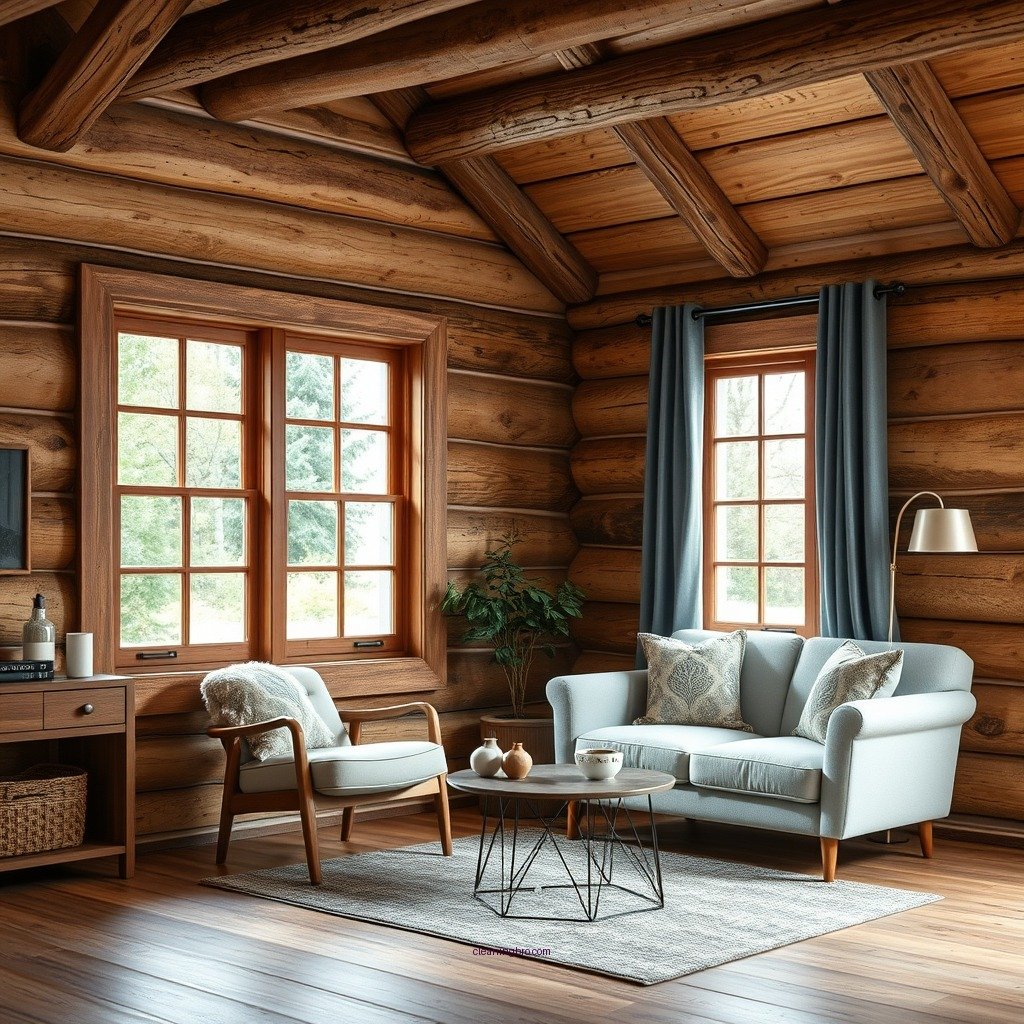
Understanding the type of wood treatment on your cabin walls is crucial for effective cleaning:
– For untreated wood: Use a gentle cleaning solution, such as a diluted vinegar mixture. Apply it sparingly with a soft cloth, as soaking the wood can lead to warping or damage.
– For treated logs: If your logs are treated with a sealant or stain, it’s essential to follow the manufacturer’s recommendations for cleaning products. These may include specific wood cleaners designed for treated surfaces to avoid compromising the wood’s protective layer.
By tailoring your cleaning approach to the type of wood, you can effectively clean without risking damage.
Removing Stains and Scuff Marks
Over time, log cabin walls may accumulate stains and scuff marks that require more focused cleaning efforts:
– For stubborn stains: Create a paste using baking soda and water. Apply this paste gently with a cloth, allowing it to sit for a few minutes before wiping it off. This method is effective for lifting stains without scratching the wood.
– For scuff marks: A damp cloth with a small amount of dish soap can work wonders. Gently rub the affected area until the scuff mark lifts, then wipe with a clean cloth to remove any soap residue.
Using these techniques can help maintain the appearance of your log cabin walls, keeping them looking pristine.
Maintaining Clean Walls
Regular maintenance is key to ensuring your log cabin walls remain clean and beautiful:
– Regular dusting: Use a soft-bristle brush or a microfiber cloth to dust the walls regularly. This will prevent the buildup of dirt and grime, making deep cleaning less frequent and easier.
– Consider using a wood preservative: After cleaning, applying a wood preservative can safeguard against future damage. This will help to maintain the wood’s natural beauty and protect it from moisture and pests.
Establishing a regular maintenance routine will prolong the life and appearance of your log cabin walls.
When to Seek Professional Help
While many cleaning tasks can be handled independently, there are situations where professional assistance may be necessary:
– Extensive mold or structural issues: If you encounter significant mold growth or structural damage, it’s crucial to consult a professional. They can assess the situation and provide appropriate remediation or repairs.
– Deep cleaning or refinishing: If your logs require deep cleaning or refinishing, hiring a specialist will ensure that the job is done correctly and can help avoid potential damage.
Knowing when to seek professional help can prevent small issues from becoming major problems.
Top 7 Cleaning Supplies for Log Cabin Walls
| # | Product | Type | Effectiveness |
|---|---|---|---|
| 1 | Soft Bristle Brush | Cleaning Tool | ★ ★ ★ ★ ★ |
| 2 | Vinegar | Cleaning Solution | ★ ★ ★ ★ ★ |
| 3 | Microfiber Cloths | Cleaning Tool | ★ ★ ★ ★ ★ |
| 4 | Baking Soda | Cleaning Solution | ★ ★ ★ ★ ★ |
| 5 | Dish Soap | Cleaning Solution | ★ ★ ★ ★ |
| 6 | Wood Preservative | Protective Treatment | ★ ★ ★ ★ |
| 7 | Mold Remover | Specialized Cleaner | ★ ★ ★ |
Effectiveness of Cleaning Techniques for Log Cabin Walls
Log Cabin Cleaning Products Comparison
| Feature | ⭐ Vinegar Solution | Baking Soda Paste | Commercial Mold Remover |
|---|---|---|---|
| Cost | Low | Low | High |
| Ease of Use | Easy | Moderate | Easy |
| Effectiveness on Stains | Good | Very Good | Excellent |
| Safety for Wood | ✅ Safe | ✅ Safe | ❌ Risky |
| Mold Removal Ability | Moderate | Low | High |
| Environmental Impact | ✅ Eco-friendly | ✅ Eco-friendly | ❌ Not Eco-friendly |
| Stain Removal Speed | Moderate | Slow | Fast |
| User Reviews | 4.2/5 | 4.5/5 | 4.0/5 |
| 🏆 Best For | Eco-conscious users | Budget-conscious users | Heavy-duty cleaning |
Regular maintenance and proper cleaning techniques will keep your log cabin walls looking fresh and beautiful. Now that you know how to clean your log cabin interior walls effectively, gather your supplies and get started on restoring the charm of your cabin! Taking the time to care for your log cabin not only enhances its aesthetic appeal but also prolongs its lifespan, ensuring that it remains a cherished retreat for years to come.
Frequently Asked Questions
What is the best way to clean log cabin interior walls without damaging the wood?
The best way to clean log cabin interior walls is to use a mixture of mild soap and water with a soft cloth or sponge. Avoid harsh chemicals that can strip the wood finish. For tough stains, consider using a specialized log cabin cleaner that is safe for wood surfaces to preserve the natural beauty of the logs.
How often should I clean the interior walls of my log cabin?
You should clean the interior walls of your log cabin at least once a year to prevent the buildup of dust, dirt, and mildew. However, if you notice any signs of mold or stains, it’s best to address them immediately, as log cabins are particularly susceptible to moisture-related issues.
Why is regular cleaning important for log cabin interior walls?
Regular cleaning is crucial for maintaining the integrity and appearance of log cabin interior walls. Dirt, dust, and moisture can lead to mold growth and wood deterioration, which can compromise the structure and aesthetic of your cabin. Keeping the walls clean helps to preserve the wood and extends the lifespan of your investment.
Which cleaning supplies are safe to use on log cabin walls?
Safe cleaning supplies for log cabin walls include mild dish soap, vinegar, and specialized log cabin cleaners. Always opt for non-toxic and biodegradable products to avoid damaging the wood finish or harming the environment. A soft-bristle brush can also be helpful for removing dirt without scratching the surface.
How can I remove stubborn stains from my log cabin interior walls?
To remove stubborn stains from log cabin interior walls, create a paste of baking soda and water and gently scrub the affected area with a soft cloth. For more persistent stains, a specialized wood cleaner or a mixture of vinegar and water can be effective. Always test any cleaning solution on a small, inconspicuous area first to ensure it does not damage the finish.
References
- Log cabin
https://en.wikipedia.org/wiki/Log_cabin - https://www.nps.gov/articles/cleaning-log-cabins.htm
https://www.nps.gov/articles/cleaning-log-cabins.htm - https://www.extension.purdue.edu/extmedia/HO/HO-244-W.pdf
https://www.extension.purdue.edu/extmedia/HO/HO-244-W.pdf - https://www.fs.usda.gov/recarea/riogrande/recarea/?recid=5913
https://www.fs.usda.gov/recarea/riogrande/recarea/?recid=5913 - Google Scholar Google Scholar
https://scholar.google.com/scholar?q=cleaning+log+cabin+interior+walls - Google Scholar Google Scholar
https://scholar.google.com/scholar?q=log+cabin+maintenance - Google Scholar Google Scholar
https://scholar.google.com/scholar?q=interior+cleaning+log+cabin - https://www.woodmagazine.com/materials-guide/finishes/cleaning-wood-walls
https://www.woodmagazine.com/materials-guide/finishes/cleaning-wood-walls - https://www.treesearch.fs.fed.us/pubs/51703
https://www.treesearch.fs.fed.us/pubs/51703 - https://www.nal.usda.gov/legacy/legacy/cleaning-log-cabin-interior-walls
https://www.nal.usda.gov/legacy/legacy/cleaning-log-cabin-interior-walls