How to Clean Out the Black Tank on Your RV
Cleaning out the black tank on your RV is crucial for maintaining a hygienic and odor-free travel experience. Regular maintenance not only ensures that your RV’s plumbing system functions properly but also enhances the comfort of your journeys. This process involves emptying the tank, cleaning it thoroughly, and ensuring it’s prepared for your next adventure. In this article, you’ll learn step-by-step how to effectively clean out your RV’s black tank, along with tips to make the process easier and more efficient.
Understanding Your RV’s Black Tank
The black tank in your RV is designed to store waste from the toilet, and it typically requires regular maintenance to operate efficiently. It is important to familiarize yourself with the tank’s capacity, which is usually measured in gallons. Tanks can range from 10 to 50 gallons, depending on the size and type of your RV. Understanding this capacity can help you plan your usage, ensuring that you do not overfill the tank and create unpleasant odors or clogs.
Additionally, most RVs come equipped with a monitoring system that includes gauges to indicate the tank’s level. Familiarity with this system is essential, as it allows you to plan your trips to dump stations effectively. Regularly checking the levels can prevent overflow, which not only creates a mess but can also lead to costly repairs.
Essential Tools for Cleaning
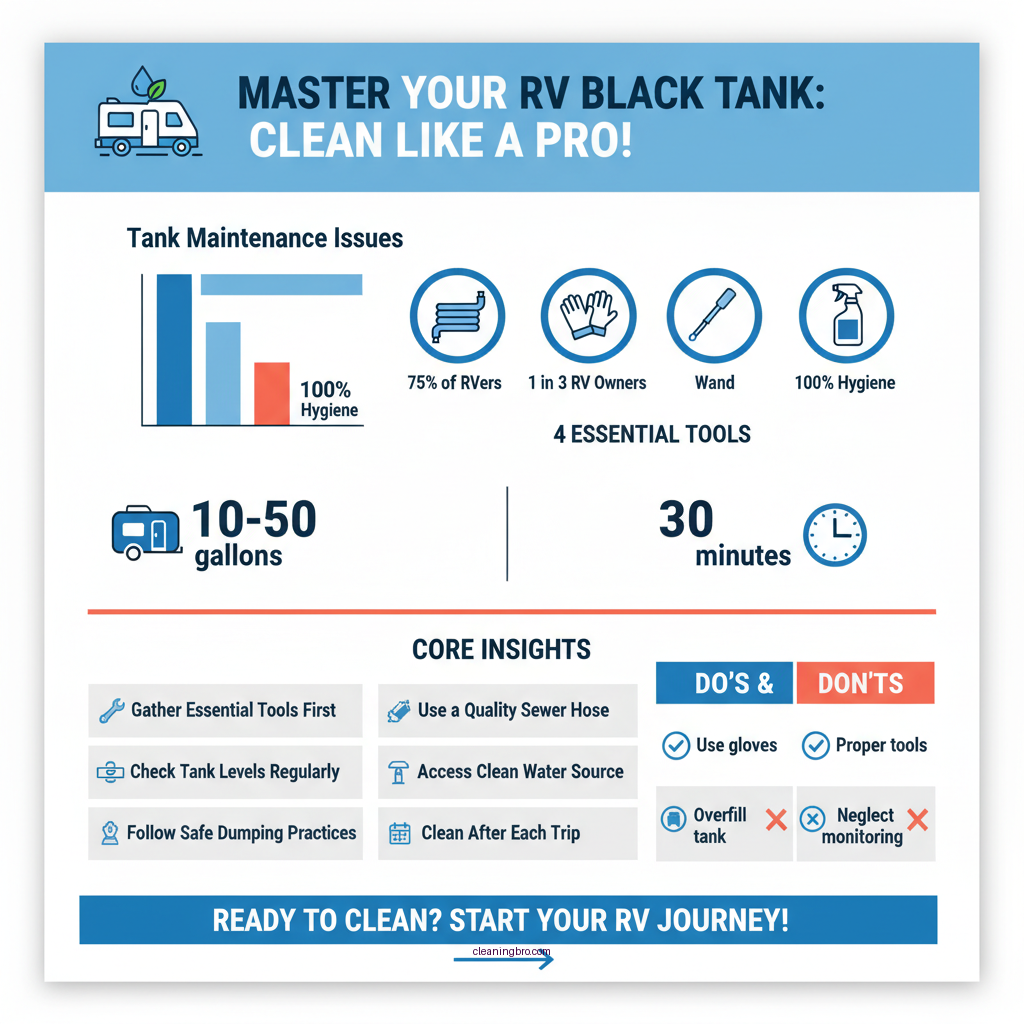
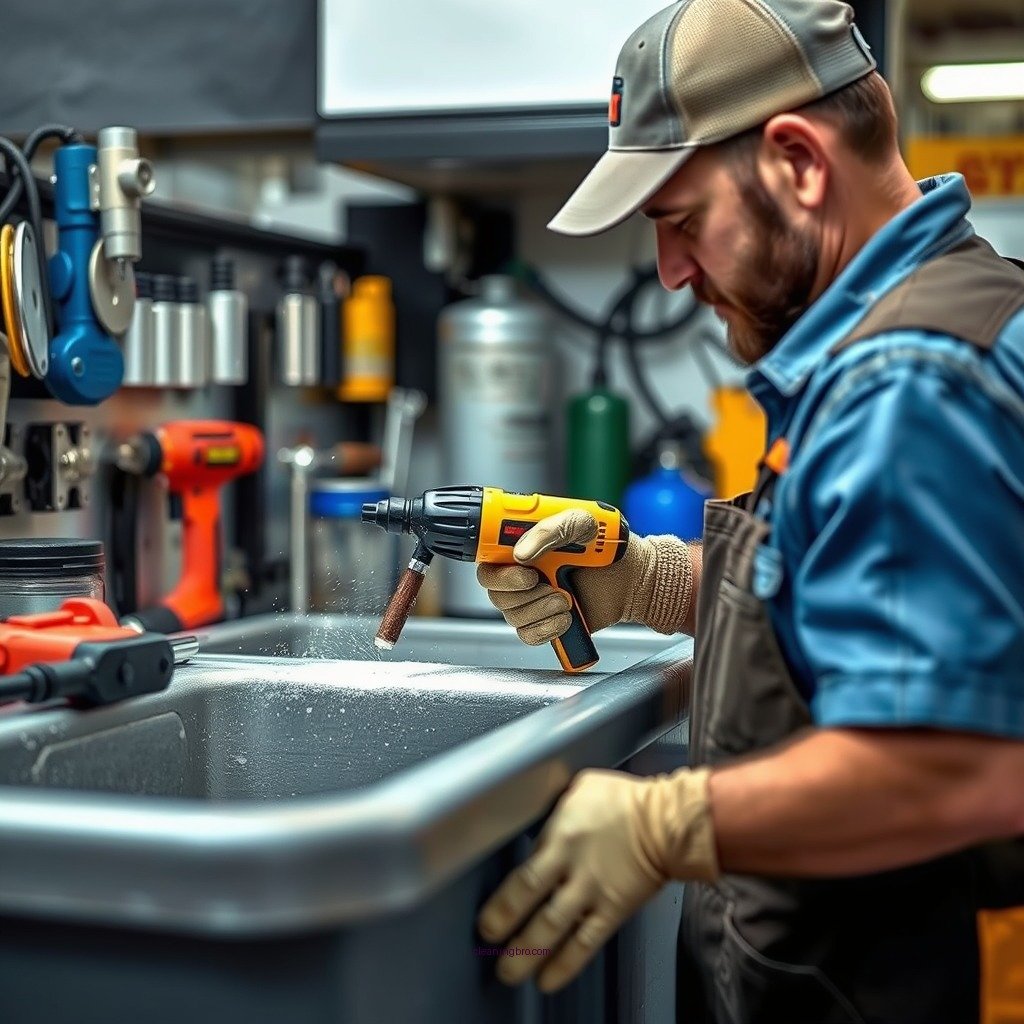
Before embarking on the cleaning process, it’s vital to gather the necessary tools to ensure efficiency and safety. Here are the essential items you will need:
– Sewer Hose: A high-quality, flexible sewer hose is crucial for transferring waste from your black tank to the dump station.
– Gloves: Disposable gloves are necessary to maintain hygiene during the cleaning process.
– Tank Cleaning Wand: This tool can help flush out stubborn residue and odors from the tank.
– Liquid Tank Cleaner: Specific tank cleaning solutions or natural options like vinegar can be effective in breaking down waste and controlling odors.
– Water Source: Ensure you have access to a clean water source for rinsing the tank and the hoses.
Before starting the cleaning process, ensure you have access to a dump station that meets health and safety standards. Many campgrounds and RV parks provide these facilities, making it convenient to dispose of waste properly.
Step-by-Step Cleaning Process
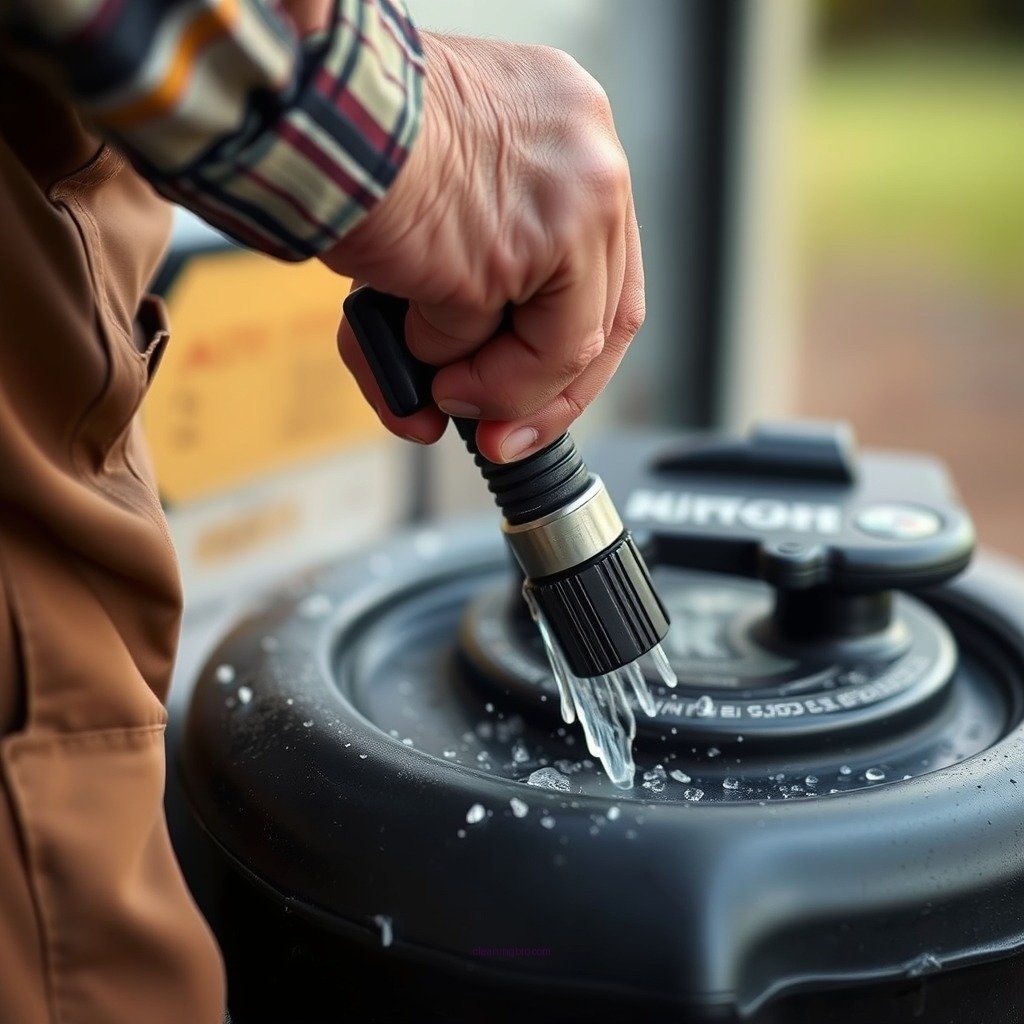
The cleaning process for your RV’s black tank involves several steps that should be followed carefully to ensure safety and effectiveness:
1. Prepare the Area: Position your RV at the dump station and ensure the area is clear. Lay down a mat or tarp if desired to keep the area clean.
2. Connect the Sewer Hose: Securely attach one end of the sewer hose to your RV’s black tank outlet and the other end to the dump station’s sewer inlet. Make sure the connections are tight to prevent leaks.
3. Open the Black Tank Valve: Wearing gloves, open the black tank valve and allow the waste to fully drain into the sewer system. This process may take several minutes, depending on the tank’s level.
4. Close the Valve: Once the tank is completely emptied, close the black tank valve securely.
5. Rinse the Tank: Use a tank cleaning wand or a hose to rinse out the inside of the black tank. This step helps to remove any remaining waste and minimize odors.
6. Dispose of the Hose: After cleaning, remove the sewer hose and dispose of it properly. Be sure to clean the hose with fresh water before storing it.
Following these steps will help ensure that your black tank is emptied and cleaned properly, reducing odors and maintaining a hygienic environment in your RV.
Cleaning and Odor Control
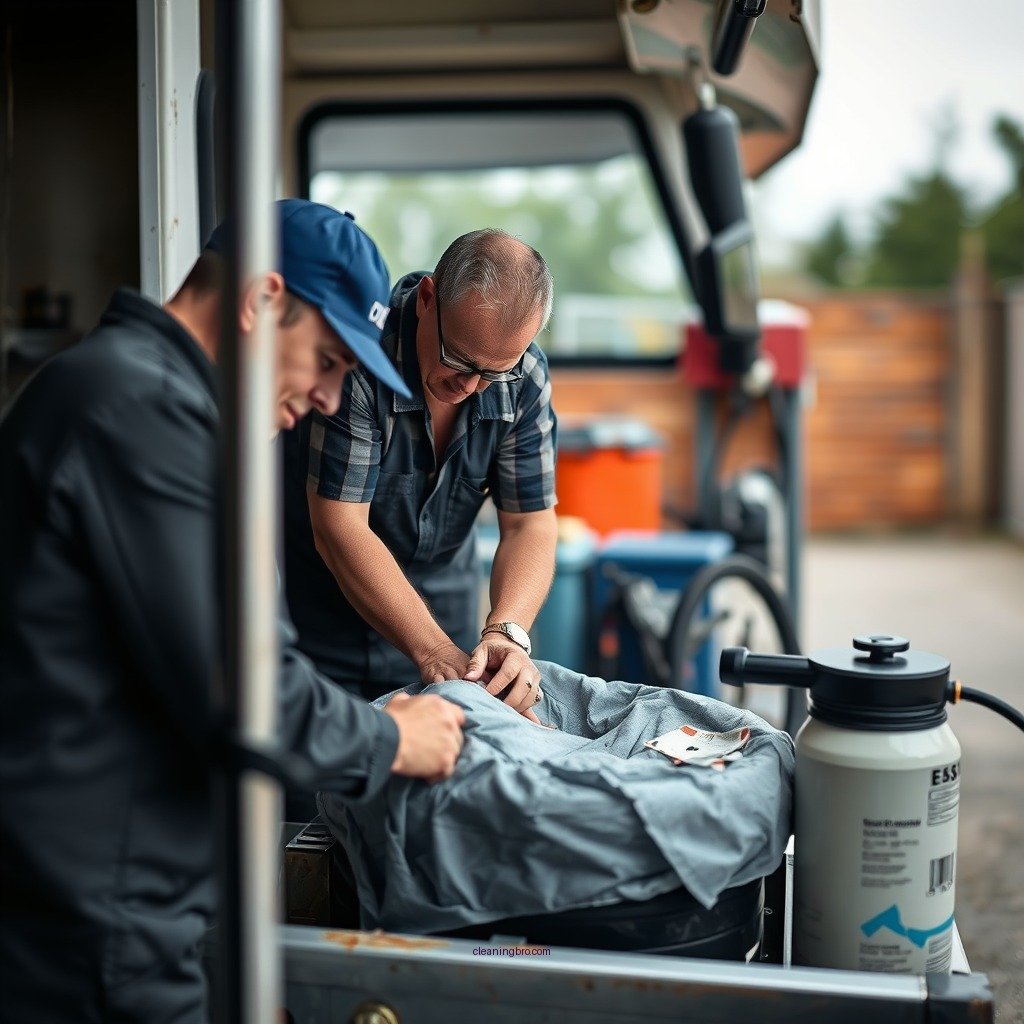
To maintain an odor-free black tank, consider using specialized tank cleaning solutions or natural alternatives, such as vinegar. These products can help break down waste and neutralize odors within the tank.
1. Tank Cleaning Solutions: Commercial tank cleaners are designed to effectively digest waste and eliminate odors. When using these products, follow the manufacturer’s instructions for the best results.
2. Vinegar: A cost-effective and eco-friendly option, vinegar can be poured into the tank after cleaning to help neutralize odors.
3. Tank Cleaning Wand: After emptying the tank, using a tank cleaning wand can significantly enhance the cleaning process. This tool allows you to spray water into the tank, helping to dislodge any stubborn waste that may cling to the walls.
4. Regular Maintenance: Adding a chemical treatment designed for RV black tanks after each dump can help minimize odors and prevent the build-up of solids.
By adhering to these cleaning and odor control methods, you can ensure a more pleasant travel experience and extend the life of your RV’s plumbing system.
Preventive Maintenance Tips
Preventive maintenance is essential for keeping your black tank in optimal condition. Here are several effective strategies to consider:
– Regular Additives: Utilize chemical treatments specifically designed for black tanks to help control odors, break down waste, and minimize build-up. Add these treatments after each cleaning.
– Routine Cleaning Schedule: Depending on how frequently you use your RV, establish a routine cleaning schedule for your black tank. This could be after every trip or monthly, depending on usage.
– Avoid Non-biodegradable Products: Use RV-safe toilet paper and avoid flushing anything other than human waste and toilet paper to reduce the risk of clogs.
– Water Usage: Ensure you use adequate water when flushing the toilet. This practice helps to keep the tank contents liquefied, making them easier to empty and clean.
By implementing these preventive measures, you can significantly reduce the likelihood of clogs and unpleasant odors, ensuring a more enjoyable RV experience.
Troubleshooting Common Issues
Even with proper maintenance, issues may arise with your RV’s black tank. Here are common problems and solutions:
– Clogs: If you notice slow draining or backups, this may indicate a clog. A tank cleaning wand can help dislodge the blockage. If the issue persists, you may need to consult a professional.
– Leaks: Always monitor for leaks around the connections between the sewer hose and the RV. If you notice any leaks, check the hose and valve for damage and replace them as necessary.
– Odor Issues: Persistent odors can indicate that the tank is not being cleaned thoroughly. Ensure that you are using adequate cleaning solutions and rinsing the tank properly.
– Incorrect Gauge Readings: If your tank gauge is showing inaccurate levels, it may be due to build-up on the sensor. A thorough cleaning can often resolve this issue.
By being aware of these potential issues and knowing how to address them, you can maintain a clean and functional black tank system in your RV.
Your RV’s black tank doesn’t have to be a daunting task to clean. With the right tools and a solid plan, you can keep it in great condition and ensure a pleasant camping experience. Follow the steps outlined above, and don’t hesitate to reach out for additional tips or assistance from fellow RV enthusiasts online!
Frequently Asked Questions
How do I know when to clean out my RV’s black tank?
You should clean out your RV’s black tank when the tank gauge shows that it is two-thirds full, or at least once every few weeks during regular use. Waiting too long can lead to clogs and unpleasant odors. Monitoring the levels frequently ensures that you maintain a healthy and functional waste system in your RV.
What is the best method for cleaning an RV black tank?
The best method for cleaning an RV black tank is to use a combination of a tank rinser and specialized RV black tank cleaning solutions. After emptying the tank, attach a rinser to the tank flush connection, allowing water to spray and dislodge any buildup. Follow up with a quality enzyme-based cleaner to break down waste and minimize odors.
Why is it important to clean out my RV black tank regularly?
Regularly cleaning out your RV black tank is crucial to prevent clogs, odors, and bacteria buildup, which can lead to hazardous situations. Neglecting this maintenance can cause costly damages and affect the overall sanitation of your RV. Proper care not only extends the life of your waste system but also enhances your camping experience.
Which tools do I need to effectively clean my RV black tank?
To effectively clean your RV black tank, you will need a sewer hose, a tank rinser or flush valve, protective gloves, and a quality RV black tank cleaner. Additionally, having a portable water supply can help with rinsing out the tank thoroughly. Ensuring you have these tools ready will make the cleaning process simpler and more efficient.
How can I prevent odors from my RV black tank during cleaning?
To prevent odors from your RV black tank during cleaning, always ensure that you use proper ventilation and consider adding a deodorizer to the tank prior to emptying. Additionally, using a tank rinser helps to thoroughly remove waste and prevent buildup, which can lead to smells. Regular maintenance and using enzyme-based cleaners will also help keep odors at bay.
References
- https://en.wikipedia.org/wiki/RV_black_water_tank
https://en.wikipedia.org/wiki/RV_black_water_tank - https://www.cdc.gov/healthywater/drinking/travel/cleaning-water-tanks.html
https://www.cdc.gov/healthywater/drinking/travel/cleaning-water-tanks.html - https://www.nps.gov/articles/cleaning-your-rv.htm
https://www.nps.gov/articles/cleaning-your-rv.htm - https://www.rvtravel.com/how-to-clean-a-rv-black-tank/
https://www.rvtravel.com/how-to-clean-a-rv-black-tank/ - https://www.sciencedirect.com/topics/earth-and-planetary-sciences/rv-black-tank
https://www.sciencedirect.com/topics/earth-and-planetary-sciences/rv-black-tank - Google Scholar Google Scholar
https://scholar.google.com/scholar?q=how+to+clean+rv+black+tank - Google Scholar Google Scholar
https://scholar.google.com/scholar?q=RV+black+tank+maintenance - Google Scholar Google Scholar
https://scholar.google.com/scholar?q=cleaning+black+tank+RV+best+practices - Google Scholar Google Scholar
https://scholar.google.com/scholar?q=how+to+clean+out+black+tank+on+rv - how to clean out black tank on rv – Search results
https://en.wikipedia.org/wiki/Special:Search?search=how+to+clean+out+black+tank+on+rv