
Cleaning your retainers daily is essential for maintaining oral hygiene and preventing bacteria buildup. Regular cleaning not only prolongs the life of your retainers but also protects your overall oral health by minimizing the risk of plaque buildup, bad breath, and tooth decay. In this article, you’ll learn the best practices for cleaning your retainers, how often to do it, and tips for keeping them in top condition.
Understanding the Importance of Cleaning Retainers

Retainers play a crucial role in maintaining the alignment of your teeth after orthodontic treatment. However, they can also become a breeding ground for bacteria if not cleaned properly. A regular cleaning regimen is vital for several reasons:

– Prevents Plaque and Tartar Buildup: Just as with natural teeth, plaque can accumulate on retainers. If left unchecked, this can lead to tartar formation, which is difficult to remove and can cause dental issues such as cavities and gum disease.
– Reduces Bad Breath: Bacteria thrive on food particles and plaque, leading to unpleasant odors. Regular cleaning helps maintain fresh breath and overall oral hygiene.
– Enhances Comfort and Function: A clean retainer fits better and feels more comfortable in your mouth. Dirty retainers can lead to irritation and discomfort, affecting your everyday activities.
By prioritizing the cleanliness of your retainers, you are investing not just in your dental appliance but also in your health.
Daily Cleaning Routine for Retainers
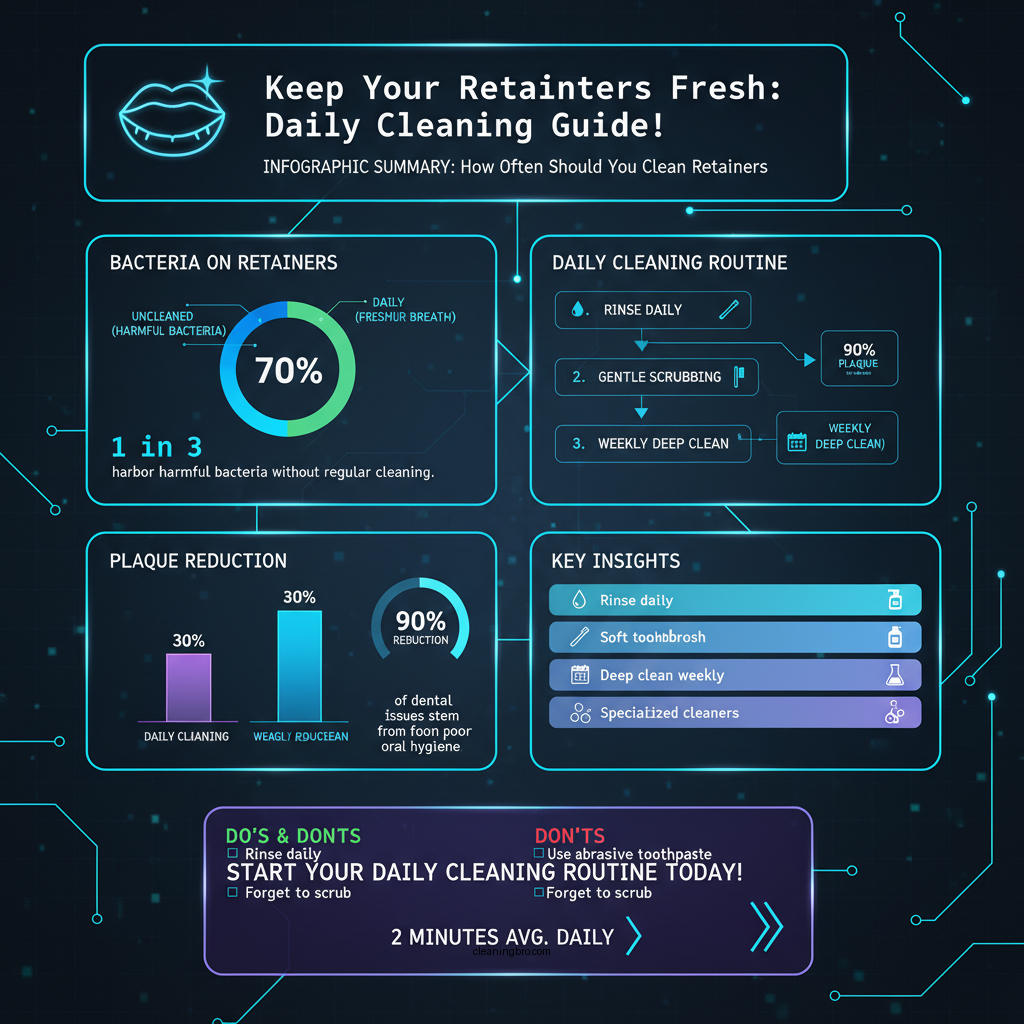

Establishing a daily cleaning routine is essential for maintaining your retainers. Here are some effective practices to incorporate into your daily life:
– Rinse Retainers with Lukewarm Water: Each time you remove your retainers, rinse them under lukewarm water. This simple step helps wash away saliva and food particles that can accumulate during wear.
– Use a Soft Toothbrush: A soft-bristled toothbrush is ideal for cleaning retainers. Avoid using your regular toothpaste, as it can be abrasive and may scratch the surface of your retainer.
– Mild Soap or Retainer Cleaner: Instead of toothpaste, opt for a mild dish soap or a specialized retainer cleaner. Gently scrub your retainers with the toothbrush and rinse thoroughly to remove any residue.
By following this daily routine, you can prevent plaque buildup and keep your retainers fresh.
How Often to Deep Clean Retainers
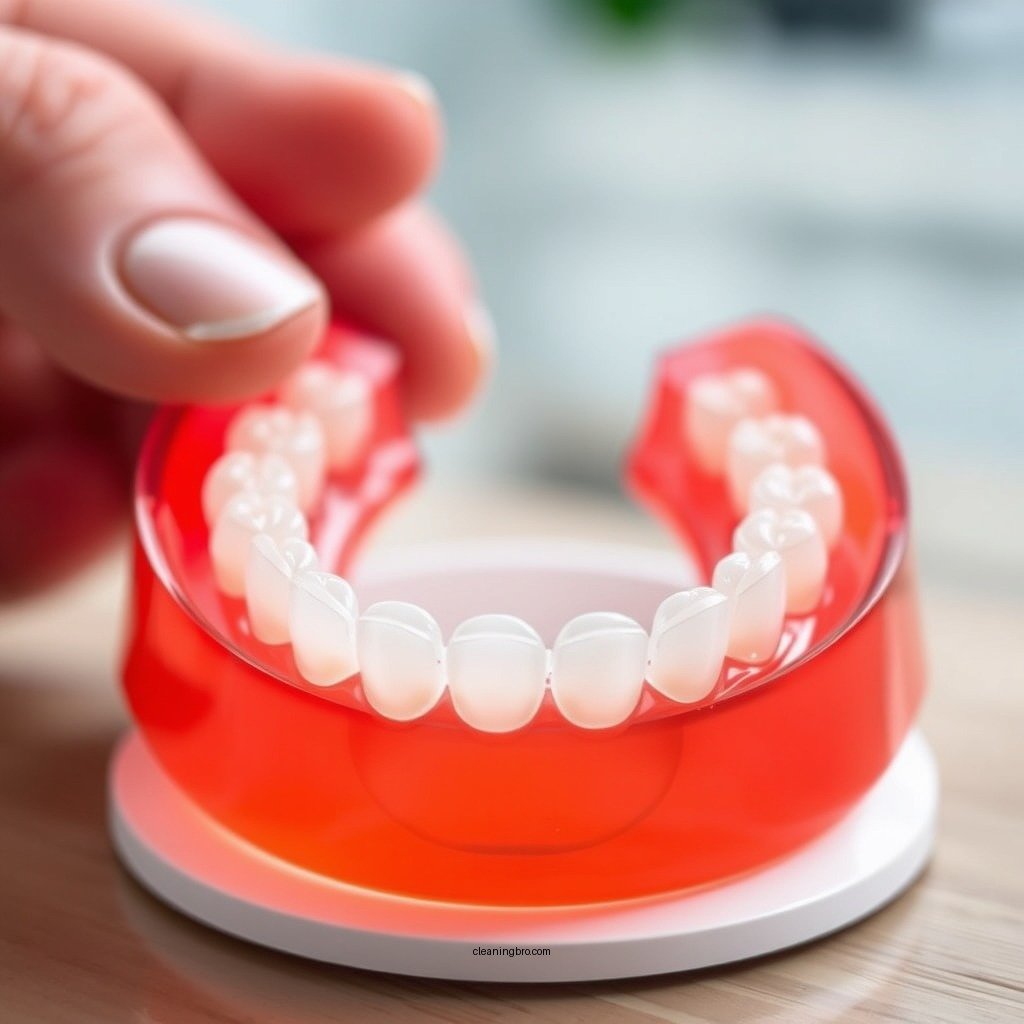
While daily cleaning is crucial, deep cleaning your retainers is also essential for optimal oral health:
– Deep Clean at Least Once a Week: To eliminate stubborn bacteria and ensure thorough cleanliness, perform a deep clean on your retainers at least once a week.
– Specialized Cleaning Solutions: Consider using a specialized retainer cleaning solution designed to remove bacteria and stains effectively. Alternatively, soaking your retainers in a mixture of vinegar and water (one part vinegar to three parts water) for about 30 minutes can also be effective.
– Ultrasonic Cleaners: Some individuals opt for ultrasonic cleaners that use sound waves to remove debris and bacteria from retainers. This method can be highly effective but may require an initial investment.
Cleaning Frequency Comparison
Cleaning Frequency for Retainers
| # | Cleaning Method | Frequency | Duration |
|---|---|---|---|
| 1 | Daily Rinse | Every Use | < 1 min |
| 2 | Daily Brush | Every Day | 5 min |
| 3 | Deep Clean | Weekly | 30 min |
| 4 | Vinegar Soak | Weekly | 30 min |
| 5 | Ultrasonic Clean | Monthly | 15 min |
Signs Your Retainers Need Immediate Cleaning
Even with a regular cleaning schedule, certain signs may indicate your retainers need immediate attention. Pay close attention to the following:
– Noticeable Discoloration: If you observe any yellowing or staining on your retainers, it’s time for a thorough cleaning. Discoloration often results from food particles and plaque buildup.
– Foul Smell: An unpleasant odor emanating from your retainers is a clear indication of bacterial growth. This is a sign that immediate cleaning is required.
– Visible Debris or Buildup: If you see any debris, food particles, or a slimy film on your retainers, do not hesitate to clean them thoroughly. This buildup can lead to further oral health issues if ignored.
Being vigilant about these signs can save you from potential dental problems down the line.
Recommended Cleaning Products for Retainers
When it comes to cleaning your retainers, using the right products is crucial. Here are some recommended options:
– Enzymatic Cleaners: Look for enzymatic cleaners specifically designed for dental appliances. These products break down plaque and bacteria effectively without damaging the retainer material.
– Mild Dish Soap: A gentle dish soap can be an effective alternative for daily cleaning. Ensure that the soap is free from strong fragrances and dyes to avoid any unwanted reactions.
– Avoid Abrasive Substances: Steer clear of products containing bleach, alcohol, or harsh chemicals, as these can scratch or weaken the retainer material.
Selecting the right cleaning products will ensure that your retainers remain in optimal condition and safeguard your oral health.
Tips for Maintaining Retainers Between Cleanings
In addition to regular cleaning, there are several strategies you can implement to maintain your retainers:
– Store in a Protective Case: Always keep your retainers in a protective case when not in use. This prevents damage and keeps them clean.
– Avoid Heat Sources: Keep your retainers away from heat sources like radiators or direct sunlight, as extreme temperatures can warp the material.
– Regularly Check for Damage: Inspect your retainers periodically for signs of wear and tear. If you notice any cracks or rough edges, consult your orthodontist for advice.
Implementing these tips can significantly extend the life of your retainers and enhance your overall oral hygiene.
Professional Cleanings and Check-ups
Regular dental visits are essential for maintaining the health of both your teeth and retainers. Here’s what you should consider:
– Schedule Regular Dental Visits: Aim to visit your dentist at least twice a year for check-ups. During these visits, your dentist can clean your retainers professionally and check for any signs of wear or damage.
– Discuss Concerns: If you have any concerns about the cleanliness or fit of your retainers, bring them up with your dentist. They can provide tailored advice and solutions based on your individual needs.
Incorporating professional cleanings into your routine will ensure that your retainers, and your oral health, remain in top condition.
Maintaining clean retainers is crucial for your oral health. By following a daily cleaning routine and deep cleaning weekly, you can ensure your retainers stay fresh and functional. Remember to watch for signs that indicate your retainers need extra attention, and consult your dentist for any issues. Start implementing these cleaning practices today for a healthier smile!
Frequently Asked Questions
How often should you clean your retainers?
You should clean your retainers at least once a day to prevent the buildup of plaque and bacteria. A thorough cleaning routine involves rinsing them with water after each use and using a gentle toothbrush with mild soap or a non-abrasive cleaner once a day.
What is the best way to clean retainers?
The best way to clean retainers is to use a soft toothbrush and mild soap or a specialized retainer cleaner. Soaking them in a solution of water and white vinegar or a denture cleaning tablet for about 15-30 minutes can also effectively remove stubborn stains and bacteria.
Why is it important to clean retainers regularly?
Regularly cleaning your retainers is important to maintain oral hygiene and prevent bad breath, as food particles and bacteria can accumulate on them. Neglecting this can lead to dental issues such as cavities or gum disease, making it essential to incorporate cleaning into your daily routine.
How can I tell if my retainer needs cleaning?
You can tell if your retainer needs cleaning by checking for visible stains, a cloudy appearance, or an unpleasant odor. If you notice any of these signs, it’s time to give your retainer a thorough clean to ensure it remains hygienic and comfortable to wear.
Which types of cleaners are safe to use on retainers?
Safe cleaners for retainers include gentle antibacterial soap, specialized retainer or denture cleaning solutions, and natural substances like vinegar or baking soda. Avoid using abrasive cleaners or harsh chemicals, as they can damage the material of the retainer and compromise its effectiveness.
References
- https://www.mayoclinic.org/healthy-lifestyle/adult-health/in-depth/orthodontic-retainers/art-20047100
https://www.mayoclinic.org/healthy-lifestyle/adult-health/in-depth/orthodontic-retainers/art-20047100 - https://www.ncbi.nlm.nih.gov/pmc/articles/PMC6114695/
https://www.ncbi.nlm.nih.gov/pmc/articles/PMC6114695/ - Oral health
https://www.who.int/news-room/fact-sheets/detail/oral-health - https://www.cdc.gov/oralhealth/conditions/index.html
https://www.cdc.gov/oralhealth/conditions/index.html - https://www.britannica.com/science/retainers-dentistry
https://www.britannica.com/science/retainers-dentistry - Google Scholar Google Scholar
https://scholar.google.com/scholar?q=how+often+should+you+clean+retainers - Google Scholar Google Scholar
https://scholar.google.com/scholar?q=retainer+maintenance+guidelines - Google Scholar Google Scholar
https://scholar.google.com/scholar?q=oral+hygiene+orthodontic+retainers - how often should you clean retainers – Search results
https://en.wikipedia.org/wiki/Special:Search?search=how+often+should+you+clean+retainers - https://www.ncbi.nlm.nih.gov/search/research-articles/?term=how+often+should+you+clean+retainers
https://www.ncbi.nlm.nih.gov/search/research-articles/?term=how+often+should+you+clean+retainers
