

Cleaning a plexiglass fish tank effectively requires the right tools and techniques to avoid scratches while ensuring a crystal-clear view. This step-by-step guide will teach you how to clean your tank properly, promoting a healthy environment for your fish and an aesthetically pleasing display in your home.
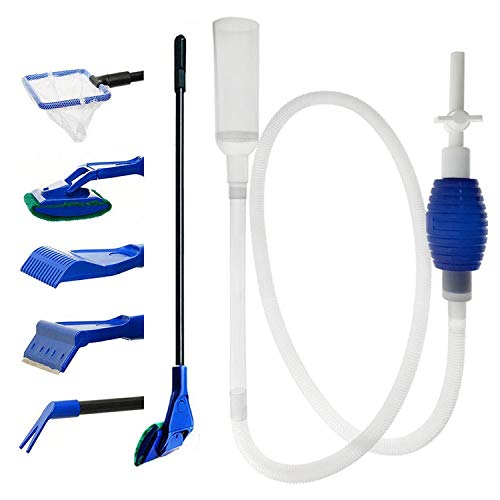
![QZQ Aquarium Gravel Cleaner Vacuum Fish Tank Cleaner Tools Kit | [2026 Edition] Water Changer with Aquarium Thermometers, Fish Net kit, Use for Fish Tank Cleaning Gravel and Sand](https://m.media-amazon.com/images/I/51S+2N20RtL._SL500_.jpg)


Maintaining a clean plexiglass fish tank is essential for the well-being of your aquatic pets and the overall appearance of your home. Due to its lightweight and transparent nature, plexiglass is a popular choice for fish tanks, but it requires careful handling to avoid scratches and cloudiness. By following the right cleaning procedures and using appropriate products, you can keep your tank sparkling clean and your fish thriving.
Essential Tools for Cleaning

Before you begin the cleaning process, it’s essential to gather the right tools. The following items will help you clean your plexiglass fish tank without damaging its surfaces:
– Soft Cloths or Microfiber Towels: These are ideal for wiping surfaces as they prevent scratching and are highly absorbent.
– Non-Abrasive Scrubbers: Use these to tackle stubborn algae or debris without harming the plexiglass.
– Siphon or Gravel Vacuum: This tool will help you remove debris from the substrate without excessive disturbance to your fish.
– Bucket: For transferring water during water changes.
– Fish Net: Useful for temporarily removing fish during cleaning.
Using the right tools is crucial to avoid any damage to your plexiglass tank, which can lead to costly repairs or replacements.
Proper Cleaning Solutions


When it comes to cleaning solutions, it is vital to choose products that are safe for aquatic life. Here are some recommended options:
– Vinegar: An effective natural cleaner that can help remove mineral deposits and algae. Mix equal parts of vinegar and water in a spray bottle for easy application.
– Commercial Aquarium-Safe Cleaners: These products are specifically designed for aquarium use and are typically non-toxic to fish and plants.
– Avoid Ammonia-Based Products: These can be harmful to your fish and may lead to toxic conditions in the tank. Always read labels carefully before using any cleaning solution.
Step-by-Step Cleaning Process

Cleaning your plexiglass fish tank can be broken down into several manageable steps:
1. Remove Fish and Decorations: Start by gently transferring your fish to a temporary holding container filled with tank water. Remove any decorations or plants to ensure a thorough cleaning.
2. Drain the Tank: Use a siphon to remove a portion of the water, making the cleaning process easier. Aim to remove about 20-30% of the water, depending on the tank’s condition.
3. Clean the Interior Surfaces: Gently wipe the interior surfaces of the tank using your chosen cleaning solution and a soft cloth. Be sure to address corners and any areas where algae may build up. Avoid scrubbing too hard, as this can scratch the plexiglass.
4. Rinse Thoroughly: After wiping down the tank, it’s essential to rinse the surfaces with clean, dechlorinated water to remove any cleaning solution residue.
5. Replace Decorations and Fish: Once the tank is clean and rinsed, carefully reintroduce the decorations and plants. Then, gently place your fish back into the tank.
Following this step-by-step process will help you maintain a clean and healthy environment for your fish.
Cleaning the Tank Exterior
While the interior of your tank is vital for the health of your fish, the exterior is equally important for aesthetics. Here’s how to clean the outside of your tank:
– Use a Separate Cloth: Always use a different cloth for the exterior cleaning to prevent cross-contamination with cleaning solutions that may harm your fish.
– Choose the Right Cleaner: A glass cleaner designed for aquariums can be used on the exterior, but ensure it is ammonia-free. Alternatively, you can use a vinegar solution.
– Focus on Edges and Corners: Pay special attention to the edges and corners, where dust and fingerprints tend to accumulate.
Cleaning the exterior not only enhances visibility but also contributes to the overall appearance of your aquarium setup.Maintaining Your Tank Post-Cleaning
Regular maintenance is key to keeping your plexiglass fish tank healthy and appealing. Here are some tips to maintain your tank after cleaning:
– Check Water Quality: Regularly test the water parameters, including pH, ammonia, nitrites, and nitrates. This will help you identify any issues before they become critical.
– Perform Partial Water Changes: It’s advisable to change 10-15% of the water weekly to keep the environment stable and reduce waste buildup.
– Schedule Regular Cleanings: Depending on the bioload of your tank (number of fish and plants), plan for a thorough cleaning every 2-4 weeks. Adjust this schedule based on algae growth and water quality.
By incorporating these practices, you can ensure that your tank remains a healthy habitat for your fish.
Tips for Preventing Scratches
To keep your plexiglass fish tank looking pristine, follow these tips to prevent scratches during cleaning:
– Use Soft, Non-Abrasive Materials: Always opt for soft cloths or microfiber towels, as these materials are less likely to scratch the surface.
– Avoid Sharp Objects: Never use metal scrapers or abrasive sponges on plexiglass, as they can easily cause irreversible damage.
– Be Gentle: When wiping the surfaces, apply gentle pressure to avoid scratching the tank.
Taking these precautions will help maintain the clarity and integrity of your plexiglass tank over time.
When to Seek Professional Help
While many cleaning tasks can be performed at home, there are situations where professional assistance may be beneficial:
– Persistent Stains or Damage: If your tank has stubborn stains that don’t come off with regular cleaning, it may be time to consult a professional who can restore the clarity of your plexiglass.
– Heavy Algae Buildup: In cases of severe algae infestations, professional services can employ advanced cleaning techniques that may not be feasible for the average aquarium owner.
– Tank Rescapes: If you’re considering a complete overhaul of your aquarium’s layout or design, hiring a professional can ensure that it’s done safely and effectively.
Involving professionals can save you time and effort while ensuring the health of your fish and the quality of your tank.
Top 7 Cleaning Products for Plexiglass Fish Tanks (2024)
| # | Product | Type | Effectiveness |
|---|---|---|---|
| 1 | Aquarium Solutions Cleaner | Liquid | Effective |
| 2 | Vinegar Solution | Natural | Highly Effective |
| 3 | API AlgaeFix | Liquid | Very Effective |
| 4 | Marineland Glass Cleaner | Spray | Effective |
| 5 | Seachem Safe | Granular | Effective |
| 6 | Tetra SafeStart | Liquid | Highly Effective |
| 7 | Nualgi Ponds | Liquid | Very Effective |
Cleaning Effectiveness of Various Solutions (%)
Top 3 Cleaning Solutions for Plexiglass Fish Tanks
| Feature | ⭐ Aquarium Solutions | Vinegar Solution | API AlgaeFix |
|---|---|---|---|
| Cost | $12.99 | $3.00 | $15.99 |
| Type | Liquid | Natural | Liquid |
| Effectiveness | ✅ Highly Effective | ✅ Very Effective | ✅ Effective |
| Fish Safe | Yes | Yes | Yes |
| Ease of Use | Easy | Very Easy | Moderate |
| Availability | Widely Available | Common | Widely Available |
| Scent | Pleasant | None | Chemical |
| pH Neutral | Yes | Yes | Yes |
| Volume | 16 oz | 32 oz | 8 oz |
| Shelf Life | 2 Years | 1 Year | 3 Years |
| 🏆 Best For | General Use | Budget-Conscious Users | Algae Management |
Maintaining a clean plexiglass fish tank enhances the beauty of your aquatic setup and supports the health of your fish. By following these steps and tips, you can ensure your tank remains in pristine condition. Regular cleaning, careful handling, and using the right products are essential for a thriving aquarium. Don’t hesitate to share your experiences or ask questions in the comments below!
Frequently Asked Questions
How often should I clean my plexiglass fish tank?
It’s recommended to clean your plexiglass fish tank every 2 to 4 weeks to maintain a healthy environment for your fish. Regular cleaning helps prevent algae buildup and keeps the water clear, ensuring your aquatic life thrives. Pay attention to the tank’s appearance and the health of your fish, as these can indicate when a deeper clean is necessary.
What is the best way to clean plexiglass without scratching it?
The best way to clean plexiglass is to use a soft, non-abrasive cloth or sponge along with a mild soap solution or a specialized plexiglass cleaner. Avoid using paper towels or rough materials, as they can scratch the surface. Always rinse thoroughly with water after cleaning to remove any soap residue that could affect your fish.
Why is it important to avoid ammonia-based cleaners on plexiglass fish tanks?
Ammonia-based cleaners can damage plexiglass surfaces by causing cloudiness and scratches, which can impair visibility and aesthetics. Additionally, residues from these cleaners can harm your fish and disrupt the balance of the aquarium ecosystem. Using safer alternatives ensures both the longevity of the tank and the health of your aquatic inhabitants.
Which tools are best for maintaining a clean plexiglass fish tank?
For maintaining a clean plexiglass fish tank, use a soft sponge or microfiber cloth, an aquarium-safe scraper for stubborn algae, and a siphon for cleaning the substrate. These tools are gentle on the plexiglass and effective in removing debris and algae without causing damage. Regular use of these tools will help keep your tank looking pristine.
How can I prevent algae buildup in my plexiglass fish tank?
To prevent algae buildup in your plexiglass fish tank, maintain proper lighting schedules by limiting exposure to direct sunlight and using appropriate aquarium lights. Additionally, ensure that you have a balanced ecosystem with the right number of fish, live plants, and regular water changes. Using a good filtration system also helps reduce nutrient levels that promote algae growth.
References
- https://www.sciencedirect.com/topics/agricultural-and-biological-sciences/plexiglass
https://www.sciencedirect.com/topics/agricultural-and-biological-sciences/plexiglass - Acrylic | Polymerization, Synthetic Resin, Monomer | Britannica
https://www.britannica.com/science/acrylic - https://www.ncbi.nlm.nih.gov/pmc/articles/PMC6745234/
https://www.ncbi.nlm.nih.gov/pmc/articles/PMC6745234/ - https://www.researchgate.net/publication/272119071_Cleaning_and_maintenance_of_a_fish_tank
https://www.researchgate.net/publication/272119071_Cleaning_and_maintenance_of_a_fish_tank - https://www.aaas.org/resources/how-clean-aquarium
https://www.aaas.org/resources/how-clean-aquarium - Google Scholar Google Scholar
https://scholar.google.com/scholar?q=how+to+clean+plexiglass+fish+tank - Google Scholar Google Scholar
https://scholar.google.com/scholar?q=plexiglass+maintenance+fish+tank - Google Scholar Google Scholar
https://scholar.google.com/scholar?q=cleaning+methods+for+plexiglass+aquariums - how to clean plexiglass fish tank – Search results
https://en.wikipedia.org/wiki/Special:Search?search=how+to+clean+plexiglass+fish+tank - https://www.ncbi.nlm.nih.gov/search/research-articles/?term=how+to+clean+plexiglass+fish+tank
https://www.ncbi.nlm.nih.gov/search/research-articles/?term=how+to+clean+plexiglass+fish+tank
