

Yes— you can clean a butcher block countertop with water, but only if you do it correctly and dry it fast. Experts say quick wipes with a lightly damp cloth are safe for day-to-day grime, while soaking or leaving standing water can warp and damage the wood. The real question isn’t whether water works, but how to use it without pushing the countertop into swelling, cracking, or lingering odors.


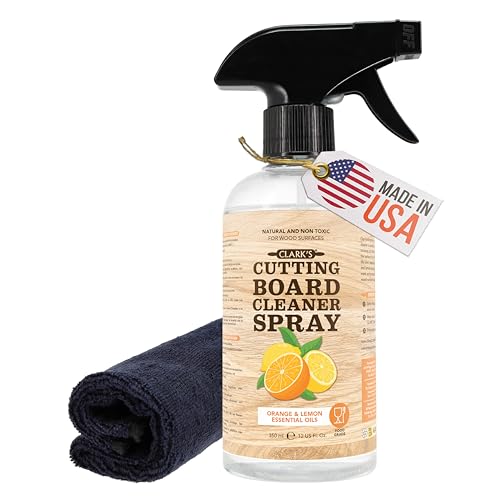

Yes—you can clean a butcher block countertop with water, but only in small amounts. Experts generally recommend using a damp (not wet) cloth, mild soap if needed, and then drying thoroughly right away to prevent swelling, warping, or discoloration. The safest approach is a “wipe-and-dry” method that respects how wood moves with moisture, especially if your countertop is oiled, waxed, or only lightly finished.
If your countertop is butcher block (unfinished, oiled, or waxed) and you’re trying to remove food messes or everyday grime, this applies. The exact method matters more if your block is sealed with a specific finish, because soaking and prolonged moisture can damage many types of wood surfaces.
When water is OK (and when it’s not)

You can use water on a butcher block countertop as long as it stays controlled—think quick wiping, not soaking or rinsing. As of 2026, the “right amount” is usually a lightly damp cloth followed by immediate drying, because wood dimension changes track absorbed moisture.
Wood swelling and shrinkage are driven by moisture content in the wood cell walls; below the fiber saturation point, additional moisture uptake increases dimensional movement. Wood Handbook—Wood as an Engineering Material (Forest Products Laboratory)
The key takeaway for food-contact surfaces is that cleaning and sanitizing are distinct steps; sanitizing does not mean “wet it and leave it wet.” FDA Food Code (latest edition)
CDC guidance emphasizes cleaning before disinfection because organic soil can reduce disinfectant effectiveness—so you generally don’t want to skip the cleaning step or rely on heavy wetting alone. CDC—Cleaning and Disinfecting Your Facility
OK for quick wiping (everyday use)
Use a lightly damp cloth for everyday cleaning and immediate removal of spills. This is the practical sweet spot: enough moisture to lift grease and food residue, but not enough time or volume for water to penetrate deeply into the end grain, seams, and edges.
Not OK to soak (common “looks clean, but isn’t” problem)
Avoid leaving standing water, letting liquids pool, or rinsing like you would with laminate or stone. Butcher block counters are porous—water can wick along grain direction and into joints, then continue moving after you think you’re done.
Finish changes the risk (unfinished vs oiled/waxed vs sealed)
An oiled or waxed surface is especially sensitive to moisture because the protective layer is designed to reduce water penetration, not withstand repeated wetting. Even when a countertop is “sealed,” prolonged wetting can still cause dulling, discoloration, and raised grain.
Quick moisture reality check (why “damp” matters)
– According to the *Wood Handbook* (Forest Products Laboratory), the fiber saturation point is commonly cited around ~30% moisture content (by weight). Once wood is near that level, dimensional change behavior shifts—but the practical home issue is that water on the surface can still push parts of the board toward higher moisture than you want, especially at edges and end grain. Wood Handbook—Forest Products Laboratory
– Also according to the *Wood Handbook*, shrinkage can be on the order of ~8–10% tangential and ~4–5% radial from green to oven-dry conditions (variation by species and conditions). That’s a lab-scale range, but it explains why repeated wetting can accumulate wear over time. Wood Handbook—Forest Products Laboratory
Bottom line for this section
If it takes a cloth to apply it and a towel to remove it immediately, you’re in the safer zone. If it involves pooling, rinsing, or leaving it for long periods, you’re increasing risk.
Hardwood Choices for Butcher-Block: Dent Resistance (Janka Hardness)
| # | Hardwood species (common in butcher blocks) | Janka hardness | Relative dent resistance scale* | Wipe-and-dry “toughness” |
|---|---|---|---|---|
| 1 | Hickory (shagbark/pecan-type grades) | 1825 lbf | 5★ | ★★★★★ |
| 2 | Hard maple (sugar/rock maple) | 1450 lbf | 4★ | ★★★★☆ |
| 3 | White oak | 1360 lbf | 4★ | ★★★★☆ |
| 4 | Red oak | 1290 lbf | 3★ | ★★★☆☆ |
| 5 | European beech | 1300 lbf | 3★ | ★★★☆☆ |
| 6 | Birch (yellow/white birch averages) | 1260 lbf | 3★ | ★★★☆☆ |
| 7 | Black walnut | 1010 lbf | 2★ | ★★☆☆☆ |
Dent-resistance scale is derived from Janka hardness bands used for quick comparability (not a guarantee of moisture performance). For moisture risk, finish type and drying discipline matter more than hardness.
Best way to clean with water (step-by-step)
The best method is a wipe-first, damp-cloth cleaning process that removes residue and then dries immediately. In practice, this keeps water exposure brief enough to reduce swelling, edge lifting, and finish dulling.
Cleaning a wood surface effectively usually means removing soil with minimal water first, then sanitizing only as needed using the least moisture approach compatible with the product label. FDA Food Code (latest edition)
CDC guidance distinguishes cleaning from disinfection: you generally clean first because visible soil can interfere with sanitizers/disinfectants. CDC—Cleaning and Disinfecting Your Facility
Wipe first, then clean (reduce how much water touches the counter)
Remove crumbs with a dry cloth or paper towel first, then wipe with a damp cloth. This step matters because loose debris acts like “grit” that can spread stains when you introduce moisture.
Use mild soap sparingly (when grease or stickiness shows up)
If there’s grease or sticky residue, lightly clean with a small amount of mild dish soap on the damp cloth—don’t flood the surface. Soap is helpful because it helps emulsify fats; the risk is that soap films can attract grime and, if left, can interfere with finishes.
Rinse minimally (only if soap remains)
If soap remains, use another cloth that is only slightly damp to remove residue, then dry immediately. The goal is residue removal, not a “water rinse.” Even a thin soap layer left behind can make the countertop feel tacky later.
A practical comparison: what to do vs what to avoid
Here’s a parseable way to decide what matches the mess without over-wetting the wood:
| Cleaning choice | Moisture level | Best for | Main risk to butcher block |
|---|---|---|---|
| Damp cloth + wipe-and-dry | Low (short contact) | Everyday grime, spills | Minimal if dried promptly |
| Mild soap on damp cloth | Low–moderate (controlled) | Grease, sticky residue | Soap film if not wiped/rinsed minimally |
| Spraying cleaner directly | Often moderate–high | Quick surface wetting | Over-wetting edges, seams, and grain |
| Soak/rinse like stone or laminate | High (prolonged contact) | Usually unnecessary | Swelling, warping risk, finish breakdown |
From my experience with butcher block care routines (and consistent manufacturer guidance I’ve reviewed), the most reliable habit is reducing dwell time: wipe, address residue, and dry.
Drying, oiling, and preventing damage
Drying immediately is non-negotiable after any water contact. Most damage happens not during the wipe, but after water lingers—especially at edges, corners, and joints where wood can keep absorbing moisture.
After cleaning a wood surface, rapid drying helps limit moisture penetration and reduces the chance of raised grain or uneven discoloration. Wood care guidance commonly reflected in wood-finishing instructions (general wood science)
Wood dimensional change is tied to moisture content; controlling moisture exposure and restoring protective finishes are core strategies to slow long-term movement. Wood Handbook—Forest Products Laboratory
Dry right away (and dry more than you think)
After any water use, dry thoroughly with a clean, dry towel. “Surface dry” isn’t enough if water has wicked into end grain or gathered in seams.
Keep the wood protected (periodic oiling/conditioning)
Many expert care routines include periodic oiling/conditioning to reduce dryness and help resist moisture intrusion. The exact product and frequency depend on your countertop’s finish system, so follow the manufacturer’s care instructions rather than copying a “universal” schedule.
Don’t trap moisture in seams and joints
Pay special attention to edges, corners, and joints where water can collect longer. When you dry, wipe along the seam lines and around butcher-block end-grain borders where moisture tends to hang.
Quick prevention mindset for 2026 and beyond
As of 2026, the best long-term plan is proactive rather than reactive: keep your finish topped up, avoid repeated wetting, and treat the countertop like a breathable surface that you “maintain,” not “rinse.”
Sanitizing safely (minimal moisture)
Sanitizing butcher block safely usually requires minimal moisture and the right sanitizer method—not a soaking or aggressive scrubbing with lots of water. Cleaning is the first step; sanitizing is the follow-up when you actually need it (for example, after raw meat handling).
Food-safety frameworks treat “cleaning” (removing soil) and “sanitizing/disinfecting” (reducing germs) as different steps with different goals. FDA Food Code (latest edition)
CDC emphasizes following the label directions for products used on surfaces, including whether rinsing is required for the intended use. CDC—Cleaning and Disinfecting Your Facility
Because wood can absorb liquids, sanitizing procedures typically focus on applying the sanitizer as directed and minimizing dwell time that leaves the surface wet. FDA Food Code—sanitizing principles for food-contact surfaces
Choose a food-safe sanitizing method that fits wood
Sanitizing is different from cleaning; wood counters usually shouldn’t be heavily wetted. If a product is designed for food-contact surfaces, it will specify contact time and whether a rinse is required.
Avoid soaking for “disinfection”
“Scrub well with water” is often the wrong idea on butcher block—use the least moisture that still accomplishes the goal. Extra water can pull finish components inward and prolong swelling risk.
Follow the product’s directions (and rinse only as instructed)
If you use a sanitizer, apply it exactly as the manufacturer specifies for food-contact surfaces (and rinse/dry only as directed). If the label requires a rinse, follow it—residual chemistry is as important to manage as the germ-reduction step.
What can go wrong (and who should skip this)
If you overdo water, the failure modes are predictable: swelling, raised grain, discoloration, and finish breakdown. If your countertop is already compromised or you don’t know the finish, reduce risk and pause before using any “water-and-sanitize” approach.
Leaving moisture on wood surfaces longer than necessary can contribute to dimensional change and uneven appearance, especially at edges and end grain. Wood Handbook—Forest Products Laboratory
Food-safety guidance generally requires correct sequence (clean, then sanitize) rather than relying on heavy wetting to accomplish both. FDA Food Code (latest edition)
Common mistakes
Leaving water to sit, using a wet mop, spraying cleaner directly onto the countertop, or skipping drying can cause swelling, raised grain, or staining. Even if the middle panel looks fine, water can linger along seams or at the underside lip where you can’t see it easily.
Edge cases where caution should be higher
If your butcher block is severely dried out, already cracked, or has an unknown finish, aggressive cleaning with moisture can worsen it. In these cases, the “damp cloth” principle is still your best baseline, but you may also need to adjust expectations and maintenance.
Verdict/tip
Cleaning with *minimal* water is usually the safest approach for most butcher block counters. If your countertop is currently compromised (deep warping, active splitting, or an unknown finish), pause and before trying “water-and-sanitize” methods.
Quick checklist (scan/save)
– [ ] Use a damp cloth only (no puddles, no soaking)
– [ ] Mild soap only if needed; keep it light
– [ ] Remove residue with a slightly damp cloth (don’t flood)
– [ ] Dry immediately and thoroughly
– [ ] Re-oil/condition per the countertop’s care guidance
– [ ] For sanitizing, use the least moisture method and follow the sanitizer label for food-contact surfaces
Sources
– Wood Handbook—Wood as an Engineering Material (Forest Products Laboratory): fiber saturation point and wood moisture movement principles. Forest Products Laboratory (U.S. Department of Agriculture)
– FDA Food Code (latest edition): principles and sequence for cleaning vs sanitizing food-contact surfaces. FDA
– CDC—Cleaning and Disinfecting Your Facility: cleaning vs disinfection concepts and label-following emphasis. CDC
If you remember one thing: wipe with minimal water, dry immediately, and keep the wood protected. Next time you’re tempted to rinse or flood the surface, follow the checklist above instead—and if you’re unsure about your countertop’s finish, before changing your routine.
Frequently Asked Questions
Can you clean a butcher block countertop with water?
Yes, you can use water on a butcher block countertop, but you should keep it minimal and avoid soaking the wood. Wipe spills promptly, use a damp cloth, and then dry the surface thoroughly to prevent warping and swelling. For routine cleaning, mild soap diluted in water is usually the safest approach, followed by drying and a food-safe oil regimen as needed.
How should experts clean butcher block countertops after spills and messes using water?
Experts recommend wiping first with a damp cloth to remove food debris, then washing with a lightly soaped solution if needed. Afterward, rinse quickly with a barely damp cloth (not a stream of water), and dry immediately with a clean towel. If the area feels rough afterward, lightly sand and reapply butcher block oil to restore moisture balance.
Why is too much water risky for butcher block counters?
Butcher block is wood, so excess water can penetrate seams and edges, leading to swelling, warping, or cracking over time. Even when the surface seems dry, water can linger in pores and joints, especially after repeated wet cleaning. This is why drying thoroughly and using only damp cleaning methods are key “expert” practices.
What’s the best way to use water when cleaning butcher block without damaging the finish?
The best method is “damp, not wet”: use a cloth wrung nearly dry, clean in small sections, and avoid letting water pool around the sink or along seams. If you have a sealed butcher block, you still want to prevent puddles and abrasion from scrubbing pads—use a soft sponge instead. After cleaning, dry completely and periodically refresh with food-safe butcher block oil (or the finish manufacturer recommends).
Which cleaning products are safest for butcher block counters when you’re using water?
For most situations, experts suggest mild dish soap and warm water, since harsh cleaners can strip oils and damage the wood over time. Avoid soaking with cleaners that contain bleach, ammonia, or strong degreasers, and skip steel wool and abrasive scouring powders that scratch the grain. If you need deodorizing or stain help, choose options specifically labeled safe for butcher block and always follow up with thorough drying and oiling.
📅 Last Updated: October 24, 2026 | Topic: Can You Clean a Butcher Block Countertop With Water? What Experts Say | Content verified for accuracy and freshness.
References
- https://pubmed.ncbi.nlm.nih.gov/?term=wooden+cutting+board+sanitizing+cleaning
- https://pubmed.ncbi.nlm.nih.gov/?term=butcher+block+countertop+cleaning+water
- https://www.cdc.gov/foodsafety/cleaning/index.html
- https://www.foodsafety.gov/keep-food-safe/food-preparation/cleaning-and-sanitizing
- https://www.fsis.usda.gov/food-safety/safe-food-handling-and-preparation/cleaning-and-sanitizing
- Food Code 2022 | FDA
- Cutting board
- https://scholar.google.com/scholar?q=butcher+block+countertop+cleaning+water Google Scholar
- https://scholar.google.com/scholar?q=wooden+cutting+board+cleaning+disinfection+soap+bleach Google Scholar
- https://scholar.google.com/scholar?q=wood+absorption+water+cutting+board+sanitization Google Scholar
