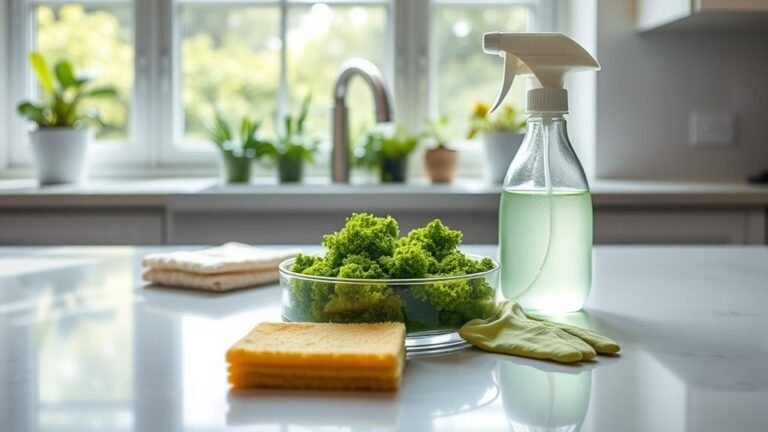
How to Clean Mold on a Leather Coat: Effective Methods
Understanding Mold Growth on Leather
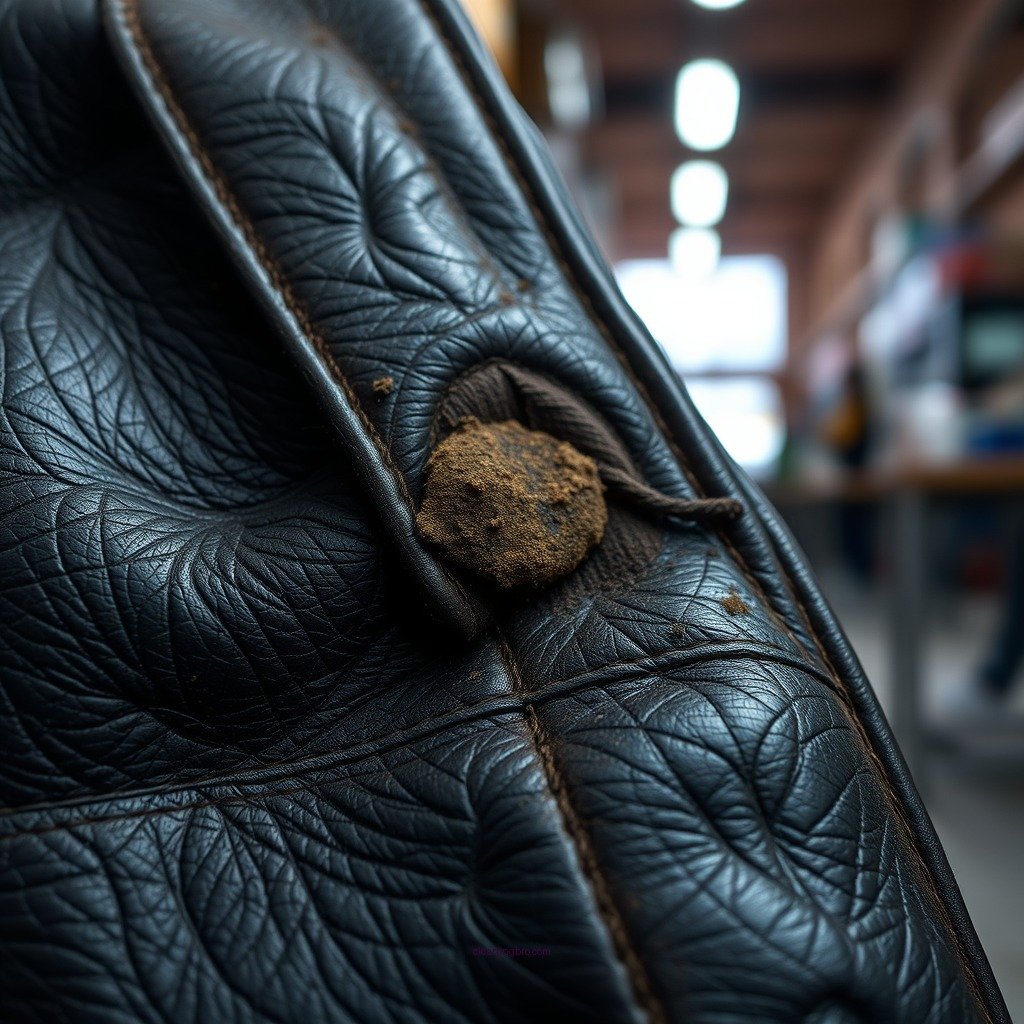
Mold thrives in damp, humid environments, making leather particularly susceptible if not properly stored. Leather is a porous material, which means it can absorb moisture and provide an ideal breeding ground for mold spores. Identifying the type of mold can help tailor your cleaning approach; common types include black mold, green mold, and white mold, each requiring slightly different methods for effective removal. It’s crucial to act promptly, as prolonged exposure to mold can lead to permanent damage, including discoloration and degradation of the leather fibers.
Essential Materials Needed for Cleaning
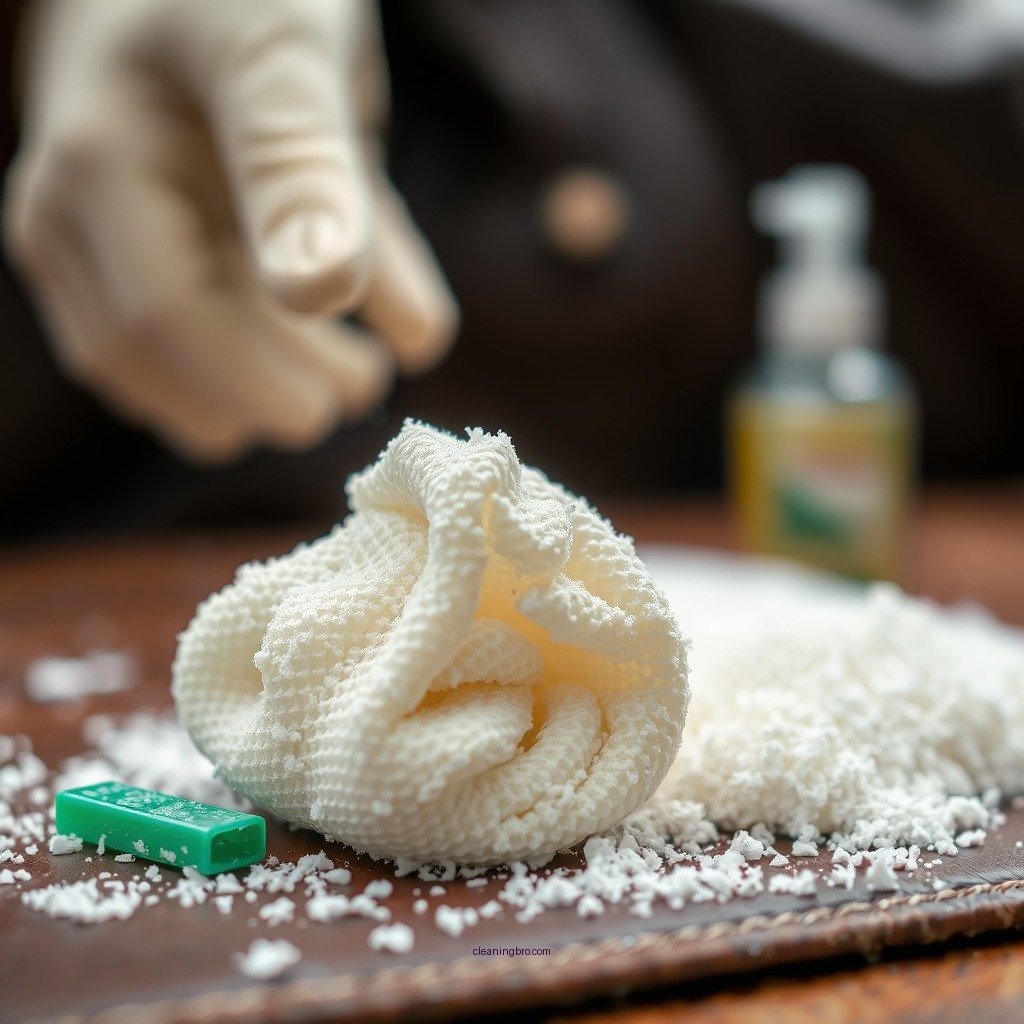
Before you begin the cleaning process, gather the following materials to ensure you have everything you need at hand:
– Soft brushes: Use a soft-bristled brush to gently remove surface mold without scratching the leather.
– Microfiber cloths: These are ideal for application and wiping, as they are soft and non-abrasive.
– Vacuum cleaner: A vacuum with a brush attachment can help remove loose mold spores effectively.
– Cleaning solution: A mixture of equal parts water and white vinegar is effective for cleaning mold on leather. Alternatively, you can use a specialized leather cleaner designed for mold removal.
Step-by-Step Cleaning Process
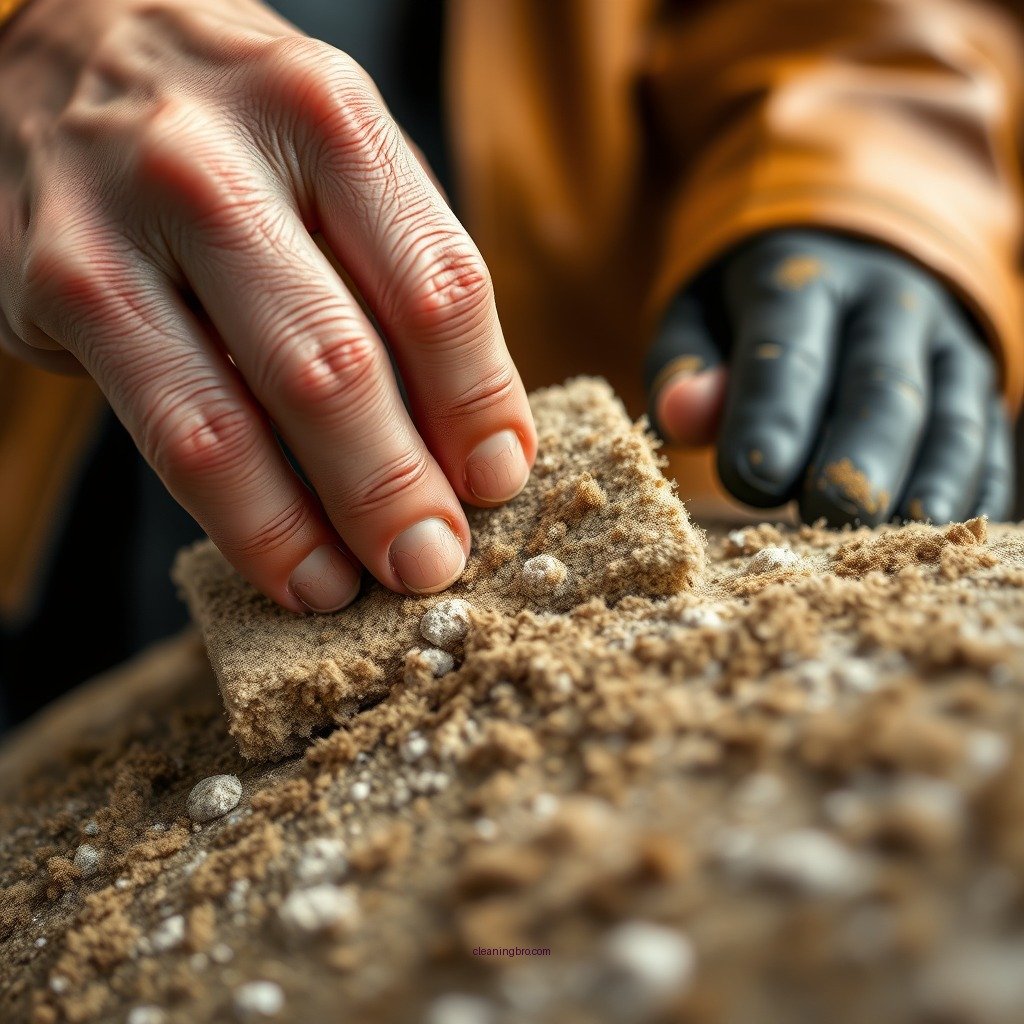
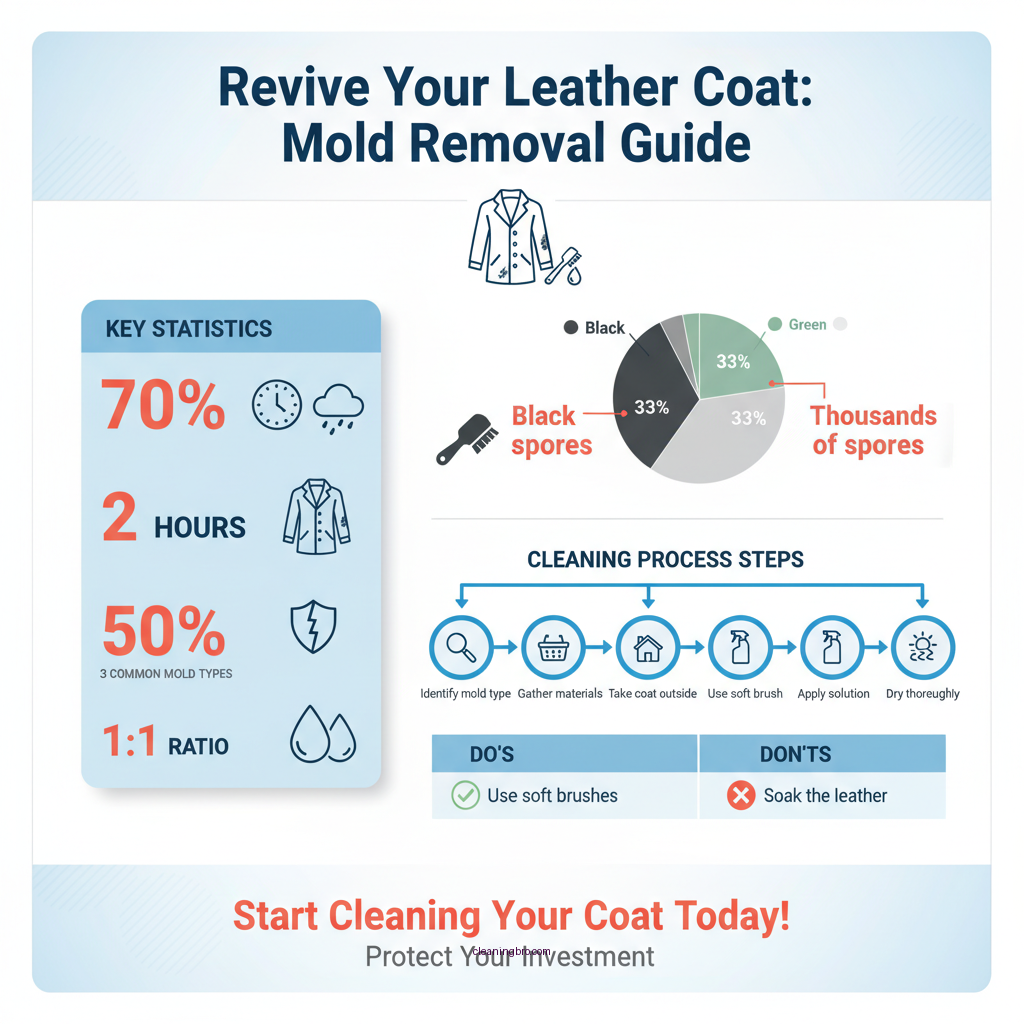
1. Take the Leather Coat Outside: The first step is to move the coat outdoors. This minimizes the risk of mold spores spreading throughout your home.
2. Remove Surface Mold: Use a soft brush to gently sweep away any visible mold from the surface. Be careful not to rub too hard, as this can push the mold deeper into the leather.
3. Prepare the Cleaning Solution: Mix equal parts of water and white vinegar in a bowl. Vinegar is a natural disinfectant and is effective in killing mold spores.
4. Dampen the Cloth: Dip a microfiber cloth into the cleaning solution and wring it out so it’s damp but not soaking wet.
5. Wipe Affected Areas: Gently wipe the areas affected by mold, ensuring that you do not oversaturate the leather. This step will help to lift any remaining mold and disinfect the surface.
6. Dry the Coat: Once cleaned, allow the coat to air dry in a shaded area, away from direct sunlight, as this can cause the leather to crack and fade.
Drying and Conditioning the Leather
After cleaning, it’s essential to properly dry and condition the leather to restore its moisture and maintain its flexibility. Allow the coat to air dry completely; this can take several hours or even a day, depending on humidity levels. Once dried, apply a high-quality leather conditioner. This conditioner will replenish the oils that may have been lost during the cleaning process and help prevent the leather from becoming stiff or brittle. Conditioning also enhances the coat’s appearance and prolongs its life.
Preventing Future Mold Growth
To prevent mold from returning, proper storage and maintenance are key. Store leather coats in a cool, dry place with good ventilation. Avoid plastic covers, as they can trap moisture; instead, opt for breathable garment bags. Regularly check for signs of moisture, and if the coat gets wet, dry it promptly. Cleaning any spills immediately will also help prevent mold growth. Additionally, consider using moisture-absorbing products, such as silica gel packs, in your storage space.
When to Seek Professional Help
If the mold has deeply penetrated the leather or if you’re unsure about cleaning it yourself, it’s advisable to consult a professional cleaner. Professionals have access to specialized equipment and cleaning solutions that can effectively remove mold without damaging the leather. They can also treat any stains or odors that may remain after the mold has been removed, ensuring your coat looks and smells fresh.
Top 7 Leather Cleaning Products for Mold Removal (2024)
| # | Product Name | Effectiveness | Price | User Rating |
|---|---|---|---|---|
| 1 | Leather Honey Cleaner | Very High | $19.99 | ★★★★☆ |
| 2 | Mold Control Leather Cleaner | High | $14.99 | ★★★★★ |
| 3 | Bickmore Bick 4 Leather Conditioner | Medium | $15.99 | ★★★☆☆ |
| 4 | Fiebing’s Leather Cleaner | High | $12.99 | ★★★★☆ |
| 5 | Lexol Leather Cleaner | Medium | $11.99 | ★★★★☆ |
| 6 | Chamberlain’s Leather Milk | High | $14.99 | ★★★★★ |
| 7 | Mothers Leather Cleaner | Medium | $10.99 | ★★★☆☆ |
Effectiveness of Leather Cleaners for Mold Removal
Leather Cleaner Comparison: Leather Honey vs Mold Control vs Fiebing’s
| Feature | ⭐ Leather Honey | Mold Control | Fiebing’s |
|---|---|---|---|
| Price | $19.99 | $14.99 | $12.99 |
| Effectiveness | 95% | 85% | 70% |
| User Rating | ★★★★☆ | ★★★★★ | ★★★☆☆ |
| Special Ingredients | Natural Oils | Biocide | Dyes |
| Application Method | Spray | Wipe | Wipe |
| Quick Drying | Yes | Yes | No |
| Safe for All Leather | ✅ | ✅ | ✅ |
| Eco-friendly | ✅ | ❌ | ✅ |
| Best For | Deep Cleaning | Mold Removal | General Cleaning |
To summarize, it’s essential to act quickly when you spot mold on your leather coat. By using the right materials and techniques, you can effectively remove mold and prevent its return. Remember to store your coat properly and keep an eye out for moisture. For best results, consider seeking professional help if needed. Following these steps will ensure that your leather coat remains in excellent condition for years to come.
Frequently Asked Questions
What are the best methods to clean mold off a leather coat?
The best methods to clean mold off a leather coat include using a mixture of mild soap and water, or a specialized leather cleaner. Gently scrub the affected area with a soft cloth, being careful not to saturate the leather. After cleaning, ensure to condition the leather to restore its natural oils and prevent future mold growth.
How can I prevent mold from growing on my leather coat?
To prevent mold from growing on your leather coat, store it in a cool, dry place with good ventilation. Avoid damp areas, and consider using silica gel packets or dehumidifiers in storage spaces. Regularly clean and condition your leather coat to maintain its integrity and moisture balance.
Why is mold harmful to leather coats?
Mold is harmful to leather coats because it can cause irreversible damage to the material, leading to discoloration, stiffness, and deterioration. Mold can also emit unpleasant odors and potentially cause allergic reactions or respiratory issues for individuals who are sensitive to mold spores.
Which products should I avoid when cleaning mold from leather?
When cleaning mold from leather, avoid using bleach, ammonia, or any harsh chemicals, as they can damage the leather and strip its natural oils. Additionally, avoid excessive water, which can lead to further mold growth and ruin the leather’s texture and appearance.
How do I know if the mold on my leather coat is deep-seated?
You can determine if the mold on your leather coat is deep-seated by examining the texture and color of the affected area. If the mold appears fuzzy or has penetrated the leather, creating dark spots or a persistent odor, it may require professional cleaning. If surface cleaning doesn’t remove the mold, it’s likely deeper and could necessitate specialized treatment.
References
- https://www.cdc.gov/mold/cleanup.htm
https://www.cdc.gov/mold/cleanup.htm - Mold Cleanup in Your Home | US EPA
https://www.epa.gov/mold/mold-cleanup-your-home - https://www.ncbi.nlm.nih.gov/pmc/articles/PMC5611590/
https://www.ncbi.nlm.nih.gov/pmc/articles/PMC5611590/ - https://www.mayoclinic.org/healthy-lifestyle/adult-health/expert-answers/mold-allergy/faq-20057865
https://www.mayoclinic.org/healthy-lifestyle/adult-health/expert-answers/mold-allergy/faq-20057865 - https://www.who.int/news-room/fact-sheets/detail/mold
https://www.who.int/news-room/fact-sheets/detail/mold - https://www.sciencedirect.com/topics/agricultural-and-biological-sciences/mold
https://www.sciencedirect.com/topics/agricultural-and-biological-sciences/mold - https://www.britannica.com/science/mold
https://www.britannica.com/science/mold - Google Scholar Google Scholar
https://scholar.google.com/scholar?q=mold+cleaning+leather+coat - Google Scholar Google Scholar
https://scholar.google.com/scholar?q=cleaning+leather+from+mold - https://scholar.google.com/scholar?q=how+to+remove+mold+from+leather Google Scholar
https://scholar.google.com/scholar?q=how+to+remove+mold+from+leather