How to Clean Lab Grown Diamonds: A Simple Guide
Cleaning lab-grown diamonds is straightforward and can be done easily at home with the right techniques. To keep your diamonds sparkling and beautiful, use mild soap, warm water, and a soft brush to remove dirt and oils. In this guide, you’ll learn effective methods and tips for maintaining the brilliance of your lab-grown diamonds.
Understanding Lab Grown Diamonds
Lab-grown diamonds are created through advanced technological processes that replicate the natural conditions under which diamonds form deep within the Earth. These diamonds possess the same physical and chemical properties as their natural counterparts, including hardness, brilliance, and fire. However, because they can sometimes attract dirt and oils more readily than natural stones, they require special care to preserve their shine and clarity. Regular cleaning not only enhances their visual appeal but also helps maintain their value over time.
Recommended Cleaning Solutions
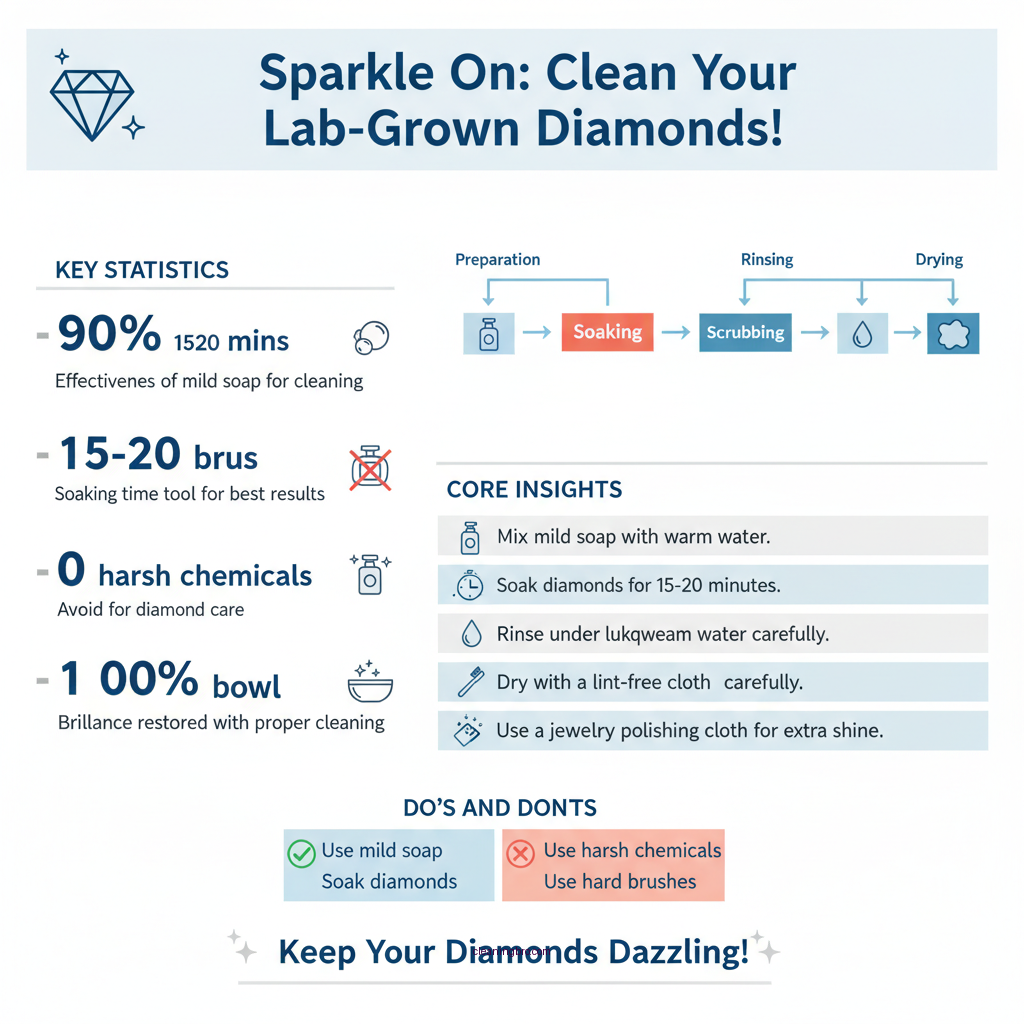
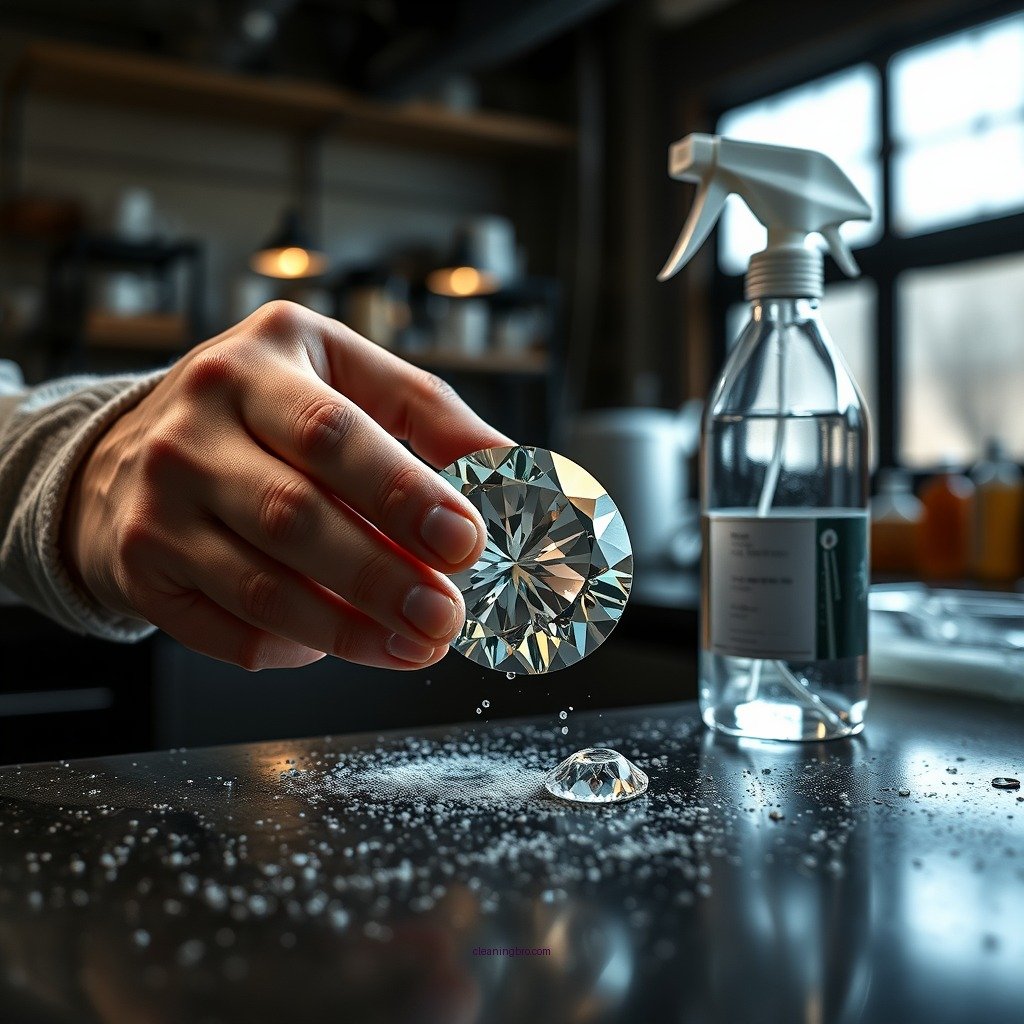
To clean lab-grown diamonds effectively, the ideal solution is a gentle dish soap mixed with warm water. This combination is strong enough to remove grime and oils without damaging the diamond’s surface. It is crucial to avoid harsh chemicals, bleach, or abrasive cleaning agents that can scratch or dull the diamond. When choosing a soap, select a fragrance-free and dye-free option to prevent any potential staining or residue build-up.
Cleaning Techniques
The cleaning process for your lab-grown diamonds can be broken down into simple steps:
1. Preparation: In a small bowl, mix a few drops of mild dish soap with warm water. Ensure the water is not too hot to avoid thermal shock to the diamond.
2. Soaking: Carefully place your diamond into the soapy solution and let it soak for about 15-20 minutes. This will loosen any dirt or oil.
3. Scrubbing: After soaking, use a soft toothbrush or a microfiber cloth to gently scrub the diamond. Pay special attention to the settings and crevices where dirt may accumulate. Avoid using any hard-bristled brushes, as they can cause scratches.
4. Rinsing: Rinse the diamond under lukewarm water to ensure all soap is removed. It is advisable to do this over a bowl or a sink strainer to prevent accidental loss.
Drying and Polishing
Once you’ve rinsed your diamond, the next step is to dry it properly. Use a soft, lint-free cloth to pat the diamond dry gently. Avoid rubbing it, as this can lead to scratches. For added shine, you can use a jewelry polishing cloth specifically designed for diamonds. This will help remove any remaining oils and enhance the diamond’s brilliance.
Storing Your Lab Grown Diamonds
Proper storage is paramount to maintaining the beauty of your lab-grown diamonds. Here are some tips to consider:
– Separate Storage: Always store your diamonds separately from other jewelry pieces to prevent scratches. Use individual pouches or compartments in your jewelry box.
– Use Protective Materials: Consider using a fabric-lined jewelry box or soft pouches to shield your diamonds from dust and scratches. Avoid storing them in plastic bags, as this can trap moisture and potentially lead to tarnishing of the setting.
Professional Cleaning Options
While regular at-home cleaning is effective, scheduling professional cleanings annually is advisable. A jeweler can provide a deep cleaning and inspection of your diamond, ensuring it is in optimal condition. They have access to specialized equipment that can remove dirt and oils that regular cleaning might miss. Additionally, professional cleanings can help identify any potential issues with the setting or stone that may need attention.
Tips for Maintaining Sparkle
To keep your lab-grown diamonds looking their best, consider implementing these tips:
– Regular Cleaning: Make it a habit to clean your diamonds regularly, ideally every few weeks. This prevents the buildup of oils and dirt, ensuring they remain sparkling.
– Avoid Contact with Chemicals: Remove your diamond rings before washing hands or applying lotions, perfumes, or cleaning products. These substances can dull the shine of the diamond and the setting.
– Periodic Inspections: Regularly check your diamond settings for any signs of loosening or damage. Early detection can prevent loss.
Maintaining the brilliance of your lab-grown diamonds is essential for their lasting beauty. By following these cleaning methods and tips, you can ensure your diamonds remain dazzling for years to come. Consider implementing these practices regularly and don’t hesitate to consult a professional jeweler for more in-depth care options.
Top 7 Lab Grown Diamond Brands by Popularity (2024)
| # | Brand | Popularity (%) | Year Established | Customer Rating |
|---|---|---|---|---|
| 1 | James Allen | 28% | 2006 | ★★★★☆ |
| 2 | Brilliant Earth | 25% | 2005 | ★★★★☆ |
| 3 | Clean Origin | 20% | 2017 | ★★★★☆ |
| 4 | Diamond Foundry | 18% | 2015 | ★★★☆☆ |
| 5 | Better Than Diamonds | 10% | 2020 | ★★★★☆ |
| 6 | Luxe Jewelry | 8% | 2010 | ★★★☆☆ |
| 7 | VRAI | 7% | 2021 | ★★★☆☆ |
Lab Grown Diamonds: Cleaning Frequency Recommendations
At-Home Cleaning Kits vs Professional Cleanings
| Feature | ⭐ At-Home Cleaning Kits | Professional Cleanings | DIY Methods |
|---|---|---|---|
| Cost | $20-$50 | $75-$200 | Free |
| Time Required | 15-30 minutes | 1 hour | 10-15 minutes |
| Effectiveness | ✅ Good | ✅ Excellent | ✅ Fair |
| Convenience | ✅ Very Convenient | ✅ Less Convenient | ✅ Very Convenient |
| Frequency | Every few weeks | Annually | As needed |
| Skill Required | No skills required | Professional skills | Basic cleaning skills |
| Safety | Safe for all diamonds | Safe for all diamonds | Safe for most diamonds |
| Time between cleanings | Shorter intervals recommended | Longer intervals recommended | Variable |
| 🏆 Best For | Budget-conscious users | Thorough cleaning needs | Quick clean-ups |
In conclusion, maintaining the luster of your lab-grown diamonds is an integral part of ensuring their longevity and beauty. By regularly cleaning them with the right methods, storing them properly, and seeking professional cleaning when necessary, you can keep your diamonds looking as stunning as the day you acquired them. Implement these cleaning strategies and consider professional services for a comprehensive approach to diamond care.
Frequently Asked Questions
What is the best way to clean lab grown diamonds at home?
The best way to clean lab grown diamonds at home is to use a mixture of warm water and mild dish soap. Soak the diamond in this solution for about 20 to 30 minutes, then gently scrub it with a soft toothbrush to remove any dirt or oils. Rinse it thoroughly with warm water and dry it with a lint-free cloth for a sparkling finish.
How often should I clean my lab grown diamond jewelry?
It is recommended to clean your lab grown diamond jewelry every two weeks to maintain its brilliance and shine. Regular cleaning helps to remove buildup from lotions, perfumes, and everyday dirt. If you wear the jewelry frequently, consider a deeper professional cleaning every six months.
Why is it important to clean lab grown diamonds regularly?
Cleaning lab grown diamonds regularly is essential because dirt and oils can accumulate over time, dulling the stone’s sparkle and brilliance. Regular maintenance not only enhances the diamond’s appearance but also helps to identify any potential issues, such as loose settings or damage, before they become more serious problems.
Which cleaning products are safe for lab grown diamonds?
Safe cleaning products for lab grown diamonds include mild dish soap and water, as well as specialized jewelry cleaners that are ammonia-free. Avoid harsh chemicals and abrasive materials, as they can harm the diamond’s surface and settings. Always ensure any cleaning solution is gentle to preserve the diamond’s integrity.
Can I use ultrasonic cleaners for my lab grown diamonds?
Yes, ultrasonic cleaners can be used for lab grown diamonds, but caution is advised. While these devices can effectively remove dirt and grime, ensure that your diamond is securely set and free from any loose stones. It’s best to consult with a jeweler if you’re unsure about using an ultrasonic cleaner on your specific piece.
References
- https://www.bbc.com/news/magazine-31305805
https://www.bbc.com/news/magazine-31305805 - https://www.nytimes.com/2021/02/11/style/lab-grown-diamonds.html
https://www.nytimes.com/2021/02/11/style/lab-grown-diamonds.html - https://www.sciencedirect.com/science/article/pii/S1877705821000483
https://www.sciencedirect.com/science/article/pii/S1877705821000483 - https://www.britannica.com/science/diamond
https://www.britannica.com/science/diamond - https://www.reuters.com/article/us-lab-grown-diamonds-idUSKBN2B31FE
https://www.reuters.com/article/us-lab-grown-diamonds-idUSKBN2B31FE - https://www.nature.com/articles/s41524-019-0210-9
https://www.nature.com/articles/s41524-019-0210-9 - Google Scholar Google Scholar
https://scholar.google.com/scholar?q=cleaning+lab+grown+diamonds - Google Scholar Google Scholar
https://scholar.google.com/scholar?q=how+to+clean+lab+grown+diamonds - Google Scholar Google Scholar
https://scholar.google.com/scholar?q=lab+grown+diamond+cleaning+methods - https://www.ncbi.nlm.nih.gov/pmc/articles/PMC6413093/
https://www.ncbi.nlm.nih.gov/pmc/articles/PMC6413093/