How Much Bleach to Clean RV Water Tank: A Simple Guide
Cleaning your RV water tank with bleach is an effective method to ensure safe drinking water. Generally, you should use 1/4 cup of unscented household bleach for every 15 gallons of water in your tank. This straightforward dilution is crucial for eliminating bacteria and other harmful contaminants that can compromise your water quality. In this article, we’ll discuss the proper dilution, safety precautions, and step-by-step instructions to keep your RV water system clean and odor-free.
Understanding the Importance of Cleaning Your RV Water Tank
In an RV, where space and resources are limited, ensuring that your water system is clean can greatly improve your travel experience. Regular maintenance can also prolong the life of your water system components, saving you time and money in the long run.
Recommended Bleach Concentration for Cleaning
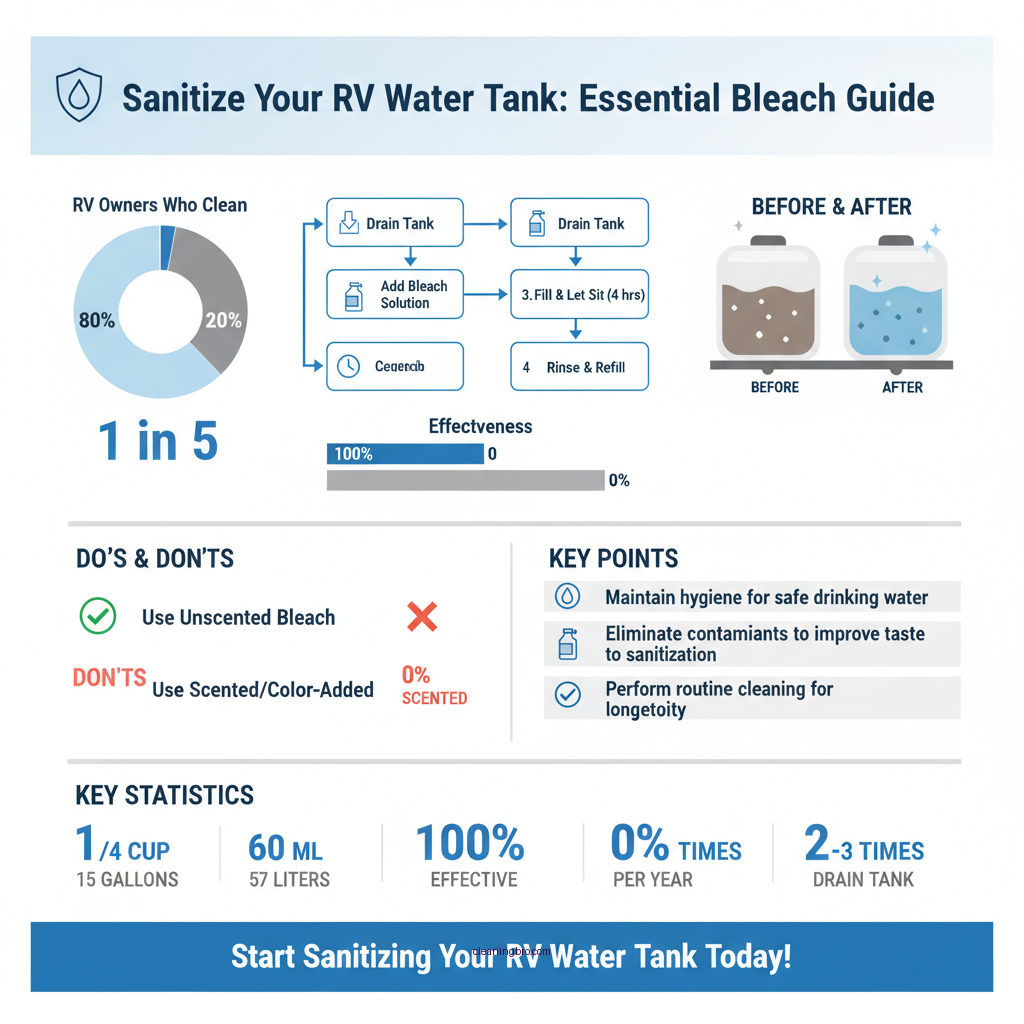
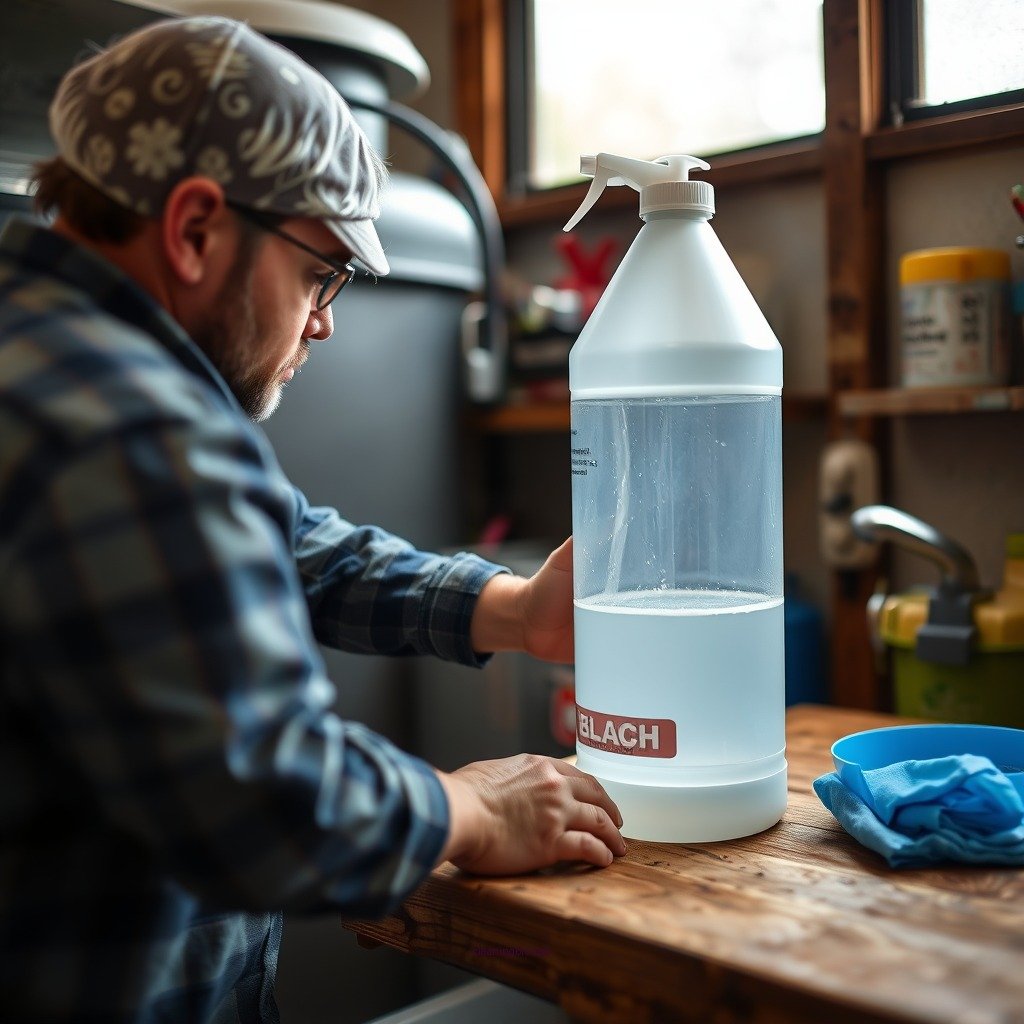
To effectively sanitize your RV water tank, it is crucial to use the correct concentration of bleach. The standard recommendation is to use 1/4 cup (approximately 60 ml) of unscented household bleach for every 15 gallons (approximately 57 liters) of water in your tank. This dilution provides a sufficient level of chlorine to kill bacteria and other pathogens without leaving harmful residues.
It is essential to avoid using scented or color-added bleach products, as these can introduce unwanted chemicals and odors into your water supply. Always opt for regular, unscented household bleach, which contains sodium hypochlorite as its active ingredient, making it safe for water treatment when used correctly.
Step-by-Step Cleaning Process
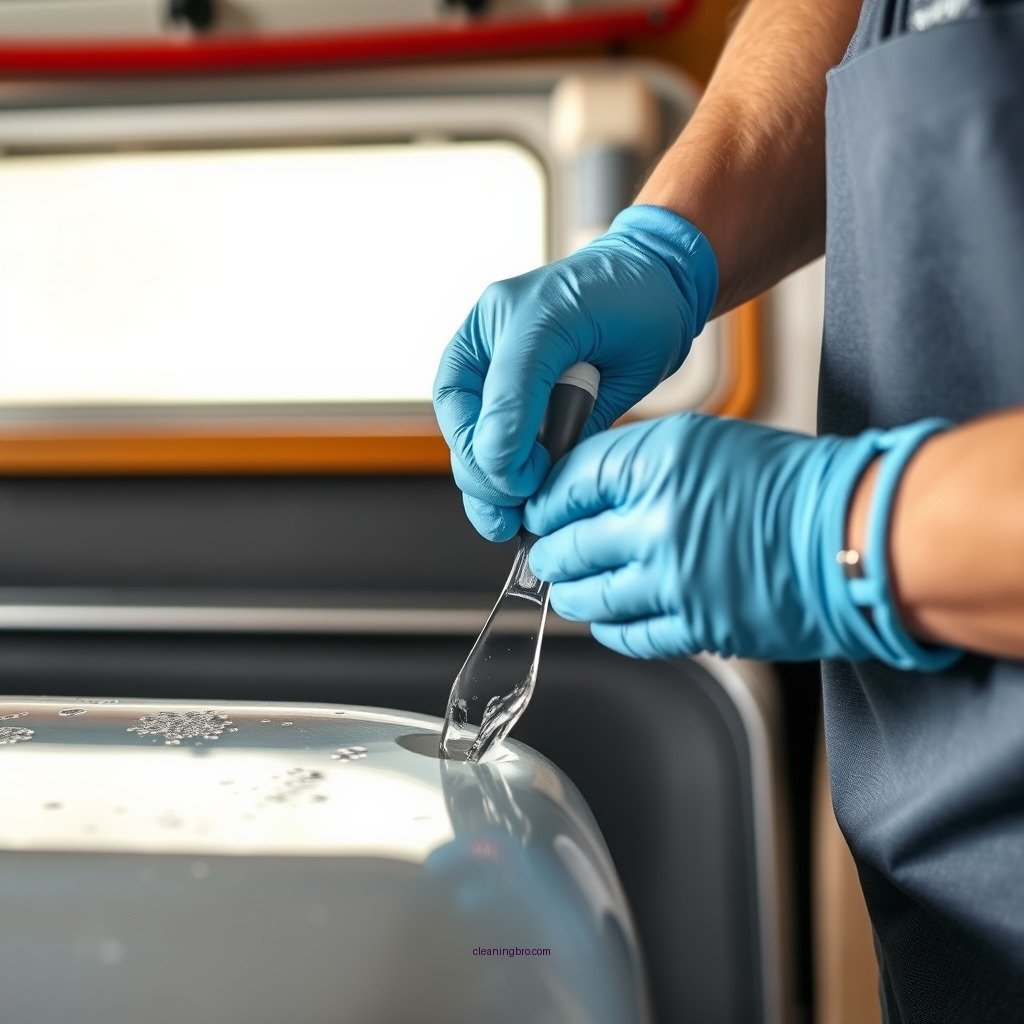
Cleaning your RV water tank involves a systematic approach to ensure thorough sanitization. Follow these steps for an effective cleaning process:
1. Drain the Water Tank: Begin by completely draining your RV’s water tank to remove any existing water and contaminants. This step is crucial for achieving a clean surface.
2. Prepare the Bleach Solution: In a separate container, mix 1/4 cup of unscented bleach with fresh water. For larger tanks, adjust the amount of bleach accordingly (e.g., use 1/2 cup for a 30-gallon tank).
3. Fill the Tank: Add the bleach solution to the empty tank and fill it with fresh water to the maximum capacity.
4. Agitate the Water: Slosh the water around by moving the RV or manually shaking the tank if possible. This action helps ensure that the bleach solution comes into contact with all interior surfaces of the tank.
5. Let it Sit: Allow the bleach solution to sit in the tank for at least 6 to 8 hours. This contact time ensures that bacteria and other pathogens are effectively killed.
Rinsing and Flushing the Tank
After the bleach solution has had ample time to sanitize the tank, the next step is rinsing and flushing:
1. Drain the Tank Again: Completely drain the bleach solution from the tank, disposing of it responsibly to avoid contaminating local waterways.
2. Rinse Thoroughly: Refill the tank with fresh water, and then drain it again. Repeat this process 2-3 times to ensure that all bleach residues are removed.
3. Final Check: After the rinsing process, take a moment to smell the water. If you can still detect bleach, continue rinsing until the odor is no longer present.
By ensuring that all bleach is rinsed away, you protect your health and the integrity of your RV’s water system.
Safety Precautions When Using Bleach
While bleach is a powerful disinfectant, it must be handled with care. Here are some safety precautions to keep in mind:
– Wear Protective Gear: Always wear gloves and safety glasses to protect your skin and eyes from bleach exposure. If bleach comes into contact with your skin or eyes, rinse immediately with plenty of water.
– Ensure Adequate Ventilation: When working inside your RV, ensure that the area is well-ventilated. Open windows and doors to allow fresh air to circulate, reducing the risk of inhaling fumes.
– Store Safely: Keep bleach and other cleaning chemicals out of reach of children and pets, and store them in a cool, dry place to prevent accidental spills.
– Be Mindful of Mixing: Never mix bleach with ammonia or other cleaning agents, as this can create toxic gases that are harmful to your health.
Frequency of Cleaning Your RV Water Tank
To maintain a safe and pleasant water supply, it is recommended to clean your RV water tank at least once a season or before embarking on long trips. Frequent checks can help identify any potential issues early on and ensure that your water supply remains hygienic.
In addition to seasonal cleaning, it’s wise to perform maintenance checks after periods of inactivity, as stagnant water can contribute to the growth of harmful microorganisms. Taking these proactive steps will help you avoid unpleasant surprises and ensure that your RV water system remains in optimal condition.
Recommended Bleach Concentration for RV Water Tank Cleaning
| # | Tank Capacity (Gallons) | Bleach Amount (Cups) | Bleach Amount (ml) |
|---|---|---|---|
| 1 | 15 | 1/4 | 60 ml |
| 2 | 30 | 1/2 | 120 ml |
| 3 | 45 | 3/4 | 180 ml |
| 4 | 60 | 1 | 240 ml |
| 5 | 75 | 1 1/4 | 300 ml |
| 6 | 90 | 1 1/2 | 360 ml |
| 7 | 120 | 2 | 480 ml |
Effectiveness of Bleach in Sanitizing RV Water Tanks
Comparison of Bleach Usage in Different Water Tanks
| Feature | RV Water Tank | Home Water Tank | Swimming Pool |
|---|---|---|---|
| Bleach Amount (per 15 gallons) | 1/4 cup | 1/2 cup | 1.5 cups |
| Recommended Waiting Time | 6-8 hours | 1 hour | 30 minutes |
| Health Safety | ✅ Safe for drinking | ✅ Safe for drinking | ❌ Not safe for drinking |
| Frequency of Cleaning | Once per season | Twice per year | Weekly |
| Effectiveness Against Microorganisms | ✅ Very effective | ✅ Very effective | ✅ Effective |
| Cost of Cleaning | Low | Moderate | High |
| Preparation Time | Short | Moderate | Long |
| Impact on Water Taste | ✅ No impact | ❌ Possible impact | ❌ Possible impact |
| Environmental Impact | ✅ Minimal | ✅ Minimal | ❌ High |
| 🏆 Best For | Safe drinking | Home use | Pool sanitation |
By following these steps and recommendations, you can ensure that your RV water tank remains clean and safe for use. Proper bleach usage and maintenance are critical for preventing health hazards and maintaining a pleasant water supply. Don’t hesitate to start the cleaning process today for a healthier RV experience!
Frequently Asked Questions
How much bleach should I use to clean my RV water tank?
To effectively clean your RV water tank, you should use a solution of 1 cup of bleach for every 15 gallons of water. This mixture will help disinfect the tank and eliminate any harmful bacteria. Always ensure to thoroughly rinse the tank with fresh water after the cleaning process to remove any residual bleach.
What is the best way to clean an RV water tank with bleach?
The best way to clean your RV water tank with bleach is to first empty and then rinse the tank with fresh water. Next, mix the appropriate amount of bleach with water as recommended, fill the tank, and let the solution sit for about 4 to 8 hours. Finally, drain the tank and flush it several times with clean water to ensure all bleach is removed.
Why should I use bleach to clean my RV water tank?
Using bleach to clean your RV water tank is effective because it acts as a powerful disinfectant that can kill bacteria, viruses, and mold that may accumulate in the tank. Regular cleaning with bleach not only maintains water quality but also prolongs the life of your RV water system.
Which type of bleach is safe for cleaning an RV water tank?
It is best to use unscented household bleach that contains 5-6% sodium hypochlorite for cleaning your RV water tank. Avoid using scented or specialized cleaning bleaches, as they may contain additives that can leave harmful residues. Always check the label to ensure that it is suitable for use in potable water systems.
How often should I clean my RV water tank with bleach?
It is recommended to clean your RV water tank with bleach at least once a year or more frequently if you notice any foul odors or discoloration in the water. Regular cleaning helps prevent the buildup of bacteria and ensures that your water supply remains safe and clean for consumption during your travels.
References
- https://www.ncbi.nlm.nih.gov/pmc/articles/PMC7171412/
https://www.ncbi.nlm.nih.gov/pmc/articles/PMC7171412/ - https://www.epa.gov/ground-water-and-drinking-water/using-bleach-disinfect-drinking-water
https://www.epa.gov/ground-water-and-drinking-water/using-bleach-disinfect-drinking-water - https://www.cdc.gov/healthywater/drinking/travel/cleaning-water-storage-tanks.html
https://www.cdc.gov/healthywater/drinking/travel/cleaning-water-storage-tanks.html - https://www.fs.usda.gov/recarea/stanislaus/recarea/?recid=74458
https://www.fs.usda.gov/recarea/stanislaus/recarea/?recid=74458 - https://www.who.int/water_sanitation_health/publications/2011/bleach_disinfection/en/
https://www.who.int/water_sanitation_health/publications/2011/bleach_disinfection/en/ - Risk factors for tuberculous empyema in pleural tuberculosis patients | Scientific Reports
https://www.nature.com/articles/s41598-019-56140-4 - Google Scholar Google Scholar
https://scholar.google.com/scholar?q=bleach+cleaning+RV+water+tank - Google Scholar Google Scholar
https://scholar.google.com/scholar?q=disinfecting+water+tanks+with+bleach - Google Scholar Google Scholar
https://scholar.google.com/scholar?q=RV+water+tank+cleaning+methods - https://www.britannica.com/science/chlorine-disinfection
https://www.britannica.com/science/chlorine-disinfection